
 한국어
 English
 日本語
 中文(简体)
Dosage form image
Viewing nowCombinationAnapher jeyjeong 5/160/20 mg
Amlodipine Besylate · Valsartan +1 more
Prescription medication · Combination
Aju Pharmaceutical Co., Ltd.
MFDS item code 202105302 · Approved 2021.07.12
This product's status changed to Approval withdrawn on 2023.09.14. It may no longer be sold, so consult a doctor or pharmacist before taking it.
Treatment of hypertension, improvement of dyslipidemia, and prevention of cardiovascular disease (e.g., myocardial infarction and stroke)
This medication is used for patients with chronic hypertension where blood pressure is not adequately controlled with monotherapy, using the combination of amlodipine and valsartan. Additionally, atorvastatin reduces the risk of myocardial infarction, stroke, and complications after vascular procedures in adults at high risk for cardiovascular disease and in patients with type 2 diabetes. Furthermore, it effectively reduces cholesterol and triglyceride levels in patients with dyslipidemia and plays a role in increasing good cholesterol (HDL) levels. This drug is very useful in managing hypertension and cardiovascular disease risks, as well as dyslipidemia simultaneously. Therefore, it is used to improve the health condition of patients with dyslipidemia accompanied by hypertension and cardiovascular disease risk.
Take 1 tablet once daily with water. If possible, it is recommended that you take it at the same time every day (e.g., in the morning). This medicine is for adults only. The dose should be individualized for each patient based on the efficacy and tolerability of the amlodipine/valsartan combination and atorvastatin. Patients taking an amlodipine/valsartan combination and atorvastatin as separate medicines may switch to this medicine (a combination product containing the same amounts of each active ingredient) for convenience. ▷ Amlodipine/valsartan combination Before administering the amlodipine/valsartan combination, it is recommended that the dose be adjusted using the individual components (amlodipine or valsartan). However, a direct switch to the amlodipine/valsartan combination may be considered if blood pressure is not controlled with monotherapy using the individual components, as follows. ㆍ5/80 mg: For patients whose blood pressure is not adequately controlled with amlodipine 5 mg or valsartan 80 mg monotherapy. ㆍ5/160 mg: For patients whose blood pressure is not adequately controlled with amlodipine 5 mg or valsartan 160 mg monotherapy. ㆍ10/160 mg: For patients whose blood pressure is not adequately controlled with amlodipine 10 mg or valsartan 160 mg monotherapy, or with 5/160 mg. - Patients with renal impairment: No dose adjustment is required in patients with mild or moderate renal impairment (creatinine clearance 10mL/min or greater); however, do not administer the amlodipine/valsartan combination to patients with severe renal impairment (creatinine clearance less than 10mL/min) or to patients on dialysis. Monitoring of potassium levels and creatinine is recommended in patients with moderate renal impairment. - Patients with hepatic impairment: In patients with mild or moderate hepatic impairment, the daily dose of valsartan should not exceed 80mg. Do not administer the amlodipine/valsartan combination to patients with severe hepatic impairment, biliary cirrhosis, biliary obstruction, or cholestasis. - Elderly patients aged 65 years or older: Use caution when increasing the dose. ▷ Atorvastatin Patients should follow a standard cholesterol-lowering diet before and during treatment with atorvastatin. The medicine may be taken at any time of day, with or without food. 1. Dyslipidemia The recommended initial dose is atorvastatin 10 mg once daily. However, patients requiring a greater reduction in LDL cholesterol may start with 20 mg or 40 mg once daily (only when a reduction in LDL cholesterol of 45 % or more is required). This medicine is administered once daily at doses ranging from 10 ~ 80 mg. The initial and maintenance doses should be individualized according to the patient's characteristics, taking into account treatment goals and response. Lipid levels should be analyzed within 2 ~ 4 weeks after starting treatment and/or titrating the dose, and the dose should be adjusted accordingly. Because the goal of treatment is to lower LDL cholesterol, it is recommended that LDL cholesterol be used when initiating treatment and evaluating the response. However, if LDL cholesterol levels are unavailable, total cholesterol should be used to monitor the treatment response. Patients with homozygous familial hypercholesterolemia The dose is 10 ~ 80 mg once daily. Administer this medicine in combination with other lipid-lowering treatments (e.g., LDL apheresis), or when such treatments are not available. - Patients with renal impairment: Renal disease does not affect the plasma concentration of atorvastatin or its LDL cholesterol-lowering effect; therefore, no dose adjustment is necessary. - Elderly patients: The efficacy and safety in patients aged 70 years or older are generally similar to those in the usual adult patient population.
This medication can cause serious harm to the fetus and newborn during the second and third trimesters of pregnancy; therefore, it should be discontinued immediately upon confirmation of pregnancy. If there are muscle-related disorders or elevated muscle enzyme levels, the use of this medication should be stopped or done with caution as there is a risk of severe muscle damage affecting kidney function. Patients with allergies to any ingredients contained in this medication, those who are pregnant or breastfeeding, and patients with severe liver or kidney disease should not take it. In cases of certain health conditions such as hypotension, hypovolemia, hyperkalemia, renal artery stenosis, angioedema, heart failure, or myocardial infarction, this medication should be used cautiously under close supervision by healthcare professionals. While taking this medication, dizziness or fatigue may occur, so caution should be exercised while driving or operating machinery. Patients with impaired liver function should adjust the dosage and report any symptoms of liver dysfunction to their healthcare provider immediately. This medication can interact with other drugs, so it is essential to inform healthcare providers of other medications being taken, particularly specific antibiotics, antiviral agents, antacids, contraceptives, etc. Adverse reactions such as muscle pain, liver function abnormalities, and gastrointestinal issues may occur due to the atorvastatin component. If symptoms such as muscle pain, weakness, or fever arise, healthcare professionals should be informed immediately. This medication has not established safety and efficacy in children; therefore, it should not be administered to those under 18 years of age. Elderly patients may be more sensitive to this medication, so it is advisable to start with a lower dose and gradually increase it. Regular blood tests and kidney and liver function assessments should be conducted to ensure safety during treatment.
Not everyone experiences these, and they can vary from person to person.
This medication should be stored in a tightly sealed container to avoid exposure to air or moisture. It is recommended to maintain the storage temperature between 1 degree and 30 degrees at room temperature.
Light pink oval film-coated tablet
30 tablets/bottle, 100 tablets/bottle
Even with the same ingredient, strength, dosage form and how it is taken can differ.
Amlodipine Besylate · Valsartan +1 more
Prescription medication · Combination
Aju Pharmaceutical Co., Ltd.
Amlodipine Besylate 6.94mg · Valsartan 80mg +1 more
Tablet · Prescription medication · Combination
HK Inno.N Co., Ltd.
Amlodipine Besylate 6.94mg · Valsartan 80mg +1 more
Tablet · Prescription medication · Combination
HK inno.N Co., Ltd.
Amlodipine Besylate 6.94mg · Valsartan 160mg +1 more
Tablet · Prescription medication · Combination
HK inno.N Co., Ltd.
Amlodipine Besylate 6.94mg · Valsartan 160mg +1 more
Tablet · Prescription medication · Combination
HK inno.N Co., Ltd.
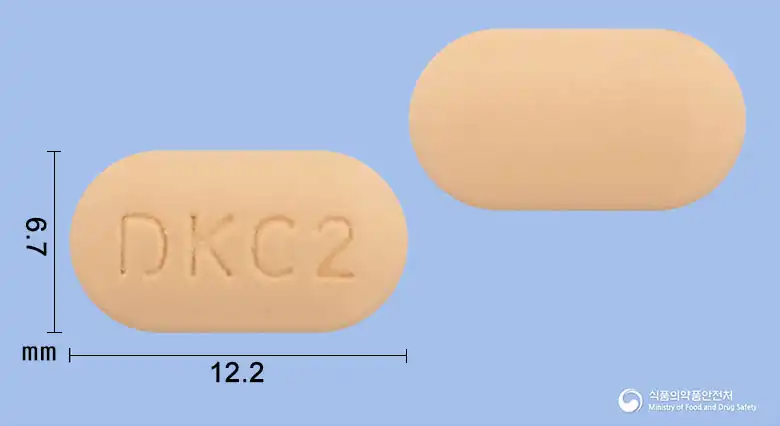 Combination
Amlodipine Besylate 6.94mg · Valsartan 80mg +1 more
Tablet · Prescription medication · Combination
Dongu Bio Pharmaceutical Co., Ltd.
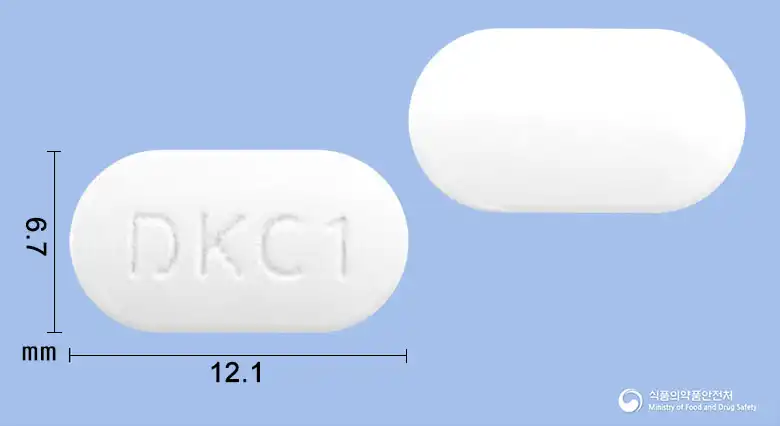 Combination
Amlodipine Besylate 6.94mg · Valsartan 80mg +1 more
Tablet · Prescription medication · Combination
Donggu Bio Pharmaceutical Co., Ltd.
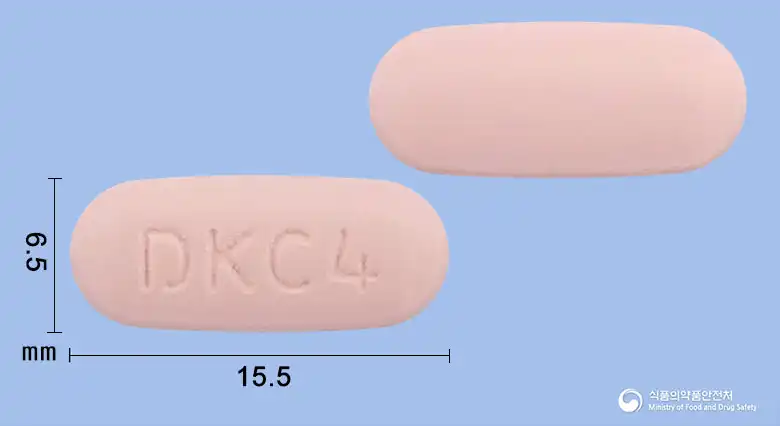 Combination
Amlodipine Besylate 6.94mg · Valsartan 160mg +1 more
Tablet · Prescription medication · Combination
Donggu Bio Pharmaceutical Co., Ltd.
Even with the same ingredient, the dose and directions can differ by strength and dosage form. Talk to a doctor or pharmacist before switching from a medication you are already taking.
No questions yet.
For anything that needs medical judgment, consult a doctor or pharmacist.
This drug information is based on data provided by the Korea Ministry of Food and Drug Safety.
Consult a doctor or pharmacist for accurate dosage, administration, and usage instructions.