
 한국어
한국어 English
 日本語
日本語 中文(简体)
Dosage form image
Viewing nowCombinationFamotrigine 3 Tablets
Famotidine 10mg · Magnesium Hydroxide 165mg +1 more
Tablet · OTC medication · Combination
Daewoong Pharmaceutical Co., Ltd.
MFDS item code 202105231 · Notified 2021.07.09
Relief of heartburn associated with excessive stomach acid and burning sensation
This medication helps relieve heartburn and burning sensation caused by excessive stomach acid. It reduces discomfort in the stomach and improves digestion, alleviating symptoms. It regulates stomach acid secretion to prevent unnecessary acid irritation. Due to these effects, it can significantly reduce discomfort in daily life while maintaining gastrointestinal health. It is used for the relief of heartburn associated with excessive stomach acid and burning sensation.
Adults and patients aged 15 and older should take 1 tablet once daily. Do not exceed 2 tablets within 24 hours.
This medication contains lactose, and should not be used by patients with genetic conditions such as galactose intolerance, congenital lactase deficiency, or glucose-galactose malabsorption. Additionally, it should not be taken by those who are allergic to this medication or other H2-receptor antagonists. Patients who have difficulty swallowing should also refrain from using this medication. Patients with unexplained weight loss or persistent abdominal pain should use this medication cautiously, as there may be other underlying conditions, and consultation with a physician is necessary. Patients with kidney disease must monitor their blood calcium levels. Furthermore, those taking other medications should always consult their doctor or pharmacist before using this medication, as the antacid components may interact with other drugs. This medication can rarely cause hypersensitivity reactions such as anaphylaxis, and may also cause abnormalities in liver enzymes. Gastrointestinal side effects may include nausea, diarrhea, constipation, loss of appetite, and abdominal discomfort. Skin reactions may include rash, itching, hives, and, in rare cases, skin peeling. Other rare symptoms may include headache, fatigue, jaundice, hepatitis, arthralgia, and muscle cramps. If symptoms do not improve after taking the medication for more than 2 weeks, it should be discontinued and a doctor consulted as there may be other underlying conditions. Additionally, long-term use beyond 2 weeks should be avoided, and the prescribed dosage should not be exceeded. For patients undergoing hemodialysis, using this medication with phosphate binders may reduce the effectiveness of calcium carbonate. The antacid component in this medication can interact with several other drugs, so when taking it with atenolol, metoprolol, antibiotics, iron preparations, etc., it is necessary to space them at least 2 hours apart. When taken with salicylic acid, renal excretion of salicylic acid may increase. It is advisable not to take this medication simultaneously with other gastrointestinal drugs, as it can enhance effects and cause side effects. Women who are pregnant or may become pregnant are advised against using this medication. Although there have been no reports of teratogenic effects in animal studies, overdose of certain components has been reported to cause ossification anomalies, making risks impossible to completely rule out. Nursing mothers should also refrain from using this medication for extended periods or at high doses, as some components may be passed into breast milk. Children under 15 years of age must consult a physician before administering this medication. This medication should be stored out of reach of children, in a cool, dry place away from direct sunlight. Additionally, it should not be transferred to other containers to maintain quality.
Not everyone experiences these, and they can vary from person to person.
This medication should be stored in a tightly sealed container to prevent air and moisture ingress. It is best to keep the storage temperature between 1 and 30 degrees Celsius at room temperature.
Light green oblong film-coated tablet
Bottle - 100 tablets/bottle, PTP - 10 tablets/PTP [(10 tablets/PTP*1)]
Even with the same ingredient, strength, dosage form and how it is taken can differ.
Famotidine 10mg · Magnesium Hydroxide 165mg +1 more
Tablet · OTC medication · Combination
Daewoong Pharmaceutical Co., Ltd.
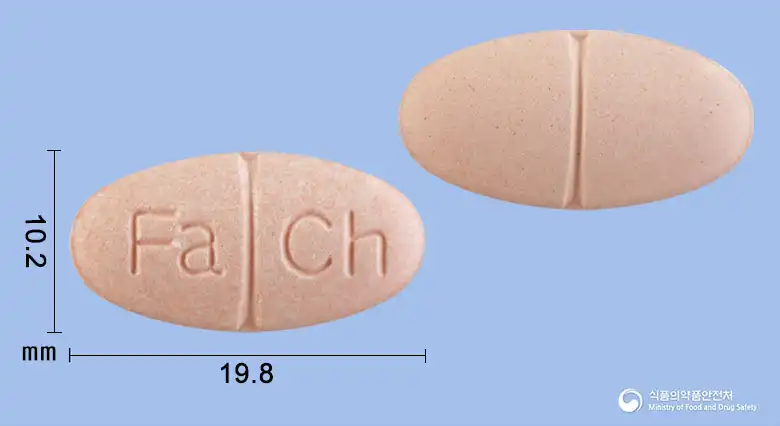 Combination
Famotidine 10mg · Precipitated Calcium Carbonate 800mg +1 more
Chewable Tablet · OTC medication · Combination
GL Pharma Co., Ltd.
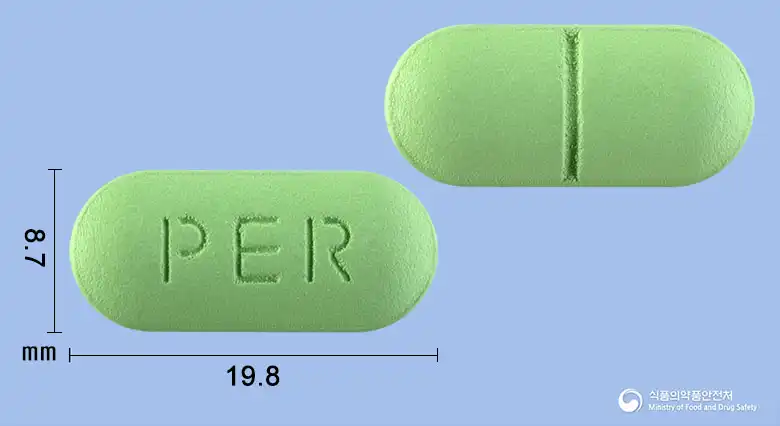 Combination
Famotidine 10mg · Magnesium Hydroxide 165mg +1 more
Tablet · OTC medication · Combination
Intro Bio Pharma Co., Ltd.
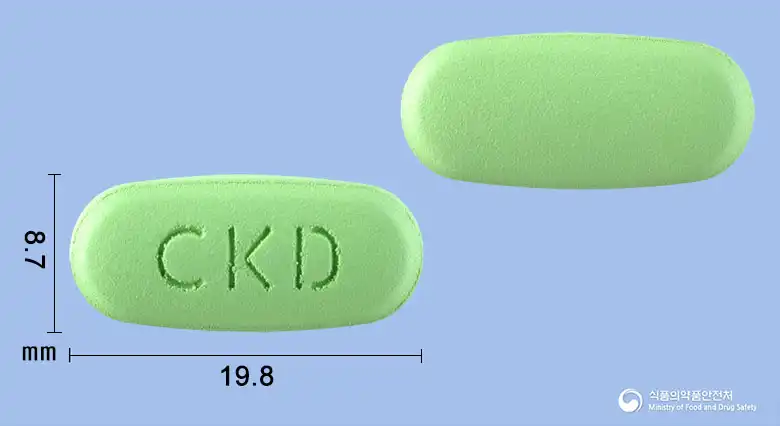 Combination
Famotidine 10mg · Magnesium Hydroxide 165mg +1 more
Tablet · OTC medication · Combination
Jongkundang Co., Ltd.
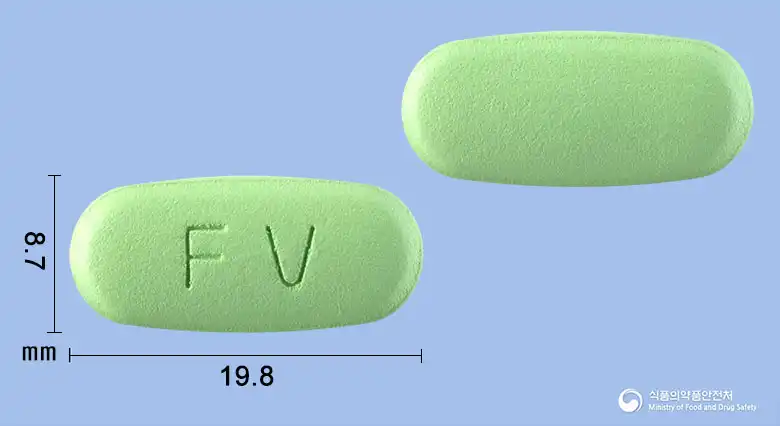 Combination
Famotidine 10mg · Magnesium Hydroxide 165mg +1 more
Tablet · OTC medication · Combination
Hankook Hyutex Pharmaceutical Co., Ltd.
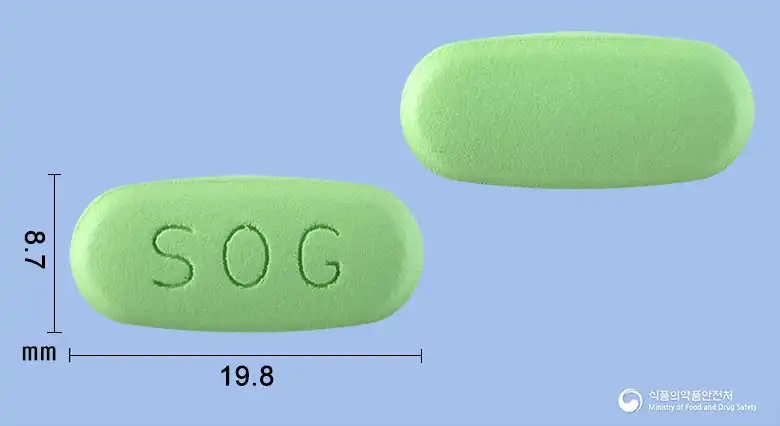 Combination
Famotidine 10mg · Magnesium Hydroxide 165mg +1 more
Tablet · OTC medication · Combination
Dongwha Pharmaceutical Co., Ltd.
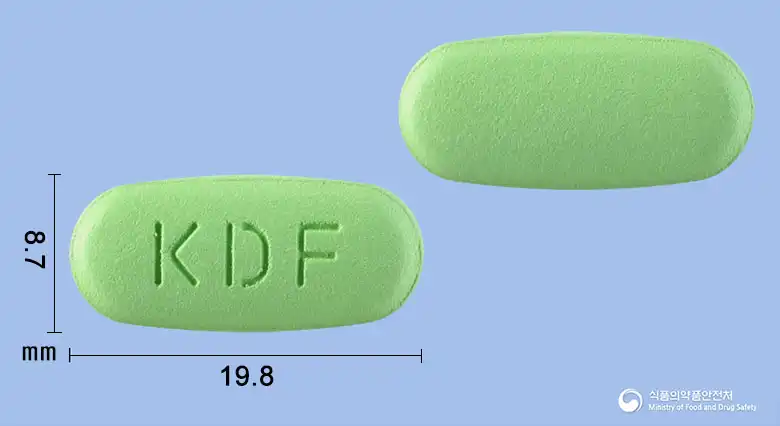 Combination
Famotidine 10mg · Magnesium Hydroxide 165mg +1 more
Tablet · OTC medication · Combination
Kwangdong Pharmaceutical Co., Ltd.
Famotidine 10mg · Magnesium Hydroxide 165mg +1 more
Tablet · OTC medication · Combination
Joah Pharmaceutical Co., Ltd.
Even with the same ingredient, the dose and directions can differ by strength and dosage form. Talk to a doctor or pharmacist before switching from a medication you are already taking.
No questions yet.
For anything that needs medical judgment, consult a doctor or pharmacist.
This drug information is based on data provided by the Korea Ministry of Food and Drug Safety.
Consult a doctor or pharmacist for accurate dosage, administration, and usage instructions.