
 한국어
한국어 English
 日本語
日本語 中文(简体)
 Viewing nowCombination
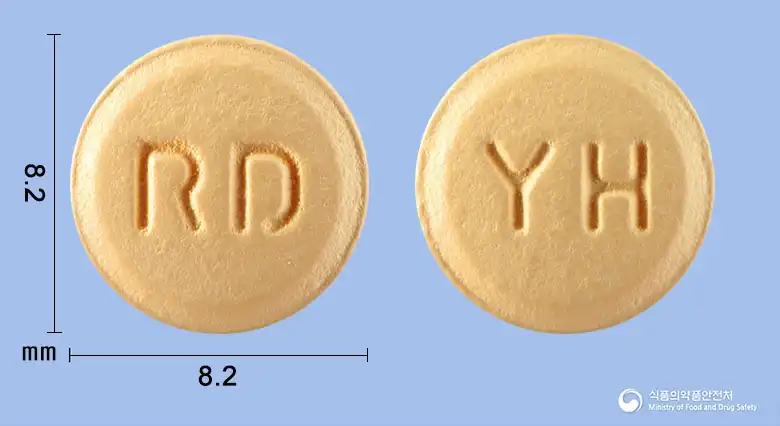
Rabonidi Tablet
Raloxifene Hydrochloride 45mg · Cholecalciferol Concentrate Powder 8mg
Tablet · Prescription medication · Combination
Yuhan Corporation
MFDS item code 202104637 · Approved 2021.06.16 · Insurance code 642105790
Treatment and prevention of osteoporosis in postmenopausal women
This medication is used to treat and prevent osteoporosis in postmenopausal women. Osteoporosis is a condition characterized by decreased bone density, which can lead to an increased risk of fractures, and it is particularly common in postmenopausal women. Taking this medication helps maintain bone strength and reduce the risk of fractures, contributing to health preservation. Therefore, it plays an important role in managing bone health after menopause.
Take 1 tablet orally once a day.
This medication may increase the risk of blood clots, so caution is advised for individuals with a history of thrombosis or those in situations with limited mobility. Patients with impaired liver function must consult a physician before taking this medication, and should report any symptoms of liver dysfunction immediately to healthcare personnel. This medication is not suitable for premenopausal women and should not be administered. Patients with a history of cardiovascular disease or stroke, particularly those at high risk for stroke, should use this medication with caution. This medication is not intended for the prevention of cardiovascular disease and is not recommended for patients at high risk for coronary artery disease. The safety of concurrent use with systemic estrogens has not been established, so it is advisable to avoid co-administration. Pregnant women, women who may become pregnant, and nursing mothers should not take this medication, as it may harm a fetus or neonate. Patients with a history of venous thromboembolism or current thrombosis should not take this medication. Patients with liver disorders or unknown cause of uterine bleeding or symptoms of endometrial cancer should also avoid this medication. Patients with prolonged immobility or certain blood coagulation disorders should be cautious when taking this medication. Patients with genetic lactose intolerance cannot take this medication. Patients with high triglycerides or impaired kidney function should use this medication with caution and may require monitoring through blood tests. During medication use, side effects such as leg cramps, flushing, cold symptoms, peripheral edema may occur, and persistent abnormal symptoms should be reported to healthcare personnel. This medication may interact with other drugs, so patients should consult a physician or pharmacist if they are taking other medications. In case of overdose, symptoms such as dizziness or seizures may occur, so it is essential to adhere to the prescribed dosage. This medication should not be used in children or men, and elderly patients should follow the physician's instructions when taking it. This medication should be stored out of reach of children and should not be transferred to another container.
Venous thrombosis, pulmonary embolism, retinal vein thrombosis, venous thromboembolism including superficial venous thrombophlebitis, thrombocytopenia, arterial thromboembolism, retinal vein occlusion, stroke, death associated with venous thromboembolism, severe allergic reactions (hives, severe swelling, chest tightness, difficulty breathing, cold sweat, paleness), severe skin adverse reactions (severe rash with fever, blisters, peeling skin, mucosal pain in mouth/eyes)
Not everyone experiences these, and they can vary from person to person.
This medication should be stored in a tightly sealed container to prevent exposure to air or moisture, and kept at room temperature between 1 to 30 degrees Celsius. Storing it this way ensures the medication's effectiveness and safety.
Yellow, convex, round film-coated tablet
30 tablets / bottle
Even with the same ingredient, strength, dosage form and how it is taken can differ.
Viewing nowCombinationRaloxifene Hydrochloride 45mg · Cholecalciferol Concentrate Powder 8mg
Tablet · Prescription medication · Combination
Yuhan Corporation
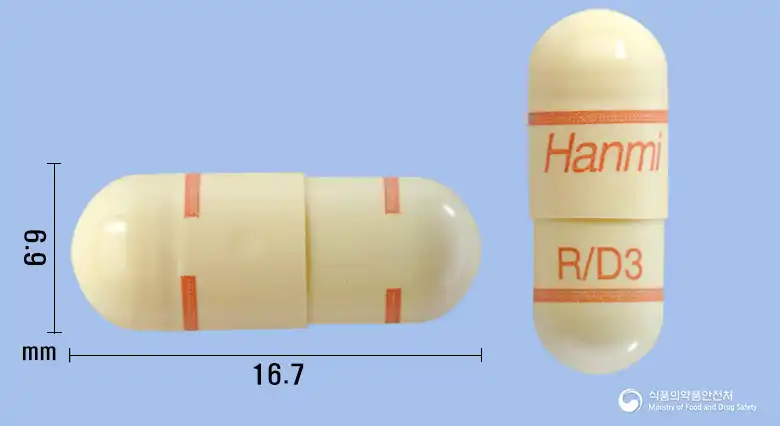 Combination
Raloxifene Hydrochloride 60mg · Cholecalciferol Concentrate Powder 8mg
Hard capsule · Prescription medication · Combination
Hanmi Pharmaceutical Co., Ltd.
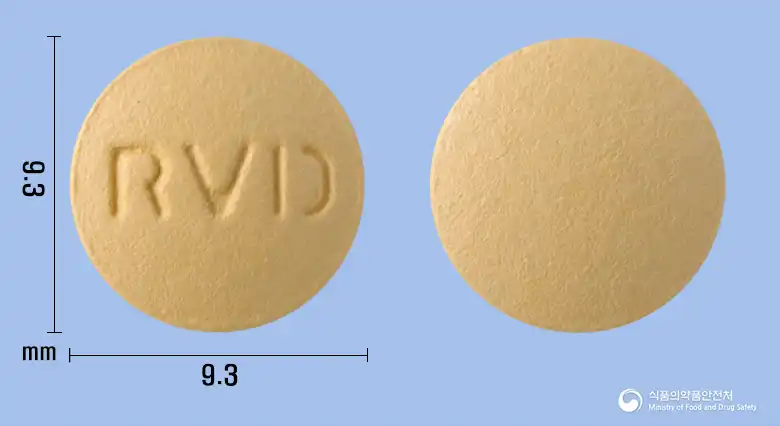 Combination
Raloxifene Hydrochloride 60mg · Cholecalciferol Concentrate Powder 8mg
Tablet · Prescription medication · Combination
Alvogen Korea Co., Ltd.
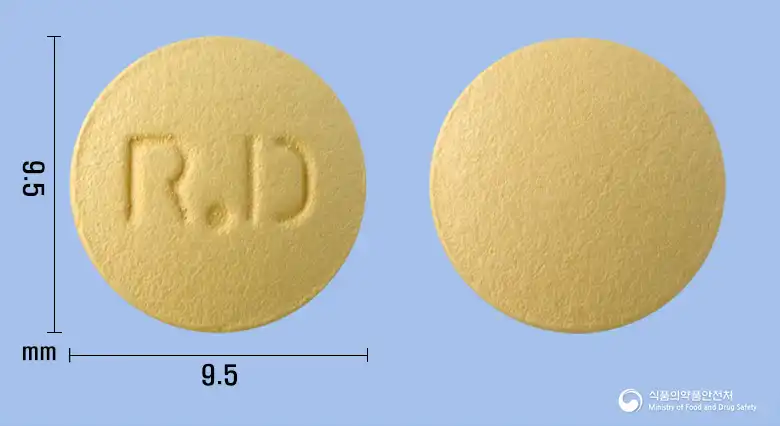 Combination
Raloxifene Hydrochloride 60mg · Cholecalciferol Concentrate Powder 8mg
Tablet · Prescription medication · Combination
Dongkwang Pharmaceutical Co., Ltd.
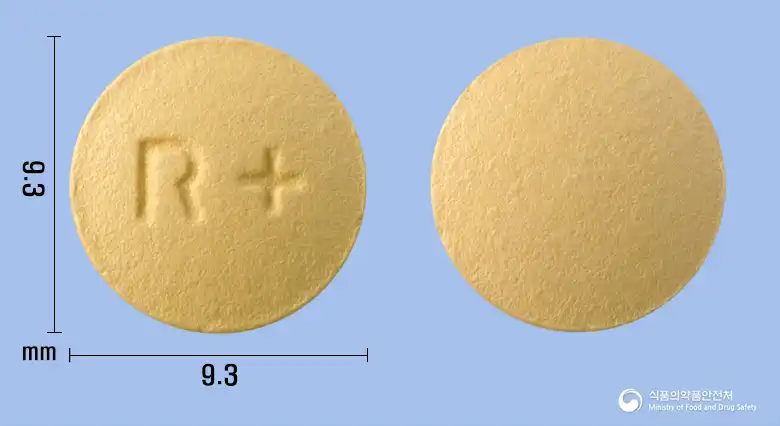 Combination
Raloxifene Hydrochloride 60mg · Cholecalciferol Concentrate Powder 8mg
Tablet · Prescription medication · Combination
Hana Pharmaceutical Co., Ltd.
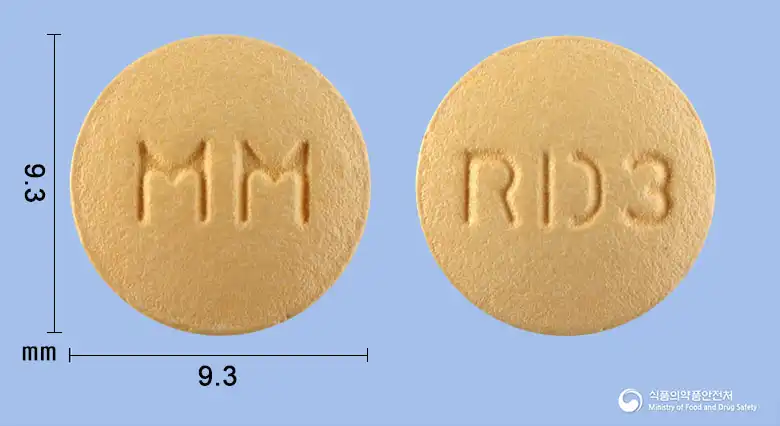 Combination
Raloxifene Hydrochloride 60mg · Cholecalciferol Concentrate Powder 8mg
Tablet · Prescription medication · Combination
Myungmoon Pharmaceutical Co., Ltd.
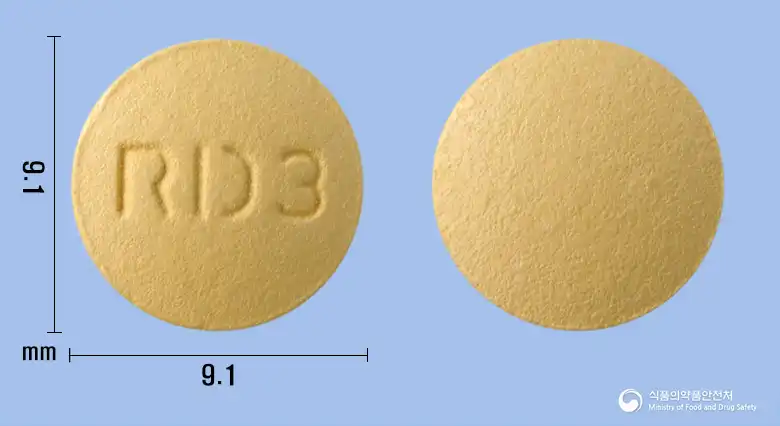 Combination
Raloxifene Hydrochloride 60mg · Cholecalciferol Concentrate Powder 8mg
Tablet · Prescription medication · Combination
LG Chem, Ltd.
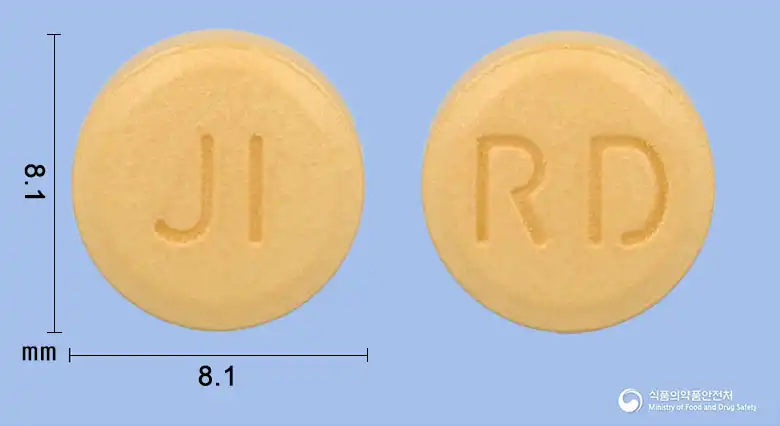 Combination
Raloxifene Hydrochloride 45mg · Cholecalciferol Concentrate Powder 8mg
Tablet · Prescription medication · Combination
Jeil Pharmaceutical Co., Ltd.
Even with the same ingredient, the dose and directions can differ by strength and dosage form. Talk to a doctor or pharmacist before switching from a medication you are already taking.
No questions yet.
For anything that needs medical judgment, consult a doctor or pharmacist.
This drug information is based on data provided by the Korea Ministry of Food and Drug Safety.
Consult a doctor or pharmacist for accurate dosage, administration, and usage instructions.