
 한국어
한국어 English
 日本語
日本語 中文(简体)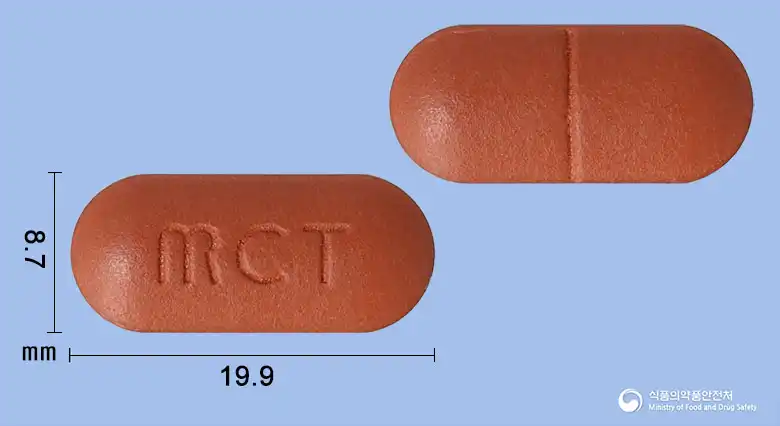
Summary
- Main use
- Prevention of bone development issues and rickets, relief of neuralgia and myalgia pain
- Who takes it
- Adults · Children
- Adult dose
- Take 1 tablet once daily after meals.
- Child dose
- For children over 8 years: take 1 tablet once daily after meals.
Ingredients
- Ursodeoxycholic Acid30mg / 1 tablet
- Nicotinamide30mg / 1 tablet
- Benfotiamine100mg / 1 tablet
- Riboflavin100mg / 1 tablet
- Pyridoxine Hydrochloride100mg / 1 tablet
- Ascorbic Acid53.2mg / 1 tablet
- Calcium Pantothenate30mg / 1 tablet
- Zinc Oxide31.2mg / 1 tablet
- Cholecalciferol Concentrate Powder5mg / 1 tablet
- Cyanocobalamin Powder 0.1%103.1mg / 1 tablet
- D-Biotin0.1mg / 1 tablet
- Folic Acid0.4mg / 1 tablet
- Inositol50mg / 1 tablet
- Choline Tartrate50mg / 1 tablet
- Selenium In Dried Yeast25mg / 1 tablet
- Magnesium Oxide83mg / 1 tablet
- Beta-Carotene Suspension 30%1.2mg / 1 tablet
- Ubidecarenone10mg / 1 tablet
- Manufacturer
- 미래바이오제약(주)
Efficacy & effects
Prevention of bone development issues and rickets, relief of neuralgia and myalgia pain
- Physical fatigue
- decreased physical strength
- poor bone development
- rickets
- beriberi
- eye fatigue
- neuralgia
- myalgia
- arthralgia
- angular cheilitis
- cheilitis
- stomatitis
View approved original textHide original text
This medication contains vitamins A, D, B1, B2, B6, C, and zinc, which help recover from physical fatigue, maintain health in pregnant and breastfeeding women, and improve physical strength during and after illness. It supports the normal development of growing children and is also used for nutritional supplementation in the elderly. Additionally, it is effective in preventing poor bone and dental development and rickets, aiding in the relief of conditions such as beriberi and eye fatigue. It alleviates pain symptoms such as neuralgia, myalgia, and arthralgia and is used for oral inflammatory conditions such as angular cheilitis, cheilitis, stomatitis, and glossitis, as well as skin-related symptoms like eczema and dermatitis. Zinc plays an important role in enhancing immune function and wound healing. It is used to improve various symptoms and conditions.
How to take
Adult dose
Take 1 tablet once daily after meals.
Child dose
For children over 8 years: take 1 tablet once daily after meals.
Precautions
This medication should not be administered in excess of 5,000 IU of vitamin A per day to women in the first three months of pregnancy or those who may become pregnant to reduce the risk of congenital disabilities. Patients with hypercalcemia, sarcoidosis, and renal disease should not take this medication. Additionally, those with hypersensitivity to this medication, infants under 12 months old, patients with kidney stones, severe renal insufficiency, and allergies to soy oil, beans, or peanuts should also avoid it. This medication contains lactose, so patients with genetic disorders like galactose intolerance, lactose hydrolysis enzyme deficiency, or glucose-galactose malabsorption should avoid it. During the use of this drug, it is advisable to avoid taking it with phosphates, calcium salts, orally administered tetracycline antibiotics, antacids, and drugs like levodopa. Infants under one year old, patients undergoing doctor treatment, children who receive ample sunlight and have normal diets, patients with hyperoxaluria, pregnant or potentially pregnant women, breastfeeding mothers, premature infants, patients with peptic ulcers or chronic ulcerative colitis, cardiac and circulatory dysfunction, renal disease, patients with low protein levels, gout patients, or those with a history of kidney stones should consult a doctor or pharmacist before taking this drug. If symptoms like nausea, vomiting, itching, dry skin, joint swelling, diarrhea, red spots, heart rhythm irregularities, central nervous system dysfunction, dermatitis, hair loss, gastrointestinal disorders, hypotension, pulmonary edema appear, discontinue use immediately and consult a professional. Long-term high-dose use may result in tolerance, and long-term high-dose pyridoxine use may lead to neurological disorders. High doses can also exacerbate peptic ulcers, cause blood sugar control issues, lead to hyperuricemia, and cause liver damage, so caution is advised. This medication must be taken strictly according to the prescribed usage and dosage, and supervision is needed when administered to children. Sufficient vitamin A intake can be achieved through normal diets, so do not exceed 5,000 IU when used as a supplement. It is best to avoid tannin-containing beverages like green tea or black tea during intake, as this medication can turn urine yellow, impacting some clinical test results. Store this medication in a cool, dry place out of reach of children, avoiding direct sunlight and ensuring it is tightly sealed. It is important not to transfer the medication to another container to maintain quality.
Side effects and when to seek care immediately
Serious side effects
Cardiac arrest (cardiac arrest), central nervous system dysfunction
Mild side effects
Nausea, vomiting, itching, dry and rough skin, painful joint swelling, diarrhea, loose stools, red spots, dermatitis, odor during sweat/breathing, hair loss, restlessness, gastrointestinal disturbances, digestive issues, upper abdominal pain, hypotension, pulmonary edema, tolerance, peripheral neuropathy or neurological symptoms, hematological adverse reactions, hyperuricemia, liver damage, hyponatremia, congestive heart failure, edema, hyperkalemia
Not everyone experiences these, and they can vary from person to person.
Interactions
Drug interactions
Do not take this medication with phosphates, calcium salts, orally administered tetracycline preparations, antacids, or levodopa.
Food interactions
Do not take this medication with tannin-containing drinks like green tea or black tea during or shortly before or after taking it.
Storage
This medication should be stored in a tightly sealed container to prevent air ingress, ideally at room temperature between 1 degree and 30 degrees Celsius. Storing it in this manner will help maintain the medication's effectiveness.
Appearance and packaging
Appearance
Brownish-red oblong film-coated tablets
Package unit
90 tablets/bottle
Questions about this medicine
QI've been taking it for over a month, but I don't see much change.
The product leaflet states that if there is no improvement in symptoms after taking the medication for about one month, you should stop taking it and consult a doctor or pharmacist. If symptoms such as fatigue or pain persist, it is advisable to seek medical attention as there may be other underlying causes.
Answers 1 · 2026.09.14
For anything that needs medical judgment, consult a doctor or pharmacist.