
 한국어
한국어 English
 日本語
日本語 中文(简体)
 Viewing now
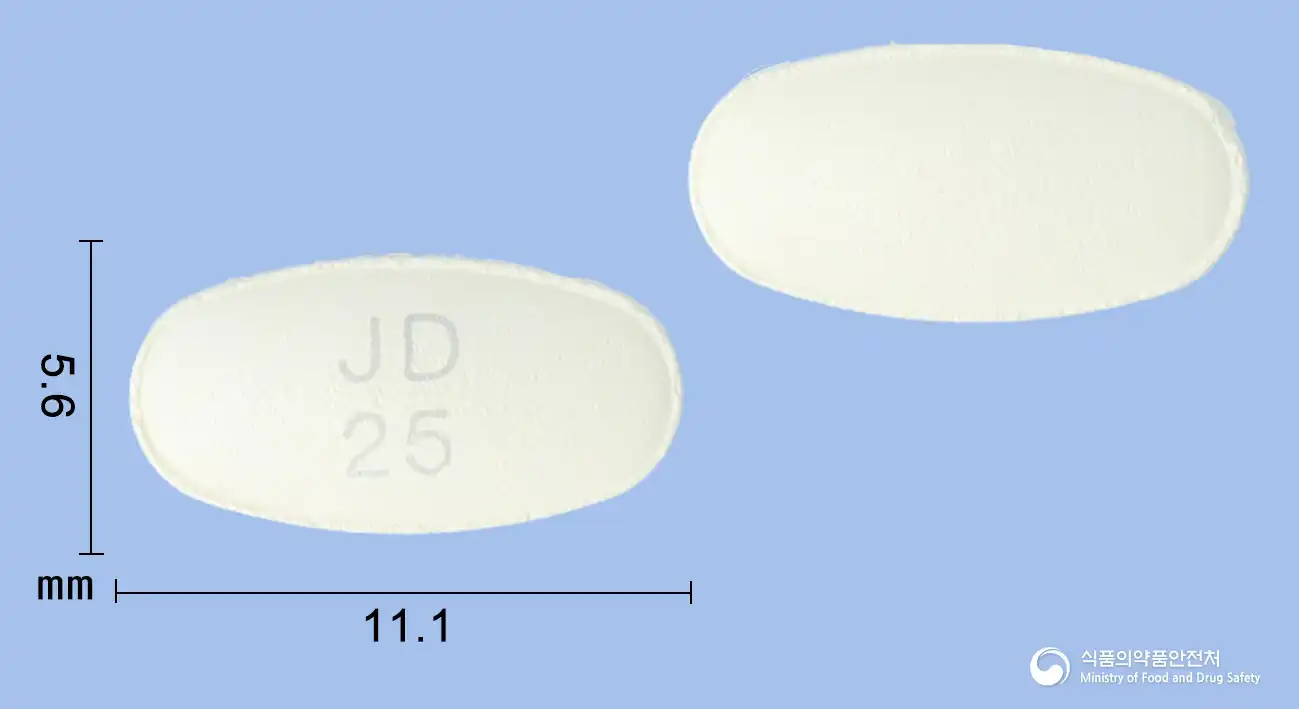
Jadiflozin 25mg (Empagliflozin)
Empagliflozin 25mg
Tablet · Prescription medication
Youngpoong Pharmaceutical Co., Ltd.
MFDS item code 202102103 · Approved 2021.03.05 · Insurance code 661905660
Blood glucose control in type 2 diabetes and prevention of cardiovascular events
This medication is primarily used to improve blood glucose control in adult patients with type 2 diabetes. It can be administered alone in conjunction with dietary and exercise therapy, or in combination with other antidiabetic medications such as metformin, pioglitazone, sulfonylureas, insulin, or DPP-4 inhibitors, if blood glucose control is insufficient. It is particularly important for patients with type 2 diabetes who have cardiovascular disease to follow expert guidelines not only for blood glucose control but also for the risk of cardiovascular events. This combined treatment approach effectively aids in managing diabetes and improving blood glucose levels.
The recommended dosage of this medication for monotherapy and additional combination therapy with other glucose-lowering agents such as insulin is 10 mg once daily. If 10 mg is well tolerated and additional blood glucose control is needed, it can be increased to 25 mg once daily. This medication can be taken with or without food, and the tablet should be swallowed whole. If a dose is missed, take it as soon as remembered, and do not take two doses in one day.
This medication should not be used in patients who are allergic to the active ingredient. This medication may be dangerous if administered to patients with type 1 diabetes or diabetic ketoacidosis. Patients with severely impaired kidney function, end-stage renal disease, or those on dialysis should not use this medication. This medication contains lactose and should not be administered to patients with genetic problems such as lactose intolerance, galactose intolerance, lactose deficiency, or glucose-galactose malabsorption. Patients with reduced kidney function require dose adjustment when taking this medication, and it should be discontinued if kidney function falls below a certain level. The use of this medication is not recommended in patients with severe heart failure and should be administered carefully in mild cases. If used in combination with insulin or insulin secretagogues, there may be an increased risk of hypoglycemia, so dose adjustments of these medications may be necessary. While taking this medication, patients may experience side effects such as hypoglycemia, genital infections, urinary tract infections, increased urination, and reduced fluid volume, so caution is advised. Severe metabolic abnormalities such as ketoacidosis may occur, so if symptoms like vomiting, abdominal pain, or difficulty breathing arise, immediate consultation with medical personnel is required. Elderly patients or those at risk of fluid volume depletion should be cautious of dehydration and hypotension, and fluid status should be checked regularly. This medication can cause serious urinary infections such as urosepsis and pyelonephritis, so prompt treatment is necessary if infection symptoms arise. Pregnant women are advised not to take this medication, and it should be avoided during breastfeeding as well. The safety and efficacy of this medication in children under 18 years of age have not been established, so it should not be used in this population. Although no specific toxic symptoms have been reported with overdose, appropriate treatment is necessary depending on the clinical condition. This medication may cause mild effects when driving or operating machinery, so caution should be exercised, especially if there is a risk of hypoglycemia. Additionally, diabetic patients should pay attention to foot care and regularly check their feet to reduce the risk of limb amputation. If pain, swelling, or redness appears around the perineum, immediate notification to medical personnel and appropriate treatment should be sought.
Not everyone experiences these, and they can vary from person to person.
This medication must be stored in a tightly sealed container to protect it from air and moisture. It is best to store it at room temperature between 1 and 30 degrees Celsius.
Light yellow, biconvex, oval film-coated tablets
30 tablets/bottle
Even with the same ingredient, strength, dosage form and how it is taken can differ.
Viewing nowEmpagliflozin 25mg
Tablet · Prescription medication
Youngpoong Pharmaceutical Co., Ltd.
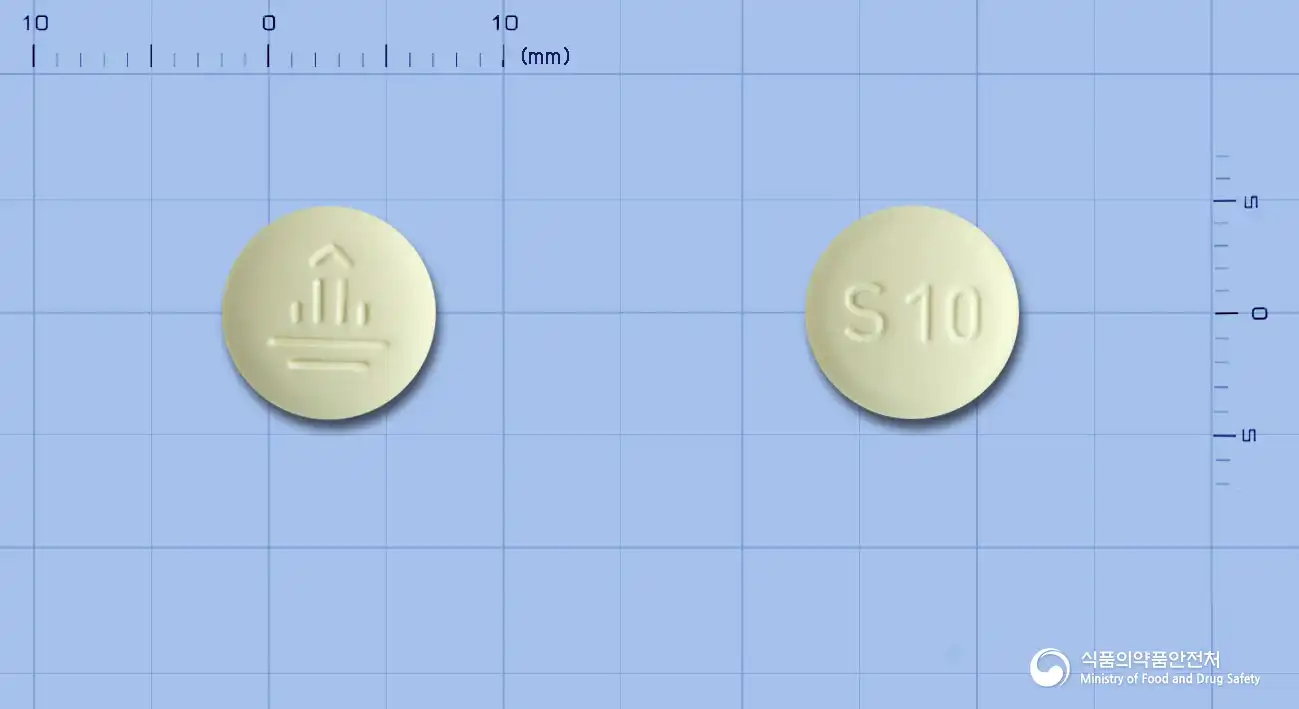
Empagliflozin 10mg
Tablet · Prescription medication
Boehringer Ingelheim Korea Co., Ltd.
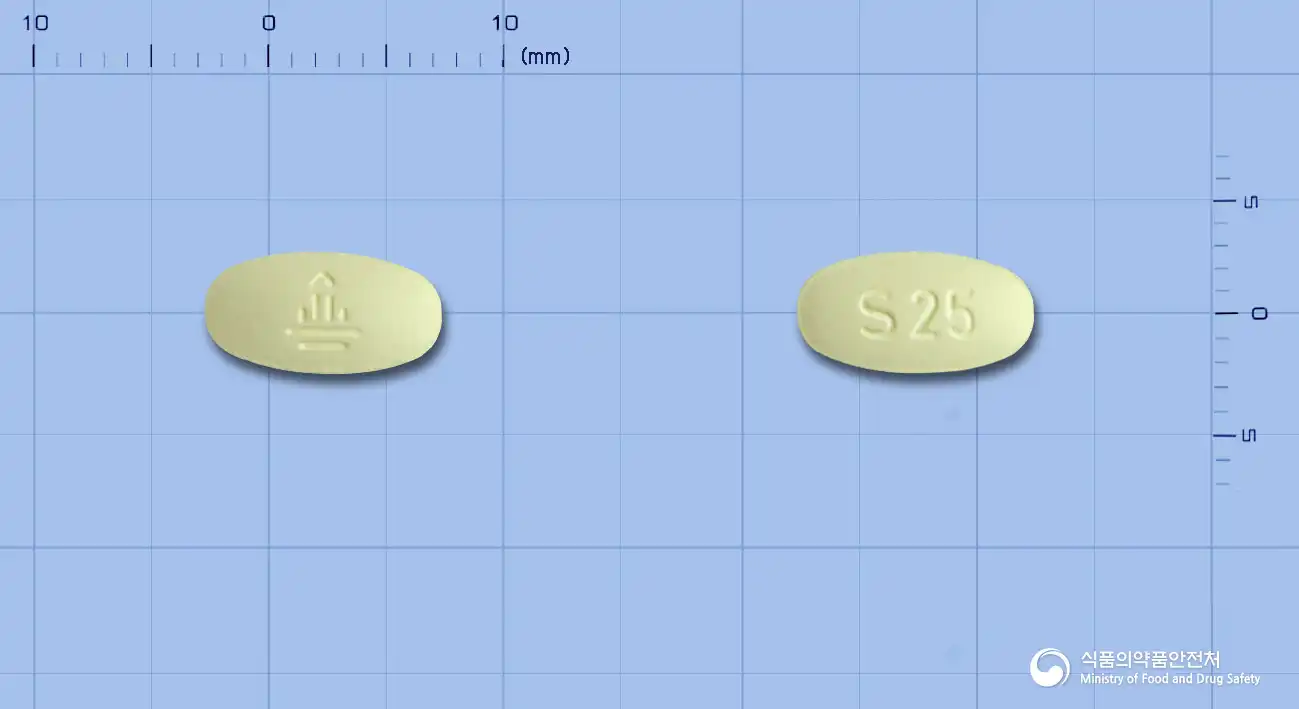
Empagliflozin 25mg
Tablet · Prescription medication
Boehringer Ingelheim Korea Co., Ltd.
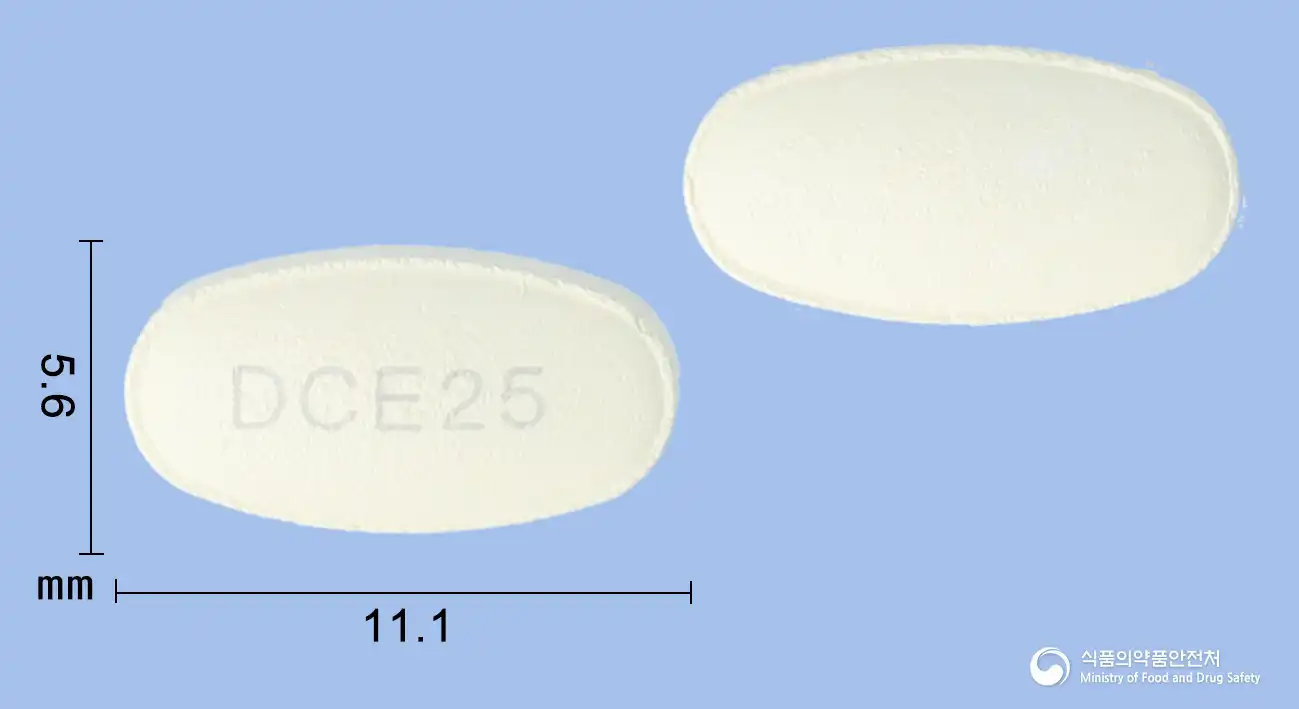
Empagliflozin 25mg
Tablet · Prescription medication
Donggu Bio Pharmaceutical Co., Ltd.
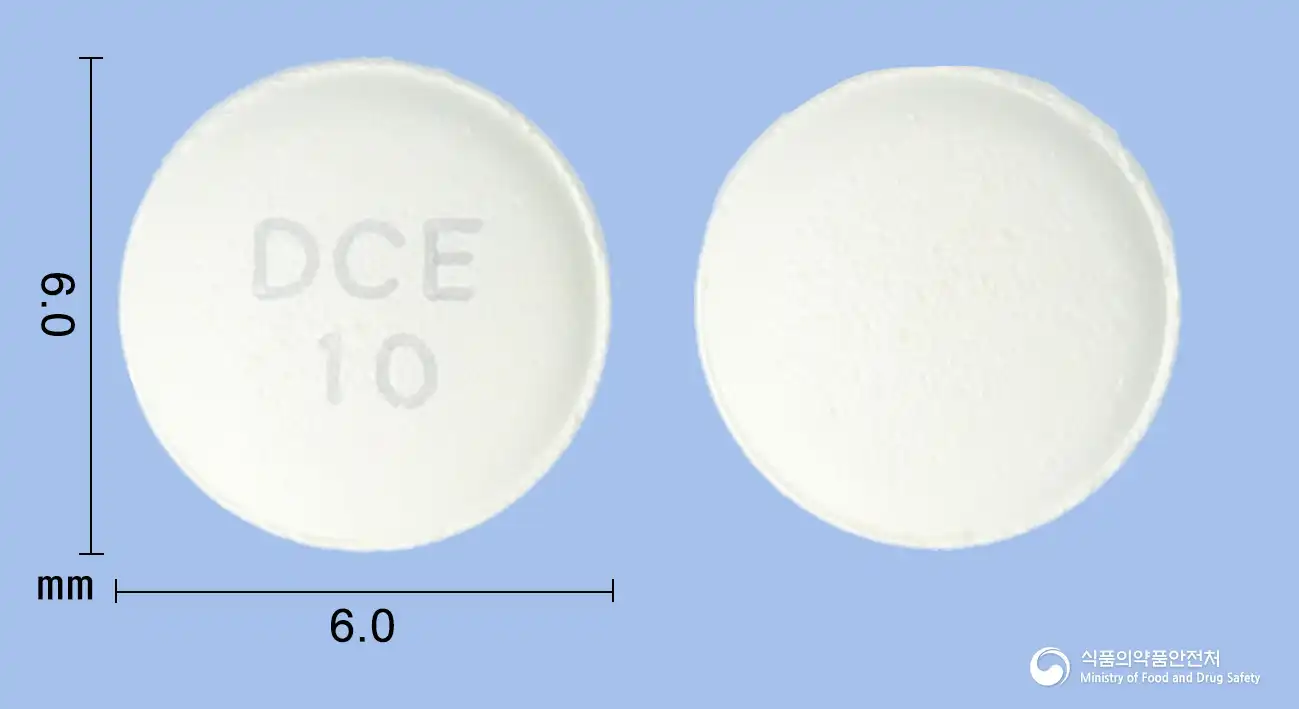
Empagliflozin 10mg
Tablet · Prescription medication
Dong Gu Bio Pharmaceutical Co., Ltd.
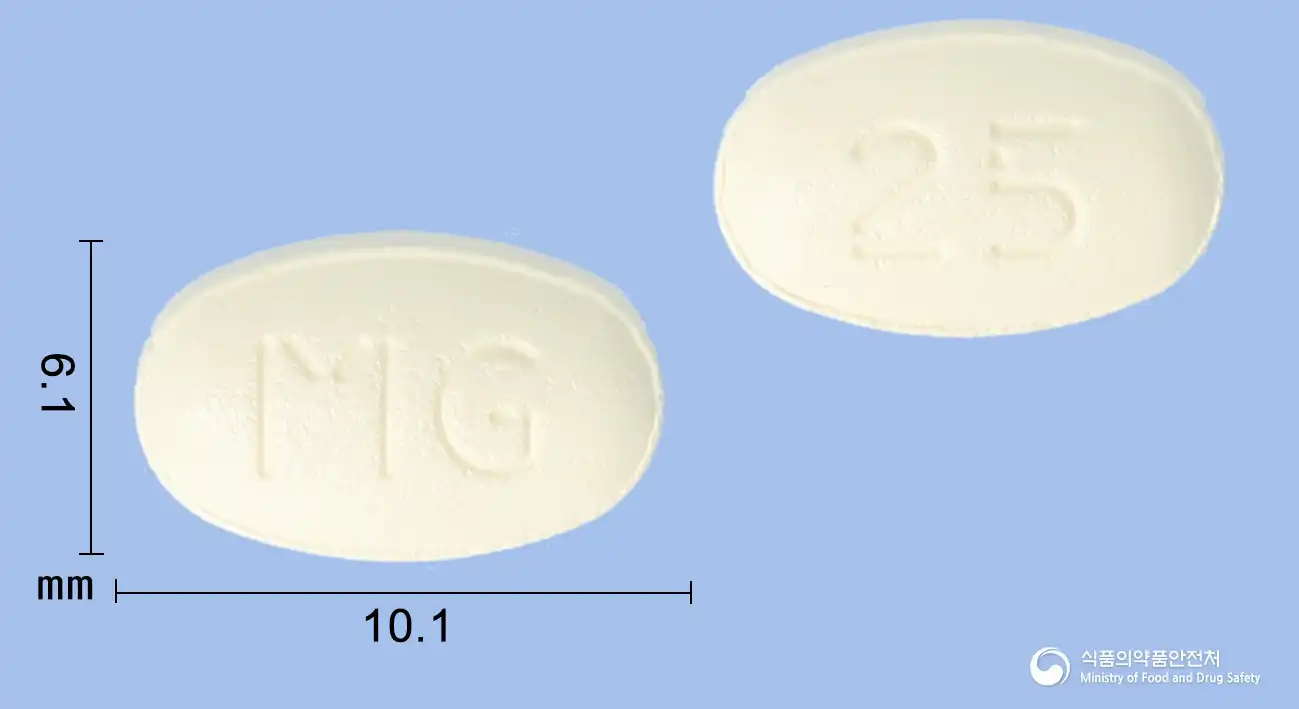
Empagliflozin 25mg
Tablet · Prescription medication
Korea Prime Pharmaceuticals Co., Ltd.
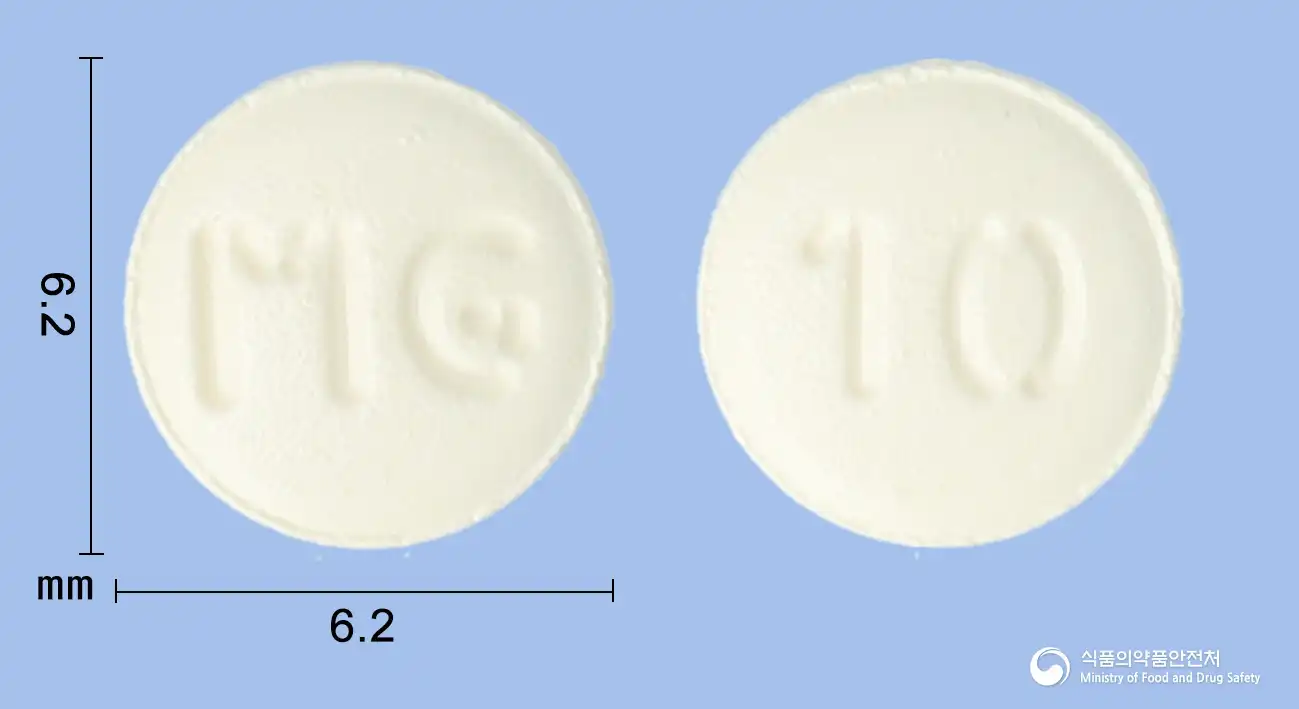
Empagliflozin 10mg
Tablet · Prescription medication
Korea Prime Pharmaceutical Co., Ltd.
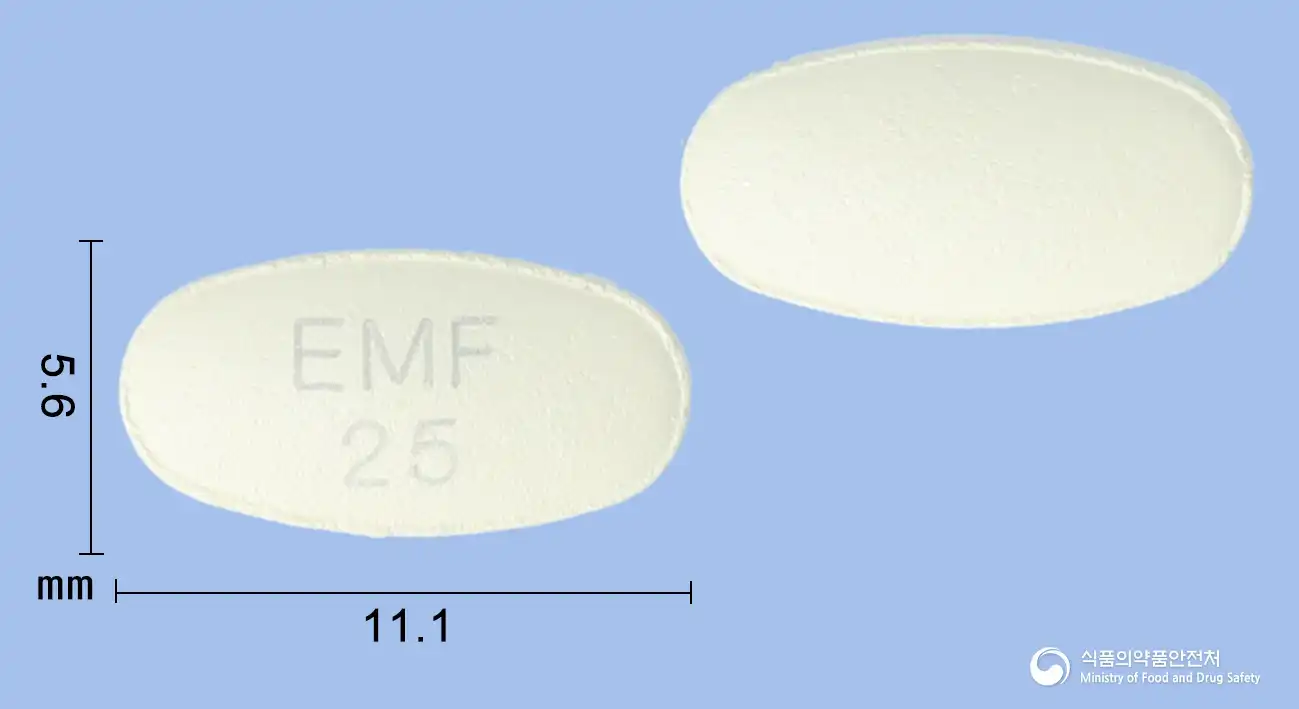
Empagliflozin 25mg
Tablet · Prescription medication
Kips Biopharma Co., Ltd.
Even with the same ingredient, the dose and directions can differ by strength and dosage form. Talk to a doctor or pharmacist before switching from a medication you are already taking.
No questions yet.
For anything that needs medical judgment, consult a doctor or pharmacist.
This drug information is based on data provided by the Korea Ministry of Food and Drug Safety.
Consult a doctor or pharmacist for accurate dosage, administration, and usage instructions.