
 한국어
 English
 日本語
 中文(简体)
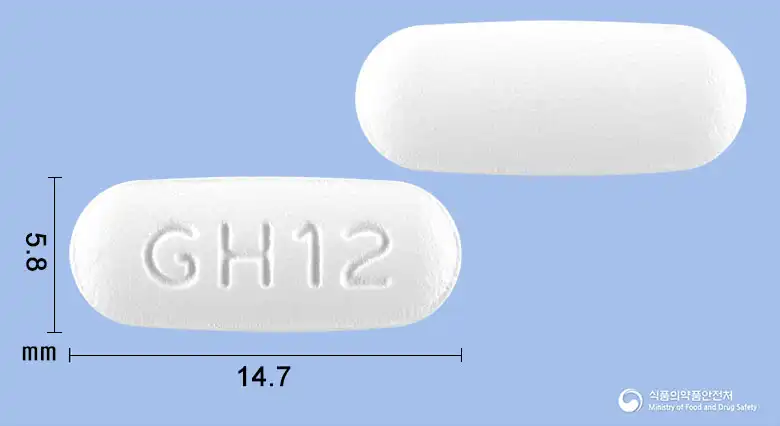 Viewing nowCombination
AtorJ Tablet 10/20 milligrams
Atorvastatin Calcium Trihydrate 21.7mg · Ezetimibe 10mg
Tablet · Prescription medication · Combination
(Yoo) Hanpung Pharmaceutical Co., Ltd.
MFDS item code 202101623 · Approved 2021.02.18 · Insurance code 658108190
Improvement of hypercholesterolemia (primary and homozygous familial) and mixed dyslipidemia
This drug, when used in conjunction with dietary therapy in patients with primary hypercholesterolemia and mixed dyslipidemia, helps to lower total cholesterol, LDL-cholesterol, Apo B, triglycerides, and non-HDL-cholesterol levels while increasing HDL-cholesterol levels. Additionally, it is used as an adjunctive therapy in patients with homozygous familial hypercholesterolemia when other lipid-lowering therapies are ineffective to help control cholesterol levels. This drug plays a significant role in improving lipid levels in patients at high risk for cardiovascular disease, and optimal effects can be expected when used alongside an appropriate diet. Furthermore, it is important to identify and treat other secondary causes of dyslipidemia before use. This management effectively improves the patient's blood lipid status.
This medication should be administered once daily, regardless of meals. Patients should continue to follow a standard cholesterol-lowering diet before and during treatment with this medication. The dose should be adjusted according to the patient’s baseline LDL cholesterol level, the recommended treatment goal, and the patient’s response. Primary hypercholesterolemia The dosage range is 10/10mg∼10/80mg once daily. The recommended initial dose is 10/10mg or 10/20mg once daily. For patients requiring a greater reduction in LDL cholesterol (55% or more), an initial dose of 10/40mg once daily is recommended. After starting treatment or adjusting the dose, check blood lipid levels at intervals of at least 2 weeks and adjust the dose accordingly. Homozygous familial hypercholesterolemia The recommended dose for patients with homozygous familial hypercholesterolemia is 10/40mg or 10/80mg once daily. Administer this medication as an adjunct to other lipid-lowering therapy (e.g., LDL apheresis), or when other lipid-lowering therapy is not useful.
This drug may cause serious muscle problems; therefore, if sudden muscle pain or weakness occurs, it is essential to inform your doctor immediately. Especially in cases of severe infection, hypotension, major surgery or trauma, or severe metabolic disorder, it may be necessary to temporarily discontinue this drug. This drug should not be used in individuals with allergies to any of its components, active liver disease, or persistent unexplained elevations of liver enzymes. Individuals with muscle disorders, pregnant women, or nursing mothers should not take this drug. Additionally, this drug should not be used concurrently with certain antiviral agents or fibrate class medications. Alcoholics or individuals with weakened liver function should use this drug cautiously, and elderly persons aged 70 and above should also exercise caution. Liver function and muscle condition should be regularly monitored during treatment with this drug, and if there is any liver dysfunction or worsening muscle pain, treatment should be immediately discontinued. The risk of side effects may increase when this drug is taken with certain other medications, so it is essential to consult with a doctor or pharmacist if taking other drugs. Women of childbearing age should employ adequate contraception during treatment with this drug, and treatment should be discontinued immediately if pregnancy is confirmed. This drug is not recommended for children as safety and efficacy have not been established. In case of overdose, there is no specific antidote, so treatment should be symptomatic and liver function and muscle enzyme levels should be closely monitored.
Not everyone experiences these, and they can vary from person to person.
This drug must be stored in a tightly closed container to prevent exposure to air or moisture. It is important to maintain a storage temperature between 1 and 30 degrees Celsius. This ensures the drug's effectiveness and safety are preserved for an extended period.
A film-coated tablet that is caplet-shaped and convex on both sides, consisting of white or pale yellow.
30 tablets/box [10 tablets/Alu-Alu×3]
Even with the same ingredient, strength, dosage form and how it is taken can differ.
Viewing nowCombinationAtorvastatin Calcium Trihydrate 21.7mg · Ezetimibe 10mg
Tablet · Prescription medication · Combination
(Yoo) Hanpung Pharmaceutical Co., Ltd.
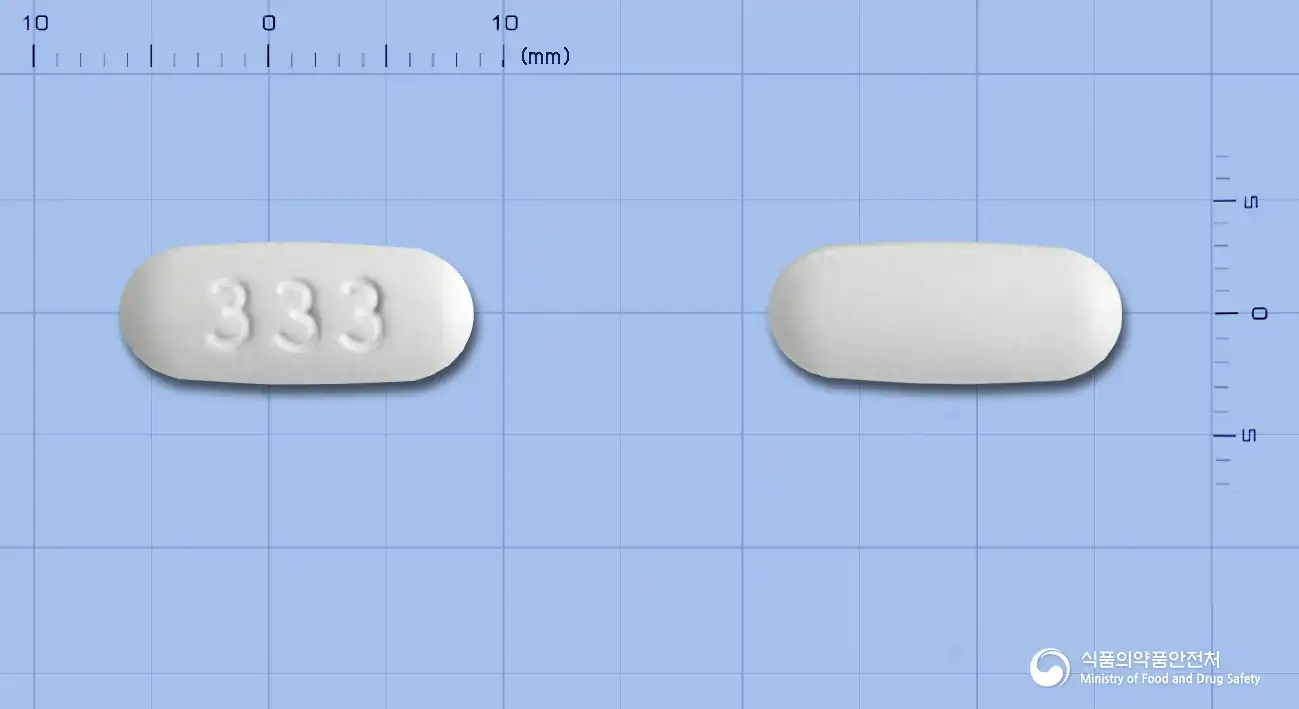 Combination
Ezetimibe 10mg · Atorvastatin Calcium Trihydrate 21.7mg
Tablet · Prescription medication · Combination
Korea Organon Co., Ltd.
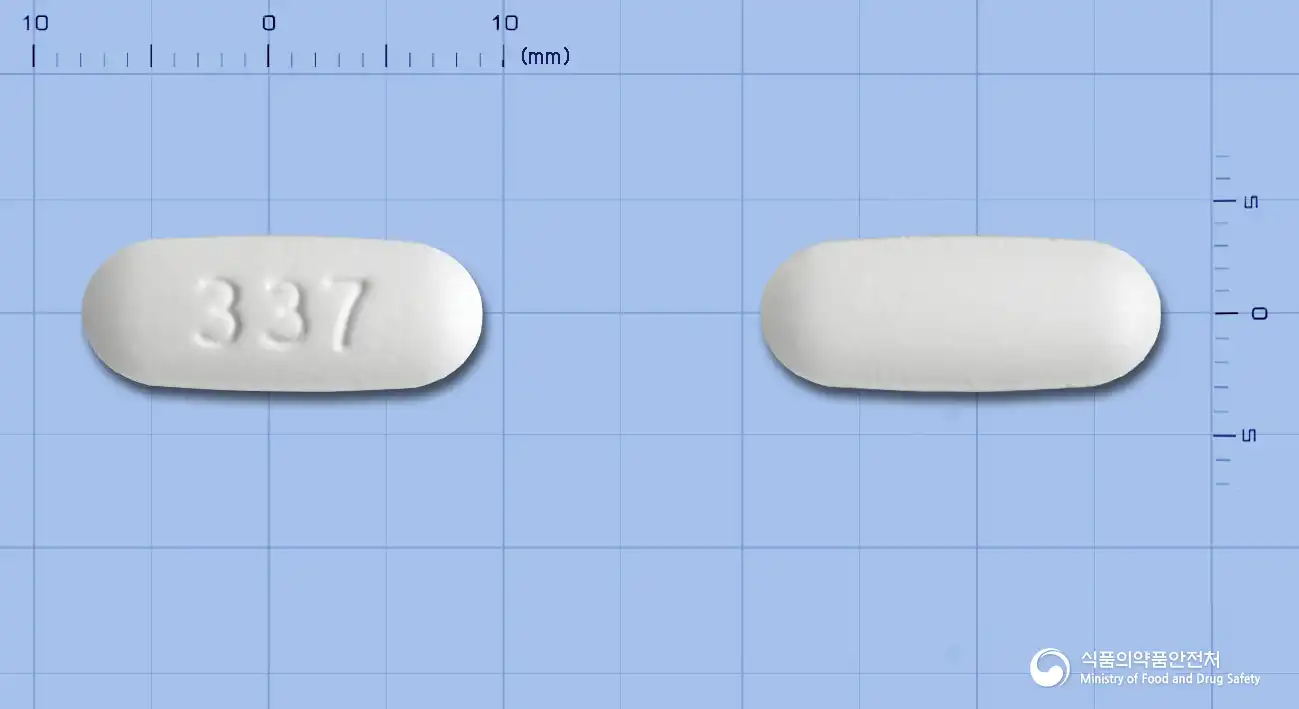 Combination
Ezetimibe 10mg · Atorvastatin Calcium Trihydrate 43.4mg
Tablet · Prescription medication · Combination
Korea Organon Co., Ltd.
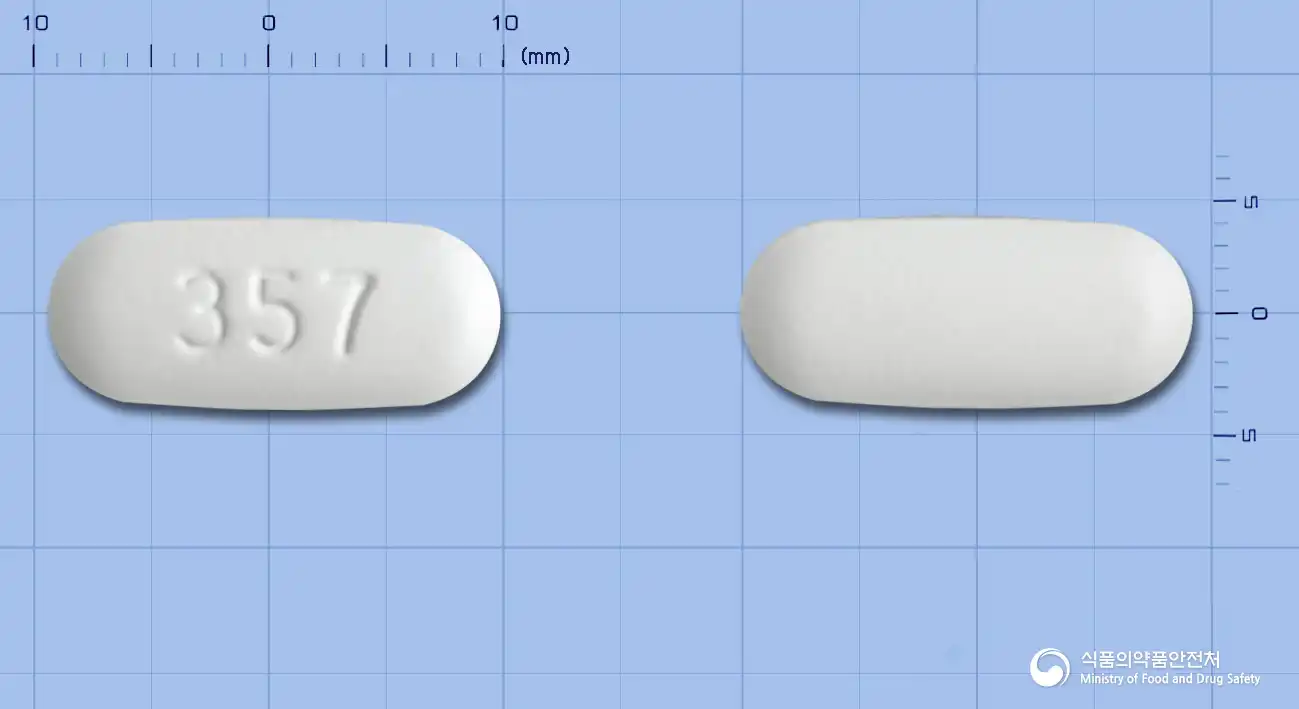 Combination
Ezetimibe 10mg · Atorvastatin Calcium Trihydrate 86.8mg
Tablet · Prescription medication · Combination
Korea Organon Co., Ltd.
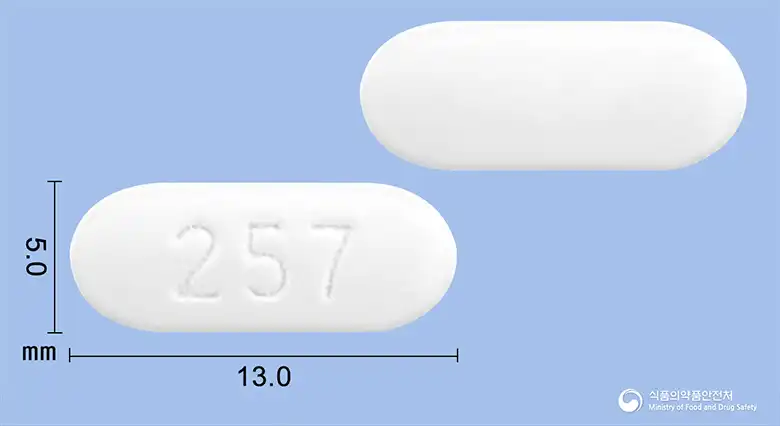 Combination
Ezetimibe 10mg · Atorvastatin Calcium Trihydrate 10.9mg
Tablet · Prescription medication · Combination
Korea Organon Co., Ltd.
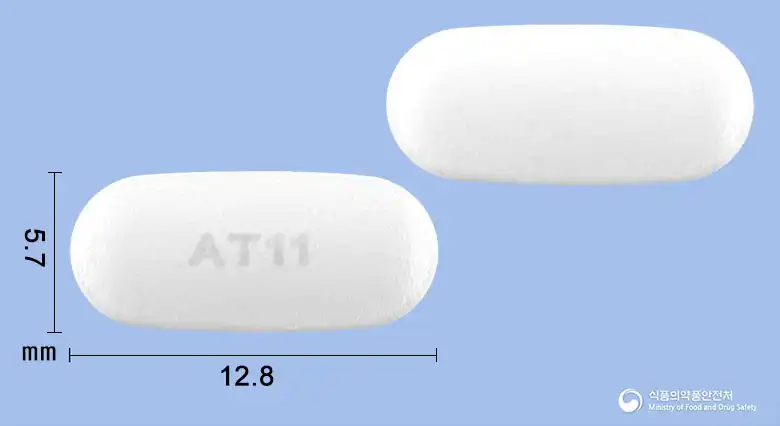 Combination
Atorvastatin Calcium 10.85mg · Ezetimibe 10mg
Tablet · Prescription medication · Combination
Korea HuTex Pharmaceutical Co., Ltd.
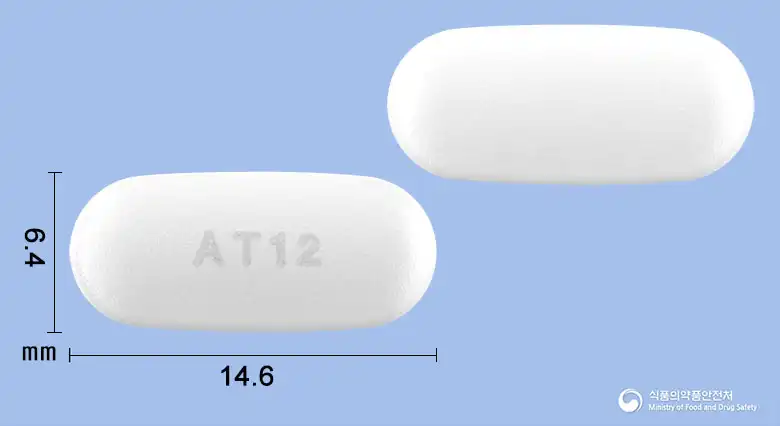 Combination
Atorvastatin Calcium 21.7mg · Ezetimibe 10mg
Tablet · Prescription medication · Combination
Korea HuTex Pharmaceutical Co., Ltd.
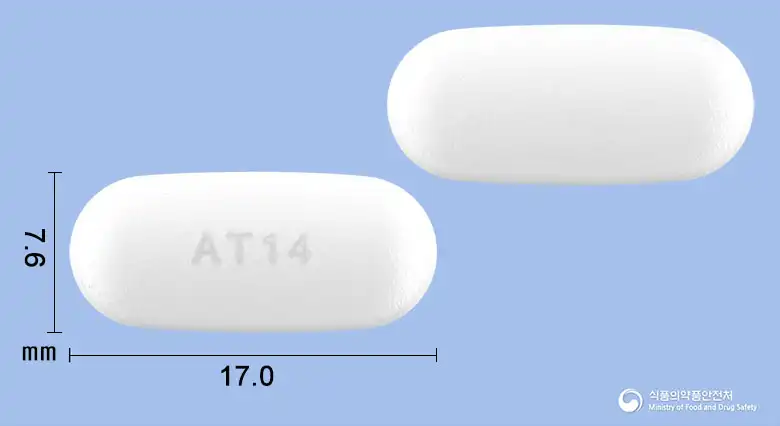 Combination
Atorvastatin Calcium 43.4mg · Ezetimibe 10mg
Tablet · Prescription medication · Combination
Korea HuTex Pharmaceutical Co., Ltd.
Even with the same ingredient, the dose and directions can differ by strength and dosage form. Talk to a doctor or pharmacist before switching from a medication you are already taking.
No questions yet.
For anything that needs medical judgment, consult a doctor or pharmacist.
This drug information is based on data provided by the Korea Ministry of Food and Drug Safety.
Consult a doctor or pharmacist for accurate dosage, administration, and usage instructions.