
 한국어
 English
 日本語
 中文(简体)
 Viewing nowCombination
Aeje Jeong 10/40 mg
Ezetimibe 10mg · Atorvastatin Calcium Trihydrate 43.4mg
Tablet · Prescription medication · Combination
Daiwoo Bio Co., Ltd.
MFDS item code 202101547 · Approved 2021.02.18 · Insurance code 694003420
Improvement of hypercholesterolemia (primary and homozygous familial) and mixed dyslipidemia
This medication is used in conjunction with dietary therapy to lower elevated total cholesterol, LDL-cholesterol, Apo B protein, triglycerides, and non-HDL-cholesterol levels in patients with primary hypercholesterolemia and mixed dyslipidemia while increasing HDL-cholesterol. Additionally, it is used as an adjunct to other therapies in patients with homozygous familial hypercholesterolemia or when other treatments are ineffective. This medication reduces the risk of cardiovascular diseases, and it is important to use it along with dietary adjustments. Before administration, it is necessary to identify other causes of dyslipidemia for appropriate management. Regular lipid tests are recommended to evaluate treatment efficacy, and early testing is advised in the event of acute coronary incidents. Overall, this medication is utilized to improve vascular health through the management of hypercholesterolemia and dyslipidemia.
Administer this medication once daily, regardless of meals. Patients should continue a standard cholesterol-lowering diet before and during treatment with this medication. The dosage should be adjusted according to the patient's baseline LDL cholesterol level, recommended treatment goal, and response. Primary hypercholesterolemia: The dosage range is 10/10mg to 10/80mg once daily. The recommended initial dosage is 10/10mg or 10/20mg once daily. For patients requiring a greater reduction in LDL cholesterol (55% or more), the recommended initial dosage is 10/40mg once daily. After starting treatment or adjusting the dosage, check blood lipid levels at intervals of at least 2 weeks and adjust the dosage accordingly. Homozygous familial hypercholesterolemia: The recommended dosage for patients with homozygous familial hypercholesterolemia is 10/40mg or 10/80mg once daily. This medication is administered as an adjunct to other lipid-lowering treatments (e.g., LDL apheresis), or when other lipid-lowering treatments are not useful.
This medication has been reported to cause a rare side effect known as rhabdomyolysis, which can lead to severe muscle damage. Such muscle damage can result in acute renal failure, hence treatment should be temporarily paused or discontinued in patients showing severe myopathy symptoms or those at high risk for renal failure. This medication should not be used by individuals with allergies to the active ingredient or components, those with severely impaired liver function, those with muscle disorders, pregnant or breastfeeding women, individuals taking certain antiviral medications, and those with genetic issues such as lactose intolerance. Caution is required for individuals with a history of alcohol abuse or liver disease, those with severe liver dysfunction, compromised kidney function, hypothyroidism, and elderly patients who are at a higher risk of muscle damage, particularly when used concomitantly with other myotoxic medications. During treatment with this medication, patients should report any symptoms like muscle pain, weakness, fatigue, or fever immediately, and blood tests may be conducted to ascertain muscle damage. If significant muscle damage occurs, the medication should be discontinued. Liver function abnormalities may also arise, thus liver function tests should be performed before starting this medication and regularly monitored during treatment. Patients should report any symptoms indicative of liver damage (e.g., nausea, vomiting, fatigue) to their doctor immediately. This medication should not be used during pregnancy or breastfeeding, and women of childbearing age should employ adequate contraceptive methods while taking this medication. Symptoms such as dizziness may occur, thus caution should be exercised when driving or operating machinery. Additionally, this medication can interact with several other drugs; therefore, if other medications are being taken, it is crucial to inform the doctor or pharmacist, particularly regarding certain antibiotics, antivirals, immunosuppressants, blood pressure medications, and hypoglycemic agents. In cases of overdose, no specific antidote exists, necessitating treatment based on symptoms and supportive care, observing liver function and muscle condition closely. Lastly, the safety and effectiveness of this medication have not been established in children and it is not recommended for them; caution is also advised for elderly patients due to increased risk of muscle damage.
Not everyone experiences these, and they can vary from person to person.
This medication may be sensitive to air or moisture; therefore, it should be stored in a tightly sealed container. It is essential to maintain storage temperatures between 1 degree and 30 degrees Celsius.
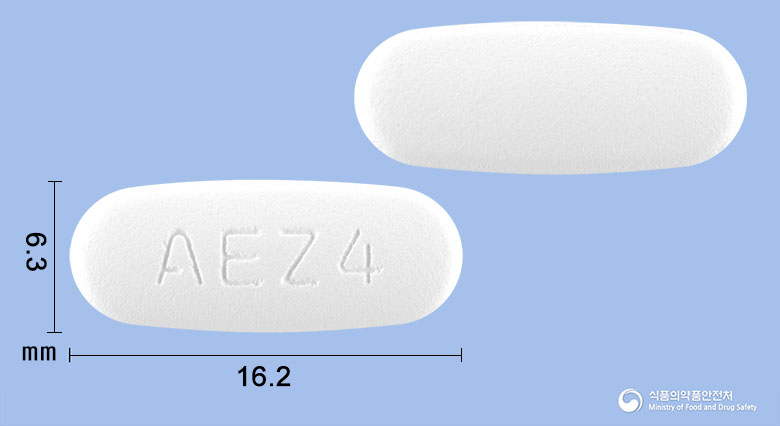
White rectangular film-coated tablet
30 tablets/box (10 tablets/PTP packaging (Alu-Alu) x3) 30 tablets/bottle, 100 tablets/bottle
Even with the same ingredient, strength, dosage form and how it is taken can differ.
Viewing nowCombinationEzetimibe 10mg · Atorvastatin Calcium Trihydrate 43.4mg
Tablet · Prescription medication · Combination
Daiwoo Bio Co., Ltd.
 Combination
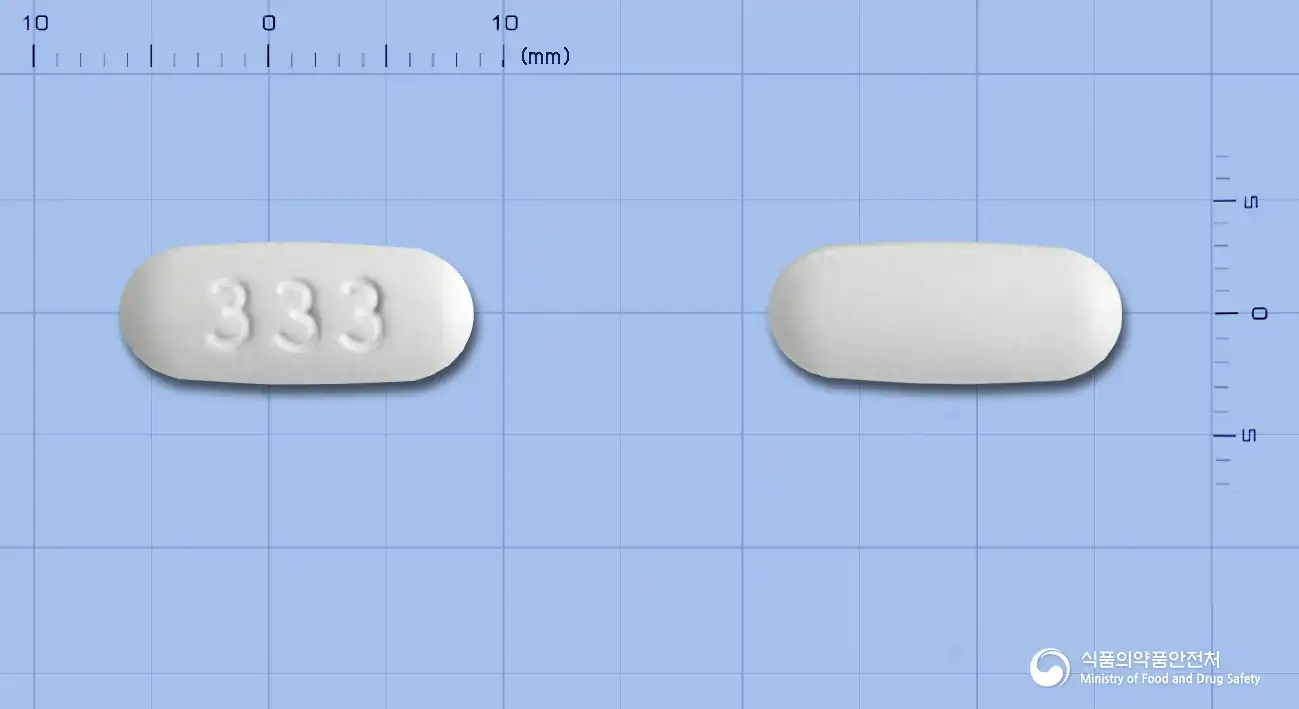
Ezetimibe 10mg · Atorvastatin Calcium Trihydrate 21.7mg
Tablet · Prescription medication · Combination
Korea Organon Co., Ltd.
 Combination
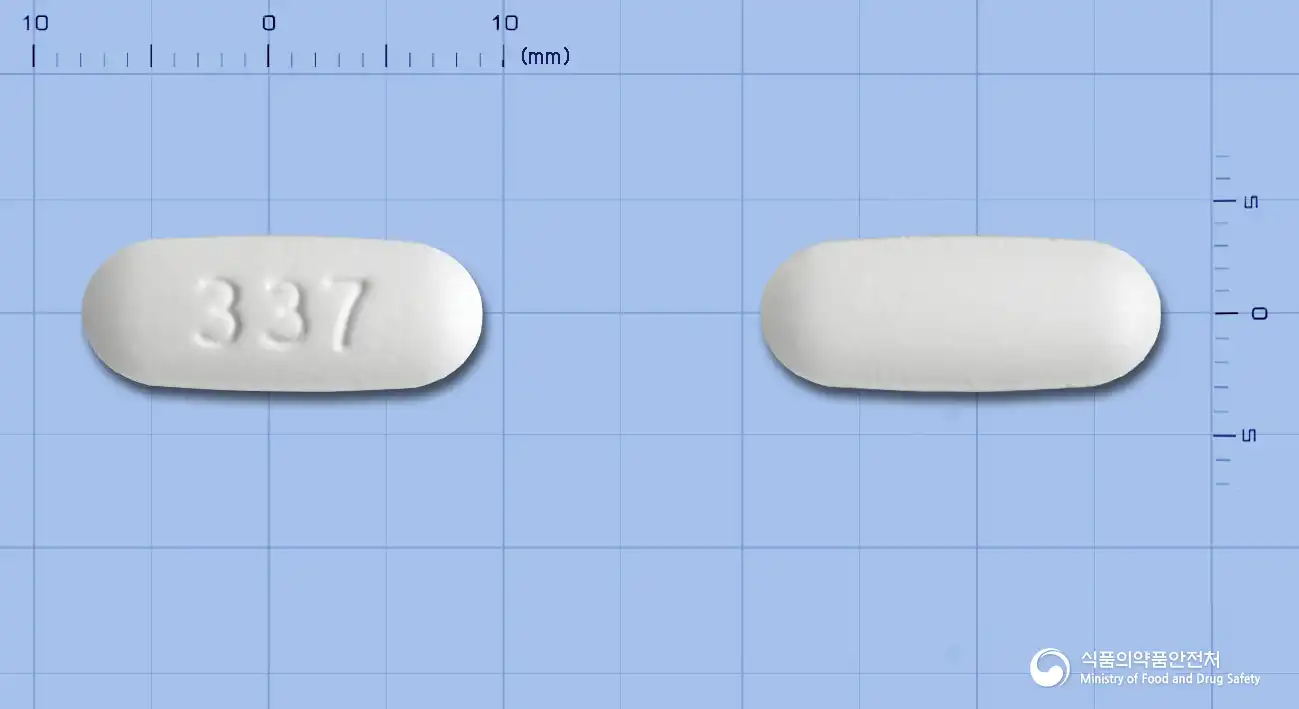
Ezetimibe 10mg · Atorvastatin Calcium Trihydrate 43.4mg
Tablet · Prescription medication · Combination
Korea Organon Co., Ltd.
 Combination
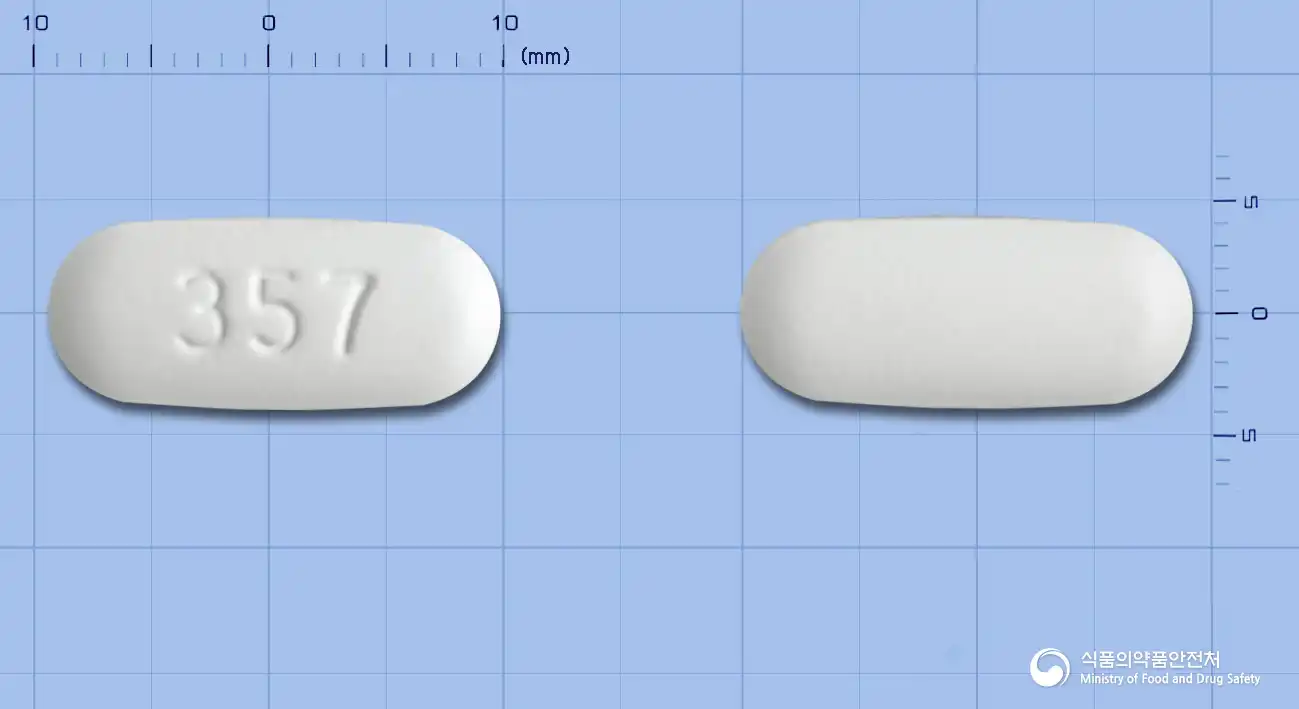
Ezetimibe 10mg · Atorvastatin Calcium Trihydrate 86.8mg
Tablet · Prescription medication · Combination
Korea Organon Co., Ltd.
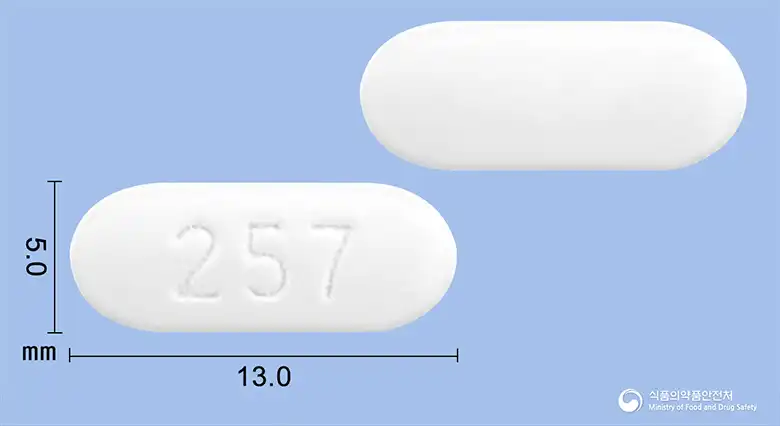 Combination
Ezetimibe 10mg · Atorvastatin Calcium Trihydrate 10.9mg
Tablet · Prescription medication · Combination
Korea Organon Co., Ltd.
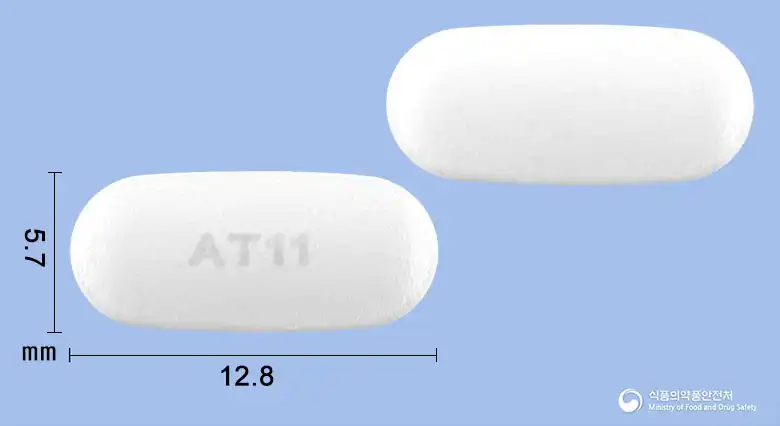 Combination
Atorvastatin Calcium 10.85mg · Ezetimibe 10mg
Tablet · Prescription medication · Combination
Korea HuTex Pharmaceutical Co., Ltd.
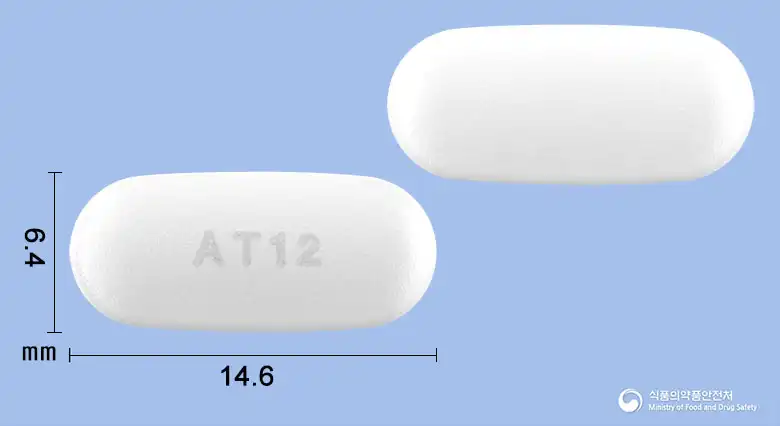 Combination
Atorvastatin Calcium 21.7mg · Ezetimibe 10mg
Tablet · Prescription medication · Combination
Korea HuTex Pharmaceutical Co., Ltd.
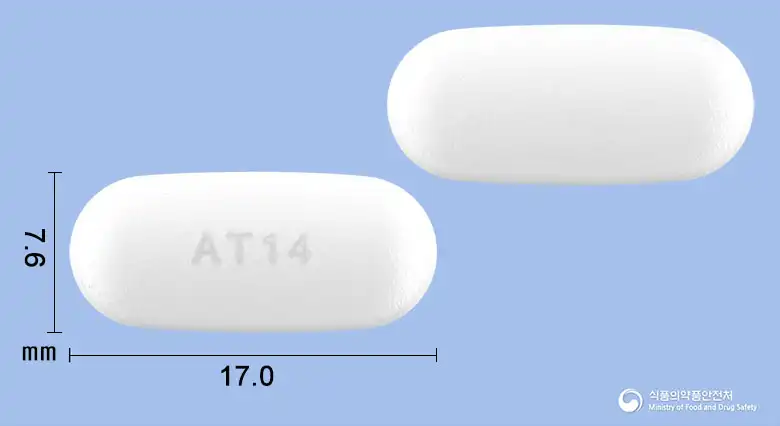 Combination
Atorvastatin Calcium 43.4mg · Ezetimibe 10mg
Tablet · Prescription medication · Combination
Korea HuTex Pharmaceutical Co., Ltd.
Even with the same ingredient, the dose and directions can differ by strength and dosage form. Talk to a doctor or pharmacist before switching from a medication you are already taking.
No questions yet.
For anything that needs medical judgment, consult a doctor or pharmacist.
This drug information is based on data provided by the Korea Ministry of Food and Drug Safety.
Consult a doctor or pharmacist for accurate dosage, administration, and usage instructions.