
 한국어
 English
 日本語
 中文(简体)
 Viewing nowCombination
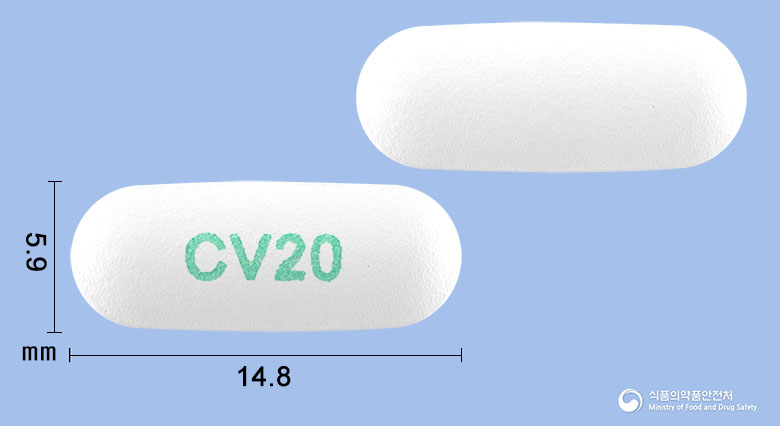
Atorv 10/20mg Tablets
Ezetimibe 10mg · Atorvastatin Calcium Trihydrate 21.7mg
Tablet · Prescription medication · Combination
Korea Pavis Pharmaceutical Co., Ltd.
MFDS item code 202101493 · Approved 2021.02.18 · Insurance code 621804240
Improvement of primary and homozygous familial hypercholesterolemia and mixed dyslipidemia
This drug is used as an adjunct to diet to reduce elevated total cholesterol, LDL-cholesterol, Apo B, triglycerides, and non-HDL-cholesterol levels in patients with primary hypercholesterolemia, particularly heterozygous familial and non-familial, and mixed dyslipidemia. Additionally, it is administered as an adjunct treatment for patients with homozygous familial hypercholesterolemia, either in conjunction with other lipid-lowering therapies or when other treatments are ineffective. In patients with an increased risk of atherosclerotic vascular disease related to hypercholesterolemia, lipid control medications should be considered along with multiple risk factors, and the appropriate diet and non-pharmacological measures should always be utilized. Secondary causes of dyslipidemia should also be identified, as treatment may be necessary. This drug helps reduce the risk of cardiovascular disease with effective lipid level control.
Administer this medicine once daily, regardless of meals. Patients should continue a standard cholesterol-lowering diet before and during treatment with this medicine. The dose of this medicine should be adjusted according to the patient's baseline LDL cholesterol level, recommended treatment target, and response. Primary hypercholesterolemia The dosage range for this medicine is 10/10mg∼10/80mg once daily. The recommended initial dose is 10/10mg or 10/20mg once daily. For patients requiring a greater reduction in LDL cholesterol (55% or more), the recommended initial dose is 10/40mg once daily. After starting this medicine or adjusting the dose, check blood lipid levels at intervals of at least 2 weeks and adjust the dose accordingly. Homozygous familial hypercholesterolemia The recommended dose for patients with homozygous familial hypercholesterolemia is 10/40mg or 10/80mg once daily. Administer this medicine as an adjunct to other lipid-lowering therapy (e.g., LDL apheresis), or when other lipid-lowering therapy is not useful.
This drug may cause serious muscle problems, so if sudden muscle pain or weakness occurs, you should immediately inform your doctor. Especially in cases of serious infections, major surgery, trauma, electrolyte abnormalities, or other conditions that may affect kidney function, the use of this drug may need to be paused or stopped temporarily. Patients with allergies to any components in this drug, or patients with liver disease, muscle disorders, and women who are pregnant or breastfeeding should not use it. In addition, caution should be exercised in elderly patients, those with specific liver dysfunctions or alcohol addiction, hypothyroidism, reduced kidney function, and those with a history of muscle disease. Regular liver function tests should be conducted during treatment with this drug, and if symptoms of liver dysfunction (abdominal pain, jaundice, nausea, etc.) occur, immediate medical attention should be sought. This drug has many interactions with other medications, especially those metabolized in the liver or affecting muscles, so care must be taken when taken with such medications. Women of childbearing age should use appropriate contraception to avoid pregnancy while taking this medication and should discontinue use immediately if pregnancy occurs. Dizziness and other symptoms may occur, so caution is required when driving or operating machinery. Safety in pediatric patients has not been established, so this drug is not recommended for children. There is no specific antidote for overdose, so treatment should be symptomatic, and liver function and muscle status should be monitored. This drug should be kept out of reach of children and should not be transferred to another container.
Not everyone experiences these, and they can vary from person to person.
This drug should be stored in a tightly closed container to avoid exposure to air or moisture, and it is important to keep it at room temperature between 1°C and 30°C. Maintaining appropriate temperature and storage conditions will help preserve the drug's efficacy and safety for a long time.
White or off-white rectangular film-coated tablet
30 tablets/box [10 tablets/Alu-Alu*3]
Even with the same ingredient, strength, dosage form and how it is taken can differ.
Viewing nowCombinationEzetimibe 10mg · Atorvastatin Calcium Trihydrate 21.7mg
Tablet · Prescription medication · Combination
Korea Pavis Pharmaceutical Co., Ltd.
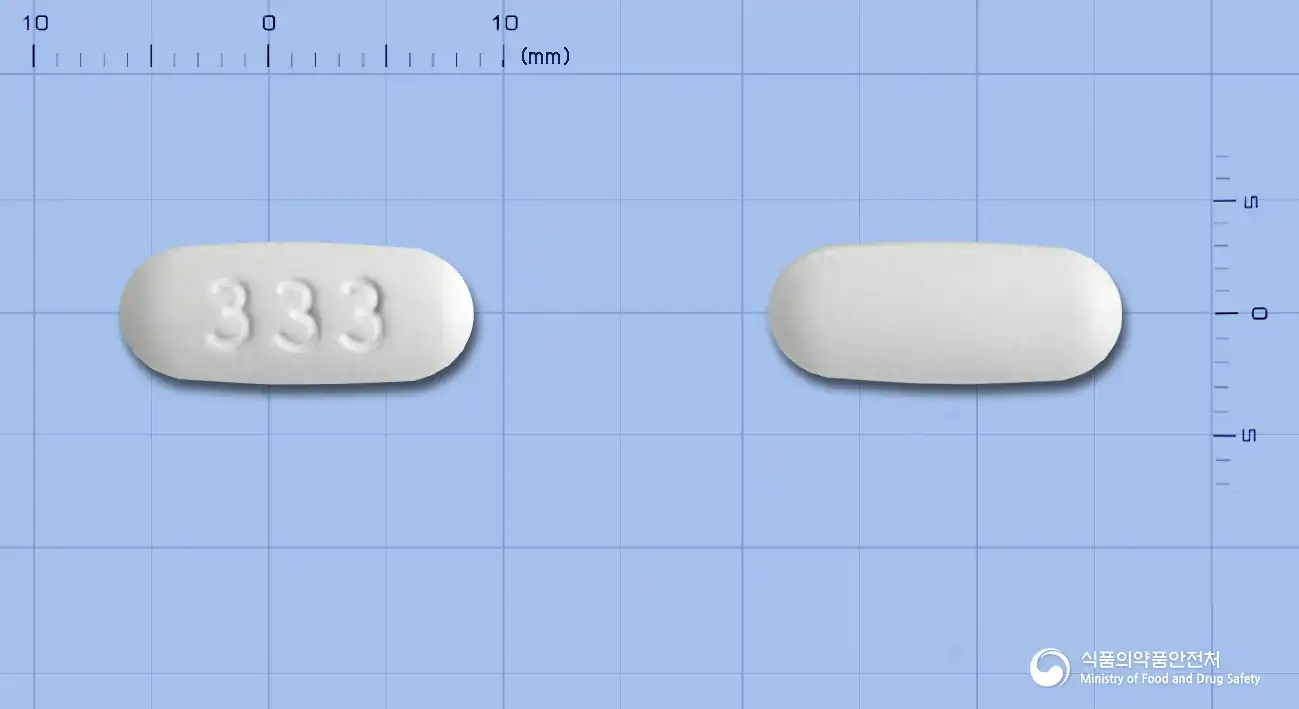 Combination
Ezetimibe 10mg · Atorvastatin Calcium Trihydrate 21.7mg
Tablet · Prescription medication · Combination
Korea Organon Co., Ltd.
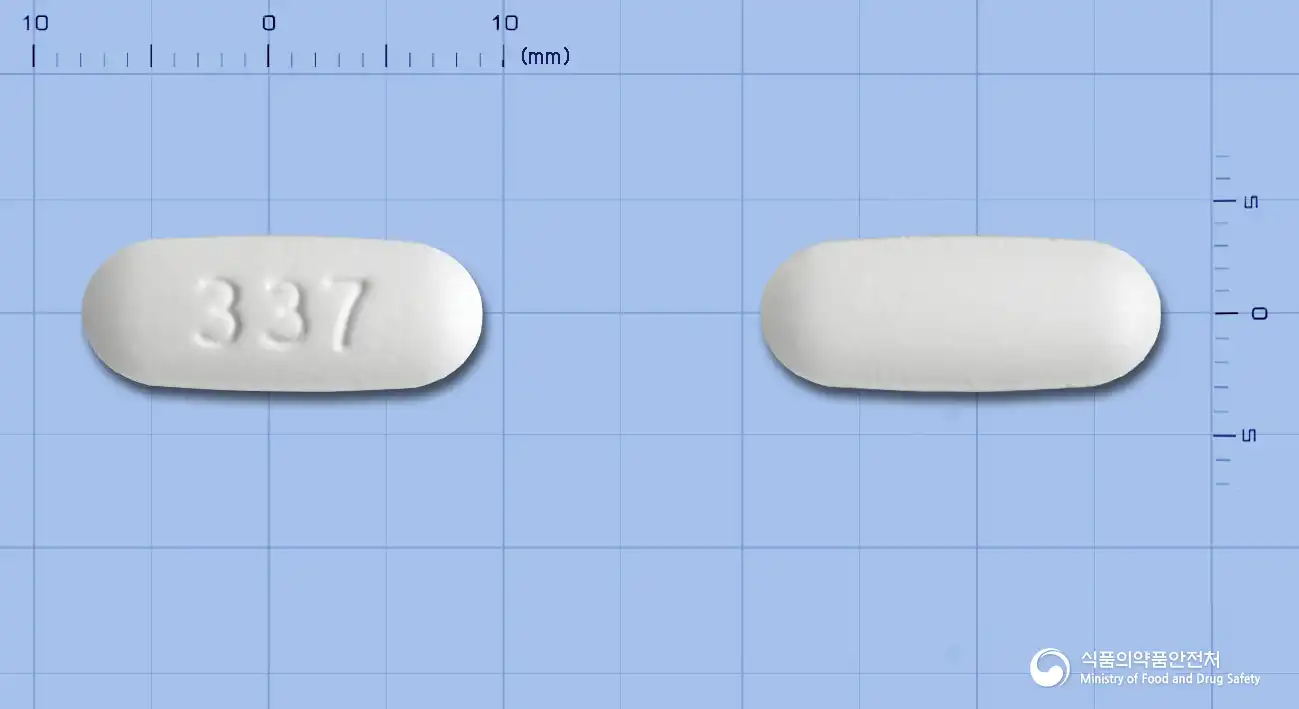 Combination
Ezetimibe 10mg · Atorvastatin Calcium Trihydrate 43.4mg
Tablet · Prescription medication · Combination
Korea Organon Co., Ltd.
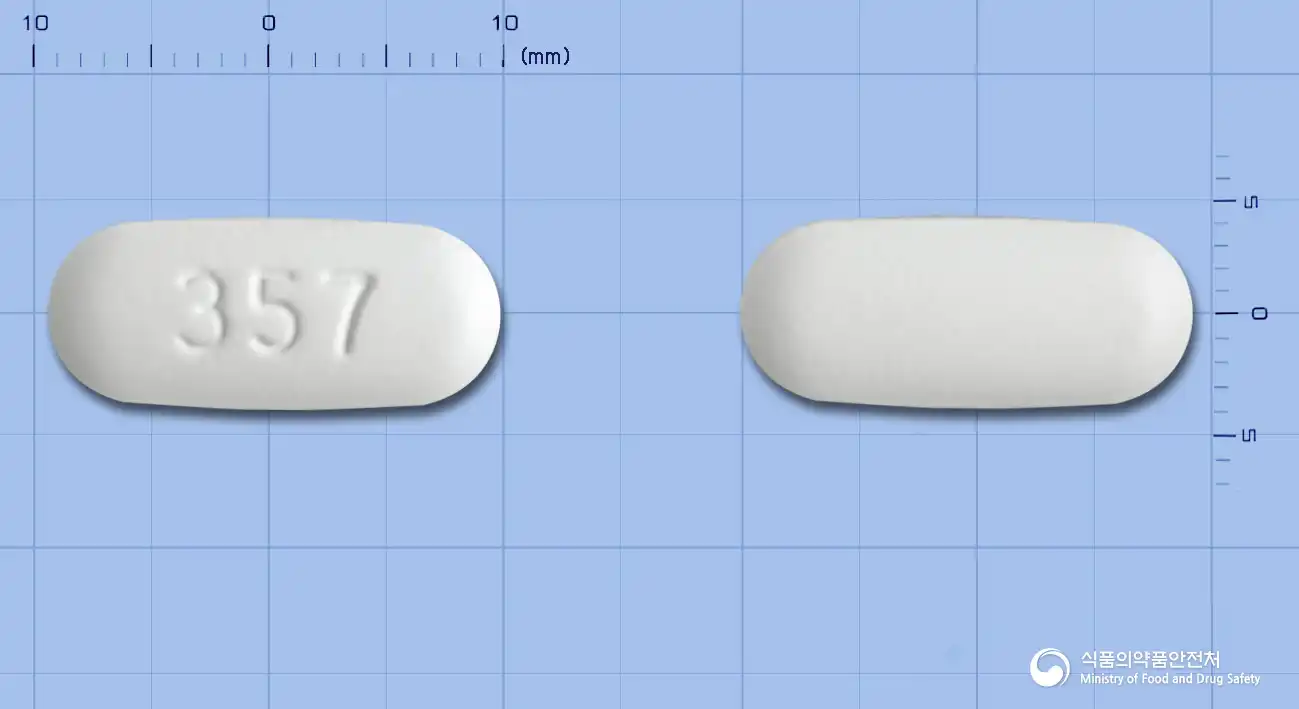 Combination
Ezetimibe 10mg · Atorvastatin Calcium Trihydrate 86.8mg
Tablet · Prescription medication · Combination
Korea Organon Co., Ltd.
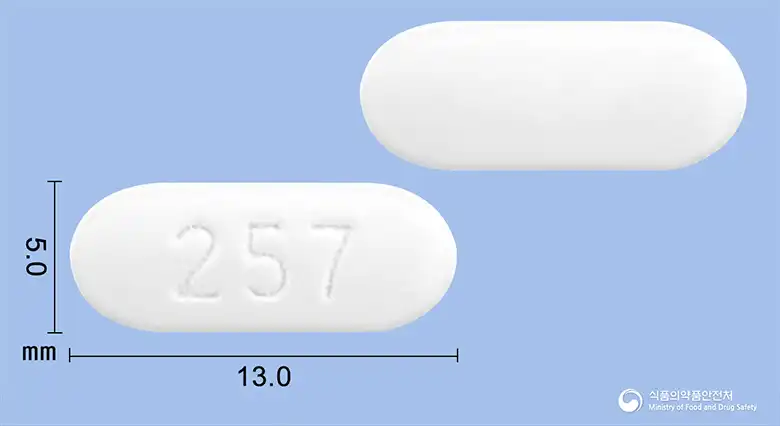 Combination
Ezetimibe 10mg · Atorvastatin Calcium Trihydrate 10.9mg
Tablet · Prescription medication · Combination
Korea Organon Co., Ltd.
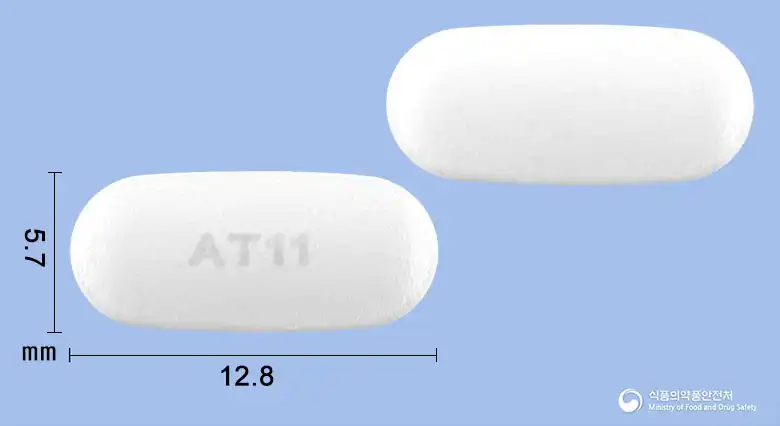 Combination
Atorvastatin Calcium 10.85mg · Ezetimibe 10mg
Tablet · Prescription medication · Combination
Korea HuTex Pharmaceutical Co., Ltd.
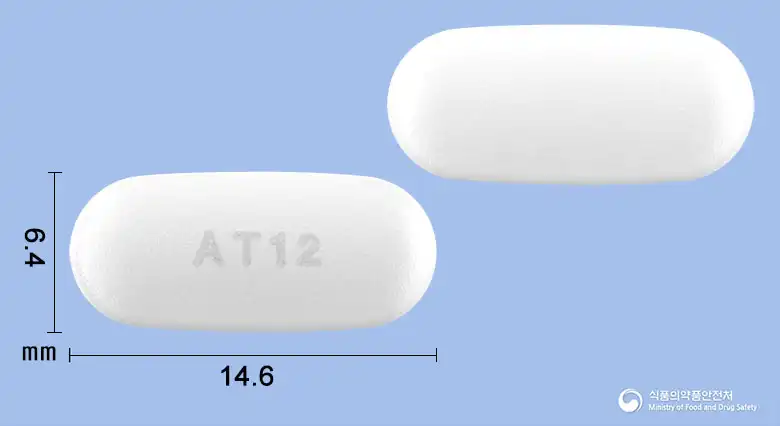 Combination
Atorvastatin Calcium 21.7mg · Ezetimibe 10mg
Tablet · Prescription medication · Combination
Korea HuTex Pharmaceutical Co., Ltd.
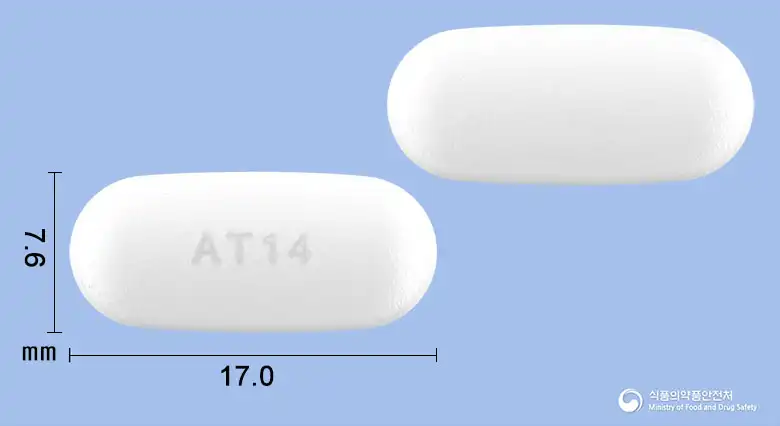 Combination
Atorvastatin Calcium 43.4mg · Ezetimibe 10mg
Tablet · Prescription medication · Combination
Korea HuTex Pharmaceutical Co., Ltd.
Even with the same ingredient, the dose and directions can differ by strength and dosage form. Talk to a doctor or pharmacist before switching from a medication you are already taking.
No questions yet.
For anything that needs medical judgment, consult a doctor or pharmacist.
This drug information is based on data provided by the Korea Ministry of Food and Drug Safety.
Consult a doctor or pharmacist for accurate dosage, administration, and usage instructions.