
 한국어
 English
 日本語
 中文(简体)
Dosage form image
Viewing nowPregabalin Capsule 150 mg (Pregabalin)
Pregabalin 150mg
Prescription medication
AhnGuk Pharmaceutical Co., Ltd.
MFDS item code 202009394 · Approved 2020.12.31
This product's status changed to Expired on 2025.12.31. It may no longer be sold, so consult a doctor or pharmacist before taking it.
Treatment of neuropathic pain and fibromyalgia, adjunctive treatment of partial-onset seizures
This medication is used for treating peripheral and central neuropathic pain in adults. It is also effective as an adjunct for partial seizures in patients with epilepsy, whether or not accompanied by secondary generalized symptoms. Additionally, it is utilized for the treatment of fibromyalgia, helping to relieve pain. In summary, this medication is used to improve and treat the symptoms of various neurological disorders.
This medicine is administered orally as pregabalin, with the total daily dose divided into 2 doses, with or without food. Because this medicine is primarily excreted by the kidneys, the dose should be adjusted in patients with impaired renal function. (Refer to section ‘5. Patients with renal impairment’) 1. Neuropathic pain 1) Peripheral neuropathic pain Adults: This medicine may be administered at an initial dose of 150 mg/day. Based on the response and tolerability of each patient, the dose may be increased to 300 mg/day after 3 to 7 days. If necessary, it may subsequently be increased at 7-day intervals up to a maximum of 600 mg/day. 2) Central neuropathic pain Adults: This medicine may be administered at an initial dose of 150 mg/day. Based on the response and tolerability of each patient, the dose may be increased to 300 mg/day after 1 week. After an additional 1 week, it may be increased to the target daily dose of 600 mg. If the target daily dose is not tolerated, dose reduction may be considered. (Refer to section ‘4. Discontinuation of treatment’) 2. Epilepsy Adults: This medicine may be administered at an initial dose of 150 mg/day. Based on the response and tolerability of each patient, the dose may be increased to 300 mg/day after 1 week. If necessary, it may subsequently be increased at 7-day intervals up to a maximum of 600 mg/day. 3. Fibromyalgia The recommended dose of this medicine for fibromyalgia is 300 mg to 450 mg/day. The starting dose is 75 mg twice daily (150 mg/day), and based on efficacy and tolerability, it may be increased to 150 mg twice daily (300 mg/day) within 1 week. For patients who do not experience sufficient benefit at a dose of 300 mg/day, the dose may be increased to 225 mg twice daily (450 mg/day) within 1 week. Clinical studies have also been conducted at a dose of 600 mg/day, but there is no evidence of additional benefit or adequate tolerability at this dose. In view of dose-dependent adverse reactions, doses exceeding 450 mg/day are not recommended. 4. Discontinuation of treatment Based on current clinical experience, when discontinuing this medicine, it should be tapered gradually over a period of at least 1 week. 5. Patients with renal impairment Because the clearance of this medicine is directly affected by creatinine clearance, dose reductions in patients with impaired renal function should be individualized based on creatinine clearance. Creatinine clearance (CLcr), (mL/min) ≥60: starting dose 150 (mg/day), maximum dose 600 (mg/day), BID or TID Creatinine clearance (CLcr), (mL/min) ≥30 -<60: starting dose 75 (mg/day), maximum dose 300 (mg/day), BID or TID Creatinine clearance (CLcr), (mL/min) ≥15 -<30: starting dose 25-50 (mg/day), maximum dose 150 (mg/day), QD or BID Creatinine clearance (CLcr), (mL/min) <15: starting dose 25 (mg/day), maximum dose 75 (mg/day), QD Supplemental dose after hemodialysis: starting dose 25, maximum dose 100, single dose b TID = total daily dose divided into 3 doses BID = total daily dose divided into 2 doses QD = once daily a: The total daily dose (mg/day) should be divided as specified under the dosing regimen. b: The supplemental dose refers to an additional dose administered as a single dose. In patients undergoing hemodialysis, the daily dose of pregabalin should be adjusted based on renal function. In addition to the daily dose based on renal function, a supplemental dose should be administered promptly after each 4-hour hemodialysis session. 6. Patients with hepatic impairment No dose adjustment is necessary in patients with hepatic impairment. 8. Elderly patients (65 years of age or older) Dose reduction may be necessary in elderly patients with impaired renal function.
Children under 12 years of age: Use is not recommended because sufficient safety and efficacy data are not available. Adolescent patients aged 12 to 17 years: Use is not recommended because sufficient safety and efficacy data are not available.
This medication may increase the risk of suicidal thoughts or behaviors, so any symptoms of depression or mood changes during use must be reported to a healthcare professional immediately. It should not be administered to patients with allergies to its ingredients or certain genetic disorders. Diabetic patients may need to adjust the dosage of blood sugar control medications due to weight gain, and should stop taking the medication immediately if signs of an allergic reaction such as swelling of the face or neck occur. Elderly patients should be cautious as dizziness or drowsiness may increase while taking this medication, and should consult a healthcare professional if they experience vision changes like blurred vision. Abruptly discontinuing this medication may lead to withdrawal symptoms such as insomnia, headache, and anxiety, so it's advisable to taper off gradually under medical supervision. Due to the risk of drug abuse, patients with a history of substance abuse should take special precautions. Patients with heart disease or severe congestive heart failure should be cautious when taking this medication, especially when combined with opioid analgesics, as it may increase the risk of central nervous system depression. Patients with impaired respiratory function or the elderly may be at risk of severe respiratory depression, so dose adjustment may be necessary. During early pregnancy, there may be an increased risk of fetal malformations, so it is recommended not to take this medication during pregnancy. Women of childbearing age should use effective contraceptive methods. Women who are breastfeeding should consult with healthcare professionals as this medication may be passed into breast milk and affect the baby. Care should be taken when engaging in hazardous activities like driving or operating machinery, as dizziness or drowsiness may occur due to this medication. In case of overdose, symptoms such as confusion, drowsiness, and depression may appear, and treatment such as hemodialysis may be necessary. This medication should be stored out of reach of children, and care should be taken not to transfer it to other containers, as this may affect its quality.
Not everyone experiences these, and they can vary from person to person.
This medication should be stored in a tightly sealed container to avoid exposure to air or moisture, preferably at a temperature between 15°C and 30°C.
A hard capsule with a white upper part and a white lower part containing a white powder that is white or pale yellow.
30 capsules/bottle, 60 capsules/bottle
Even with the same ingredient, strength, dosage form and how it is taken can differ.
Pregabalin 150mg
Prescription medication
AhnGuk Pharmaceutical Co., Ltd.
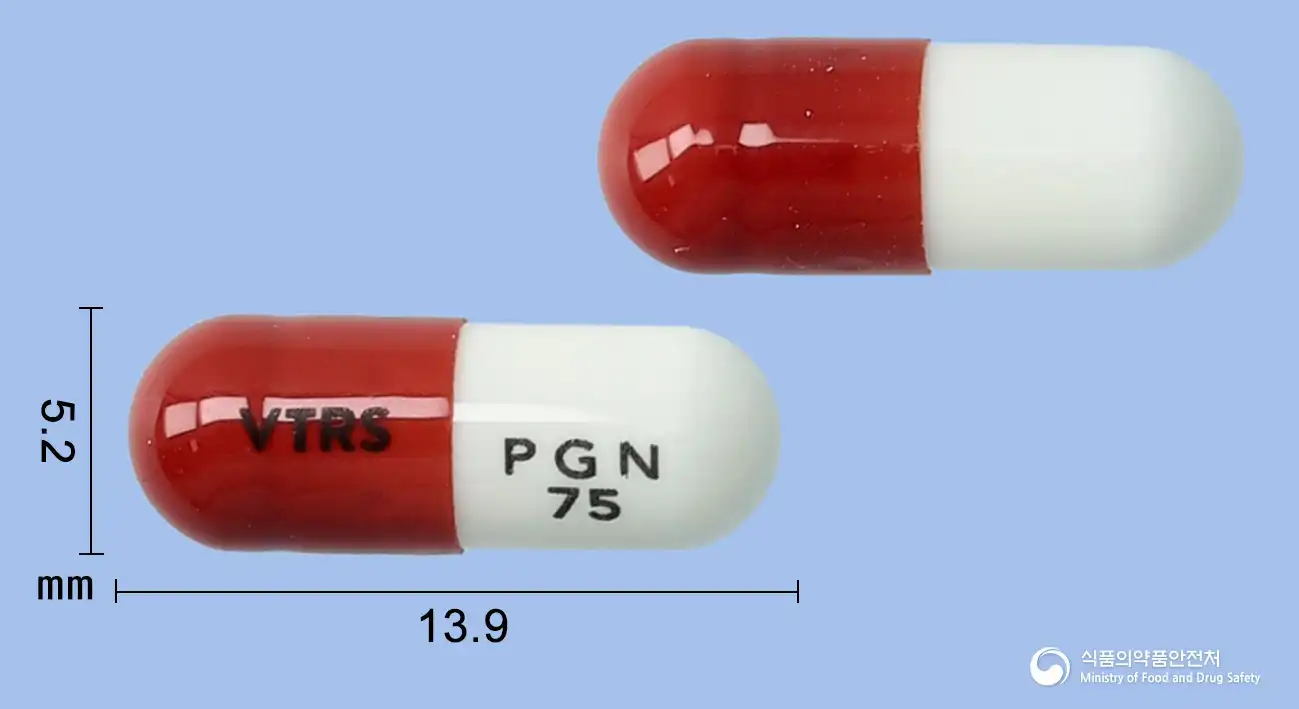
Pregabalin 75mg
Hard capsule · Prescription medication
Viatris Korea Co., Ltd.
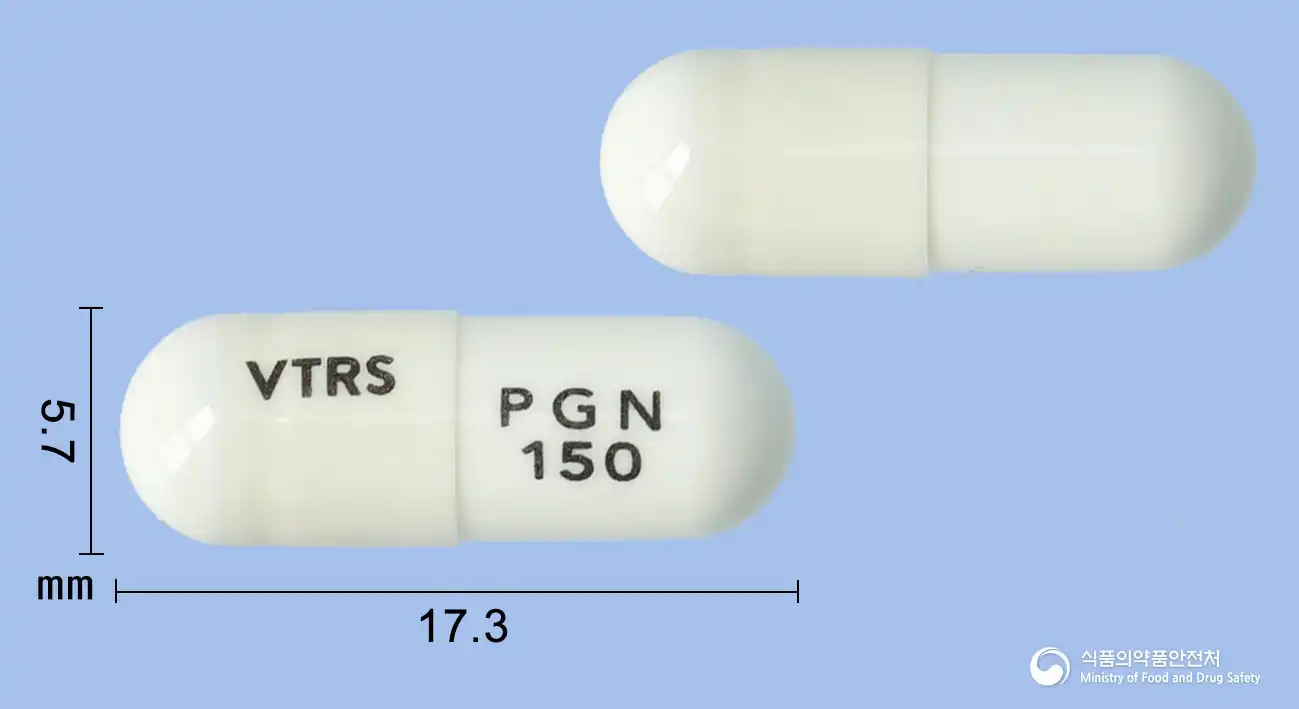
Pregabalin 150mg
Hard capsule · Prescription medication
Viatris Korea Co., Ltd.
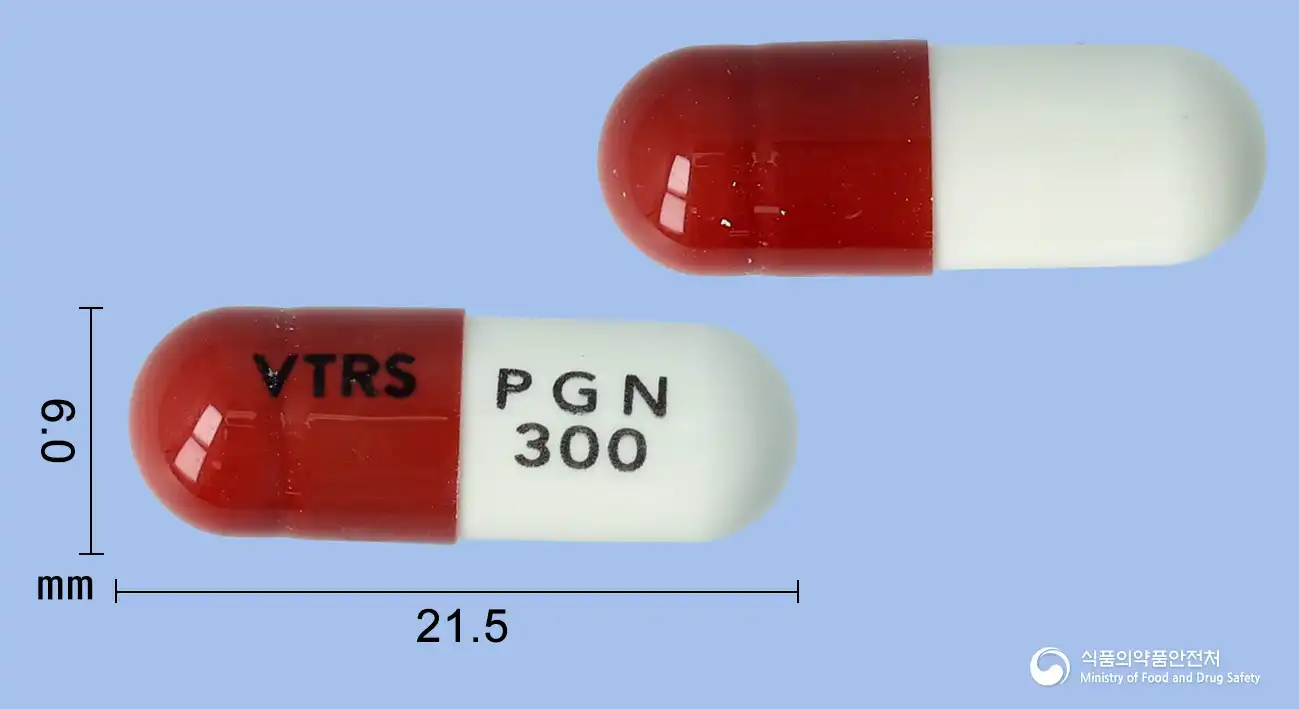
Pregabalin 300mg
Hard capsule · Prescription medication
Viatris Korea Co., Ltd.
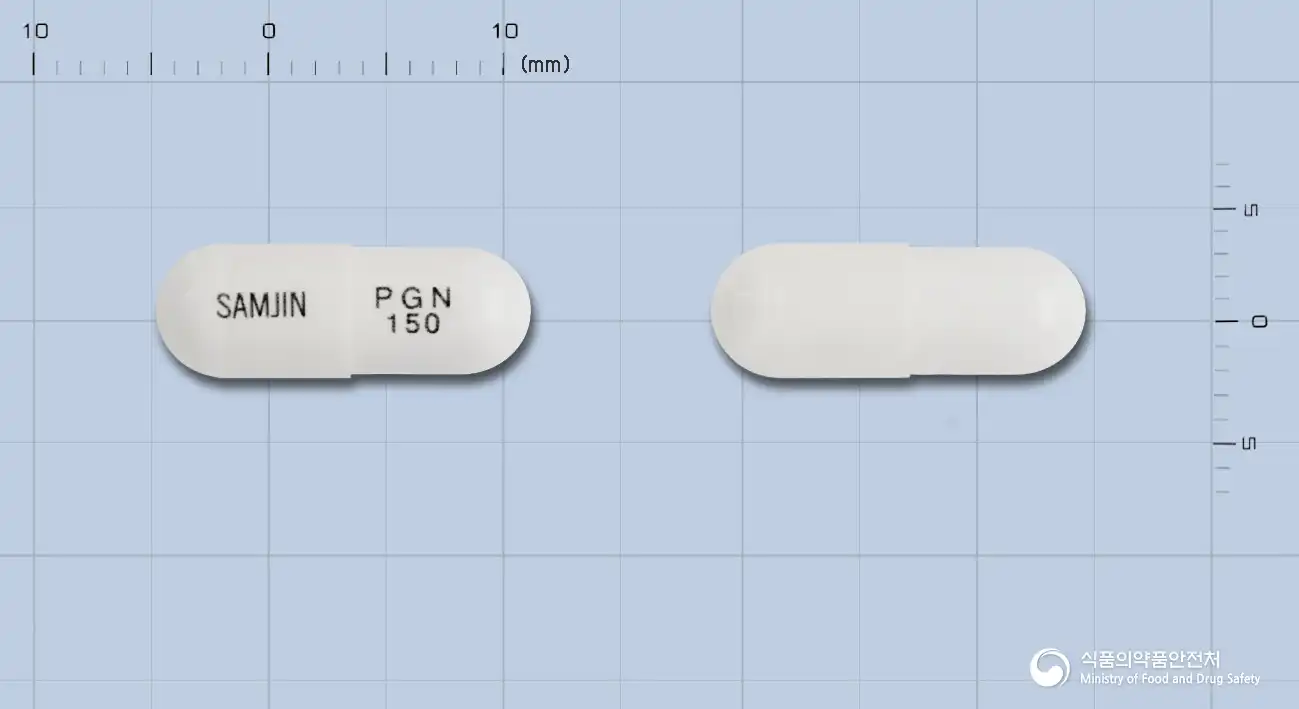
Pregabalin 150mg
Hard capsule · Prescription medication
Samjin Pharmaceutical Co., Ltd.
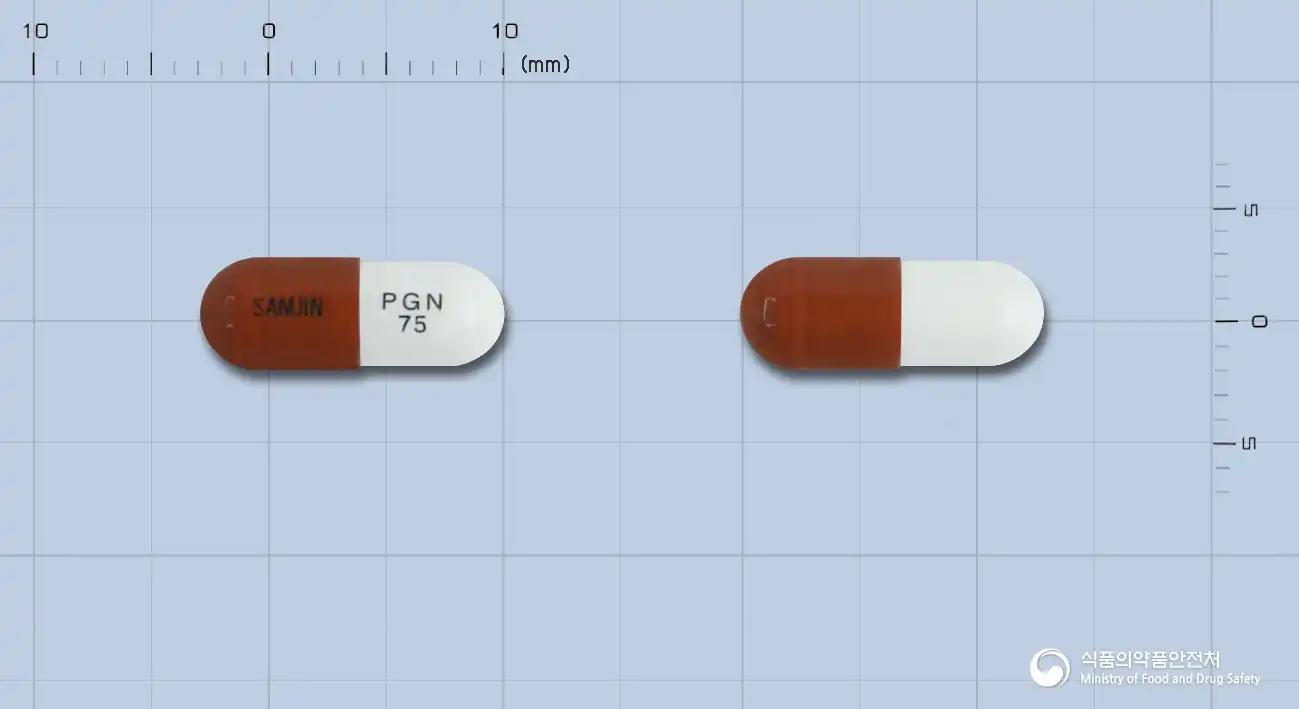
Pregabalin 75mg
Hard capsule · Prescription medication
Samjin Pharmaceutical Co., Ltd.
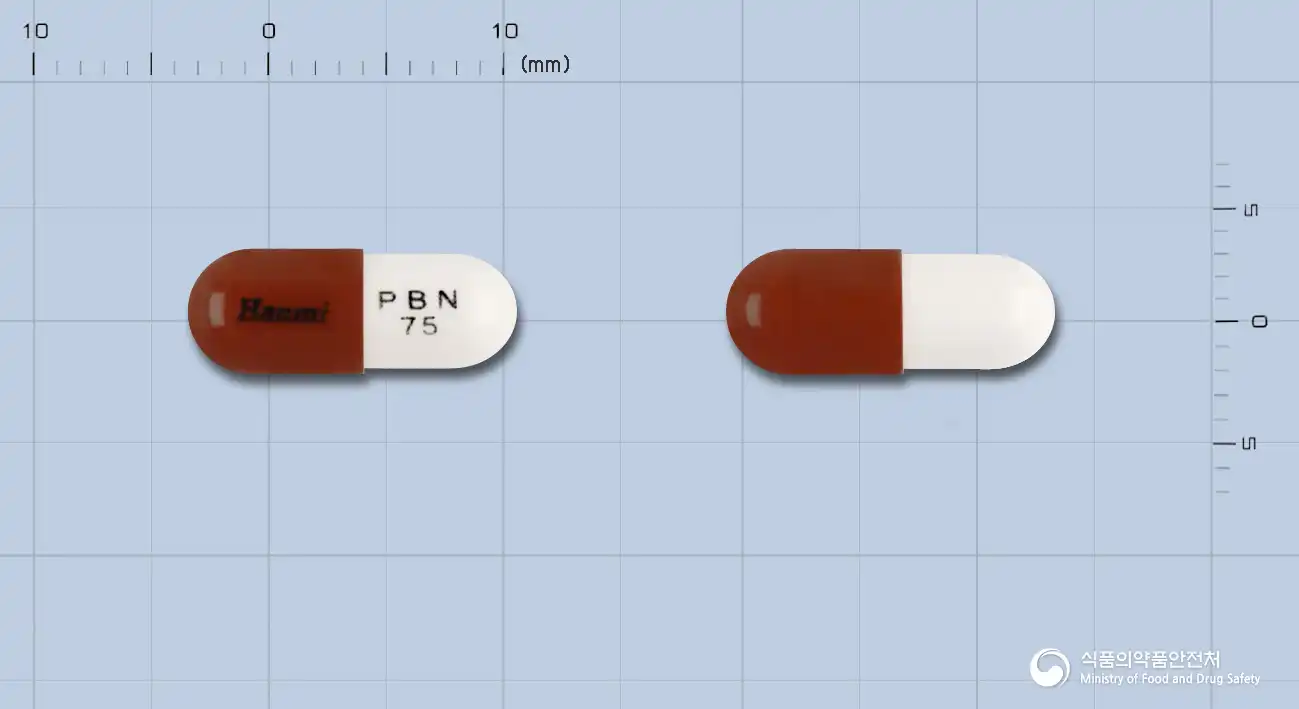
Pregabalin 75mg
Hard capsule · Prescription medication
Hanmi Pharm. Co., Ltd.
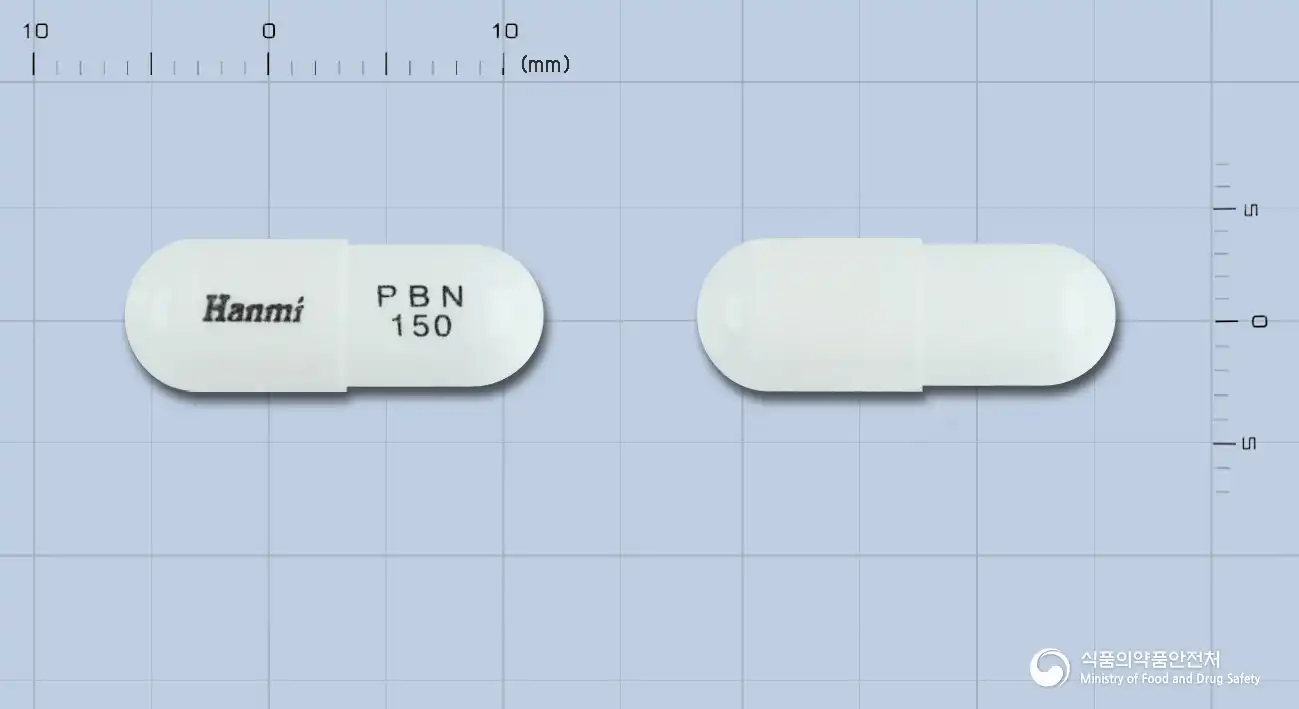
Pregabalin 150mg
Hard capsule · Prescription medication
Hanmi Pharmaceutical Co., Ltd.
Even with the same ingredient, the dose and directions can differ by strength and dosage form. Talk to a doctor or pharmacist before switching from a medication you are already taking.
No questions yet.
For anything that needs medical judgment, consult a doctor or pharmacist.
This drug information is based on data provided by the Korea Ministry of Food and Drug Safety.
Consult a doctor or pharmacist for accurate dosage, administration, and usage instructions.