
 한국어
한국어 English
 日本語
日本語 中文(简体)
 Viewing nowCombination
Palm Comfort Tablet
Magnesium Aluminometasilicate 40mg · Sodium Bicarbonate 50mg +6 more
Tablet · OTC medication · Combination
Cosmax Pharma Co., Ltd.
MFDS item code 202009163 · Notified 2020.12.23
Improvement of excessive stomach acid and digestive discomfort (such as abdominal bloating)
This medication is used to relieve gastrointestinal symptoms such as excessive stomach acid, heartburn, abdominal discomfort, and bloating. It also improves symptoms like stomach pain, nausea, vomiting, and belching caused by dyspepsia, and helps with digestive issues due to loss of appetite and overeating. It is effective in promoting comfort in the stomach and enhancing digestive function, thereby improving overall digestive disorders. Thus, this medication is used to enhance stomach health and alleviate dyspeptic symptoms.
Adults: 2 tablets per dose, 3 times a day after meals
This medication contains lactose, so it should not be used by individuals with genetic diseases that impair lactose digestion. Those who have experienced allergic reactions, are taking other medications, have kidney or liver problems, and are currently undergoing treatment by a physician should use this medication with caution. This medication contains the dye Yellow No. 4, and people with allergies to this ingredient should be especially careful. If allergic symptoms such as rash or itching occur while taking this medication, it should be stopped immediately and a specialist consulted. Additionally, rarely, drowsiness, dizziness, lethargy, and headaches may occur; if these symptoms arise, stop taking the medication and consult a doctor or pharmacist. Constipation or dry mouth symptoms may also occur rarely, so it is advisable to consult a specialist if these symptoms occur. Symptoms such as rapid heartbeat or elevated liver function tests may occur, so inform medical personnel of any unusual symptoms. Individuals with high blood pressure, older individuals, those with heart or kidney problems, and those with edema should consult a doctor or pharmacist before taking this medication. If there is a reduction in urine output, swelling of the face or extremities, heaviness of the eyelids, stiffness in the hands, elevated blood pressure or headaches while taking this medication, it should be stopped immediately and a specialist consulted. With long-term use, side effects such as hypokalemia or fluid retention may occur, so regular blood tests should be conducted to monitor the condition. If symptoms such as muscle weakness, cramps, or paralysis occur, stop taking the medication and seek medical attention. When taken with potassium-containing medications, licorice, or certain diuretics, the risk of side effects may increase, so caution should be exercised in such cases. The prescribed dosage and administration should be strictly followed; if symptoms do not improve after taking the medication for more than two weeks, stop taking it and consult a specialist. It is advisable not to take this medication along with gastrointestinal analgesics or antispasmodics. Children under 15 years of age, pregnant women, and nursing mothers should not take this medication. When storing, keep it out of reach of children, avoid direct sunlight, and store in a cool, dry place. Additionally, it is important not to transfer it to another container to maintain quality.
Not everyone experiences these, and they can vary from person to person.
Do not take this medication with gastrointestinal analgesics or antispasmodics. Consult a doctor or pharmacist if taken with potassium-containing preparations, loop diuretics (furosemide, ethacrynic acid), or thiazide diuretics (trichlormethiazide).
Caution is required when taken with licorice-containing preparations, glycyrrhizin, or its salts.
This medication is sensitive to light, so it should be stored in a light-resistant, airtight container. It is also recommended to keep the medication at a temperature between 1°C and 30°C (33.8°F and 86°F). This helps to maintain the effectiveness of the medication for a longer period.
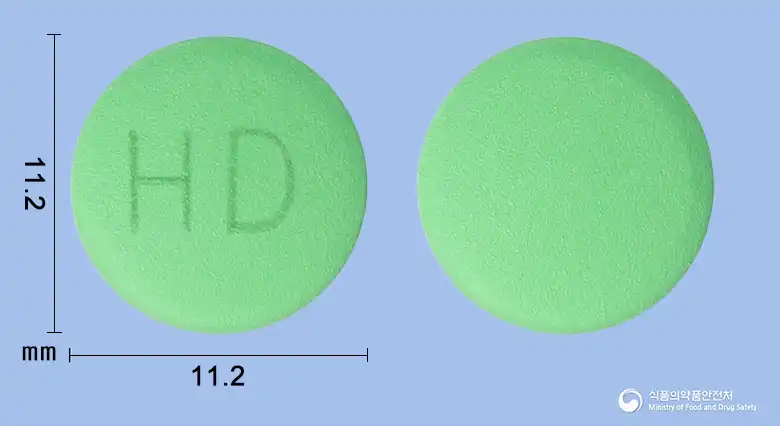
Green round film-coated tablet
For domestic use - 30 tablets/box [10 tablets/PTPX3], For domestic use - 2 tablets/pack
Even with the same ingredient, strength, dosage form and how it is taken can differ.
Viewing nowCombinationMagnesium Aluminometasilicate 40mg · Sodium Bicarbonate 50mg +6 more
Tablet · OTC medication · Combination
Cosmax Pharma Co., Ltd.
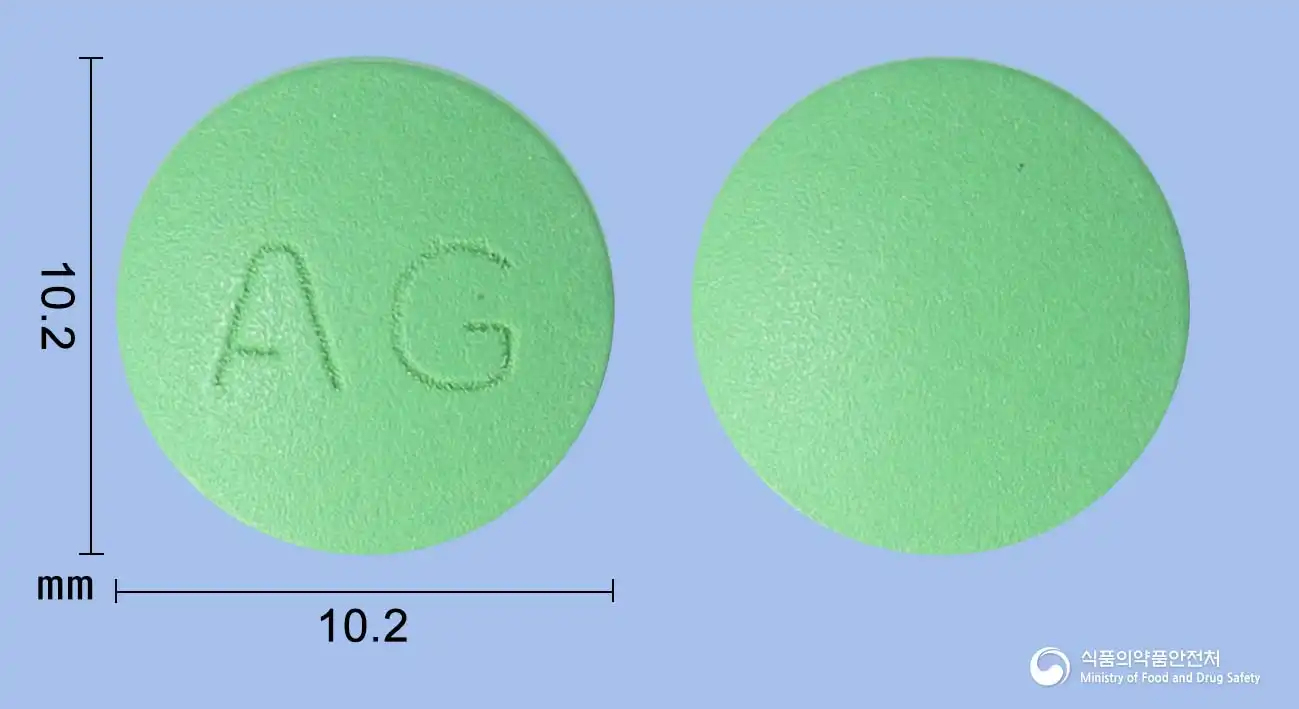 Combination
Magnesium Aluminometasilicate 25.45mg · Sodium Bicarbonate 31.82mg +6 more
Tablet · OTC medication · Combination
Anguk Pharmaceutical Co., Ltd.
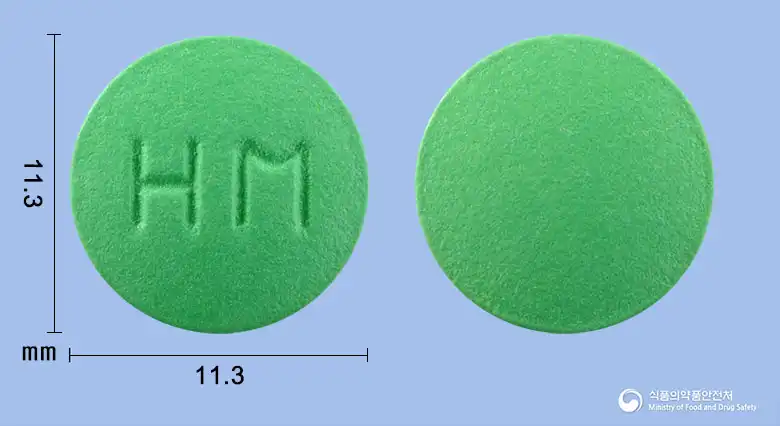 Combination
Magnesium Aluminometasilicate 40mg · Sodium Bicarbonate 50mg +6 more
Tablet · OTC medication · Combination
Hanmi Pharmaceutical Co., Ltd.
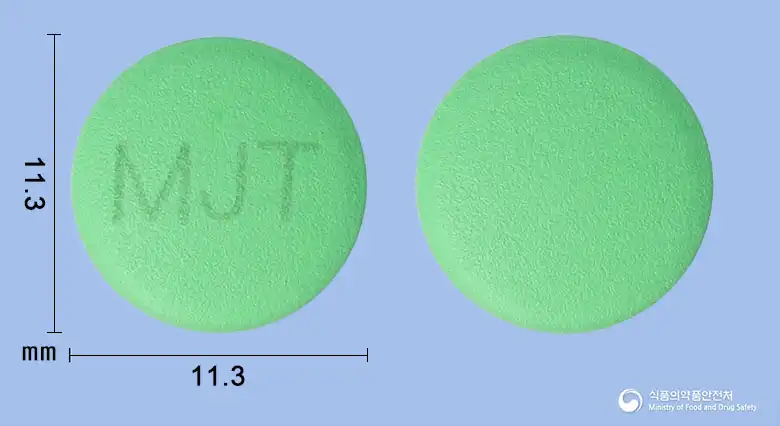 Combination
Magnesium Aluminometasilicate 40mg · Sodium Bicarbonate 50mg +6 more
Tablet · OTC medication · Combination
(Co., Ltd.) Mothers Pharmaceuticals
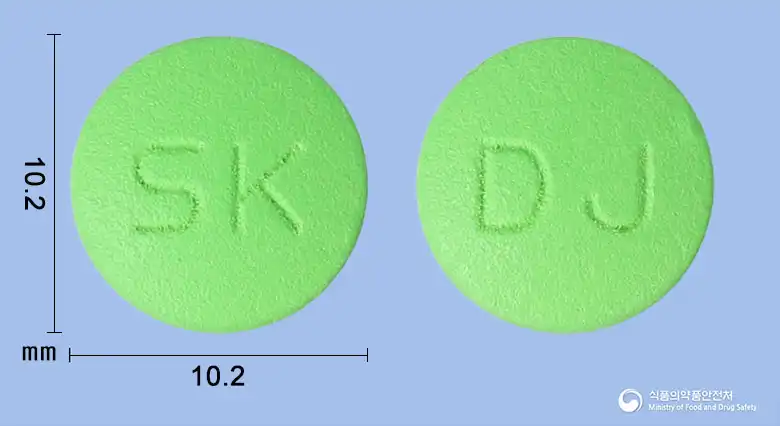 Combination
Precipitated Calcium Carbonate 100mg · Sodium Bicarbonate 50mg +6 more
Tablet · OTC medication · Combination
SK Chemicals Co., Ltd.
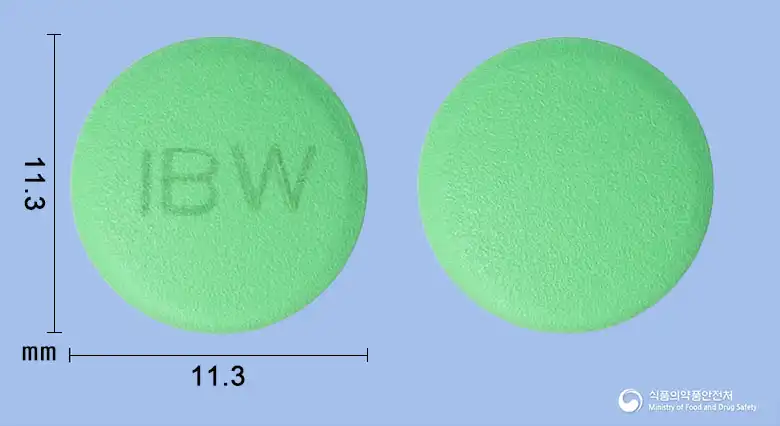 Combination
Magnesium Aluminometasilicate 40mg · Sodium Bicarbonate 50mg +6 more
Tablet · OTC medication · Combination
Il Yang Biopharm Co., Ltd.
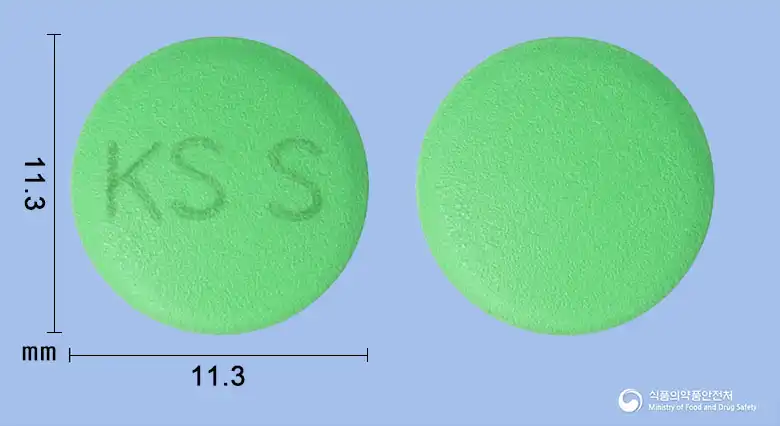 Combination
Magnesium Aluminometasilicate 40mg · Sodium Bicarbonate 50mg +6 more
Tablet · OTC medication · Combination
Aprogen Biologics Co., Ltd.
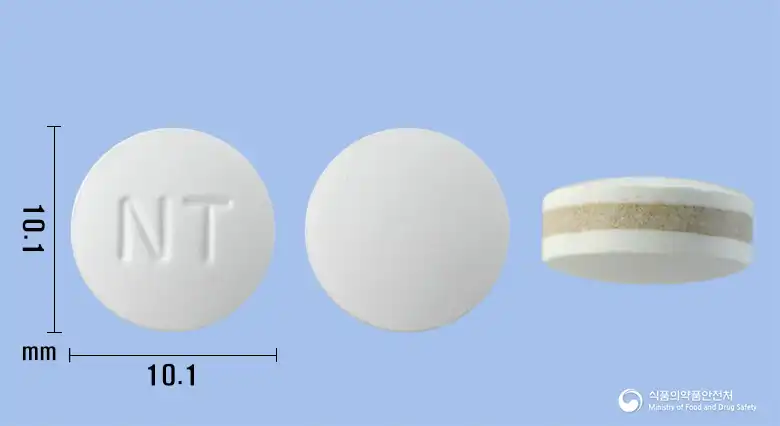 Combination
Magnesium Aluminometasilicate 25.45mg · Sodium Bicarbonate 31.82mg +6 more
Tablet · OTC medication · Combination
Anguk New Pharm Co., Ltd.
Even with the same ingredient, the dose and directions can differ by strength and dosage form. Talk to a doctor or pharmacist before switching from a medication you are already taking.
QI am currently taking traditional medicine with licorice.
Answers 1 · 2026.09.14
QI feel drowsy and dizzy after taking it; is it safe to drive?
Answers 1 · 2026.09.14
For anything that needs medical judgment, consult a doctor or pharmacist.
This drug information is based on data provided by the Korea Ministry of Food and Drug Safety.
Consult a doctor or pharmacist for accurate dosage, administration, and usage instructions.