
 한국어
 English
 日本語
 中文(简体)
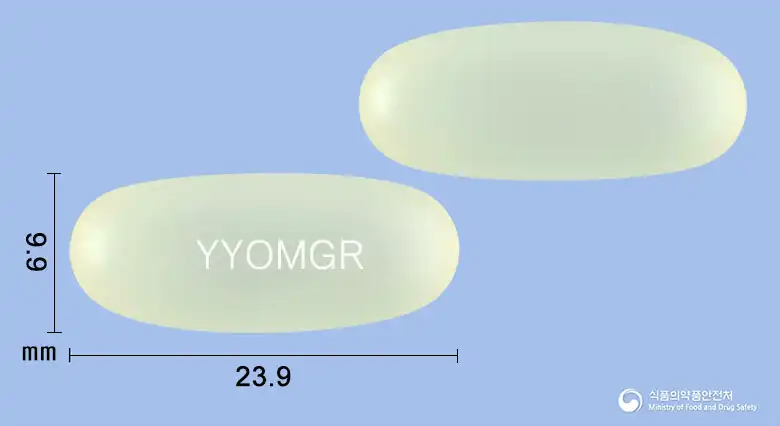 Viewing nowCombination
Newmacol Soft Capsule
Omega-3-Acid Ethyl Esters 90 1000mg · Rosuvastatin Calcium 5.2mg
Soft capsule · Prescription medication · Combination
Yuyu Pharmaceutical Co., Ltd.
MFDS item code 202008413 · Approved 2020.12.01 · Insurance code 644503220
Treatment of mixed dyslipidemia in adults at high risk of coronary heart disease
Rosuvastatin monotherapy effectively lowers LDL cholesterol levels in high-risk adult patients with coronary artery disease, helping to reduce the risk of cardiovascular diseases. However, patients with mixed dyslipidemia who cannot adequately control triglyceride levels may require additional management. Therefore, it is used to improve blood lipid levels by focusing on controlling LDL cholesterol.
Patients should follow a standard cholesterol-lowering diet before and during treatment and continue it throughout the treatment period. This drug is for adults only. To avoid gastrointestinal discomfort, take 2~4 capsules once daily with food (each capsule contains omega-3-acid ethyl esters 1,000mg/rosuvastatin 5mg). Patients taking omega-3-acid ethyl esters and rosuvastatin concomitantly may switch to this drug (a combination product with the same content of each active ingredient) for convenience.
This medication should not be used in certain patients. For example, it should not be administered to patients with allergies to any of its components or with liver function issues. Additionally, it should not be used in patients with muscle diseases, those taking certain immunosuppressants, patients with severe renal impairment, pregnant or nursing women, or children under 18 years of age. When administering this medication, liver function and muscle condition should be periodically monitored, and if symptoms such as muscle pain or weakness occur, the physician should be notified immediately. Patients with renal impairment, hypothyroidism, a history of genetic muscle diseases, or those with alcohol abuse should be particularly cautious. The medication should be administered carefully to patients with a history of liver disease or heavy alcohol consumption, and it is important to test liver enzyme levels before and after treatment. Also, if symptoms such as severe muscle pain, weakness, or fever arise while taking this medication, it is crucial to consult medical personnel immediately. This medication may interact with other drugs, so it is important to inform healthcare providers about any medications currently being taken. In particular, concomitant use with immunosuppressants, certain antibiotics, antifungals, or fibrate medications may increase the risk of muscle-related side effects. Pregnant or nursing women should avoid using this medication, and women who may become pregnant should use appropriate contraception. Safety and efficacy have not been fully established in elderly patients or children, so caution is necessary. While taking this medication, patients should maintain a diet and exercise regimen for health management, and regular check-ups are necessary to assess treatment effectiveness. In case of overdose, there is no specific antidote, so treatment is symptomatic, and monitoring of liver function and muscle enzyme levels is necessary. Finally, this medication should be stored out of the reach of children and not transferred to another container.
muscle pain, facial paralysis, nasopharyngitis, periodontitis, upper respiratory infection, headache, Parkinson's disease, gastritis, erythema, joint pain, increased tear secretion, presbyopia, ovarian cancer, elevated ALT, elevated AST, elevated γ-GT, increased alkaline phosphatase in blood, increased potassium in blood, hypokalemia, cholelithiasis, angioedema, diabetes, dizziness, constipation, nausea, abdominal pain, pancreatitis, pruritus, rash, urticaria, myopathy, rhabdomyolysis, asthenia, polyneuropathy, amnesia, peripheral neuropathy, cough, dyspnea, diarrhea, thrombocytopenia, jaundice, hepatitis, elevated transaminases, Stevens-Johnson syndrome, drug reaction with eosinophilia and systemic symptoms, lupus-like syndrome, muscle rupture, joint pain, immune-mediated necrotizing myopathy, hematuria, edema, depression, sleep disorders, interstitial lung disease, sexual dysfunction, gynecomastia, liver failure, cognitive impairment, headache, dizziness, chest pain, muscle pain, elevated CK, constipation, elevated AST, asthenia, joint pain, fatigue, numbness, paresthesia, chest discomfort, nausea, abdominal pain, diarrhea, loss of appetite, abdominal distension, abnormal liver function tests, syncope, generalized pain, muscle cramps, gout, erectile dysfunction, low back pain, cold symptoms, pain, angina, dyspepsia, belching, rash, taste disturbance, abdominal distension, body odor, chest pain, chills, suicide, fever, generalized edema, fungal infection, fatigue, throat pain, tumor, rheumatoid arthritis, sudden death, viral infection, arrhythmia, cardiac arrest, hyperlipidemia, hypertension, migraine, myocardial infarction, myocardial ischemia, obstruction, peripheral vascular disorders, syncope, tachycardia, loss of appetite, dry mouth, swallowing difficulties, colitis, fecal incontinence, gastritis, gastroenteritis, gastrointestinal disorders, increased appetite, intestinal obstruction, melena, pancreatitis, postprandial somnolence, vomiting, fishy odor, reflux, nausea, bloating, diarrhea, lymphadenopathy, edema, hyperglycemia, increased ALT and AST, arthritis, pathological fracture, tendon disorders, central nervous system tumors, emotional instability, insomnia, vasodilation, vertigo, asthma, bronchitis, frequent coughing, epistaxis, laryngitis, pharyngitis, pneumonia, rhinitis, sinusitis, hair loss, eczema, sweating, cataracts, cervical dysplasia, endometrial tumor, epididymitis, atrial fibrillation
Not everyone experiences these, and they can vary from person to person.
This medication may be sensitive to air and moisture, so it should be stored in a tightly closed container. It is advisable to maintain a storage temperature between 1 degree and 30 degrees Celsius. Proper storage can safely preserve the efficacy of the medication.
A white film-coated soft capsule filled with a pale yellow oily substance.
8 capsules/PTP[X4], 8 capsules/PTP[X7], 8 capsules/PTP[X10], 8 capsules/PTP[X12], 10 capsules/PTP[X10], 30 capsules/bottle
Even with the same ingredient, strength, dosage form and how it is taken can differ.
Viewing nowCombinationOmega-3-Acid Ethyl Esters 90 1000mg · Rosuvastatin Calcium 5.2mg
Soft capsule · Prescription medication · Combination
Yuyu Pharmaceutical Co., Ltd.
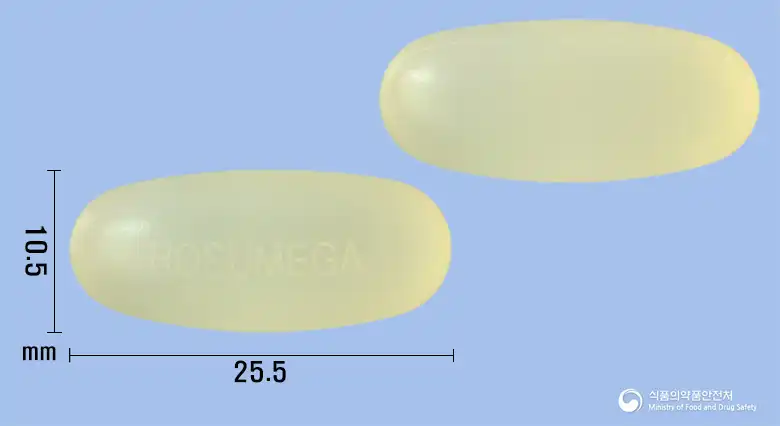 Combination
Omega-3-Acid Ethyl Esters 90 1000mg · Rosuvastatin Calcium 5.2mg
Soft capsule · Prescription medication · Combination
Gunil Pharmaceutical Co., Ltd.
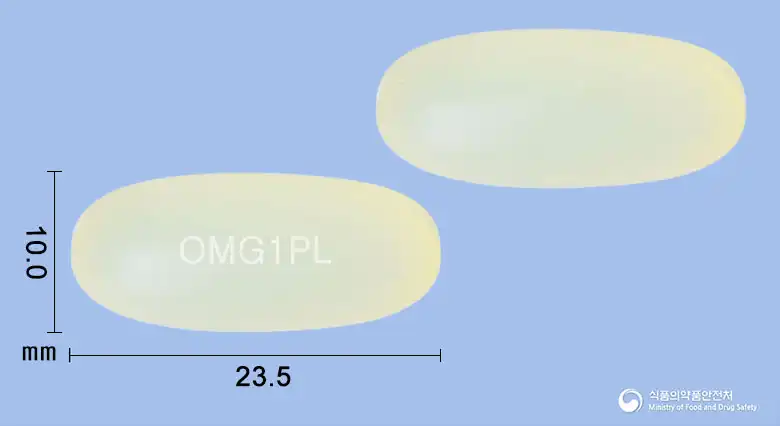 Combination
Omega-3-Acid Ethyl Esters 90 · Rosuvastatin Calcium
Soft capsule · Prescription medication · Combination
Hana Pharmaceutical Co., Ltd.
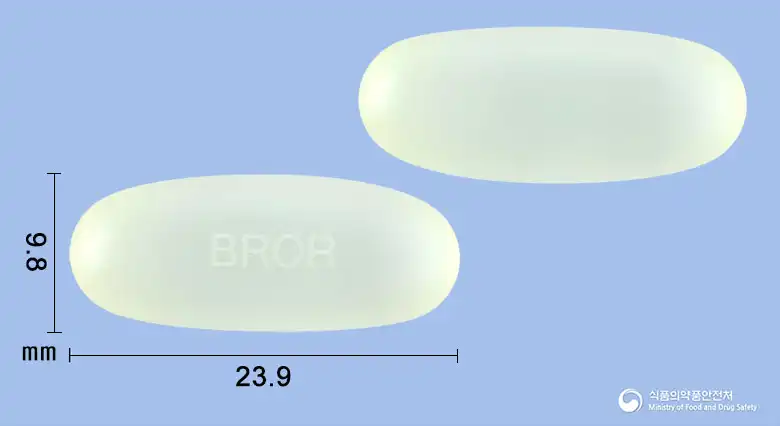 Combination
Omega-3-Acid Ethyl Esters 90 1000mg · Rosuvastatin Calcium 5.2mg
Soft capsule · Prescription medication · Combination
Boryung Co., Ltd.
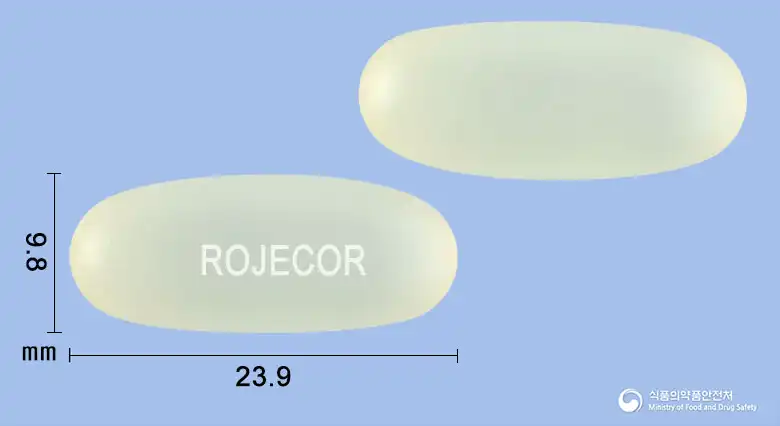 Combination
Omega-3-Acid Ethyl Esters 90 1000mg · Rosuvastatin Calcium 5.2mg
Soft capsule · Prescription medication · Combination
Jeil Pharmaceutical Co., Ltd.
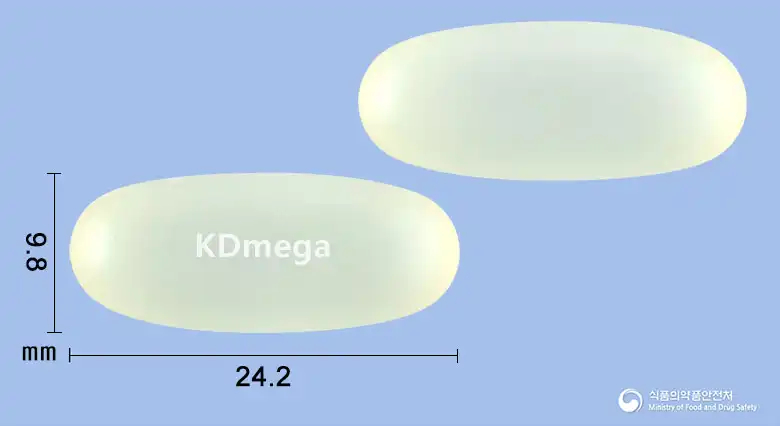 Combination
Omega-3-Acid Ethyl Esters 90 1000mg · Rosuvastatin Calcium 5.2mg
Soft capsule · Prescription medication · Combination
Kyungdong Pharmaceutical Co., Ltd.
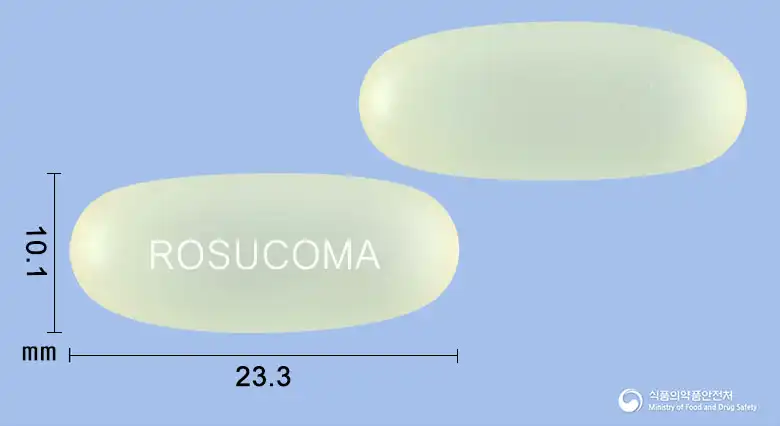 Combination
Omega-3-Acid Ethyl Esters 90 1000mg · Rosuvastatin Calcium 5.2mg
Soft capsule · Prescription medication · Combination
Korea Hutech Pharma Co., Ltd.
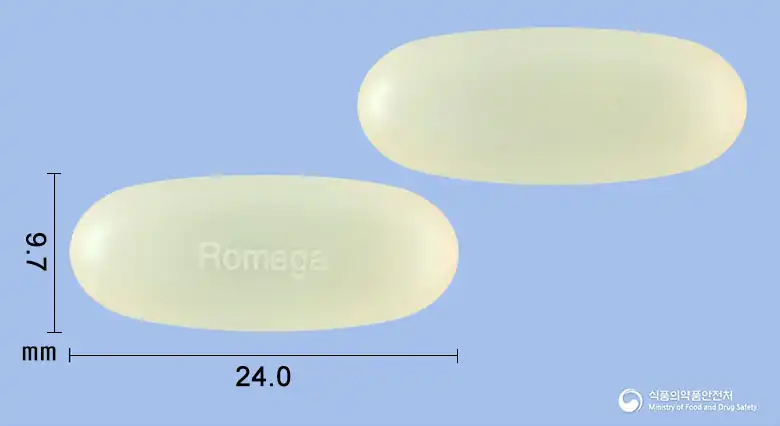 Combination
Omega-3-Acid Ethyl Esters 90 1000mg · Rosuvastatin Calcium 5.2mg
Soft capsule · Prescription medication · Combination
Gunil Biopharm Co., Ltd.
Even with the same ingredient, the dose and directions can differ by strength and dosage form. Talk to a doctor or pharmacist before switching from a medication you are already taking.
No questions yet.
For anything that needs medical judgment, consult a doctor or pharmacist.
This drug information is based on data provided by the Korea Ministry of Food and Drug Safety.
Consult a doctor or pharmacist for accurate dosage, administration, and usage instructions.