
 한국어
 English
 日本語
 中文(简体)
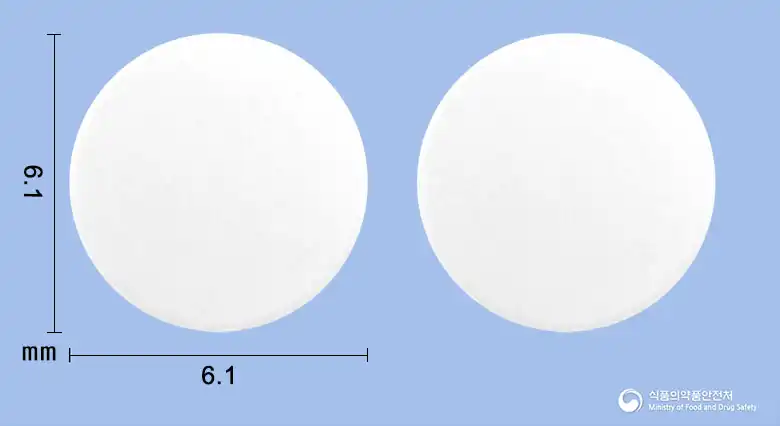
Dosage form image
Viewing nowCombinationSescon Plus Tablet
Desogestrel 0.15mg · Ethinyl Estradiol 0.03mg
Tablet · OTC medication · Combination
GL Pharma Co., Ltd.
MFDS item code 202008127 · Approved 2020.11.23
This product's status changed to Approval withdrawn on 2025.02.18. It may no longer be sold, so consult a doctor or pharmacist before taking it.
Prevention of pregnancy through contraception
This medication is used for the purpose of contraception.
1. How to take The tablets should be taken every day at approximately the same time, with water, in the order shown on the pack. Take 1 tablet daily for 21 days, followed by a 7-day tablet-free interval, then start a new pack. Withdrawal bleeding usually occurs during the 7-day tablet-free interval. It generally starts 2~3 days after the last tablet is taken and may not have ended before the next pack is started. 2. How to start taking the tablets 1) If no hormonal contraceptive was used in the previous month Start taking the tablets on the first day of the woman’s natural cycle (i.e., the first day of menstruation). They may be started on days 2~5, but a barrier contraceptive method (e.g., condoms) should be used during the first 7 days of tablet-taking in the first cycle. 2) When switching from a combined hormonal contraceptive{combined oral contraceptive (COC), vaginal ring, or transdermal patch} If possible, start taking this medicine on the day after taking the last active tablet (the last tablet containing the active ingredient) of the previously used combined oral contraceptive, but no later than the day after the usual tablet-free interval or after taking the last placebo tablet of the previously used combined oral contraceptive. If using a vaginal ring or transdermal patch, start taking this medicine, if possible, on the day it is removed, but no later than the date on which the next use of these products (vaginal ring or transdermal patch) was scheduled. If the previous contraceptive method has been used consistently and correctly and it is certain that the woman is not pregnant, she may switch from the previous combined hormonal contraceptive on any day of its cycle. The tablet-free interval of the previous contraceptive method must never exceed the recommended duration. 3) When switching from a progestin-only method (tablet, injection, implant) or a progestin-releasing intrauterine system (IUS) This medicine may be started on any day while taking progestin-only tablets (on the day of removal for an implant or progestin-releasing intrauterine system, or on the date the next injection is due for an injectable). However, in all these cases, a barrier contraceptive method (e.g., condoms) should be used during the first 7 days. 4) After an abortion during the first 3 months of pregnancy You can start taking the tablets immediately. In this case, no additional contraceptive method is needed. 5) After delivery or an abortion between 4~6 months of pregnancy For breastfeeding women, refer to section 7. Administration to pregnant and breastfeeding women under Precautions for Use. You can start taking the tablets between 21~28 days after delivery or an abortion between 4~6 months of pregnancy. If you start taking the tablets later, use a barrier contraceptive method during the first 7 days after starting. However, if sexual intercourse has already occurred, pregnancy must be ruled out before starting the combined oral contraceptive, or you should wait until the first menstrual period. 3. If you forget to take a tablet 1) If less than 12 hours have elapsed since the scheduled time The contraceptive effect is maintained. Take 1 tablet as soon as you remember, and take the next tablet at the usual scheduled time. 2) If more than 12 hours have elapsed since the scheduled time The contraceptive effect may be reduced, so follow the instructions below according to these two principles. (1) The period without taking tablets must not exceed 7 days. (2) 7 consecutive days of tablet-taking are required for adequate suppression of the hypothalamic-pituitary-ovarian axis. ■ Week 1 Take the last missed tablet as soon as you remember. You may take 2 tablets at the same time. Then take the next tablet at the usual scheduled time. Use a barrier contraceptive method such as condoms during the first 7 days after taking the tablet. If sexual intercourse occurred during the previous 7 days, pregnancy is possible. The greater the number of tablets missed and the closer the missed tablets are to the regular tablet-free interval, the higher the risk of pregnancy. ■ Week 2 Take the last missed tablet as soon as you remember. You may take 2 tablets at the same time. Then take the next tablet at the usual scheduled time. If this medicine was taken continuously for 7 days immediately before the first missed tablet, no additional contraceptive method is needed. Otherwise, or if more than one tablet was missed, additional contraception should be used for the first 7 days after taking the tablet. ■ Week 3 Because the tablet-free interval is approaching, the risk of reduced contraceptive efficacy is high. However, a reduction in contraceptive efficacy can be prevented by adjusting the tablet-taking schedule as instructed below. If this medicine was taken continuously for 7 days immediately before the first missed tablet, no additional contraceptive method is needed if you choose either of the following two options. Otherwise, follow the first option and use additional contraception during the first 7 days. ① Take the last missed tablet as soon as you remember. You may take 2 tablets at the same time. Then take the next tablet at the usual scheduled time. Start taking tablets from the next pack as soon as the current pack is finished, without a tablet-free interval. Withdrawal bleeding may not occur until the tablets in the second pack have been finished, and breakthrough bleeding or spotting may occur while taking the tablets. ② Stop taking tablets from the current pack, have a tablet-free interval of 7 days, including the day you forgot to take a tablet, and then start taking tablets from a new pack. If withdrawal bleeding does not occur during the first regular tablet-free interval after you have forgotten a tablet and started the adjusted schedule, pregnancy should be considered. 4. Advice in case of gastrointestinal disorders In the case of severe gastrointestinal disorders, absorption may be incomplete, so additional contraceptive precautions should be taken. If vomiting occurs within 3~4 hours after taking this medicine, an additional tablet is required; follow the instructions in section "3. If you forget to take a tablet" for how to take it. If you wish to continue your regular dosing schedule, take the additional tablet needed from another new pack. 5. If you want to change or extend your cycle To extend the cycle, take tablets from a new pack of this medicine in sequence without a tablet-free interval. You can extend the cycle for as long as desired, until the second pack has been completed. Breakthrough bleeding or spotting may occur during the extended period. Then resume taking this medicine as usual after a 7-day tablet-free interval. To change the cycle to a different day than the current schedule, you can shorten the upcoming tablet-free interval by the desired number of days. The shorter the tablet-free interval, the greater the risk that withdrawal bleeding will not occur and that breakthrough bleeding and spotting will occur while taking the second pack (as when extending the cycle).
This medication can significantly increase the risk of severe cardiovascular side effects in women who smoke. Women over 35 years of age should not smoke while taking this medication, and smokers over 35 should not use this medication. This medication is contraindicated for patients with a history of thrombosis or cardiovascular diseases or specific blood coagulation disorders. Additionally, it should not be given to patients with severe liver dysfunction or liver tumors, or to those who are pregnant or suspected to be pregnant. While taking this medication, there may be an increased risk of serious vascular complications such as thrombosis, stroke, myocardial infarction, so if symptoms such as leg swelling, sudden chest pain, severe headaches, or vision changes occur, medical attention should be sought immediately. During the initial use, side effects such as breast tenderness, discomfort, and irregular bleeding may occur, but they usually resolve over time. However, if the bleeding pattern persists or worsens, consultation with a physician is necessary. This medication can interact with several drugs that affect liver metabolism, and co-administration of drugs that induce or inhibit certain liver enzymes can reduce the effectiveness of this medication or increase side effects. Therefore, if there are concomitant medications, healthcare professionals must be informed. This medication should not be used during pregnancy, and breastfeeding women should also avoid it as it can pass into breast milk and cause side effects in infants. When taking this medication, regular monitoring of blood pressure and health status should be conducted, and if any abnormal symptoms occur, immediate consultation with a medical institution is advised. Additionally, it should be stored in a safe place out of reach of children.
Not everyone experiences these, and they can vary from person to person.
This medication may be sensitive to air and moisture, so it should be stored in a sealed container. The storage temperature should be maintained at room temperature between 1 and 30 degrees Celsius. This will help to preserve the medication's efficacy for a prolonged period.
Pink round film-coated tablets
21 tablets/PTP
Even with the same ingredient, strength, dosage form and how it is taken can differ.
Desogestrel 0.15mg · Ethinyl Estradiol 0.03mg
Tablet · OTC medication · Combination
GL Pharma Co., Ltd.
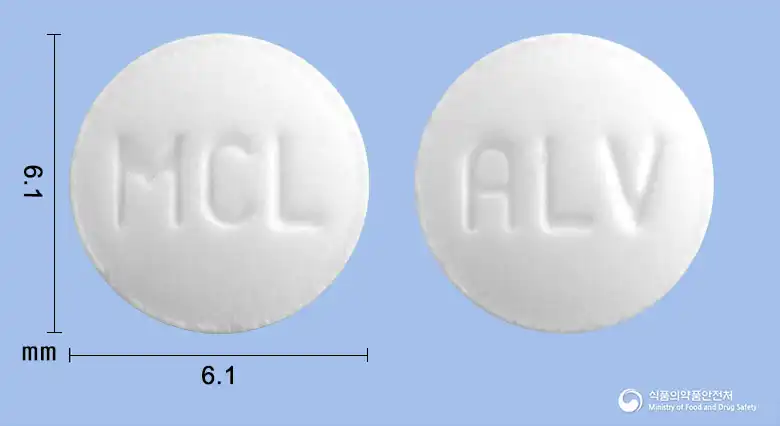 Combination
Desogestrel 0.15mg · Ethinyl Estradiol 0.02mg
Tablet · OTC medication · Combination
AlboGEN Korea Co., Ltd.
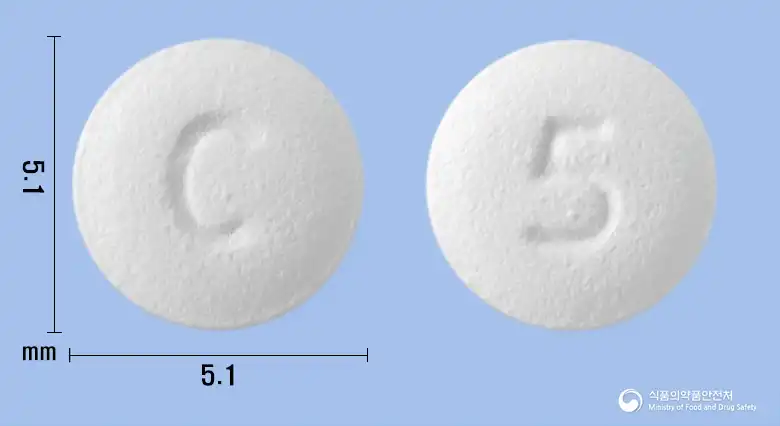 Combination
Desogestrel 0.15mg · Ethinyl Estradiol 0.02mg
Tablet · OTC medication · Combination
Hyundai Pharmaceutical Co., Ltd.
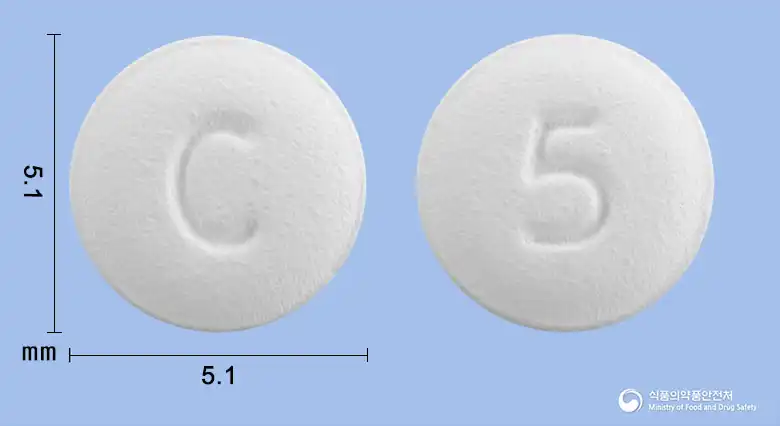 Combination
Desogestrel 0.15mg · Ethinyl Estradiol 0.02mg
Tablet · OTC medication · Combination
Yuhan Corporation
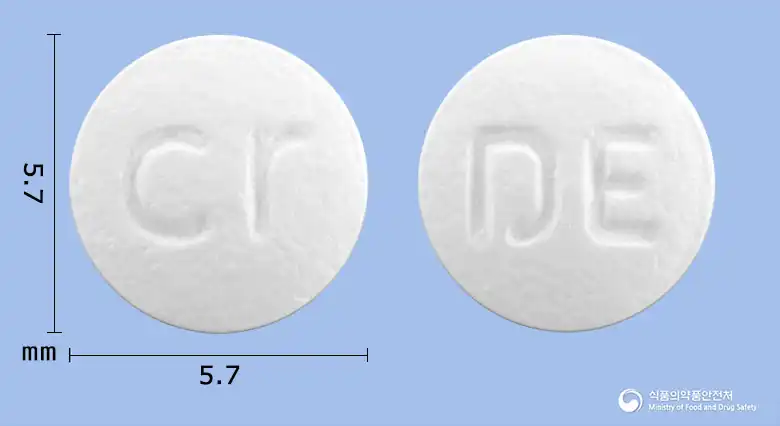 Combination
Desogestrel 0.15mg · Ethinyl Estradiol 0.02mg
Tablet · OTC medication · Combination
GL Pharma Co., Ltd.
 Combination
Desogestrel 0.15mg · Ethinyl Estradiol 0.02mg
Tablet · OTC medication · Combination
Hanil Pharmaceutical Co., Ltd.
Desogestrel 0.15mg · Ethinyl Estradiol 0.02mg
Tablet · OTC medication · Combination
Ildong Pharmaceutical Co., Ltd.
Ethinyl Estradiol 0.02mg · Desogestrel 0.15mg
Tablet · OTC medication · Combination
Sampung Fine Chem Co., Ltd.
Even with the same ingredient, the dose and directions can differ by strength and dosage form. Talk to a doctor or pharmacist before switching from a medication you are already taking.
No questions yet.
For anything that needs medical judgment, consult a doctor or pharmacist.
This drug information is based on data provided by the Korea Ministry of Food and Drug Safety.
Consult a doctor or pharmacist for accurate dosage, administration, and usage instructions.