
 한국어
한국어 English
 日本語
日本語 中文(简体)
 Viewing now
Exosium Tablet 20 mg (Esomeprazole Magnesium Trihydrate)
Esomeprazole Magnesium Trihydrate 22.25mg
Tablet · Prescription medication
Korea Pharma Co., Ltd.
MFDS item code 202007779 · Approved 2020.11.12 · Insurance code 642803310
Treatment of gastroesophageal reflux disease (including erosive esophagitis) and treatment of Helicobacter pylori positive peptic ulcers, prevention of gastric ulcers and duodenal ulcers.
This medicine is effective for the treatment of gastroesophageal reflux disease, especially erosive esophagitis, and for long-term maintenance therapy to prevent recurrence of esophagitis. It is also used in combination therapy with antibiotics for the treatment of peptic ulcers and duodenal ulcers caused by Helicobacter pylori infection. It helps treat gastrointestinal symptoms and gastric ulcers that may arise due to non-steroidal anti-inflammatory drug use. It is also used in the treatment of Zollinger-Ellison syndrome and for maintenance therapy after preventing rebleeding from gastric and duodenal ulcers. Overall, it is very effective in maintaining the health of the stomach and esophagus and in treating and preventing recurrence of gastrointestinal diseases.
This medication should be swallowed with liquid, such as water, and should not be chewed or crushed. 1) Gastroesophageal reflux disease (GERD) - Treatment of erosive esophagitis: 40 mg once daily for 4 weeks. If esophagitis is not treated or symptoms continue, continue for an additional 4 weeks. - Long-term maintenance therapy to prevent recurrence in patients with esophagitis: 20 mg once daily. - Treatment for gastroesophageal reflux disease symptoms in the absence of esophagitis: · 20 mg once daily. If symptoms are not controlled after 4 weeks, further medical care may be needed. · Once symptoms improve, subsequent continuous symptoms should be adjusted with 20 mg once daily. · In adults, 20 mg once daily can be administered as needed. Continuous symptom control for patients at high risk for gastric ulcers and duodenal ulcers due to non-steroidal anti-inflammatory drug therapy should not be encouraged. 2) Combination therapy with antibiotics for eradication of Helicobacter pylori. Administer 20 mg of this medication along with 1 g of amoxicillin and 500 mg of clarithromycin, twice daily for 7 days. 3) Short-term therapy for upper gastrointestinal symptoms (pain, discomfort, burning sensation) associated with non-steroidal anti-inflammatory drug (COX-2 non-selective and selective) administration. - 20 mg once daily. If symptoms are not controlled after 4 weeks, further medical care may be needed. Clinical trials exceeding 4 weeks have not been conducted. 4) For patients requiring ongoing non-steroidal anti-inflammatory drug administration. - Treatment of gastric ulcers associated with non-steroidal anti-inflammatory drug use: 20 mg once daily for 4 to 8 weeks. - Prevention of gastric ulcers and duodenal ulcers associated with non-steroidal anti-inflammatory drug use: 20 mg once daily. 5) Treatment of Zollinger-Ellison syndrome The recommended initial dose is 40 mg twice daily. Subsequently, the dose should be adjusted for each patient, and treatment should continue during the presence of clinical symptoms. According to clinical data, most patients can be adjusted with a dosage of 80 mg to 160 mg per day. Dosages over 80 mg per day should be divided into two doses. 6) Maintenance therapy after intravenous induction for prevention of rebleeding from gastric or duodenal ulcers. After intravenous induction for prevention of rebleeding due to gastric or duodenal ulcers, administer 40 mg once daily for 4 weeks. 2. Adolescents aged 12 and older 1) Gastroesophageal reflux disease (GERD) - Treatment of erosive esophagitis: 40 mg once daily for 4 weeks. If esophagitis is not treated or symptoms persist, continue for an additional 4 weeks. - Treatment for symptoms of gastroesophageal reflux disease in the absence of esophagitis: · 20 mg once daily. If symptoms are not controlled after 4 weeks, further medical care may be needed. · Once symptoms improve, subsequent continuous symptoms should be adjusted with 20 mg once daily. · In adults, 20 mg once daily can be administered as needed. Continuous symptom control for patients at high risk for gastric ulcers and duodenal ulcers due to non-steroidal anti-inflammatory drug therapy should not be encouraged. 3. Children under 12 years of age There has been no experience administering this medication to children under 12 years of age. 4. Renal impairment No need to adjust the dosage. Due to limited examples in severe renal failure patients, it should be administered with caution. 5. Hepatic impairment No need to adjust the dosage in mild to moderate hepatic impairment patients. Severe hepatic impairment patients should not exceed a dosage of 20 mg of this medication. 6. Elderly patients No need to adjust the dosage.
Adolescents aged 12 and older - Gastroesophageal reflux disease treatment: Erosive esophagitis, 40 mg once daily for 4 weeks. If untreated or symptoms persist, continue for an additional 4 weeks. - Treatment for symptoms of gastroesophageal reflux disease in the absence of esophagitis: · 20 mg once daily. If symptoms are not controlled after 4 weeks, further medical care may be required.
This medication should not be administered to certain patients. First, patients who are allergic to this drug or its ingredients or have experienced hypersensitivity reactions should not use it. Patients currently taking certain antibiotics or some heart-related medications, breastfeeding women, and patients with a history of myocardial infarction should also refrain from taking this medication. This medication contains a dye called Yellow 5, so patients with allergies or a history of hypersensitivity to this component should use it with caution. Caution is necessary when taking this medication as various adverse reactions may occur. For example, reported reactions include blood-related issues, allergic reactions, electrolyte imbalances, headaches, dizziness, gastrointestinal symptoms, liver function abnormalities, skin rashes, muscle pain, etc. Especially, if symptoms such as muscle pain or weakness occur, it may be a serious condition called rhabdomyolysis, so immediate consultation with a physician is required. This drug can mask symptoms of malignant tumors during long-term use, so patients experiencing symptoms such as weight loss, vomiting, or hematemesis must notify their doctor. Furthermore, regular exams are necessary for those using this medication for over a year and it is important to consult a physician whenever symptoms change. This medication reduces stomach acid and can increase bacterial growth in the gastrointestinal tract, so patients should inform their doctor if diarrhea persists. Long-term use at high doses may increase the risk of fractures, so caution is needed for patients at risk of osteoporosis. Additionally, this medication may lower blood magnesium levels, so regular monitoring of magnesium levels is necessary for long-term use or when combined with certain drugs. This medication interacts with many other medications, requiring dose adjustments or caution depending on the co-administered drugs. Specifically, patients should consult their doctor or pharmacist if taking anticoagulants, anticonvulsants, certain antibiotics, antivirals, or immunosuppressants. The safety of this medication during pregnancy has not been fully established, so pregnant women should use it cautiously, and breastfeeding women are advised not to take this medication. In case of overdose, as there are no specific antidotes, appropriate treatment should be administered based on symptoms, and it is important to keep this medication out of reach of children. Lastly, transferring this medication to another container can alter its quality, so it should be stored in its original packaging.
Urticaria, angioedema, anaphylactic reaction, shock, hypomagnesemia, jaundice, hepatitis, hepatic failure, interstitial nephritis, Stevens-Johnson syndrome, toxic epidermal necrolysis, acute generalized exanthematous pustulosis, DRESS syndrome, lightning headache, seizures, confusion, visual disturbances, paralysis, severe swelling, significantly reduced urine output, increased blood pressure, Clostridium difficile-associated diarrhea (severe infection), severe skin reactions.
Headache, dizziness, abnormal sensation, drowsiness, taste disorder, blurred vision, bronchospasm, abdominal pain, constipation, diarrhea, abdominal distension, nausea, vomiting, dry mouth, stomatitis, gastrointestinal candidiasis, increased liver enzymes, dermatitis, itching, rash, hair loss, photosensitivity, fractures, joint pain, muscle pain, muscle weakness, fatigue, increased sweating, Clostridium difficile-associated diarrhea, allergic reactions, facial swelling, facial flushing, fatigue, fever, legs.
Not everyone experiences these, and they can vary from person to person.
This medication must be stored in a tightly closed container to prevent exposure to air or moisture and should be kept at room temperature between 1 to 30 degrees Celsius. Storing it this way helps maintain the medication's effectiveness.
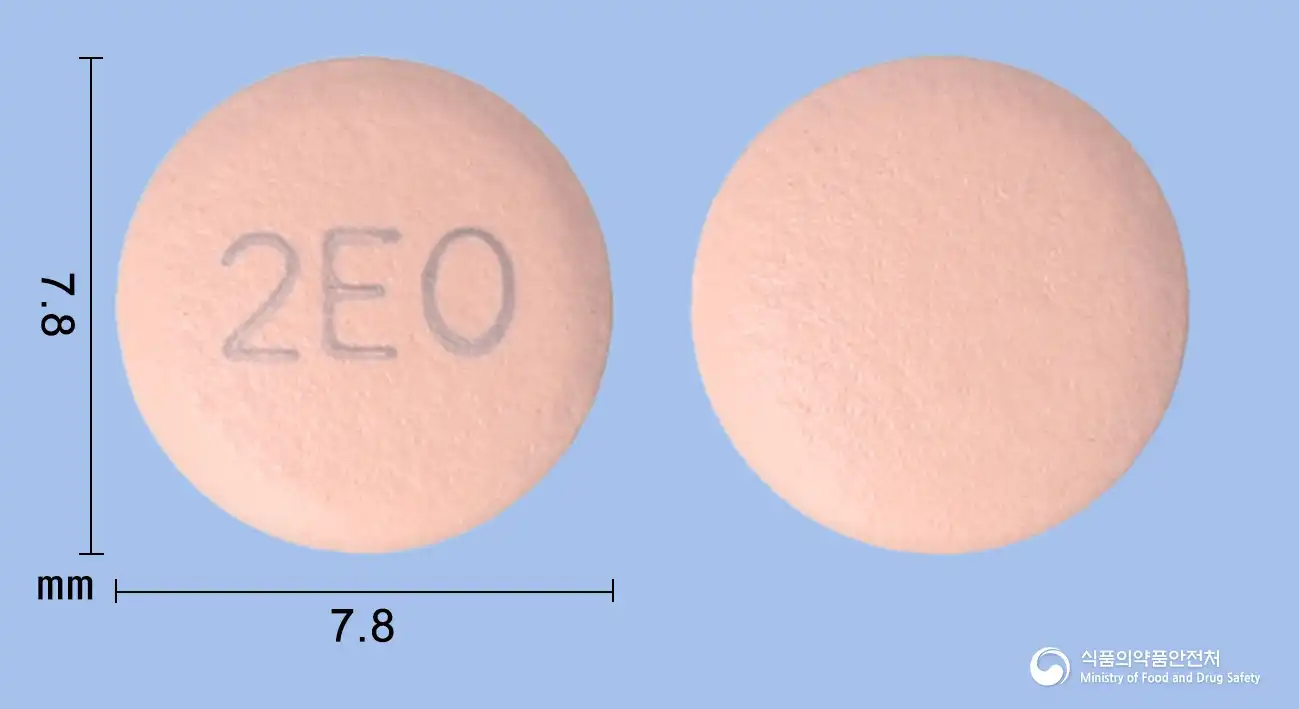
Pale pink round film-coated tablet
28 tablets/box [14 tablets/Alu-Alu×2], 28 tablets/box [7 tablets/Alu-Alu×4]
Even with the same ingredient, strength, dosage form and how it is taken can differ.
Viewing nowEsomeprazole Magnesium Trihydrate 22.25mg
Tablet · Prescription medication
Korea Pharma Co., Ltd.
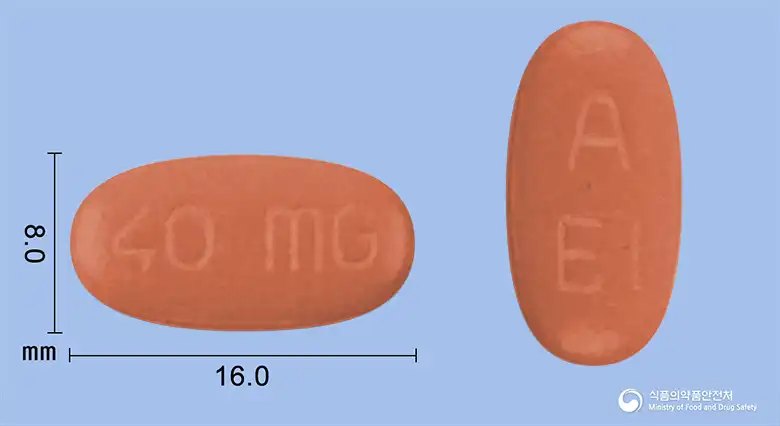
Esomeprazole Magnesium Trihydrate 44.5mg
Tablet · Prescription medication
AstraZeneca Korea Co., Ltd.
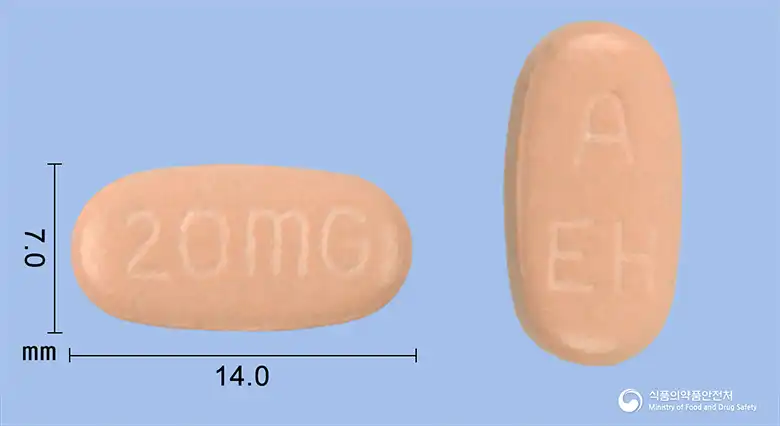
Esomeprazole Magnesium Trihydrate 22.3mg
Tablet · Prescription medication
AstraZeneca Korea Co., Ltd.

Esomeprazole Magnesium Trihydrate 22.3mg
Tablet · Prescription medication
Daewon Pharmaceutical Co., Ltd.
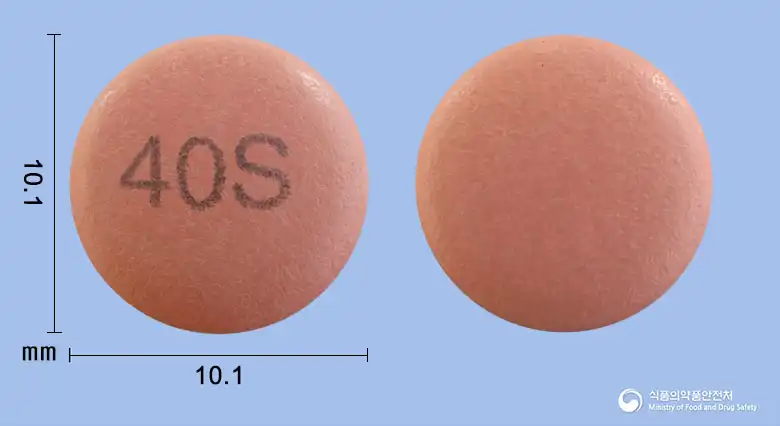
Esomeprazole Magnesium Trihydrate 44.5mg
Tablet · Prescription medication
Daewon Pharmaceutical Co., Ltd.
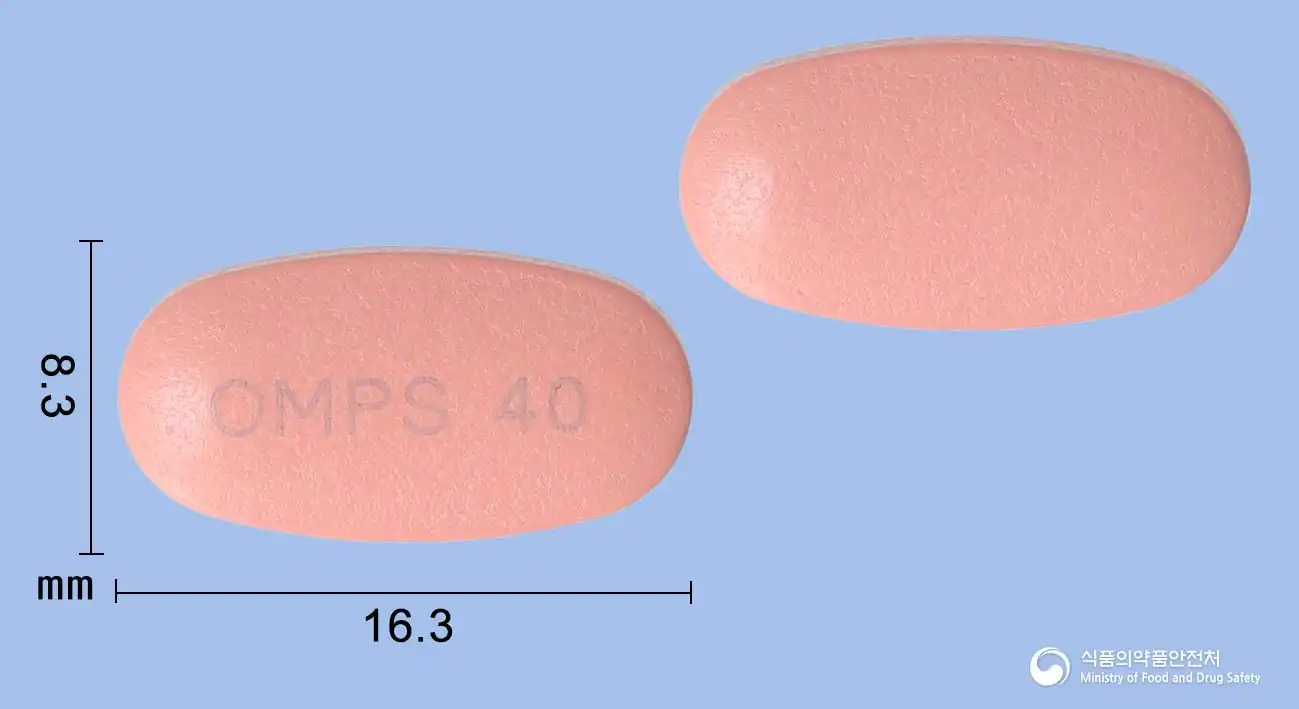
Esomeprazole Magnesium Dihydrate 43.38mg
Tablet · Prescription medication
Jongkundang Co., Ltd.
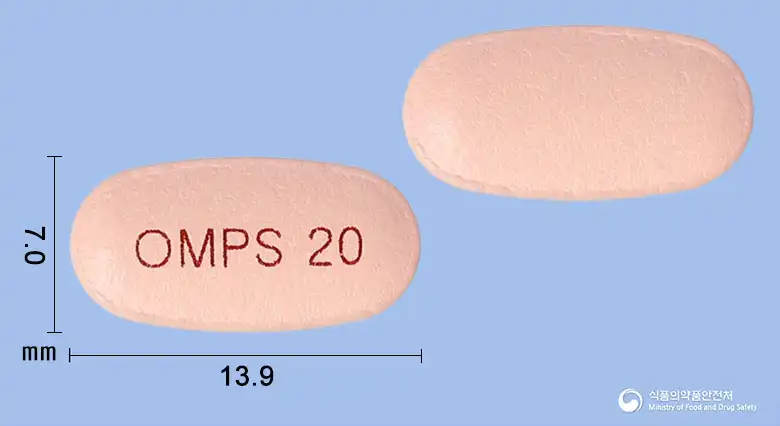
Esomeprazole Magnesium Dihydrate 21.69mg
Tablet · Prescription medication
Chong Kun Dang Pharmaceutical Corp.

Esomeprazole Magnesium Trihydrate 22.3mg
Tablet · Prescription medication
Samjin Pharmaceutical Co., Ltd.
Even with the same ingredient, the dose and directions can differ by strength and dosage form. Talk to a doctor or pharmacist before switching from a medication you are already taking.
No questions yet.
For anything that needs medical judgment, consult a doctor or pharmacist.
This drug information is based on data provided by the Korea Ministry of Food and Drug Safety.
Consult a doctor or pharmacist for accurate dosage, administration, and usage instructions.