
 한국어
한국어 English
 日本語
日本語 中文(简体)
Dosage form image
Viewing nowCombinationBenfotiamine Tablet
Benfotiamine 300mg · Pyridoxine Hydrochloride 100mg
Tablet · OTC medication · Combination
Korea Pavis Pharmaceutical Co., Ltd.
MFDS item code 202006674 · Notified 2020.09.28
This product's status changed to Expired on 2025.09.28. It may no longer be sold, so consult a doctor or pharmacist before taking it.
Treatment of neurological disorders due to vitamin B1 and B6 deficiency
This medication is used for neurological disorders resulting from a deficiency of vitamins B1 and B6.
Adults should take 1 tablet once a day.
This medication should not be taken by individuals who have an allergic reaction or hypersensitivity to this medicine or any of its components. Additionally, this medication contains the dye Tartrazine (Yellow No. 5), so those with a history of allergy to this ingredient or hypersensitivity should exercise caution when taking it. The vitamin B6 contained in this medication may reduce the effectiveness of Levodopa, so individuals taking Levodopa should not take this concurrently. Patients receiving treatment from a doctor or women who are pregnant or breastfeeding should consult with a doctor or pharmacist before taking this medication. If symptoms do not improve after taking this medication for more than a month, consult with a doctor or pharmacist, and if allergic symptoms such as hives, rash, or itching occur, discontinue use immediately and consult a professional. Also, if there are symptoms such as loss of appetite, abdominal discomfort, nausea, vomiting, or diarrhea, stop taking the medication and consult a doctor or pharmacist. Taking vitamin B6 in high doses of more than 1 gram per day can damage nerves, and there is a risk of neuropathy with long-term use of this medication for more than 6 months. Particularly in newborns or infants, serious side effects such as severe drowsiness, low blood pressure, or respiratory distress may occur when taking this medication, so caution is advised. If this medication is accidentally overdosed, discontinue use immediately and consult medical personnel. Always adhere to the prescribed dosage and administration, and be cautious as long-term use with some medications, alcohol, or certain oral contraceptives may lead to vitamin B6 deficiency. This medication should be stored in a tightly sealed container to protect it from air and moisture. Maintain storage temperatures between 1°C and 30°C to prevent any change in effectiveness. Avoid extremely hot or cold conditions.
Difficulty breathing
Not everyone experiences these, and they can vary from person to person.
This medication must be stored in an airtight container to protect it from air or moisture. It is important to keep the storage temperature at room temperature between 1°C and 30°C. Avoid areas that are too hot or too cold to ensure the medication's effectiveness is not altered.
Orange-colored, oblong, film-coated tablet
60 tablets/box [10 tablets/PTP*6], 90 tablets/bottle
Even with the same ingredient, strength, dosage form and how it is taken can differ.
Benfotiamine 300mg · Pyridoxine Hydrochloride 100mg
Tablet · OTC medication · Combination
Korea Pavis Pharmaceutical Co., Ltd.
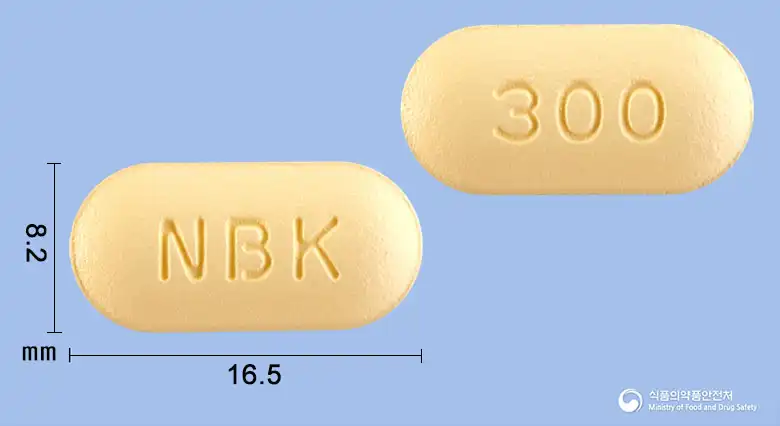 Combination
Benfotiamine 300mg · Pyridoxine Hydrochloride 100mg
Tablet · OTC medication · Combination
NBK Pharmaceutical Co., Ltd.
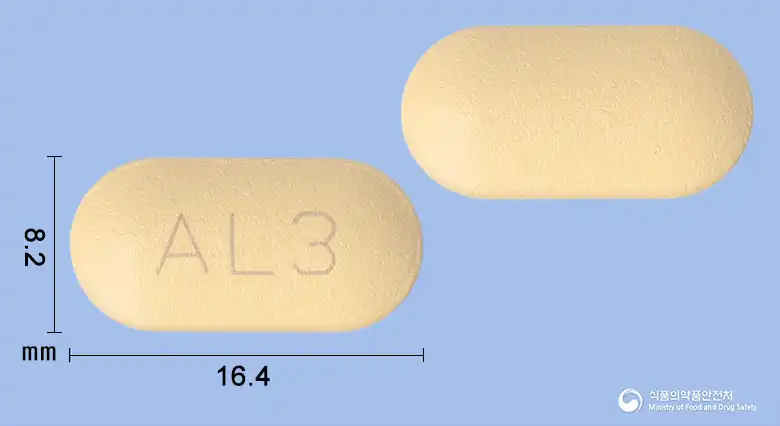 Combination
Benfotiamine 300mg · Pyridoxine Hydrochloride 100mg
Tablet · OTC medication · Combination
Aliko Pharmaceutical Co., Ltd.
Benfotiamine 300mg · Pyridoxine Hydrochloride 100mg
Tablet · OTC medication · Combination
Yu Han Pharmaceutical Co., Ltd.
Benfotiamine 300mg · Pyridoxine Hydrochloride 100mg
Tablet · OTC medication · Combination
Jinyang Pharmaceutical Co., Ltd.
Benfotiamine 300mg · Pyridoxine Hydrochloride 100mg
Tablet · OTC medication · Combination
You & Life Sciences Co., Ltd.
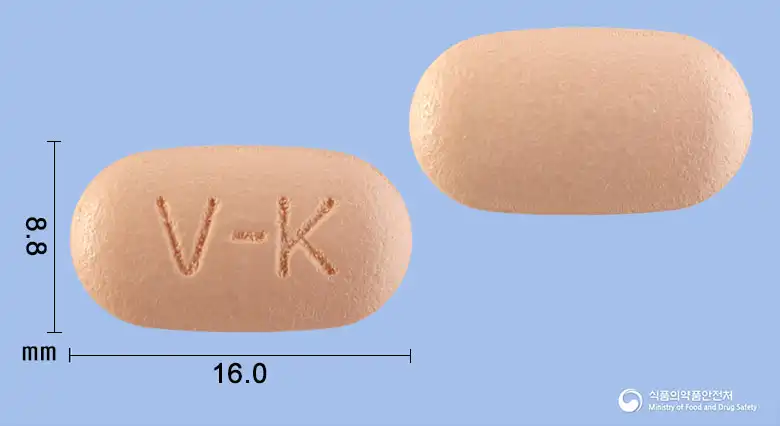 Combination
Benfotiamine 100mg · Pyridoxine Hydrochloride 100mg
Tablet · OTC medication · Combination
Korea Chorus Co., Ltd.
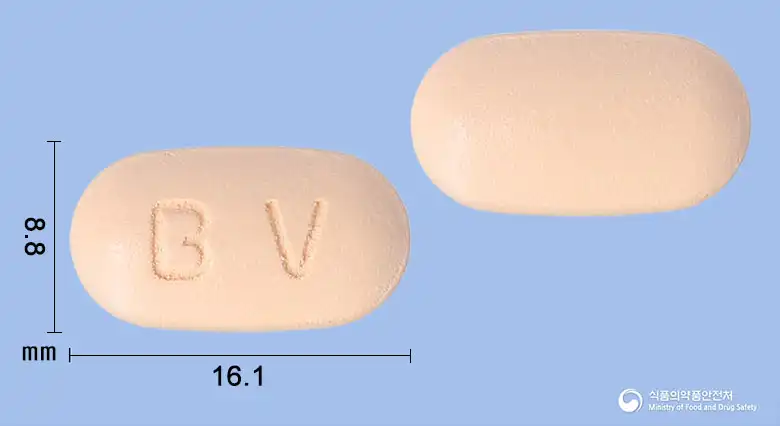 Combination
Benfotiamine 300mg · Pyridoxine Hydrochloride 100mg
Tablet · OTC medication · Combination
Hyundai Pharmaceutical Co., Ltd.
Even with the same ingredient, the dose and directions can differ by strength and dosage form. Talk to a doctor or pharmacist before switching from a medication you are already taking.
No questions yet.
For anything that needs medical judgment, consult a doctor or pharmacist.
This drug information is based on data provided by the Korea Ministry of Food and Drug Safety.
Consult a doctor or pharmacist for accurate dosage, administration, and usage instructions.