
 한국어
한국어 English
 日本語
日本語 中文(简体)
 Viewing nowCombination
Simetap Tablets
Cimetidine 50mg · Magnesium Aluminosilicate 100mg +2 more
Tablet · OTC medication · Combination
IQUR Co., Ltd.
MFDS item code 202006476 · Notified 2020.09.21
Improvement of stomach pain and dyspepsia symptoms
This medicine is used to improve gastrointestinal-related symptoms such as stomach pain, heartburn, bloating, and nausea.
Adults (15 years to less than 80 years) should take 2 tablets at a time. If necessary, 2 tablets can be taken every 4 hours up to 3 times a day. However, do not exceed 3 times a day (6 tablets).
This medicine should not be taken by patients undergoing dialysis. Patients being treated for blood disorders or kidney, liver, stomach, duodenum diseases, asthma, and immune system diseases such as rheumatism should avoid using this drug. Patients taking steroids, antibiotics, anticancer drugs, or azole antifungals should not use this medicine. Patients with a history of blood-related disorders such as anemia, thrombocytopenia, or leukopenia should be cautious when taking this drug. Individuals who have had hypersensitivity reactions to histamine H2 receptor antagonists should not take this medicine. Children under 15 years old and seniors over 80 years old should avoid using this medicine as its safety has not been established. Women who are pregnant or may become pregnant, as well as breastfeeding women, should consult a healthcare professional before taking this medicine, and nursing mothers should discontinue breastfeeding while on this drug. During the course of treatment, it is advisable not to take other gastrointestinal medications as this may lead to excessive potency or unexpected side effects. Drowsiness, dizziness, or confusion might occur; therefore, avoid driving or operating machinery. Consumption of alcoholic beverages while taking this medicine may increase blood alcohol concentration, so it should be avoided. If you are taking other medications or undergoing treatment, consult a healthcare professional as drug interactions may cause side effects or reduce effectiveness. In particular, this drug may interact with bronchodilators, anticoagulants, anticonvulsants, benzodiazepines, antidepressants, hypertension medications, calcium channel blockers, antiarrhythmics, and some antibiotics and antimicrobials. It is important for individuals with a history of allergy to medication to consult a healthcare professional before taking this drug. Seniors over 65 years old should be cautious as their physiological function may be diminished, making them more susceptible to the effects of medications. Consult a healthcare professional before taking this drug if you experience sore throat, cough, high fever, unexplained weight loss, or persistent abdominal pain. Patients with a history of kidney disease should also seek professional advice before taking this medicine. If symptoms such as hives, swelling, difficulty breathing, paleness, cold sweat, or shortness of breath occur after taking this medicine, discontinue use immediately and consult a healthcare professional. If a rash accompanies fever or severe symptoms appear on the skin, mouth, or eye mucosa, you must stop taking this medicine immediately. If symptoms of allergy or constipation, diarrhea, headache, fever, malaise, fatigue, cold symptoms, bleeding, limb numbness, palpitations, jaundice, generalized edema, or hematuria arise, it is crucial to stop taking this medicine and consult a healthcare professional. If symptoms do not improve after taking the medicine for more than 3 days, discontinue use and consult a healthcare professional as other conditions may be present. This medicine should not be taken for an extended period, and it is advisable to avoid use beyond 2 weeks. It is essential to adhere to the prescribed dosage and frequency, and in the case of overdose, discontinue use immediately and consult a healthcare professional. Keep this medicine out of the reach of children, and store it in its original container. It should be kept away from direct sunlight in a cool, dry place.
Not everyone experiences these, and they can vary from person to person.
Do not take this medicine with steroids, antibiotics, anticancer drugs, azole antifungals, or other gastrointestinal medications. It may interact with bronchodilators (e.g., theophylline), anticoagulants (e.g., warfarin), anticonvulsants (e.g., phenytoin), benzodiazepines (e.g., diazepam, triazolam), tricyclic antidepressants (e.g., imipramine), angina/hypertension medications (e.g., beta-blockers like propranolol), calcium channel blockers (e.g., nifedipine), antiarrhythmics,
Do not take this medicine with alcoholic beverages.
This medicine should be stored in an airtight container that blocks light, at a temperature between 1 degree and 30 degrees Celsius. Storing it this way helps maintain its efficacy for a longer period.
White oval film-coated tablets
20 tablets/PTP[(10 tablets/PTP*2)], 240 tablets/PTP[(120 tablets/PTP(10 tablets/PTP*12)*2)]
Even with the same ingredient, strength, dosage form and how it is taken can differ.
Viewing nowCombinationCimetidine 50mg · Magnesium Aluminosilicate 100mg +2 more
Tablet · OTC medication · Combination
IQUR Co., Ltd.
 Combination
Cimetidine 50mg · Magnesium Aluminosilicate 100mg +2 more
Tablet · OTC medication · Combination
Chodang Pharmaceutical Co., Ltd.
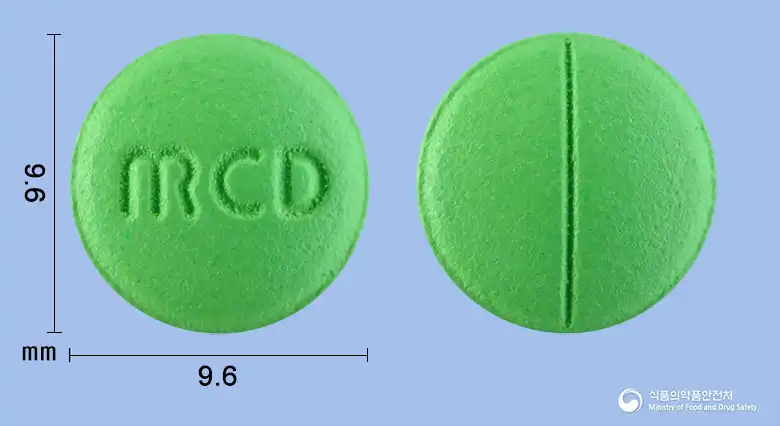 Combination
Cimetidine 50mg · Magnesium Aluminosilicate 100mg +2 more
Tablet · OTC medication · Combination
Mirae Biopharmaceutical Co., Ltd.
 Combination
Cimetidine 50mg · Magnesium Aluminosilicate 100mg +2 more
Tablet · OTC medication · Combination
Korea Pavise Pharmaceutical Co., Ltd.
 Combination
Cimetidine 50mg · Magnesium Aluminosilicate 100mg +2 more
Tablet · OTC medication · Combination
Cosmax Pharma Co., Ltd.
Even with the same ingredient, the dose and directions can differ by strength and dosage form. Talk to a doctor or pharmacist before switching from a medication you are already taking.
QMy father who is taking warfarin has heartburn.
Answers 1 · 2026.09.14
QHow many times a day can I take it?
Answers 1 · 2026.09.14
QCan my grandmother who is over 80 also take it?
Answers 1 · 2026.09.14
For anything that needs medical judgment, consult a doctor or pharmacist.
This drug information is based on data provided by the Korea Ministry of Food and Drug Safety.
Consult a doctor or pharmacist for accurate dosage, administration, and usage instructions.