
 한국어
한국어 English
 日本語
日本語 中文(简体)
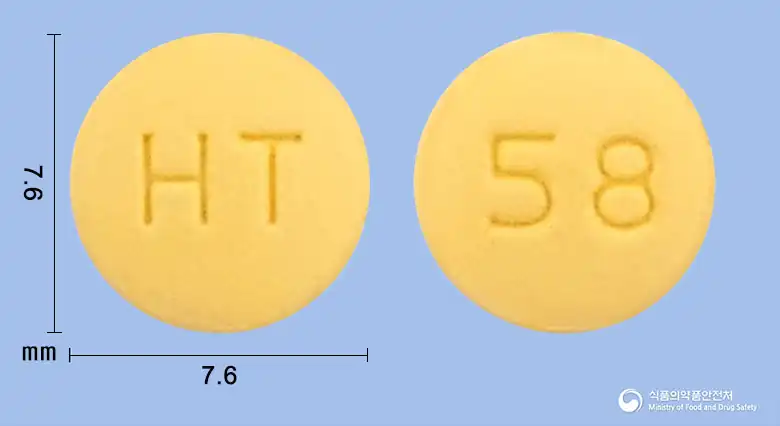 Viewing nowCombination
Rosuvastatin and Valsartan Tablets 5/80 mg
Rosuvastatin Calcium 5.2mg · Valsartan 80mg
Tablet · Prescription medication · Combination
Hanmi Pharmaceutical Co., Ltd.
MFDS item code 202003911 · Approved 2020.05.27
Improvement of essential hypertension and hypercholesterolemia
This medication is used for patients who need to receive both components, valsartan and rosuvastatin, simultaneously. Valsartan is mainly used for the treatment of essential hypertension and heart failure, and it can also be used in heart failure patients who are intolerant to ACE inhibitors. Additionally, it helps reduce the risk of mortality in patients with left ventricular dysfunction after myocardial infarction. Rosuvastatin is used as an adjunct in cases of hypercholesterolemia and mixed dyslipidemia that are difficult to control with diet. It is applicable in cases of homozygous familial hypercholesterolemia and dysbetalipoproteinemia, lowering total cholesterol and LDL-cholesterol levels to delay the progression of atherosclerosis. In patients at high risk for cardiovascular disease, it is effective in reducing the risk of stroke, myocardial infarction, and arterial revascularization procedures. This medication is used to improve these conditions related to cardiovascular disease.
◆ Valsartan 1. Essential Hypertension Take with water during meals or between meals. It is recommended to take it at the same time each day (e.g., in the morning). Adults: The recommended oral dose is 80 mg once daily. For patients whose blood pressure is poorly controlled, the dose may be increased up to 160 mg daily or combined with diuretics. If necessary, the daily dose may be increased up to 320 mg. 2. Heart Failure Starting dose
Safety and efficacy in children and adolescents under 18 years of age have not been established.
This medication can cause serious harm to the fetus, particularly in the second and third trimesters of pregnancy; therefore, it should be discontinued immediately upon confirmation of pregnancy. This medication should not be used by individuals with allergies to specific components, pregnant women or those who may become pregnant, individuals with severe liver or kidney dysfunction, or those with a history of muscle disorders. Elderly patients, those with high serum potassium levels, individuals with compromised liver function, or those with heart-related diseases should exercise caution when taking this medication. If symptoms of muscle pain or weakness occur during treatment, consult a physician immediately, and in severe cases, the medication may need to be discontinued. This medication may affect liver function, so it is advisable to undergo liver function tests before and during treatment. Drug interactions may occur when taken with other medications, so inform your doctor or pharmacist about any other medications you are currently taking. Caution should be exercised, especially when taken with potassium-sparing diuretics or potassium supplements, as it may dangerously elevate blood potassium levels. This medication is not recommended for breastfeeding women, and it is advisable for nursing mothers to discontinue breastfeeding if taking this medication. Safety and efficacy in children or adolescents under 18 years of age have not been established, so it is best not to use it in this age group. In cases of overdose, there is no specific antidote; therefore, seek medical attention immediately for appropriate treatment. This medication should be kept out of the reach of children, and it is safest not to transfer it to another container. Consult healthcare professionals immediately if any adverse reactions or discomfort occur during treatment to receive appropriate measures.
Hives, severe swelling (edema), chest tightness, difficulty breathing, cold sweat, pallor, severe rash with fever, blisters, skin peeling, pain in oral/ocular mucosa, shortness of breath or difficulty breathing, asthma attack, cough with fever and respiratory distress, yellowing of skin or eyes (jaundice), severe lethargy, sudden and severe headache, lightning headache, seizures, disorientation, visual disturbances, paralysis, urinary issues
Not everyone experiences these, and they can vary from person to person.
This medication is sensitive to light and should be stored in a special container that blocks light. Additionally, it should be stored at room temperature between 1 and 30 degrees Celsius, avoiding extremely hot or cold places.
Yellow round film-coated tablet
30 tablets/box [10 tablets/PTP x 3]
Even with the same ingredient, strength, dosage form and how it is taken can differ.
Viewing nowCombinationRosuvastatin Calcium 5.2mg · Valsartan 80mg
Tablet · Prescription medication · Combination
Hanmi Pharmaceutical Co., Ltd.
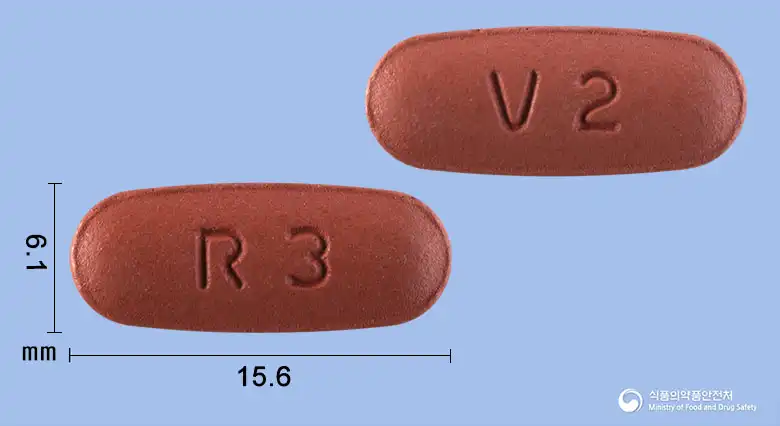 Combination
Rosuvastatin Calcium 20.8mg · Valsartan 160mg
Tablet · Prescription medication · Combination
Dongkwang Pharmaceutical Co., Ltd.
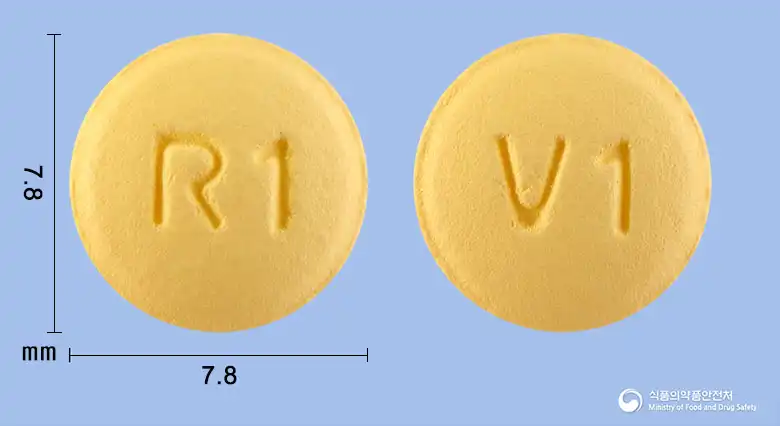 Combination
Rosuvastatin Calcium 5.2mg · Valsartan 80mg
Tablet · Prescription medication · Combination
Dongkwang Pharmaceutical Co., Ltd.
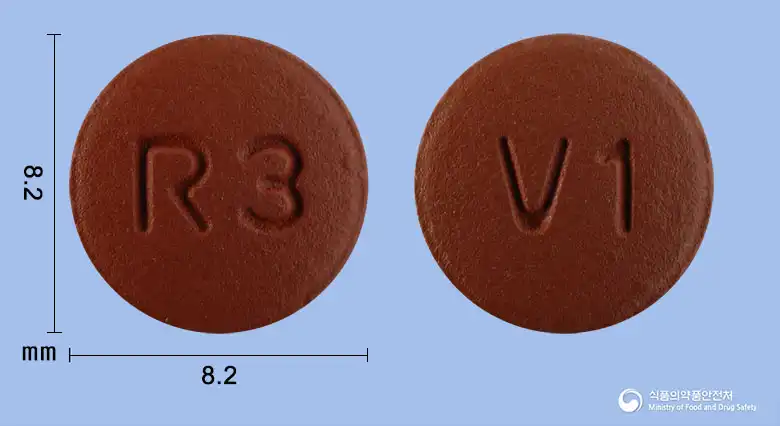 Combination
Rosuvastatin Calcium 20.8mg · Valsartan 80mg
Tablet · Prescription medication · Combination
Dongkwang Pharmaceutical Co., Ltd.
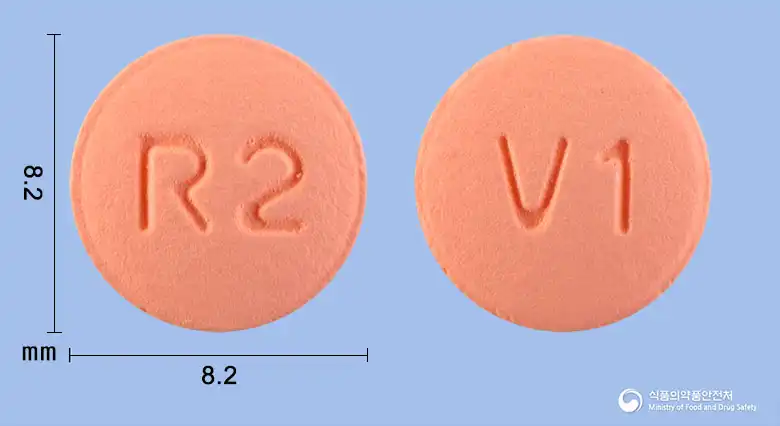 Combination
Rosuvastatin Calcium 10.4mg · Valsartan 80mg
Tablet · Prescription medication · Combination
Dongkwang Pharmaceutical Co., Ltd.
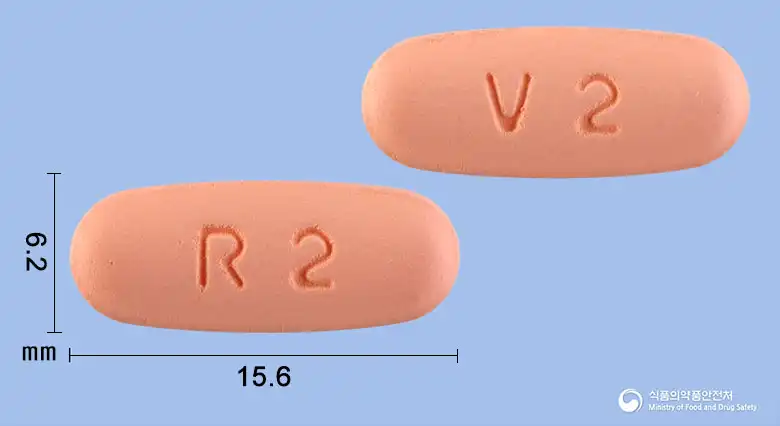 Combination
Rosuvastatin Calcium 10.4mg · Valsartan 160mg
Tablet · Prescription medication · Combination
Dongkwang Pharmaceutical Co., Ltd.
Rosuvastatin Calcium 20.8mg · Valsartan 160mg
Tablet · Prescription medication · Combination
Medika Korea Co., Ltd.
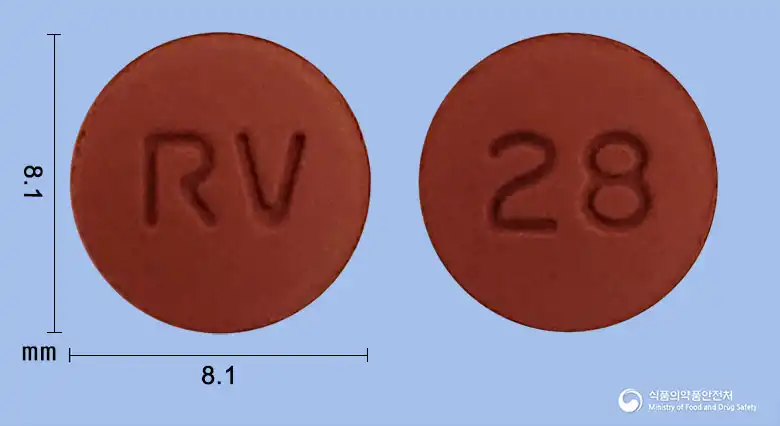 Combination
Rosuvastatin Calcium 20.8mg · Valsartan 80mg
Tablet · Prescription medication · Combination
Medica Korea Co., Ltd.
Even with the same ingredient, the dose and directions can differ by strength and dosage form. Talk to a doctor or pharmacist before switching from a medication you are already taking.
No questions yet.
For anything that needs medical judgment, consult a doctor or pharmacist.
This drug information is based on data provided by the Korea Ministry of Food and Drug Safety.
Consult a doctor or pharmacist for accurate dosage, administration, and usage instructions.