
 한국어
 English
 日本語
 中文(简体)
Dosage form image
Viewing nowRimosin Eye Drops (Moxifloxacin Hydrochloride)
Moxifloxacin Hydrochloride 5.45mg
Eye drops · Prescription medication
Huons Meditech Co., Ltd.
MFDS item code 202003650 · Notified 2020.05.19
Treatment of bacterial eye infections (conjunctivitis, keratitis, etc.) and prevention of infection before and after ophthalmic surgery
This medication is used to treat ocular infections such as bacterial conjunctivitis, blepharitis, and keratitis (especially including corneal ulcers). Additionally, it is applied for asepsis before and after ocular surgery, being effective against a variety of pathogens, including Staphylococcus, Streptococcus, and Pneumococcus. Furthermore, it can combat various bacteria such as Haemophilus influenzae, Pseudomonas, and Acinetobacter, assisting in safe ophthalmic treatment. This medication can be used to prevent and treat complicated ocular infections, ideal for treating ocular infections and for asepsis.
1. Bacterial conjunctivitis, blepharitis, keratitis (including corneal ulcers): Instill 1 drop per dose, 3 times daily. Adjust the dose as appropriate according to symptoms. 2. Aseptic therapy before and after ophthalmic surgery: Generally, instill 1 drop per dose 5 times daily before surgery and 1 drop per dose 3 times daily after surgery.
This medication should not be directly injected into the eye or administered subconjunctivally. Some patients who have received systemic administration of drugs containing the same ingredients may experience severe allergic reactions. If symptoms such as difficulty breathing, rash, or facial swelling occur, discontinue use immediately and seek emergency medical attention. It is safer not to use this medication in patients with hypersensitivity to it or in infants under 1 year of age. Women who are pregnant or nursing should carefully consider the effects on the fetus or baby before using this medication. There may be side effects such as inflammation, pain, itching, and redness of the eye. Rarely, severe allergic reactions or shock can occur, and if these symptoms arise, one should consult a doctor immediately. Long-term use of this medication may lead to bacterial resistance or the development of other infections, so it should only be used for the necessary period as directed by a physician. When experiencing bacterial conjunctivitis, it is advisable to avoid wearing contact lenses. This medication is for ophthalmic use only, and care should be taken to avoid contaminating the container tip. When used in conjunction with other eye drops, a minimum interval of 5 minutes should be observed between applications. Particular caution is necessary for young children and the elderly, especially as safety has not been confirmed in infants under 1 year of age. This medication should be stored in a cool, dark place and kept out of reach of children.
conjunctivitis, decreased vision, dry eye, keratitis, eye discomfort, eye congestion, eye pain, itching, subconjunctival hemorrhage, tearing, fever, cough, infection, otitis media, pharyngitis, redness, rhinitis, eye pain, taste disturbance, eye irritation, eyelid swelling, blurred vision, sensation abnormality at the administration site, erythema, rash, itching, shock, symptoms of anaphylaxis, hypotension, eyelid swelling, atrial fibrillation, dizziness, endophthalmitis, ulcerative keratitis, corneal erosion, corneal abrasion, increased intraocular pressure, corneal opacity, corneal infiltrate, corneal deposits, allergy, corneal edema, glare, corneal abnormalities, blepharitis, eyelid swelling, increased tear production, eye discharge, sensation of foreign body in the eye, difficulty breathing, nausea, hypersensitivity
Not everyone experiences these, and they can vary from person to person.
This medication should be stored in a tightly sealed container to prevent air or moisture from entering. Additionally, it is best to store the medication at room temperature, between 1 and 30 degrees Celsius. Avoid extremes of heat and cold.
A light yellow-green eye drop solution in a translucent plastic container.
For internal use - 5 milliliters/bottle, For internal use - 6 milliliters/bottle
Even with the same ingredient, strength, dosage form and how it is taken can differ.
Moxifloxacin Hydrochloride 5.45mg
Eye drops · Prescription medication
Huons Meditech Co., Ltd.
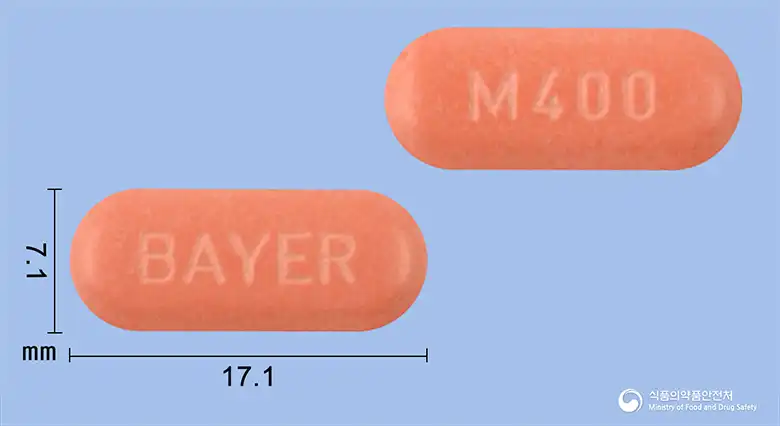
Moxifloxacin Hydrochloride 436.8mg
Tablet · Prescription medication
Bayer Korea Co., Ltd.
Moxifloxacin Hydrochloride 1.744mg
Injections · Prescription medication
Bayer Korea Co., Ltd.
Moxifloxacin Hydrochloride 5.45mg
Eye drops · Prescription medication
Novartis Korea Co., Ltd.
Moxifloxacin Hydrochloride 5.45mg
Eye drops · Prescription medication
Samchundang Pharmaceutical Co., Ltd.
Moxifloxacin Hydrochloride 5.45mg
Eye drops · Prescription medication
Samil Pharmaceutical Co., Ltd.
Moxifloxacin Hydrochloride 5.45mg
Eye drops · Prescription medication
Optus Pharmaceutical Co., Ltd.
Moxifloxacin Hydrochloride 5.45mg
Eye drops · Prescription medication
Hankook Hyutecs Pharmaceutical Co., Ltd.
Even with the same ingredient, the dose and directions can differ by strength and dosage form. Talk to a doctor or pharmacist before switching from a medication you are already taking.
No questions yet.
For anything that needs medical judgment, consult a doctor or pharmacist.
This drug information is based on data provided by the Korea Ministry of Food and Drug Safety.
Consult a doctor or pharmacist for accurate dosage, administration, and usage instructions.