
 한국어
한국어 English
 日本語
日本語 中文(简体)
Dosage form image
Viewing nowBonrent Injection (Ibandronic Acid Sodium Hydrate)
Ibandronate Sodium Monohydrate 3.375mg
Injections · Prescription medication
IYun Pharmaceutical Co., Ltd.
MFDS item code 202003222 · Notified 2020.04.29 · Insurance code 658604361
Improvement of postmenopausal osteoporosis
This medication is used to treat osteoporosis that may occur in postmenopausal women. Osteoporosis is a condition where bones become weak and have an increased risk of breaking; this medication increases bone density and reduces the risk of fractures. Patients who take this medication regularly will help maintain healthy bones. Overall, it is used as an effective treatment to improve bone health.
Administer 3 mg via intravenous injection once every 3 months over 15 - 30 seconds. If a regular dose is missed, administer the injection as soon as possible, and ensure regular dosing every 3 months thereafter.
This medication must be administered only by intravenous injection, and caution is required because improper injection around the artery or injection site may cause tissue damage. This drug should not be used in patients with allergies to this medication or its ingredients, or in patients with untreated hypocalcemia. Gastrointestinal side effects such as abdominal pain, diarrhea, nausea, and gastritis may occur when using this medication, and musculoskeletal symptoms such as muscle pain or joint pain may also be experienced. Occasionally, symptoms similar to influenza may appear, mainly when initially administered, but these are usually temporary and mild. Rarely, skin rashes, headaches, and fatigue have been reported, and in severe cases, allergic reactions or anaphylactic shock may occur, so immediate notification to medical professionals is necessary. This medication can temporarily lower blood calcium levels, so it is important to normalize calcium levels before administration and ensure sufficient intake of calcium and vitamin D. Since it may affect dental health, it is advisable to have a dental examination before administration and to avoid excessive dental procedures during treatment. Long-term use of this medication may rarely cause atypical fractures in the femur and other areas, so if there is pain in the thigh or groin, it is essential to consult a doctor. It is safer for pregnant or breastfeeding women not to use this medication, and its efficacy and safety in children have not been confirmed. Overdosing may affect the kidneys and liver, so immediate medical attention should be sought if symptoms develop, and this medication should not be mixed with other calcium-containing solutions during administration. This medication must be administered only by intravenous injection, and used needles should not be reused and should be disposed of safely.
Not everyone experiences these, and they can vary from person to person.
This medication should be stored in a tightly sealed container to prevent exposure to air or moisture. It is recommended to maintain a storage temperature between 1 and 30 degrees Celsius.
This injectable medication is a colorless and transparent solution contained in a colorless and transparent glass prefilled syringe, with a single-use injection needle attached.
3 milliliters/prefilled syringe
Even with the same ingredient, strength, dosage form and how it is taken can differ.
Ibandronate Sodium Monohydrate 3.375mg
Injections · Prescription medication
IYun Pharmaceutical Co., Ltd.
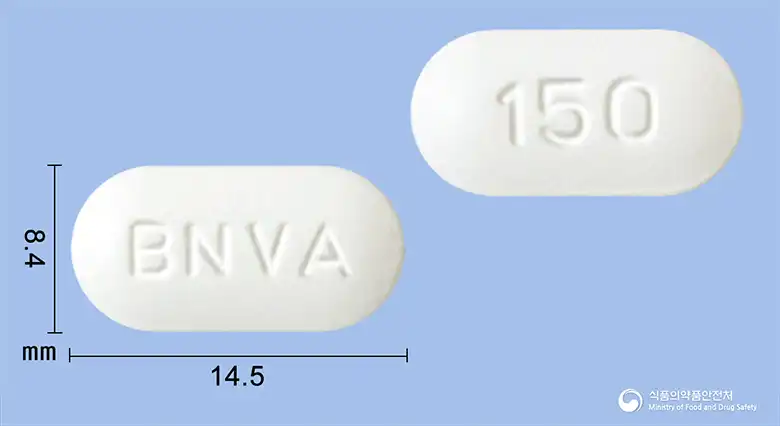
Ibandronate Sodium Monohydrate 168.75mg
Tablet · Prescription medication
Jeil Pharmaceutical Co., Ltd.
Ibandronate Sodium Monohydrate 3.375mg
Solution · Prescription medication
Jeil Pharmaceutical Co., Ltd.
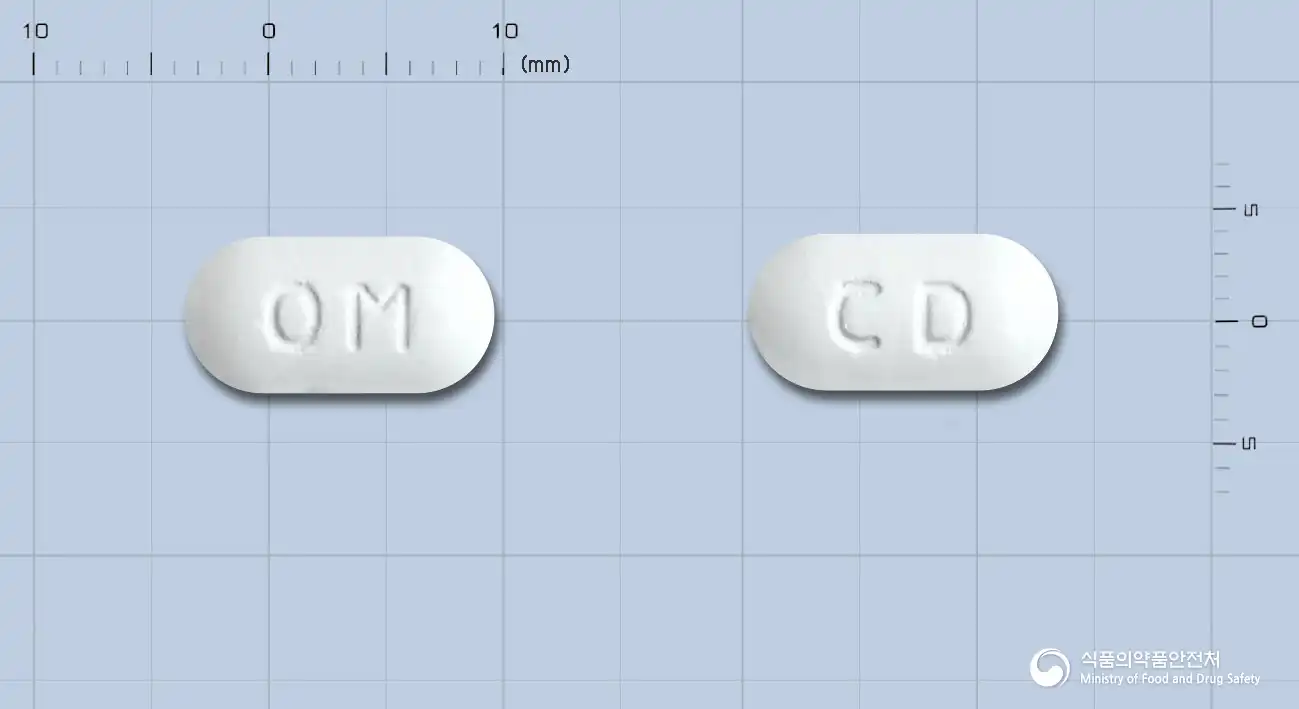
Ibandronate Sodium Monohydrate 168.75mg
Tablet · Prescription medication
Chodang Pharmaceutical Co., Ltd.
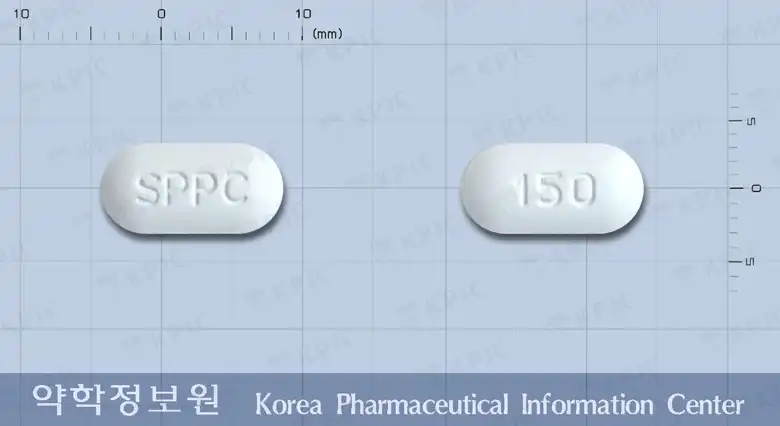
Ibandronate Sodium Monohydrate 168.75mg
Tablet · Prescription medication
Shinpoong Pharmaceutical Co., Ltd.
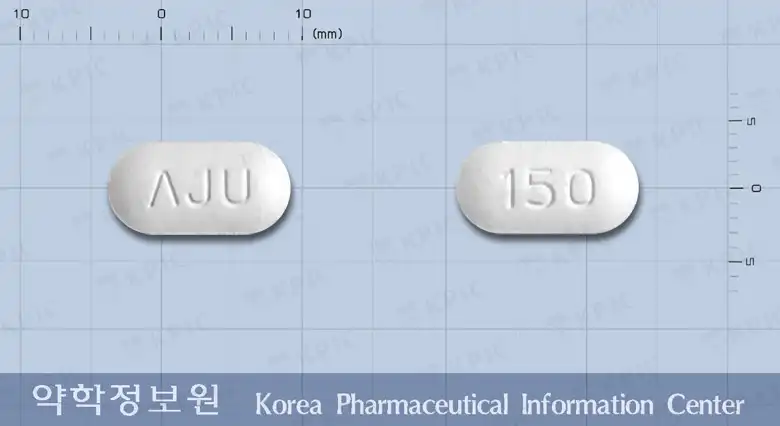
Ibandronate Sodium Monohydrate 168.75mg
Tablet · Prescription medication
Ajou Pharmaceutical Co., Ltd.
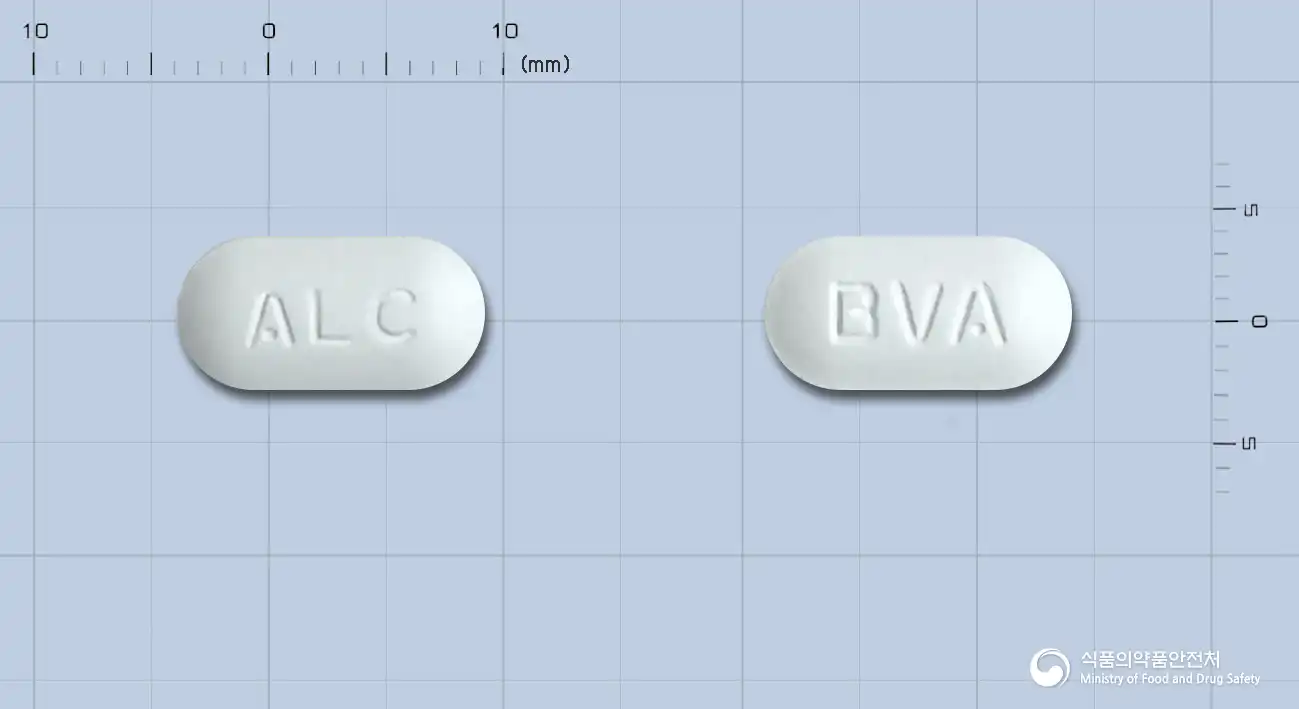
Ibandronate Sodium Monohydrate 168.75mg
Tablet · Prescription medication
Aliko Pharmaceutical Co., Ltd.
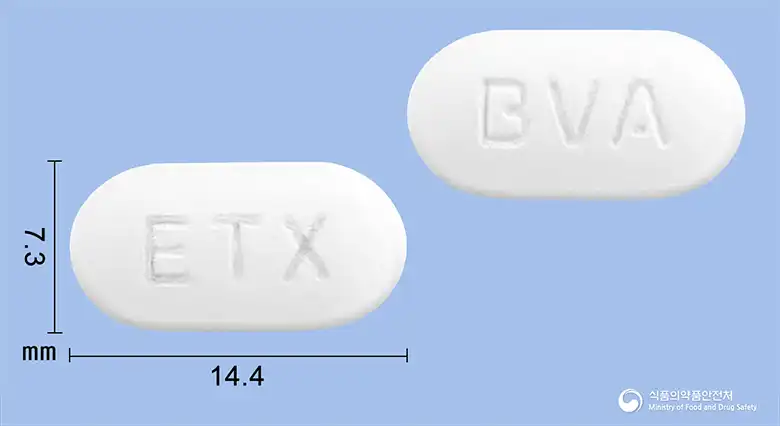
Ibandronate Sodium Monohydrate 168.75mg
Tablet · Prescription medication
Teragen Etex Co., Ltd.
Even with the same ingredient, the dose and directions can differ by strength and dosage form. Talk to a doctor or pharmacist before switching from a medication you are already taking.
No questions yet.
For anything that needs medical judgment, consult a doctor or pharmacist.
This drug information is based on data provided by the Korea Ministry of Food and Drug Safety.
Consult a doctor or pharmacist for accurate dosage, administration, and usage instructions.