Treatment of essential hypertension, improvement of dyslipidemia, prevention of cardiovascular disease (myocardial infarction, etc.)
Who takes it
Adults
Adult dose
Take 1 tablet once daily with water, regardless of meals. It is recommended that the drug be taken at the same time each day (e.g., in the morning), if possible.
This drug is for adults only. The dose should be individualized for each patient based on the effects and tolerability of each component, fimasartan and atorvastatin.
Patients receiving fimasartan and atorvastatin as separate products may switch to this drug (a combination product with the same amount of each active ingredient) for convenience of administration.
○ Fimasartan
1. Adults
The recommended dose of this drug is 30 ~ 60 milligrams once daily, regardless of meals. If blood pressure is not adequately controlled at this dose, it may be increased to 120 milligrams once daily. It is recommended that the drug be taken at the same time each day (e.g., in the morning), if possible. The blood pressure-lowering effect appears within 2 weeks after starting treatment and reaches its maximum after approximately 8 weeks ~ 12 weeks.
2. Elderly patients
No initial dose adjustment is required in elderly patients aged 70 years or younger.
3. Patients with renal impairment
No dose adjustment is required in patients with mild to moderate renal impairment (creatinine clearance 30 ~ 80 mL/min). In patients with severe renal impairment (creatinine clearance < 30 mL/min), initiate treatment at 30 milligrams once daily and do not exceed 60 milligrams per day.
4. Patients with hepatic impairment
No dose adjustment is required in patients with mild hepatic impairment. Do not administer this drug to patients with moderate ~ severe hepatic impairment.
5. Patients with decreased effective circulating blood volume (e.g., patients taking high doses of diuretics)
For patients at high risk of hypotension, such as those with decreased effective circulating blood volume, an initial dose of 30 milligrams once daily is recommended.
○ Atorvastatin
Patients receiving atorvastatin should follow a standard cholesterol-lowering diet before and during treatment. The drug may be taken at any time of day, regardless of food.
1. Hyperlipidemia
The recommended initial dose is atorvastatin 10 mg once daily. For patients requiring a greater reduction in LDL cholesterol, treatment may be initiated with 20 mg or 40 mg once daily (only when a reduction in LDL cholesterol of 45 % or more is required). This drug is administered once daily in a dose range of 10 ~ 80 mg.
The initial and maintenance doses of this drug should be individualized according to patient characteristics, taking into account the treatment goal and response. Analyze lipid levels within 2 ~ 4 weeks after starting treatment and/or titrating the dose, and adjust the dose accordingly.
Patients with homozygous familial hypercholesterolemia
The dose of this drug is 10 ~ 80 mg once daily. Administer this drug in combination with other lipid-lowering treatments (e.g., LDL apheresis), or when such lipid-lowering treatments are not available.
Patients with renal impairment: Renal disease does not affect atorvastatin plasma concentrations or its LDL cholesterol-lowering effect; therefore, no dose adjustment is required.
Elderly patients: The efficacy and safety in patients aged 70 years and older are similar to those in the general adult patient population.
Treatment of essential hypertension, improvement of dyslipidemia, prevention of cardiovascular disease (myocardial infarction, etc.)
Essential hypertension
hypercholesterolemia
dyslipidemia
primary dysbetalipoproteinemia
elevated serum triglycerides
homozygous familial hypercholesterolemia
View approved original textHide original text
This medication is used for patients who need to take both ingredients, Pimasartan and Atorvastatin. Pimasartan helps treat essential hypertension. Atorvastatin reduces the risk of cardiovascular diseases and decreases the risk of myocardial infarction and stroke in adults with multiple risk factors for coronary heart disease or type 2 diabetes patients. It can also reduce the risk of myocardial infarction, stroke, angina, and hospitalization for heart failure in patients who already have coronary heart disease. It is also used to treat hyperlipidemia, significantly contributing to reducing total cholesterol, LDL cholesterol, Apo-B protein, and triglyceride levels while increasing HDL cholesterol levels when combined with diet. Therefore, this medication is used to improve hypertension, cardiovascular disease risk, and hyperlipidemia.
How to take
Adult dose
Take 1 tablet once daily with water, regardless of meals. It is recommended that the drug be taken at the same time each day (e.g., in the morning), if possible.
This drug is for adults only. The dose should be individualized for each patient based on the effects and tolerability of each component, fimasartan and atorvastatin.
Patients receiving fimasartan and atorvastatin as separate products may switch to this drug (a combination product with the same amount of each active ingredient) for convenience of administration.
○ Fimasartan
1. Adults
The recommended dose of this drug is 30 ~ 60 milligrams once daily, regardless of meals. If blood pressure is not adequately controlled at this dose, it may be increased to 120 milligrams once daily. It is recommended that the drug be taken at the same time each day (e.g., in the morning), if possible. The blood pressure-lowering effect appears within 2 weeks after starting treatment and reaches its maximum after approximately 8 weeks ~ 12 weeks.
2. Elderly patients
No initial dose adjustment is required in elderly patients aged 70 years or younger.
3. Patients with renal impairment
No dose adjustment is required in patients with mild to moderate renal impairment (creatinine clearance 30 ~ 80 mL/min). In patients with severe renal impairment (creatinine clearance < 30 mL/min), initiate treatment at 30 milligrams once daily and do not exceed 60 milligrams per day.
4. Patients with hepatic impairment
No dose adjustment is required in patients with mild hepatic impairment. Do not administer this drug to patients with moderate ~ severe hepatic impairment.
5. Patients with decreased effective circulating blood volume (e.g., patients taking high doses of diuretics)
For patients at high risk of hypotension, such as those with decreased effective circulating blood volume, an initial dose of 30 milligrams once daily is recommended.
○ Atorvastatin
Patients receiving atorvastatin should follow a standard cholesterol-lowering diet before and during treatment. The drug may be taken at any time of day, regardless of food.
1. Hyperlipidemia
The recommended initial dose is atorvastatin 10 mg once daily. For patients requiring a greater reduction in LDL cholesterol, treatment may be initiated with 20 mg or 40 mg once daily (only when a reduction in LDL cholesterol of 45 % or more is required). This drug is administered once daily in a dose range of 10 ~ 80 mg.
The initial and maintenance doses of this drug should be individualized according to patient characteristics, taking into account the treatment goal and response. Analyze lipid levels within 2 ~ 4 weeks after starting treatment and/or titrating the dose, and adjust the dose accordingly.
Patients with homozygous familial hypercholesterolemia
The dose of this drug is 10 ~ 80 mg once daily. Administer this drug in combination with other lipid-lowering treatments (e.g., LDL apheresis), or when such lipid-lowering treatments are not available.
Patients with renal impairment: Renal disease does not affect atorvastatin plasma concentrations or its LDL cholesterol-lowering effect; therefore, no dose adjustment is required.
Elderly patients: The efficacy and safety in patients aged 70 years and older are similar to those in the general adult patient population.
Precautions
This medication can cause serious harm to the fetus when taken during pregnancy, particularly in the second and third trimesters. If pregnancy is confirmed, use should be discontinued immediately.
This medication may cause muscle abnormalities, so if symptoms of muscle pain or weakness occur, consult a doctor immediately.
Patients with allergies to any of the ingredients, liver disease, muscle disease, those undergoing dialysis, pregnant women, or nursing mothers should not take this medication.
Patients with impaired liver or kidney function, the elderly, and those with alcoholism should use this medication with caution and may require regular testing.
As this medication lowers blood pressure, symptoms of hypotension (dizziness, fainting, etc.) may occur at the beginning of treatment or with increased dosage, so caution is necessary.
There may be an increased risk of side effects when combined with alcohol or certain medications, so patients should inform their doctor or pharmacist of any other medications they are taking.
Patients should inform healthcare personnel immediately if symptoms such as muscle pain, fever, or fatigue occur during treatment, and blood tests may be needed to check for muscle damage.
This medication is not recommended for children under 10 years of age as safety and efficacy have not been established.
Women who may become pregnant should use appropriate contraceptive methods while taking this medication, and nursing mothers are advised to discontinue either breastfeeding or this medication.
Side effects
Headache
dizziness
increased serum creatine phosphokinase
abnormal liver enzyme levels
increased ALT
elevated serum lactate dehydrogenase
increased liver enzyme levels
hypokalemia
fatigue
edema
Show 284 moreCollapse
myalgia
hypertension
ventricular extrasystole
syncope
sedation
migraine
dyspepsia
vomiting
nausea
upper abdominal pain
weakness
foreign body sensation
decreased platelet count
cough
muscle contraction
muscular rigidity
pruritus
localized urticaria
facial flushing
flushing
erectile dysfunction
acute pancreatitis
intestinal obstruction
hemorrhagic duodenal ulcer
appendicitis
hemorrhoids
abdominal pain
intracranial hemorrhage
transient ischemic attack
atherosclerosis
cerebral infarction exacerbation
cerebral hemorrhage
liver cancer
colorectal carcinoma
neoplasm of unspecified nature
cervical cancer
prostate cancer
acute renal failure
chronic renal failure
kidney stones
pyelonephritis
urinary incontinence
rhinitis
pulmonary fibrosis
pharyngitis
pneumonia
pulmonary disease
death
exacerbation of low back pain
osteoarthritis
arthralgia
hypoglycemia
hyperkalemia
pulmonary embolism
purpura
bradycardia
atrial fibrillation
coronary artery disease
aortic coarctation
heart failure
elevated blood pressure
acute hepatitis
benign pituitary neoplasm
otitis media
uterine prolapse
recurrent cancer
epilepsy
amyotrophic lateral sclerosis
neuropathy
neuronal inflammation
facial paralysis
normal pressure hydrocephalus
spinal stenosis
weakness
lethargy
chest pain
peripheral edema
fever
rhinopharyngitis
hyperglycemia
weight gain
loss of appetite
constipation
abdominal bloating
diarrhea
throat and larynx pain
epistaxis
insomnia
nightmares
sensory disturbance
sensory loss
taste disturbance
amnesia
peripheral neuropathy
arthralgia
limb pain
muscle cramps
joint swelling
back pain
muscle fatigue
myopathy
myositis
rhabdomyolysis
tendon disorder
muscle rupture
lupus-like syndrome
immune-mediated necrotizing myopathy
thrombocytopenia
allergic reaction
anaphylaxis
hepatitis
cholestasis
liver failure
blurred vision
visual impairment
tinnitus
hearing loss
urticaria
skin rash
hair loss
angioedema
vascular neurogenic edema
erythema multiforme
Stevens-Johnson syndrome
toxic epidermal necrolysis
gynecomastia
abnormal liver function test
increased serum CK
positive urine leukocytes
hyperthyroidism
hypothyroidism
increased TSH
elevated ACTH
decreased aldosterone
gynecomastia
elevated potassium
increased BUN
cerebral infarction
palpitations
tachycardia
panic reaction
Alzheimer's disease
suicide attempt
anxiety
depression
hypothyroidism
increased TSH
benign pituitary neoplasm
atrial fibrillation
bradycardia
arrhythmia
tachycardia
myeloproliferative disorder
exacerbation of anemia
iron deficiency anemia
ear ringing
hearing impairment
hearing loss
pelvic inflammatory disease
vaginitis
uterine prolapse
prostate enlargement
scrotal pain
blood pressure fluctuations
fatty liver
localized inflammation
soft tissue infection
lymphadenopathy
postoperative pain
heat intolerance
fall
neck/shoulder pain
fracture
arthralgia
osteoporosis
myalgia
pharyngitis
upper respiratory infection
sputum
rhinitis
epistaxis
bronchitis
sensory disturbance
numbness
tremors
hypertonia
insomnia
anxiety
memory impairment
loss of appetite
gastroesophageal reflux
gastritis
diarrhea
constipation
functional gastrointestinal disorder
gastroenteritis
frequent urination
urinary incontinence
kidney stones
chronic renal failure
dysuria
hyperlipidemia
dyslipidemia
hypoglycemia
chest pain
low back pain
limb pain
facial swelling
fever
neck pain
muscle weakness
tendinitis
osteomyelitis
shoulder rotator cuff syndrome
lateral epicondylitis
synovitis
sciatica
jaw pain
arthrosis
osteoporosis
muscle weakness
pulmonary tuberculosis
armpit pain
periorbital edema
allergy
chills
nasal polyps
pneumonia
hemoptysis
exacerbation of rhinitis
asthma
pulmonary granuloma
abnormal chest X-ray
bronchitis
exacerbation of chronic renal failure
cystitis
urinary tract infection
increased BUN
pyelonephritis
frequent urination
otitis media
fungal infection
abscess
bacterial infection
genital herpes
cold sores
shingles
colorectal carcinoma
liver cancer
cervical cancer
thrombocytosis
panic reaction
Alzheimer's disease
suicide attempt
anxiety
insomnia
depression
hyperthyroidism
hypothyroidism
increased TSH
benign pituitary neoplasm
atrial fibrillation
bradycardia
arrhythmia
tachycardia
myeloproliferative disorder
exacerbation of anemia
iron deficiency anemia
ear ringing
hearing impairment
hearing loss
pelvic inflammatory disease
vaginitis
uterine prolapse
prostate enlargement
scrotal pain
blood pressure fluctuations
fatty liver
localized inflammation
soft tissue infection
lymphadenopathy
postoperative pain
heat intolerance
fall
Not everyone experiences these, and they can vary from person to person.
Storage
This medication may be sensitive to air or moisture, so it should be stored in a tightly sealed container. It is advisable to avoid extremely hot or cold environments and store it at room temperature between 1 and 30 degrees Celsius.
Appearance and packaging
Appearance
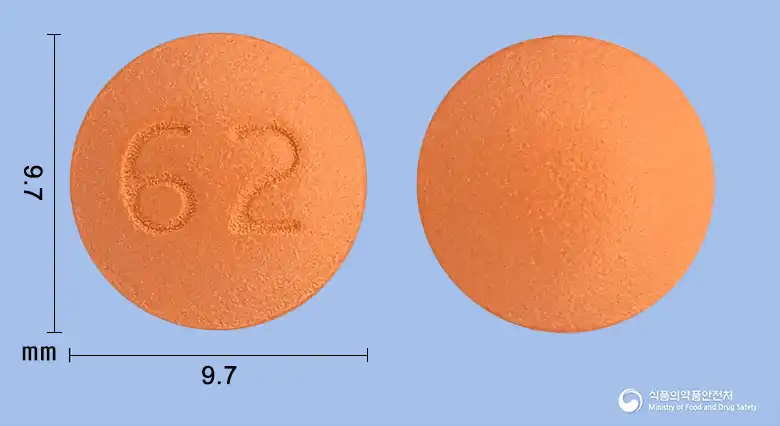
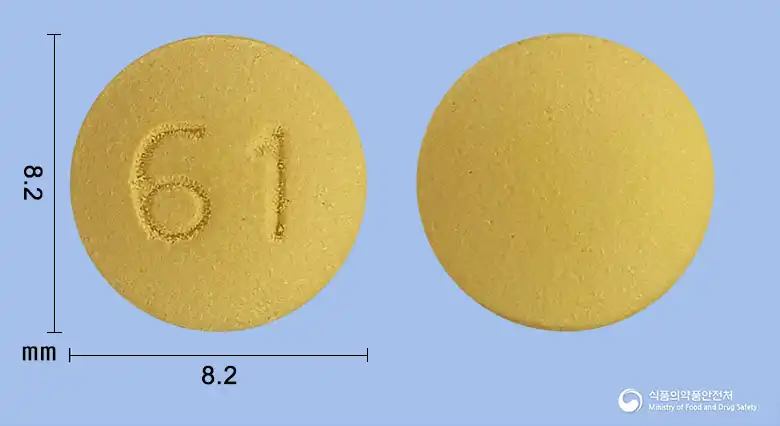
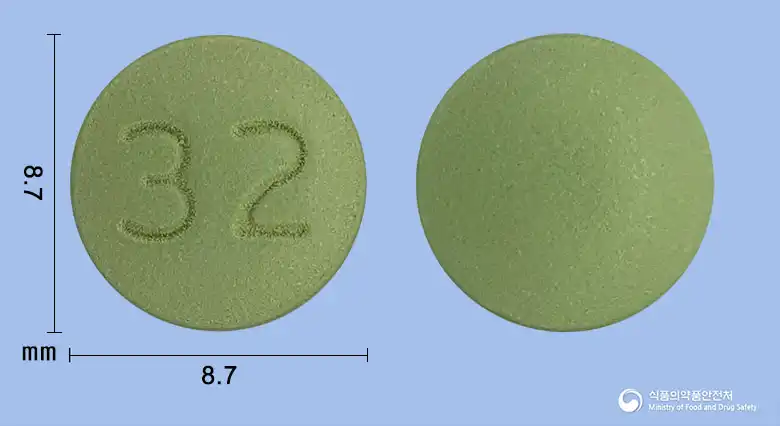
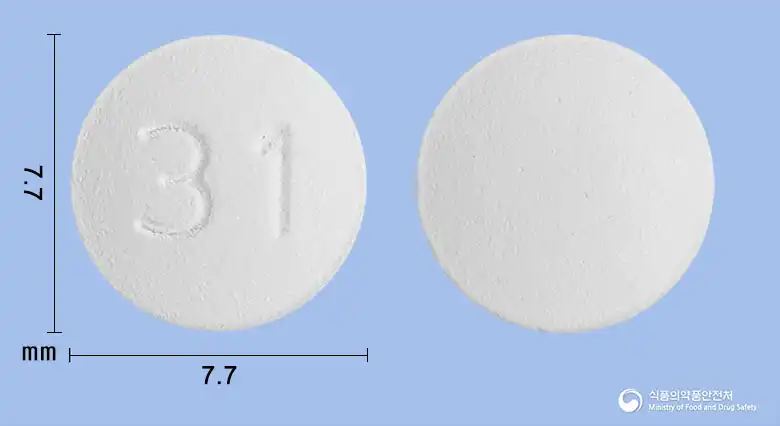
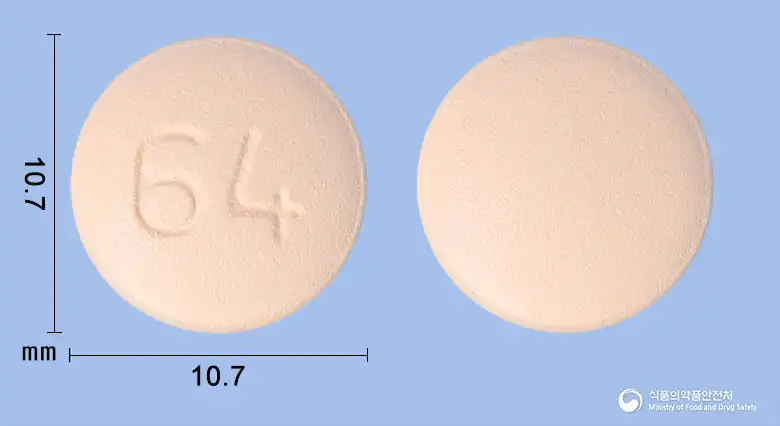
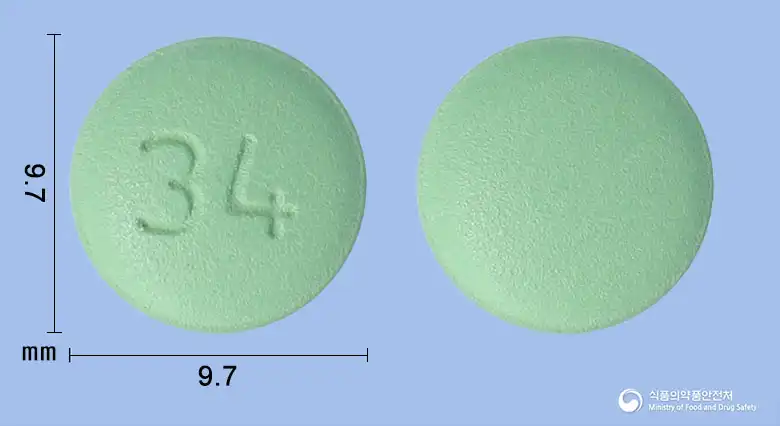
Orange rectangular film-coated tablets
Package unit
30 tablets/box [6 tablets/PTP*5]
Same-ingredient medicines
Even with the same ingredient, strength, dosage form and how it is taken can differ.
Even with the same ingredient, the dose and directions can differ by strength and dosage form. Talk to a doctor or pharmacist before switching from a medication you are already taking.
Questions about this medicine
No questions yet.
For anything that needs medical judgment, consult a doctor or pharmacist.
This drug information is based on data provided by the Korea Ministry of Food and Drug Safety. Consult a doctor or pharmacist for accurate dosage, administration, and usage instructions.

 한국어
 English
 日本語
 中文(简体)