
 한국어
한국어 English
 日本語
日本語 中文(简体)
 Viewing now
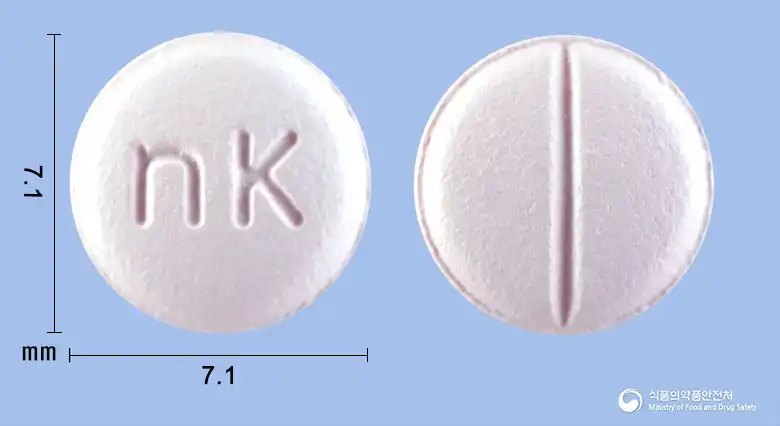
Pitavaren Tablet 2 mg (Pitavastatin Calcium Hydrate)
Pitavastatin Calcium Hydrate 2.205mg
Tablet · Prescription medication
Nexpharm Korea Co., Ltd.
MFDS item code 202002656 · Approved 2020.04.14 · Insurance code 662504460
Improvement of hypercholesterolemia and dyslipidemia
This medication is used to assist in the treatment of patients with primary hypercholesterolemia and mixed dyslipidemia. It is particularly effective in lowering elevated total cholesterol, LDL cholesterol, apo-B proteins, and triglyceride levels, while increasing the good cholesterol known as HDL cholesterol in patients with heterozygous familial and non-familial primary hypercholesterolemia, and Fredrickson type IIa and IIb dyslipidemia. This medication is used in conjunction with dietary management to improve blood lipid levels and is beneficial for protecting cardiovascular health and treating dyslipidemia.
For adults, the usual initial dose of pitavastatin calcium is 1 to 2 mg taken once daily. If the LDL cholesterol lowering effect is insufficient, the dosage may be increased up to a maximum of 4 mg daily. The dosage should be adjusted appropriately depending on LDL cholesterol levels, treatment goals, and patient response at intervals of 4 weeks or more.
This medication should not be administered to certain patients. For example, it should not be used in patients allergic to any components of this medication, patients with severely impaired liver function, pregnant or nursing women, and it should not be administered to children as there is no experience with such use. Additionally, patients allergic to soybean oil or peanuts should not take this medication. Patients with renal or liver function issues should use this medication with extreme caution, especially when combined with certain other medications, as muscle damage or worsening renal function may occur. During the course of this medication, any unusual symptoms such as muscle pain, weakness, dyspepsia, rash, or itching may occur, and if such symptoms arise, medical advice should be sought immediately. Regular monitoring is necessary as hepatic dysfunction or abnormalities in blood tests may develop. This medication may cause a severe muscle-related side effect known as rhabdomyolysis, so if symptoms such as muscle pain or weakness occur, use should be discontinued immediately. Furthermore, this drug should not be used by pregnant or nursing women as it may be harmful to a fetus or baby, and elderly patients or those with diabetes should also be especially cautious. Consideration should be given to the potential for interactions with other medications, so it is essential to inform a doctor or pharmacist of any other medications being taken. During storage, keep out of the reach of children and store in the original container to maintain quality.
Hives, severe swelling, chest tightness, difficulty breathing, cold sweat, pallor, severe rash with high fever, blisters, peeling skin, pain in oral/ocular mucosa, shortness of breath or difficulty breathing, asthma attacks, respiratory abnormalities accompanied by cough and fever, yellowing of skin or eyes (jaundice), extreme lethargy, sudden and severe headache, thunderclap headache, seizures, altered consciousness, visual disturbances, paralysis, urinary frequency
Not everyone experiences these, and they can vary from person to person.
This medication is sensitive to light and should be stored in a container that protects it from light exposure, kept at room temperature between 1°C and 30°C. Therefore, it is important to avoid direct sunlight and not store it in excessively hot or cold environments.
Very light yellow-red round film-coated tablet
30 tablets/bottle, 100 tablets/bottle
Even with the same ingredient, strength, dosage form and how it is taken can differ.
Viewing nowPitavastatin Calcium Hydrate 2.205mg
Tablet · Prescription medication
Nexpharm Korea Co., Ltd.
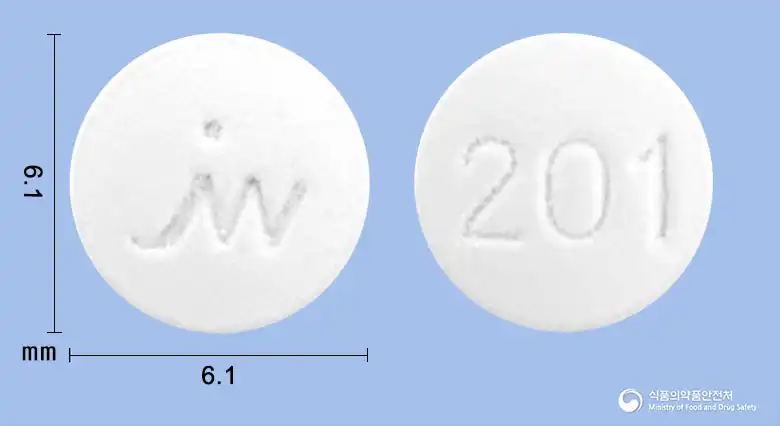
Pitavastatin Calcium Hydrate 1mg
Tablet · Prescription medication
JW Pharmaceutical Corporation
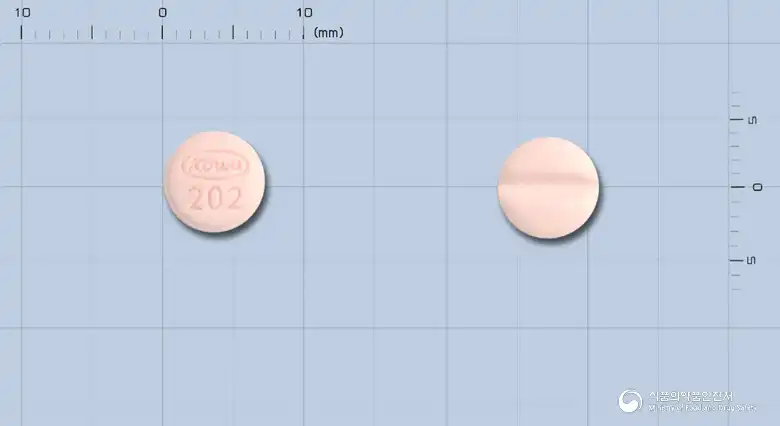
Pitavastatin Calcium Hydrate 2mg
Tablet · Prescription medication
JW Pharmaceutical Corporation
Pitavastatin Calcium 2mg
Tablet · Prescription medication
Youngjin Pharmaceutical Co., Ltd.
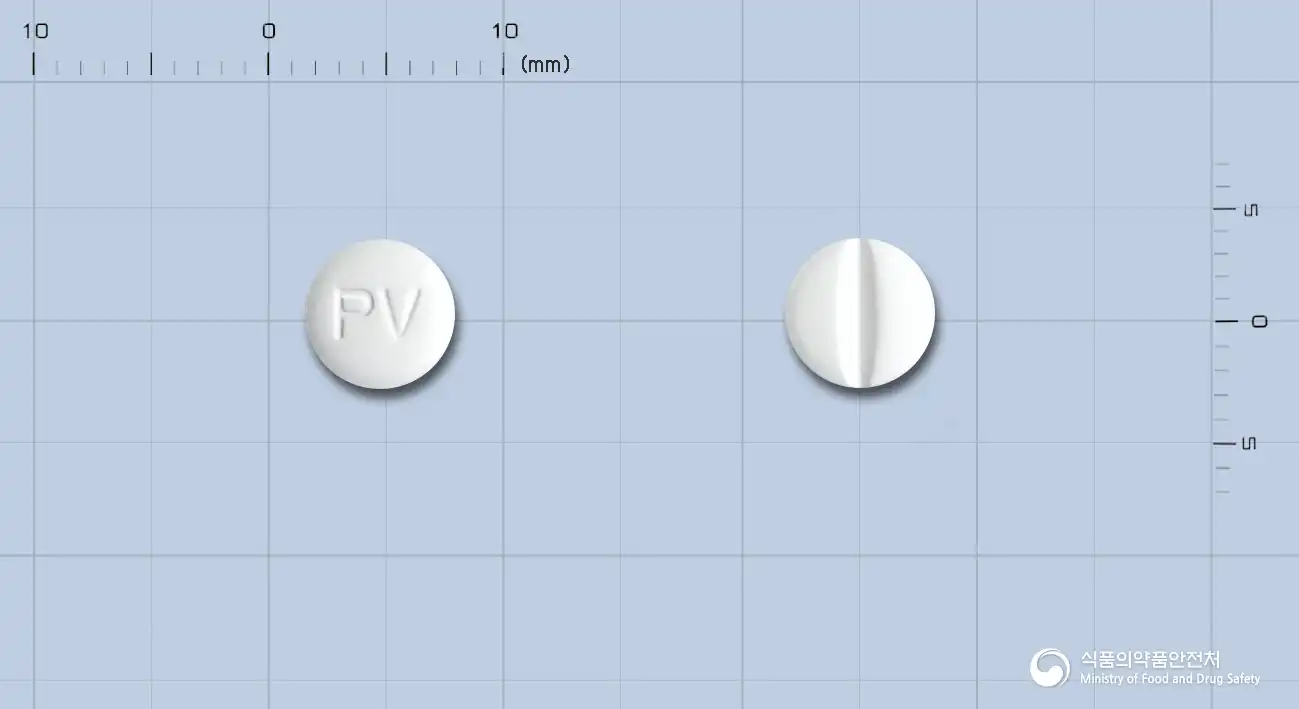
Pitavastatin Calcium 2mg
Tablet · Prescription medication
Samchundang Pharmaceutical Co., Ltd.
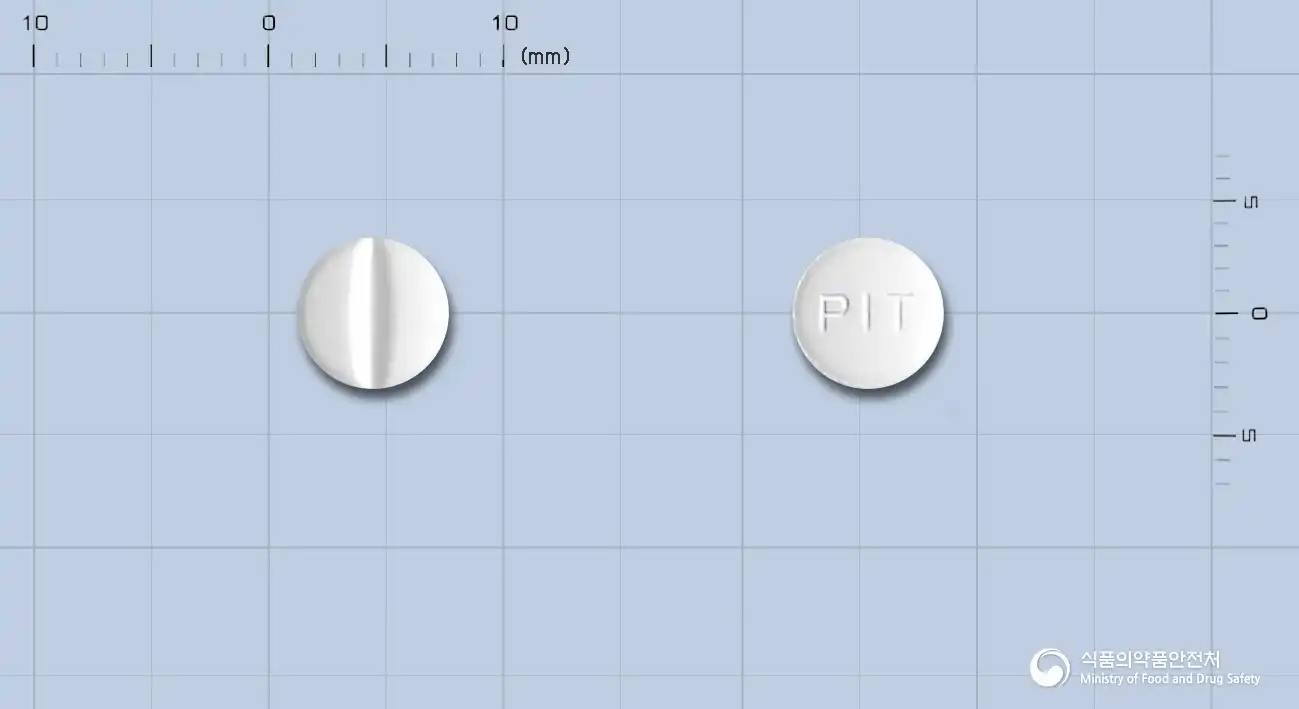
Pitavastatin Calcium 2mg
Tablet · Prescription medication
Daewon Pharmaceutical Co., Ltd.
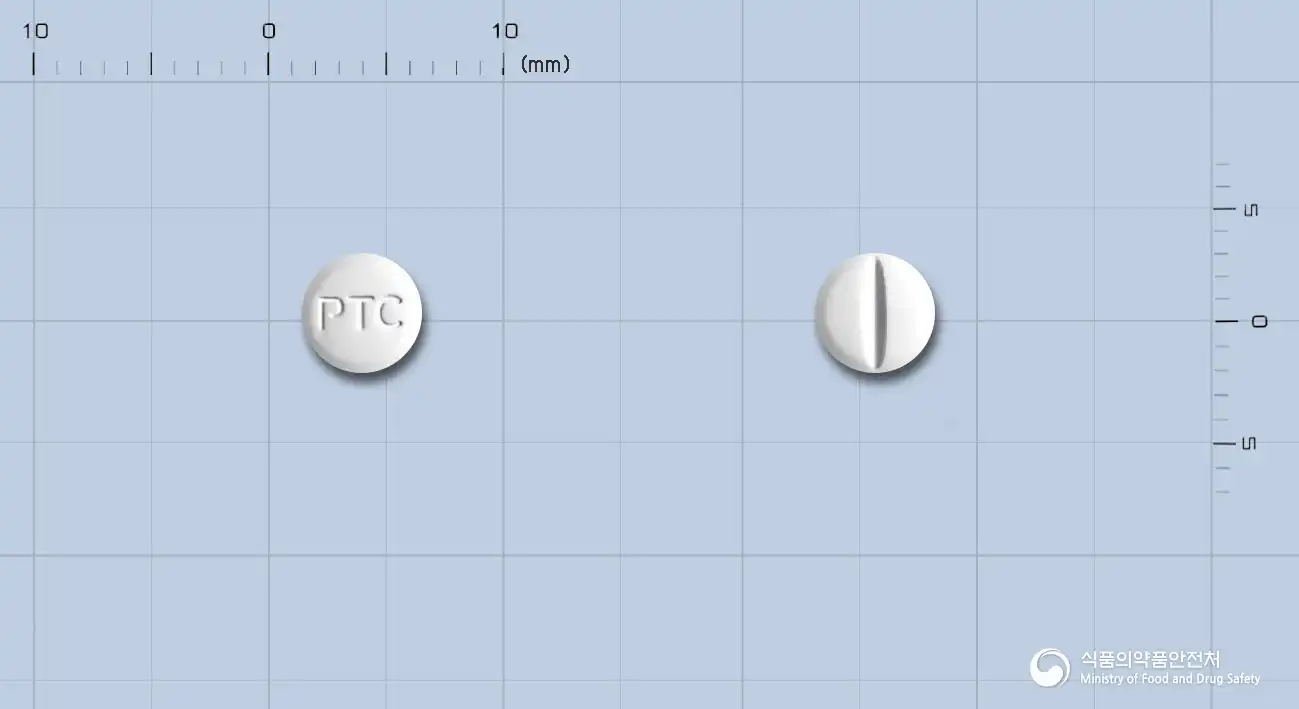
Pitavastatin Calcium 2mg
Tablet · Prescription medication
Samnam Pharmaceutical Co., Ltd.
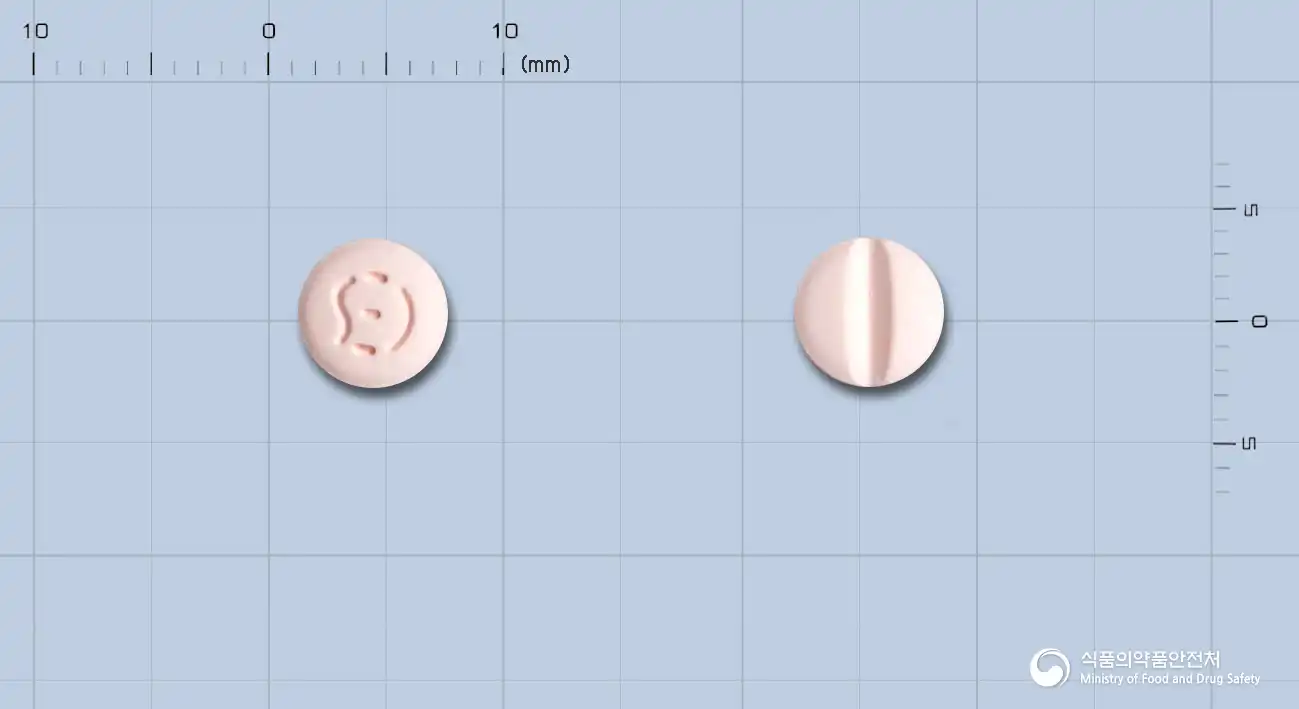
Pitavastatin Calcium 2mg
Tablet · Prescription medication
Seoul Pharmaceutical Co., Ltd.
Even with the same ingredient, the dose and directions can differ by strength and dosage form. Talk to a doctor or pharmacist before switching from a medication you are already taking.
No questions yet.
For anything that needs medical judgment, consult a doctor or pharmacist.
This drug information is based on data provided by the Korea Ministry of Food and Drug Safety.
Consult a doctor or pharmacist for accurate dosage, administration, and usage instructions.