
 한국어
 English
 日本語
 中文(简体)
Dosage form image
Viewing nowAgafen Sustained Release Tablets (Aceclofenac)
Aceclofenac 100mg
Tablet · Prescription medication
Korea Prime Pharmaceutical Co., Ltd.
MFDS item code 202002317 · Approved 2020.04.02
This product's status changed to Expired on 2025.04.02. It may no longer be sold, so consult a doctor or pharmacist before taking it.
Relief of arthritis and spondylitis, periarthritis and rheumatic pain, and lower back pain and sciatica
This medication is used for the relief of pain caused by rheumatoid arthritis, ankylosing spondylitis, osteoarthritis (degenerative arthritis), periartritis of the scapula-humeral joint, back pain, sciatica, and non-articular rheumatism.
○ Adults: Take 200 mg of aceclofenac per dose once daily. Take this medicine whole; do not chew or crush it. To minimize cardiovascular adverse reactions, this medicine should be administered at the lowest effective dose for the shortest possible duration.
This drug should be discussed with a doctor or pharmacist if taken regularly by someone who consumes more than three drinks a day. This medication can cause gastrointestinal bleeding, so caution is necessary. This drug may increase the risk of cardiovascular diseases, so patients with cardiovascular disease or risk factors should use it cautiously. Dosage and duration should be minimized, and therapeutic responses should be periodically monitored. This drug can cause serious gastrointestinal issues such as gastrointestinal bleeding, ulcers, and perforation. Therefore, patients who are elderly or have a history of gastrointestinal diseases should use it cautiously. If gastrointestinal symptoms occur during use, medical advice should be sought immediately. Patients with active peptic ulcers or bleeding, hypersensitivity to this drug or similar drugs, asthma or allergy histories, heart failure, and pregnant women in late pregnancy should not take this medication. Patients with kidney or liver dysfunction or those who are hypertensive, asthmatic, or elderly should use this drug cautiously, and if necessary, under medical supervision. This medication can cause various side effects, including dizziness, gastrointestinal disturbances, elevated liver enzyme levels, skin rashes, etc., so if abnormal symptoms occur, consult medical personnel immediately. Before taking, it is advisable to carefully consider the risks and benefits of this medication and to use the minimum effective dose for the shortest possible duration. This drug can interact with other medications, so those who are on anticoagulants, diuretics, antihypertensives, or antidiabetic medications should consult their physician. It is preferable for pregnant or breastfeeding women to avoid taking this medication, and women planning pregnancy should consult a doctor before use. Safety in children and adolescents has not been established, so it is advisable not to use it. Elderly patients have a higher risk of gastrointestinal bleeding and perforation, so special caution is required when taking this drug. In case of overdose, symptoms may include gastrointestinal irritation, hypotension, respiratory depression, seizures, etc., so seek medical attention promptly.
Not everyone experiences these, and they can vary from person to person.
This medication may be sensitive to air or moisture, so it should be stored in a tightly sealed container. It is also advisable to keep it at room temperature between 1°C and 30°C. Proper storage helps maintain the drug's effectiveness safely.
White, biconvex, rectangular film-coated tablets
30 tablets/bottle, 100 tablets/bottle
Even with the same ingredient, strength, dosage form and how it is taken can differ.
Aceclofenac 100mg
Tablet · Prescription medication
Korea Prime Pharmaceutical Co., Ltd.
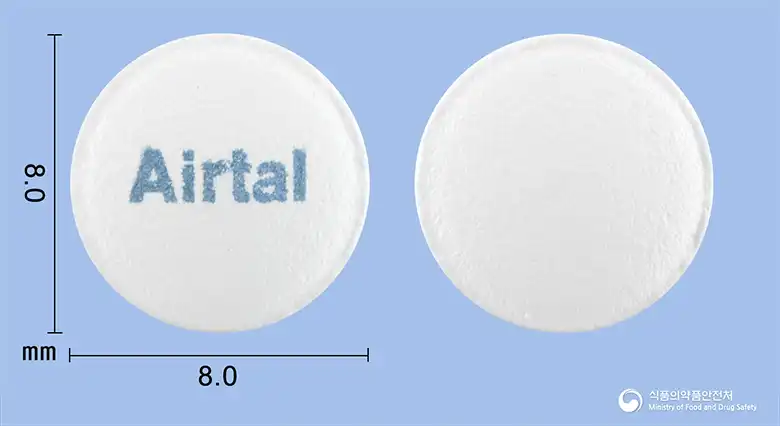
Aceclofenac 100mg
Tablet · Prescription medication
Daewoong Pharmaceutical Co., Ltd.
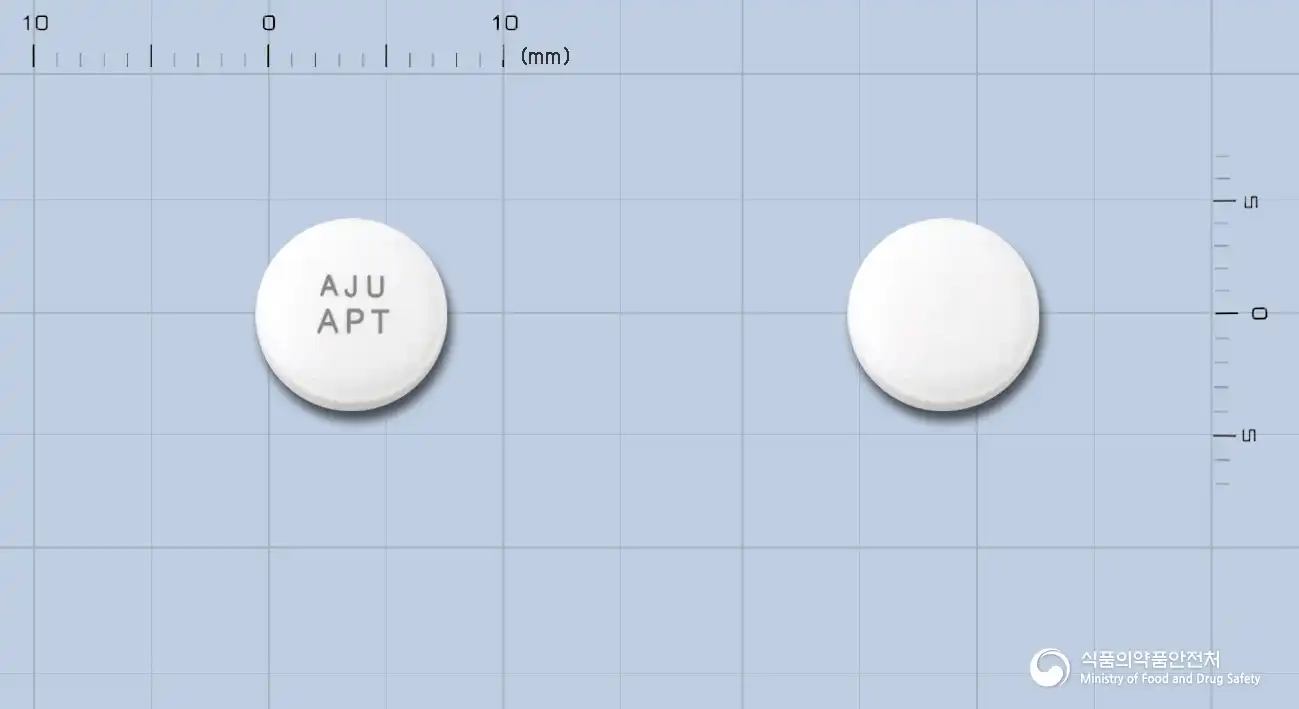
Aceclofenac 100mg
Tablet · Prescription medication
Aju Pharm Co., Ltd.
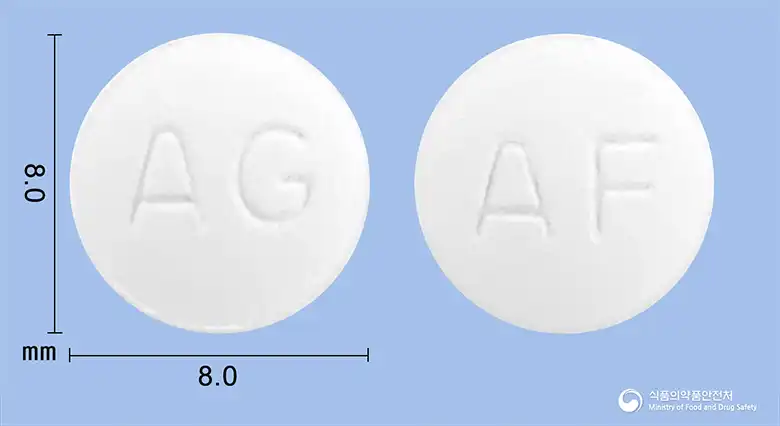
Aceclofenac 100mg
Tablet · Prescription medication
Angkuk Pharmaceutical Co., Ltd.
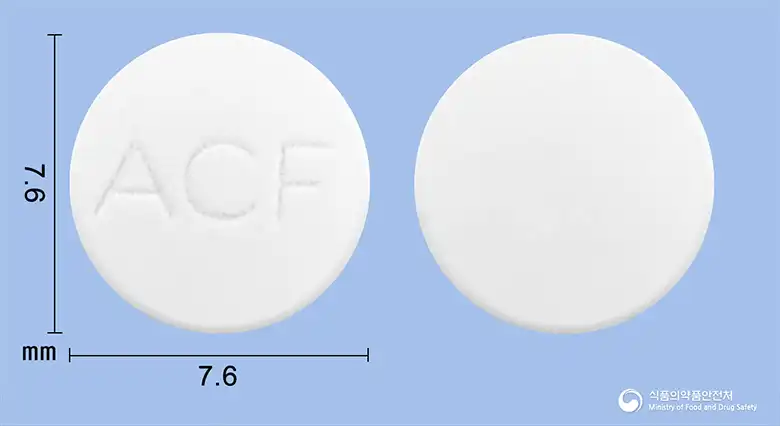
Aceclofenac 100mg
Tablet · Prescription medication
Dong-A ST Co., Ltd.
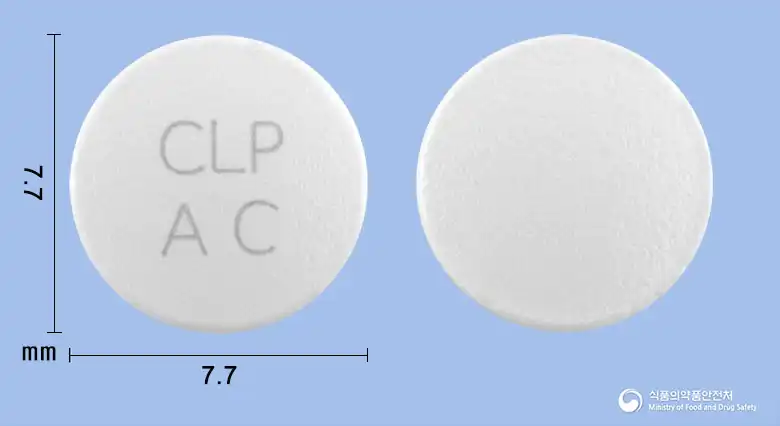
Aceclofenac 100mg
Tablet · Prescription medication
Celltrion Pharmaceutical Co., Ltd.
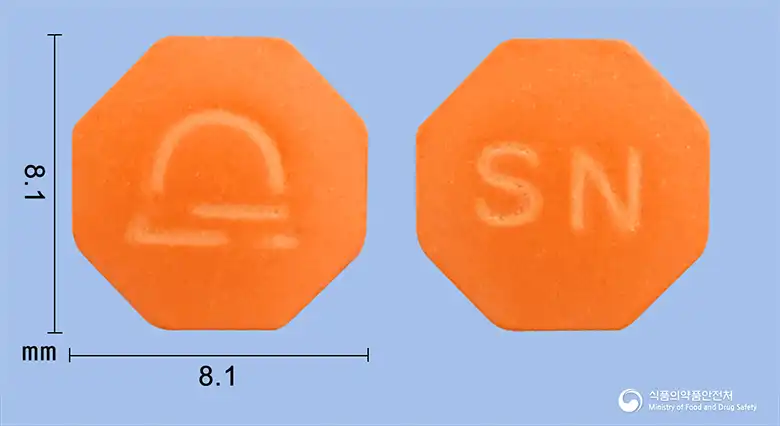
Aceclofenac 100mg
Tablet · Prescription medication
Daewon Pharmaceutical Co., Ltd.
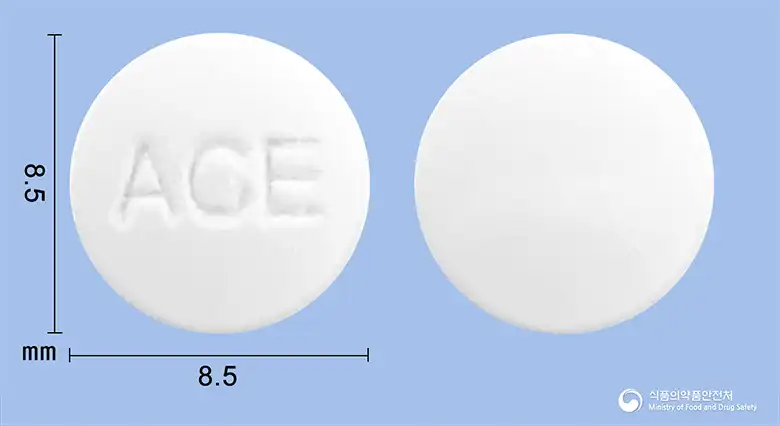
Aceclofenac 100mg
Tablet · Prescription medication
Kyungdong Pharmaceutical Co., Ltd.
Even with the same ingredient, the dose and directions can differ by strength and dosage form. Talk to a doctor or pharmacist before switching from a medication you are already taking.
No questions yet.
For anything that needs medical judgment, consult a doctor or pharmacist.
This drug information is based on data provided by the Korea Ministry of Food and Drug Safety.
Consult a doctor or pharmacist for accurate dosage, administration, and usage instructions.