
 한국어
 English
 日本語
 中文(简体)
Dosage form image
Viewing nowGreen Cross Cilostazol Extended-Release Capsule 200mg
Cilostazol 200mg
Hard capsule · Prescription medication
Green Cross Corp.
MFDS item code 202001136 · Approved 2020.02.18
This product's status changed to Approval withdrawn on 2024.06.14. It may no longer be sold, so consult a doctor or pharmacist before taking it.
Prevention of recurrent cerebral infarction (excluding cardioembolic cerebral infarction); improvement of ischemic symptoms of chronic arterial occlusive disease
This medication is used to improve ischemic symptoms such as ulcers, pain, and cold sensitivity due to chronic arterial occlusive disease. It also has the effect of preventing recurrence after a cerebral infarction, thus helping to maintain cardiovascular health. It primarily aids in improving blood circulation to help maintain bodily functions smoothly. With these effects, it improves the quality of life for patients and contributes to symptom relief. Therefore, this medication is used for the management of chronic arterial diseases and after a cerebral infarction.
The usual dose for adults is 200mg of cilostazol orally once daily. Take this medicine on an empty stomach, avoiding meals. (Refer to “5. General Precautions, item 6)” under Precautions for Use)
This medication may increase heart rate, which could pose a risk of angina symptoms; therefore, careful observation of symptoms such as chest pain is necessary. It should not be used in patients with a risk of bleeding, recent hemorrhagic stroke, or active peptic ulcer, and patients with congestive heart failure may also experience worsening symptoms from this medication. Women who are allergic to this medication, pregnant, possibly pregnant, or breastfeeding should avoid using it. Patients taking anticoagulants, menstruating women, patients with coronary artery stenosis, those with severely impaired kidney or liver function, diabetic patients, hypertensive patients, and those with cardiac arrhythmias should use this medication cautiously. This medication may cause side effects such as headache, diarrhea, palpitations, joint swelling, and chest discomfort, while severe side effects like bleeding, blood abnormalities, pneumonia, and cardiac problems have been reported rarely. Dizziness may occur during use, so caution is needed when driving or operating machinery. Taking this medication with meals may increase blood concentration, elevating the risk of side effects; thus, it is recommended to take it on an empty stomach. Also, since it is metabolized in the liver, caution should be taken when taken with certain antibiotics, gastrointestinal medications, or grapefruit juice, as this could increase drug concentration. It is contraindicated in pregnant or breastfeeding women, as animal studies have reported harmful effects on the fetus, hence special care should be observed. Safety in children and neonates has not been established, and elderly patients may have reduced bodily functions, requiring dosage adjustments and careful observation. Overdose may result in headache, diarrhea, hypotension, and arrhythmias; immediate medical attention is required in such cases.
Not everyone experiences these, and they can vary from person to person.
This medication may be sensitive to air or moisture, so it should be stored in a tightly sealed container. It is best to maintain storage temperature between 1 to 30 degrees Celsius at room temperature to ensure the long-term efficacy and safety of the medication.
A hard capsule with a white upper and lower shell containing white or light yellow granules.
30 capsules/bottle, 200 capsules/bottle
Even with the same ingredient, strength, dosage form and how it is taken can differ.
Cilostazol 200mg
Hard capsule · Prescription medication
Green Cross Corp.
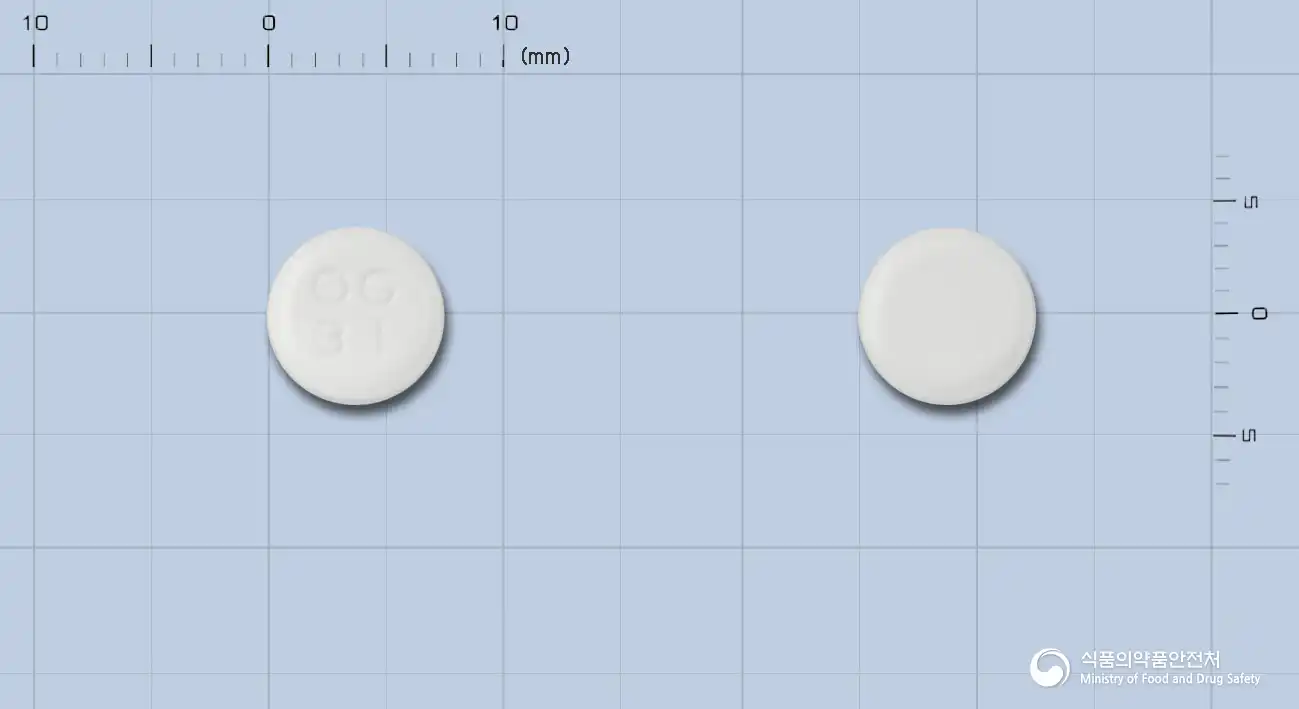
Cilostazol 50mg
Tablet · Prescription medication
Otsuka Pharmaceutical Co., Ltd.
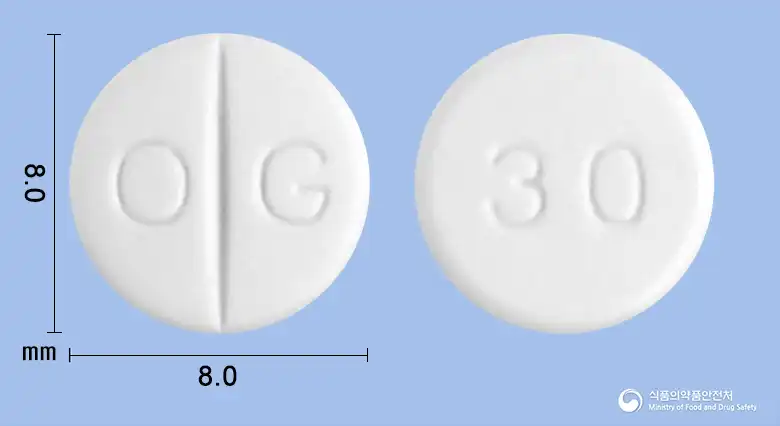
Cilostazol 100mg
Tablet · Prescription medication
Korea Otsuka Pharmaceutical Co., Ltd.
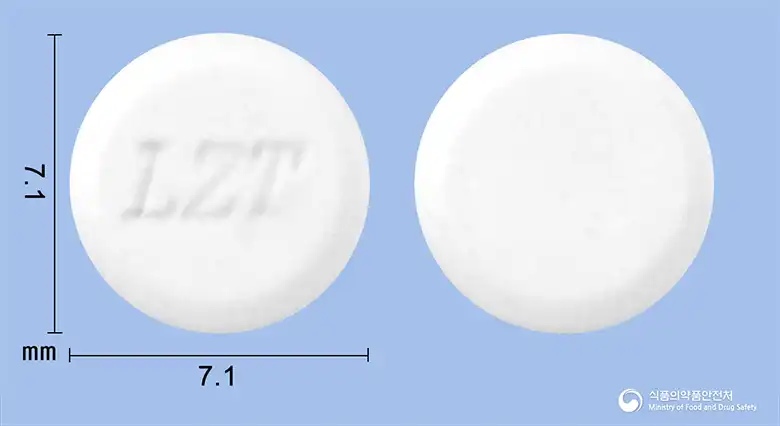
Cilostazol 50mg
Tablet · Prescription medication
Kyungdong Pharmaceutical Co., Ltd.
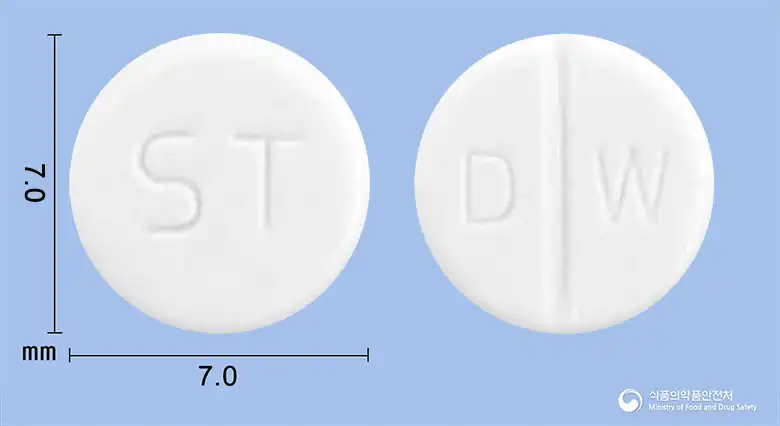
Cilostazol 50mg
Tablet · Prescription medication
Daewon Pharmaceutical Co., Ltd.
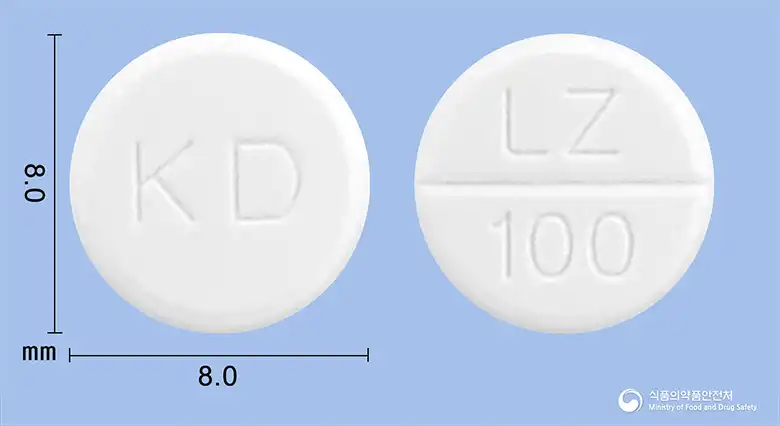
Cilostazol 100mg
Tablet · Prescription medication
Kyungdong Pharmaceutical Co., Ltd.
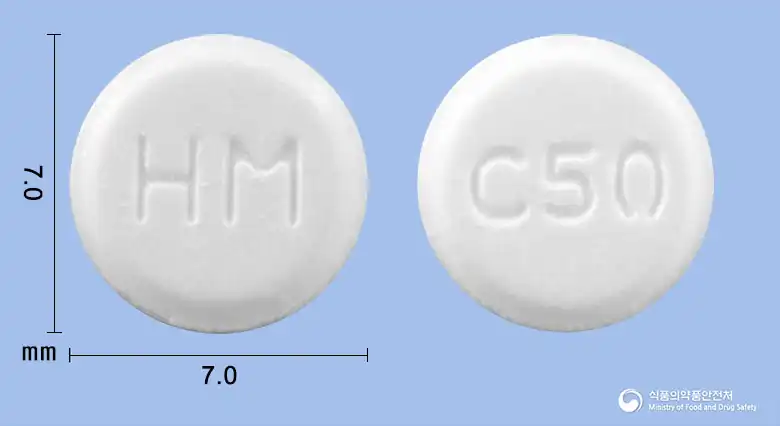
Cilostazol 50mg
Tablet · Prescription medication
Hanmi Pharmaceutical Co., Ltd.
Cilostazol
Prescription medication
Daehan New Pharm Co., Ltd.
Even with the same ingredient, the dose and directions can differ by strength and dosage form. Talk to a doctor or pharmacist before switching from a medication you are already taking.
No questions yet.
For anything that needs medical judgment, consult a doctor or pharmacist.
This drug information is based on data provided by the Korea Ministry of Food and Drug Safety.
Consult a doctor or pharmacist for accurate dosage, administration, and usage instructions.