
 한국어
한국어 English
 日本語
日本語 中文(简体)
 Viewing now
Miniflo Soft Capsule 2g (Omega-3 Ethyl Ester 90)
Omega-3-Acid Ethyl Esters 90 2000mg
Soft capsule · Prescription medication
Jeil Pharmaceutical Co., Ltd.
MFDS item code 202000950 · Approved 2020.02.13 · Insurance code 645405680
Improvement of hypertriglyceridemia and combined hypercholesterolemia
This medication is used as a dietary supplement to reduce elevated triglyceride levels in patients with endogenous hypertriglyceridemia. It may be administered alone to patients with type IV hypertriglyceridemia. Additionally, in patients with combined type IIb hypercholesterolemia and hypertriglyceridemia, it is administered in combination with statin drugs to enhance efficacy. This combination therapy is also applicable to type IIb patients whose triglyceride levels are not controlled. Thus, this medication aids in the treatment of various types of hypertriglyceridemia to improve blood triglyceride levels.
This medication requires the implementation of an appropriate lipid-lowering diet prior to administration and this should continue during the treatment period. It should be taken with food to avoid gastrointestinal disturbances. For hypertriglyceridemia, the usual initial dose is 2g per day, which may be increased to 4g per day if necessary. It can be administered once or twice daily.
This medication should not be used by individuals with allergies to its components or by children under 18 years of age. Patients at high risk of bleeding due to severe trauma or post-surgery, those with liver function issues, and individuals with fish allergies should use this medication cautiously. Various side effects may occur during treatment, such as body aches, back pain, cold symptoms, dyspepsia, rashes, and altered taste; thus, caution is required. Particularly, issues related to the heart, gastrointestinal disturbances, muscle pain, dizziness, and respiratory problems have been reported, so if these symptoms occur, immediate consultation with healthcare professionals is necessary. Before starting treatment, it is important to check triglyceride levels through blood tests, and dietary adjustments and exercise should be implemented in conjunction. Regular blood tests should also be performed during treatment to monitor the efficacy and side effects of the medication, and treatment may be discontinued if there is no effect. This medication can affect blood coagulation, so patients on anticoagulants should be closely monitored for bleeding risks. Pregnant women should only use it when absolutely necessary due to uncertain safety for the fetus, and nursing mothers should also use it cautiously. Elderly patients may use it, but the possibility of side effects should be considered based on their physical condition. In case of overdose, there is no specific antidote, and treatment should be symptom-based while ensuring it is kept out of children's reach. Experience with this medication in combination with other lipid-lowering agents is limited, so it is advisable to consult with a professional when taking it with other drugs. Cardiac side effects, such as atrial fibrillation, have been reported, and patients with heart conditions should carefully monitor dose and condition.
Not everyone experiences these, and they can vary from person to person.
This medication should be stored in a tightly sealed container to prevent air or moisture ingress. Storage temperature should remain below 25 degrees Celsius, and care should be taken to avoid freezing.
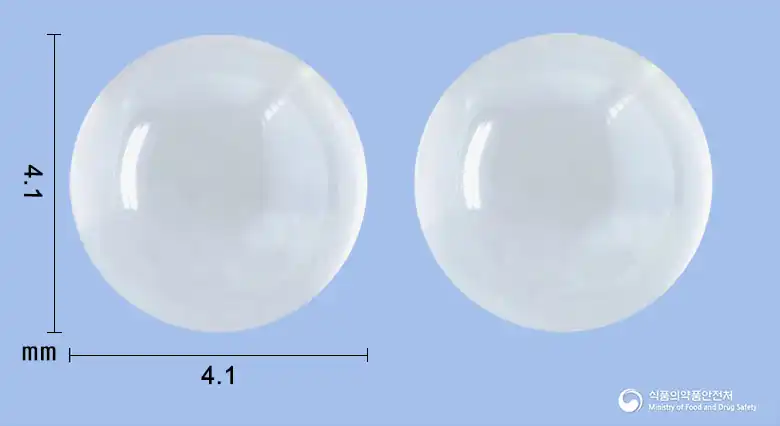
Transparent round soft capsules filled with a yellowish oily substance contained in aluminum foil pouches.
30 pouches/box
Even with the same ingredient, strength, dosage form and how it is taken can differ.
Viewing nowOmega-3-Acid Ethyl Esters 90 2000mg
Soft capsule · Prescription medication
Jeil Pharmaceutical Co., Ltd.
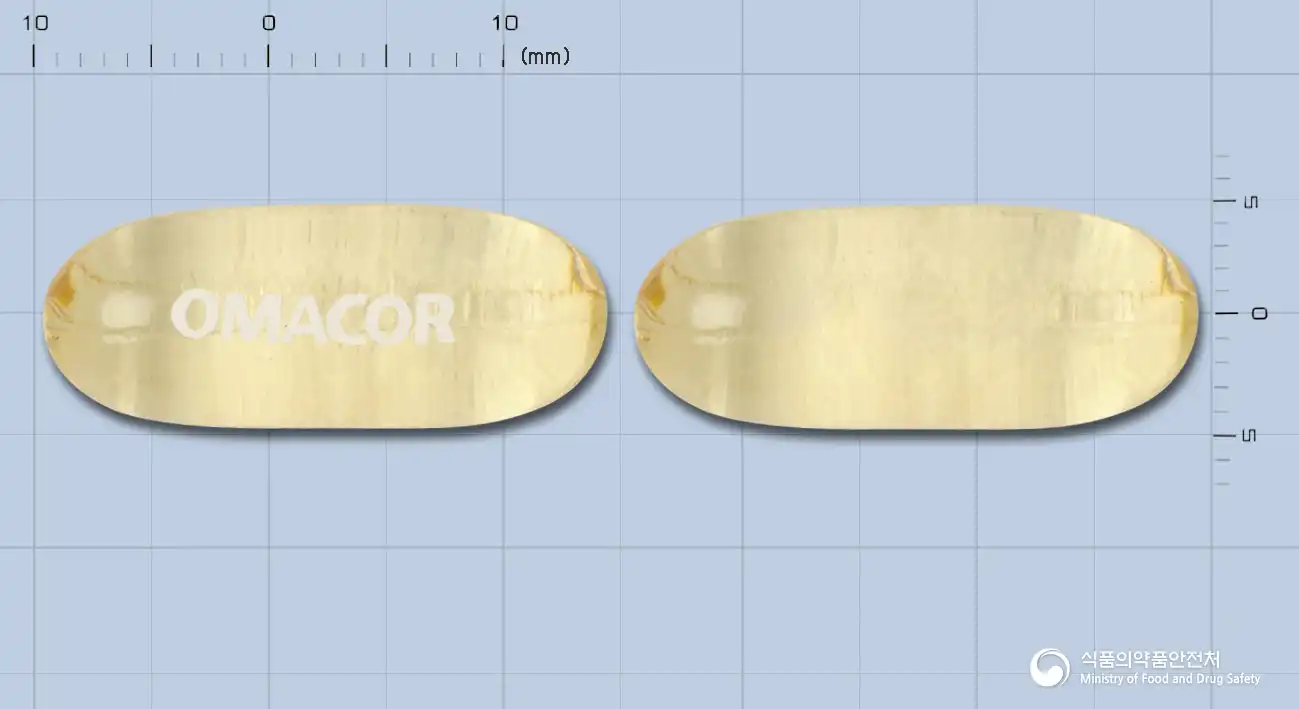
Omega-3-Acid Ethyl Esters 90 1000mg
Soft capsule · Prescription medication
Geonil Pharmaceutical Co., Ltd.
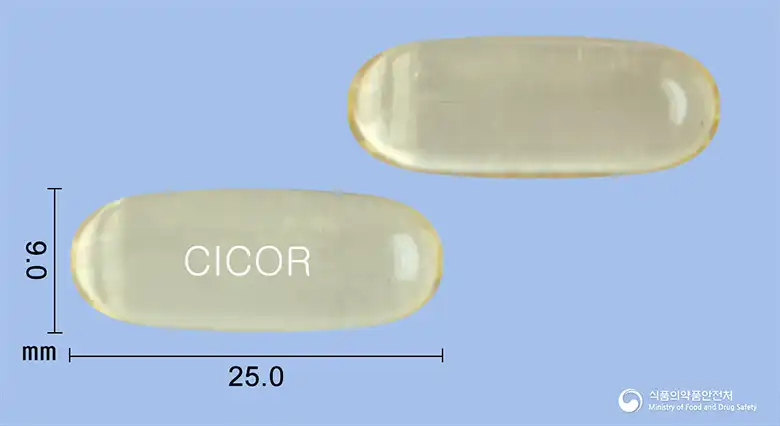
Omega-3-Acid Ethyl Esters 90 1000mg
Soft capsule · Prescription medication
Gunil Biopharm Co., Ltd.
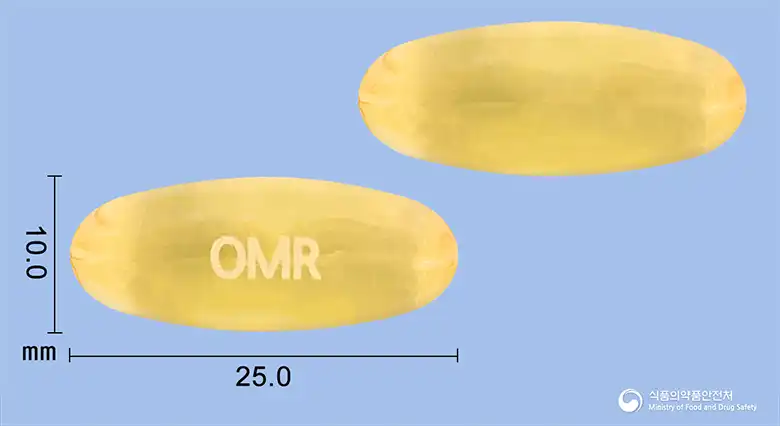
Omega-3-Acid Ethyl Esters 90 1000mg
Soft capsule · Prescription medication
Youngjin Pharmaceutical Co., Ltd.
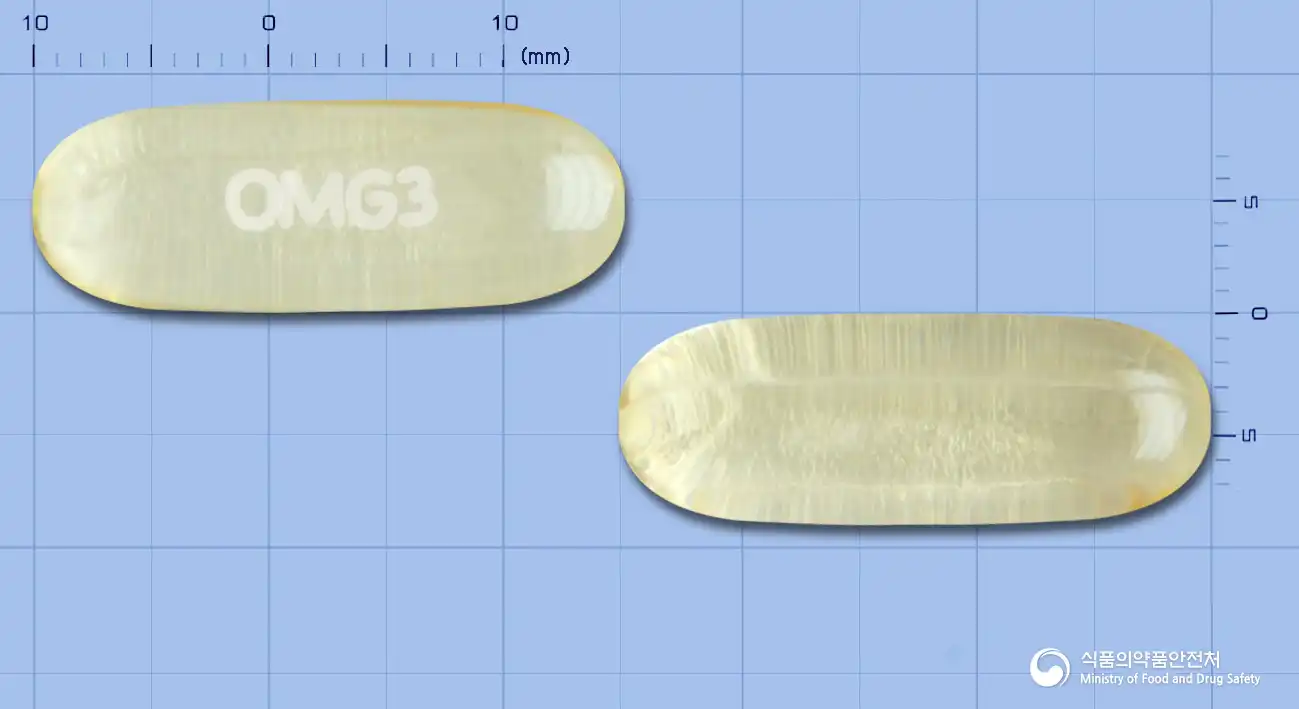
Omega-3-Acid Ethyl Esters 90 1000mg
Soft capsule · Prescription medication
YuYu Pharmaceuticals Co., Ltd.
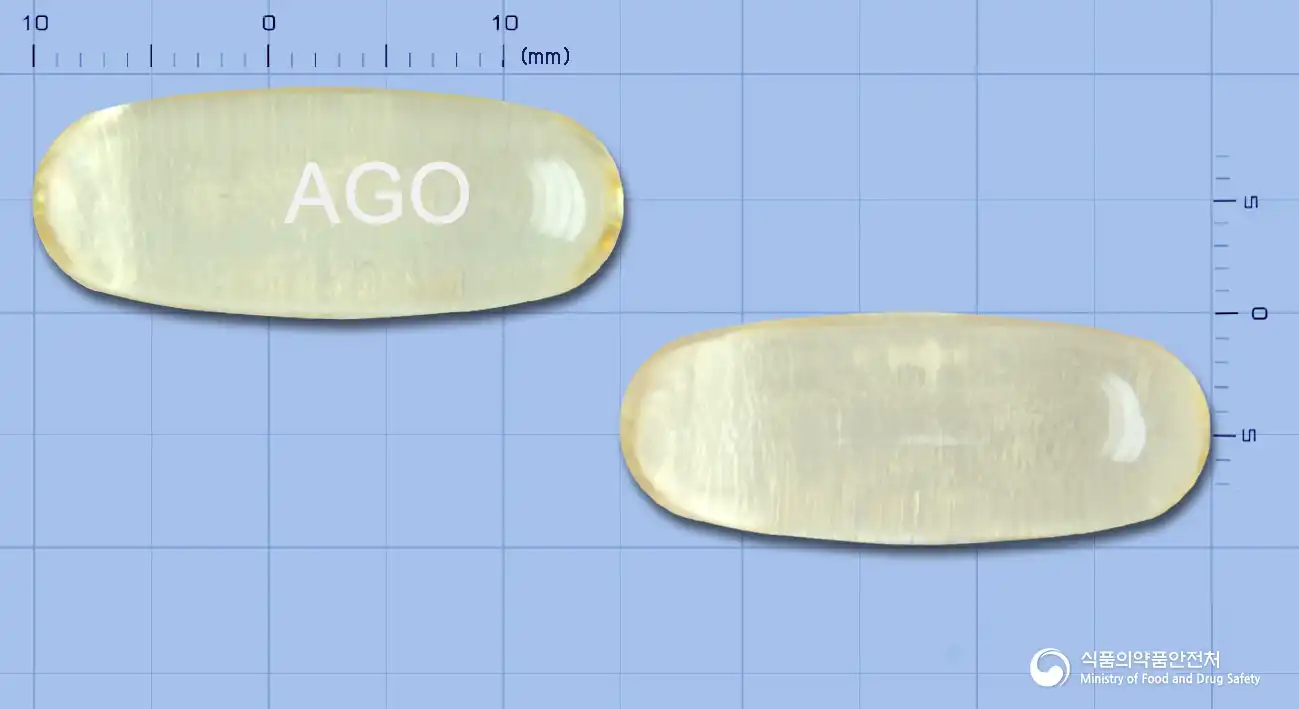
Omega-3-Acid Ethyl Esters 90 1000mg
Soft capsule · Prescription medication
Anguk Pharmaceutical Co., Ltd.
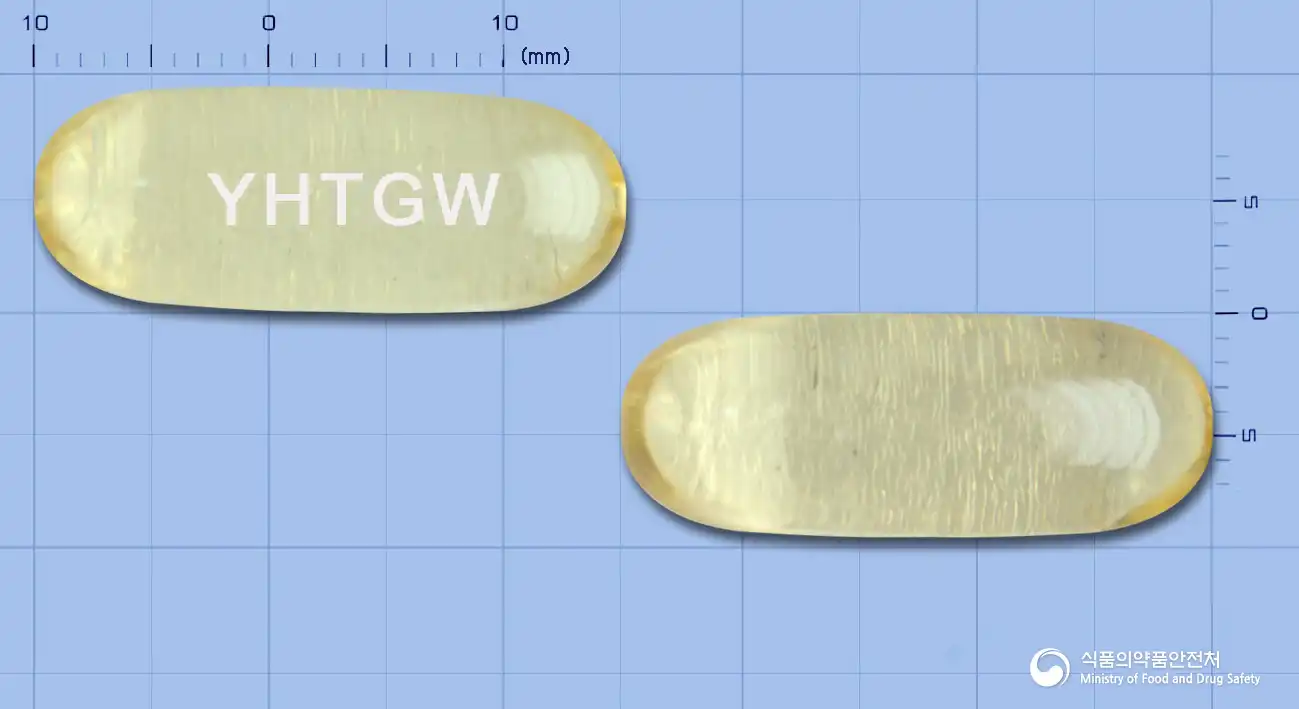
Omega-3-Acid Ethyl Esters 90 1000mg
Soft capsule · Prescription medication
Yuhan Corporation
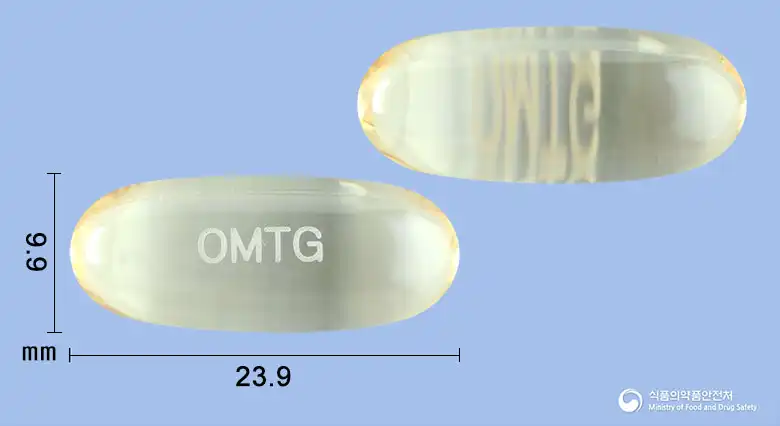
Omega-3-Acid Ethyl Esters 90 1000mg
Soft capsule · Prescription medication
Vivozon Pharmaceutical Co., Ltd.
Even with the same ingredient, the dose and directions can differ by strength and dosage form. Talk to a doctor or pharmacist before switching from a medication you are already taking.
No questions yet.
For anything that needs medical judgment, consult a doctor or pharmacist.
This drug information is based on data provided by the Korea Ministry of Food and Drug Safety.
Consult a doctor or pharmacist for accurate dosage, administration, and usage instructions.