
 한국어
한국어 English
 日本語
日本語 中文(简体)
 Viewing now
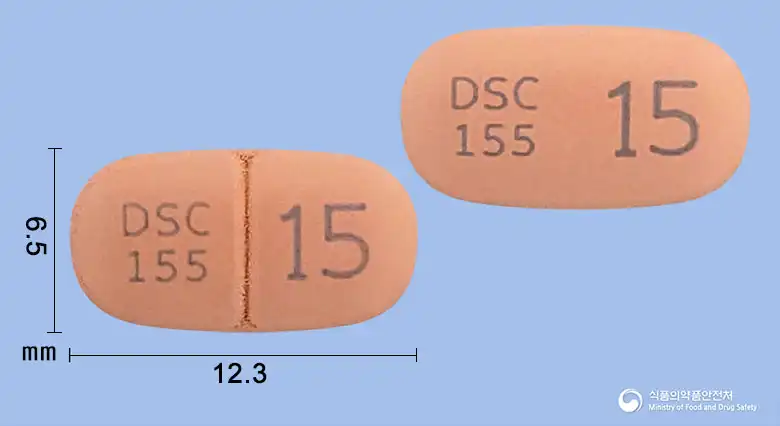
Tali Tablets 15 mg (Mirogabalin Besilate)
Mirogabalin Besilate 26.34mg
Tablet · Prescription medication
Hanmi Daiichi Sankyo Co., Ltd.
MFDS item code 202000399 · Approved 2020.01.23
Relief of neuropathic pain
This medication is used to relieve neuropathic pain. This pain occurs due to nerve damage, and the medication can reduce pain and improve the quality of life for patients. Therefore, it is used effectively for the treatment of neuropathic pain.
This medication is administered orally regardless of meals. The usual starting dose may be 5 mg taken orally twice daily. Subsequently, the dose may be gradually increased by 5 mg every week for a maximum of 15 mg taken twice daily, based on the individual patient's age and symptoms. The single dose may be adjusted to a range of 10 mg to 15 mg.
This medication should not be used by patients who have an allergic reaction to this medication or its ingredients. Patients with diabetes who have experienced weight gain while taking this medication may need to adjust the dosage of their blood sugar control medications. Patients with reduced kidney function, elderly patients over the age of 65, and women who are pregnant or breastfeeding need special caution when using this medication. Symptoms such as drowsiness, dizziness, and loss of consciousness may occur during treatment, which could increase the risk of falls and injuries; therefore, careful observation is necessary. This medication may affect liver function, so if symptoms of liver dysfunction appear, the medication should be stopped immediately and a doctor should be consulted. Weight gain may occur, so it is advisable to regularly monitor weight and consider dietary changes or exercise as needed. This medication is not a cure for the underlying causes of neuralgia, but rather an adjunctive treatment to alleviate symptoms, so fundamental cause treatment should also be pursued. Suddenly stopping this medication may cause withdrawal symptoms such as insomnia, nausea, diarrhea, and appetite loss, so the dosage should be gradually reduced. Visual disturbances such as blurred vision or double vision may occur, so these symptoms should be reported to a doctor immediately. This medication may increase blood concentration when taken with specific drugs, raising the risk of side effects; therefore, it is essential to consult a doctor or pharmacist if taking other medications. Avoid taking this medication with alcohol or sedatives, as it may increase drowsiness and dizziness. Pregnant women or women of childbearing potential should only use this medication when the therapeutic effects outweigh the risks, as its safety has not been sufficiently confirmed. Breastfeeding women should consult a doctor regarding whether to continue or discontinue breastfeeding, as this medication can be transmitted through breast milk. Elderly individuals may have compromised kidney function and may need adjustments to dosage and dosing intervals; they should also be particularly alert to the risk of falls due to dizziness or drowsiness. The safety of this medication in children has not been established and there is no experience with its use, so it is advisable not to use it. In cases of overdose, symptoms such as headache, weakness, and movement disorders may occur; in such situations, blood dialysis may be performed to partially remove the drug. This medication should be kept out of the reach of children and should not be transferred to other containers. It is important to take it directly from the packaging when administering.
Not everyone experiences these, and they can vary from person to person.
This medication should be stored in a tightly closed container to protect it from air or moisture. Maintaining a storage temperature between 1 degree and 30 degrees Celsius is recommended.
Grayish-red oblong film-coated tablet
100 tablets/[(10 tablets/PTP x 10)]
Even with the same ingredient, strength, dosage form and how it is taken can differ.
Viewing nowMirogabalin Besilate 26.34mg
Tablet · Prescription medication
Hanmi Daiichi Sankyo Co., Ltd.
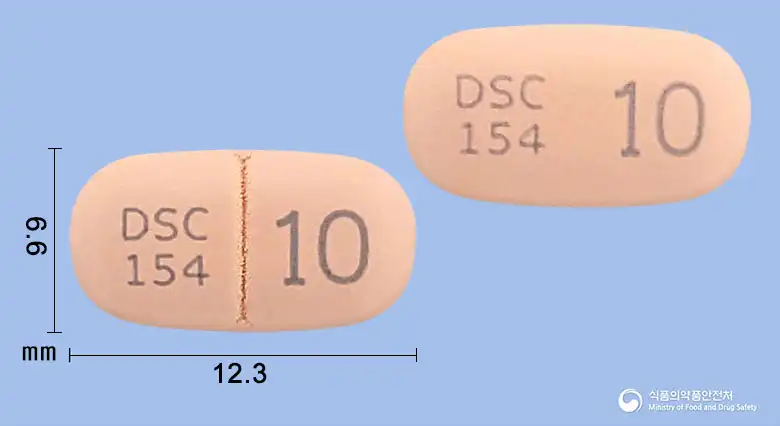
Mirogabalin Besilate 17.56mg
Tablet · Prescription medication
HanKook Daiichi Sankyo Co., Ltd.
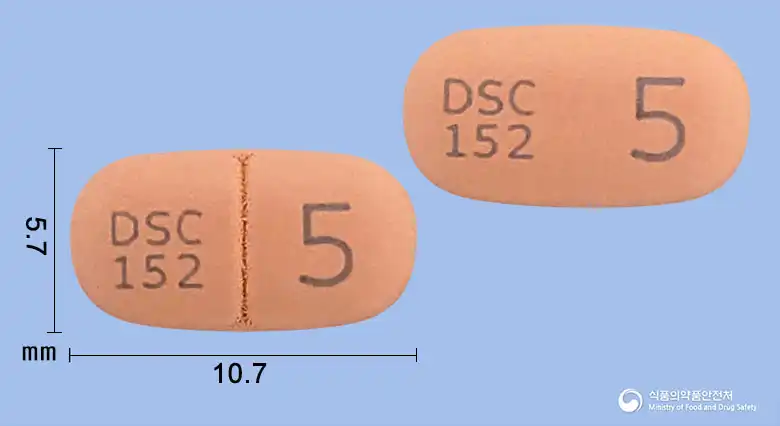
Mirogabalin Besilate 8.78mg
Tablet · Prescription medication
Korea Daiichi Sankyo Co., Ltd.
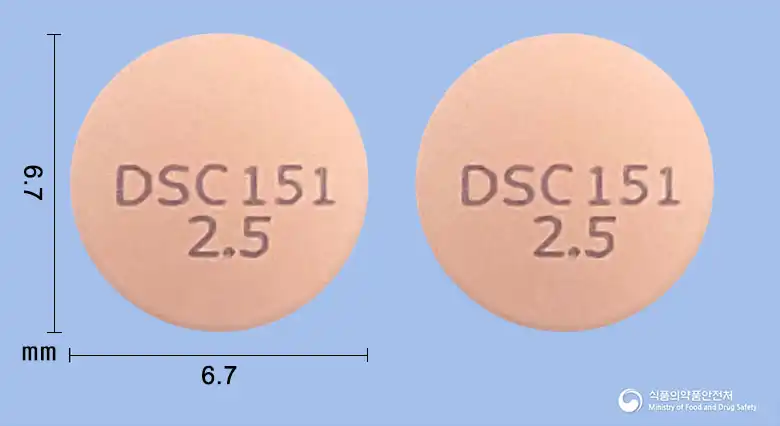
Mirogabalin Besilate 4.39mg
Tablet · Prescription medication
Korea Daiichi Sankyo Co., Ltd.
Even with the same ingredient, the dose and directions can differ by strength and dosage form. Talk to a doctor or pharmacist before switching from a medication you are already taking.
No questions yet.
For anything that needs medical judgment, consult a doctor or pharmacist.
This drug information is based on data provided by the Korea Ministry of Food and Drug Safety.
Consult a doctor or pharmacist for accurate dosage, administration, and usage instructions.