
 한국어
 English
 日本語
 中文(简体)
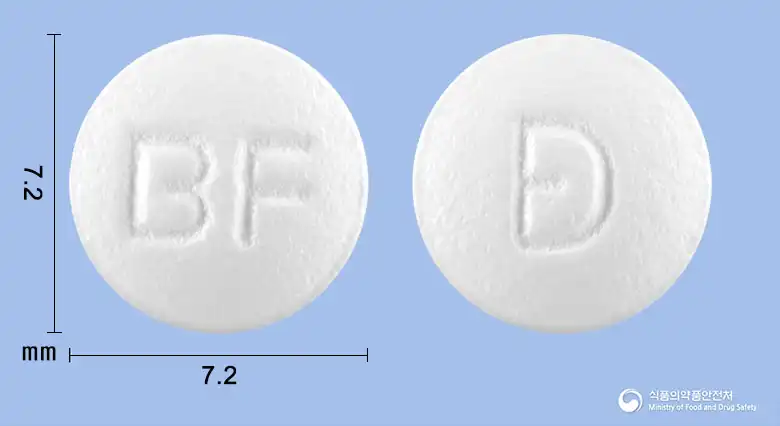 Viewing now
Bea Pamojung 20 mg (Famotidine)
Famotidine 20mg
Tablet · Prescription medication
Daewoong Bio Co., Ltd.
MFDS item code 202000058 · Approved 2020.01.03 · Insurance code 694002800
Treatment of gastric acid-related disorders (including ulcers and reflux esophagitis), upper gastrointestinal bleeding, and gastric lesions
This medication is effective in treating gastric and duodenal ulcers, as well as anastomotic ulcers. It also alleviates upper gastrointestinal bleeding caused by peptic ulcers and acute stress ulcers, and bleeding symptoms due to hemorrhagic gastritis. It is also used for the treatment of gastroesophageal reflux disease and Zollinger-Ellison syndrome. It helps improve gastric mucosal lesions such as erosion, bleeding, erythema, and edema occurring during acute exacerbation of acute gastritis and chronic gastritis. Overall, it is used to protect the gastric mucosa and help rapidly recover damaged areas to enhance gastrointestinal health.
1. Gastric and duodenal ulcers, anastomotic ulcers, upper gastrointestinal bleeding (due to peptic ulcer, acute stress ulcer, or bleeding ulcer), reflux esophagitis, Zollinger-Ellison syndrome: Adults should take famotidine 20 mg orally twice daily (after breakfast and dinner or at bedtime), or 40 mg orally once daily (at bedtime). For upper gastrointestinal bleeding, treatment is usually initiated with an injectable preparation; switch to oral administration once oral administration is possible. 2. Improvement of gastric mucosal lesions (erosion, bleeding, redness, edema) associated with the following conditions: acute gastritis and acute exacerbation of chronic gastritis Adults should take famotidine 10 mg orally twice daily (after breakfast and dinner or at bedtime), or 20 mg orally once daily (at bedtime). The dose may be adjusted as appropriate according to age and symptoms.
This medication should not be used in patients who have had allergic reactions to the ingredients or similar drugs. It also contains lactose, so it should not be given to patients with lactose intolerance or specific genetic digestive problems. Patients with impaired kidney function may have increased blood concentration of this medication, requiring a dose reduction or extension of the dosing interval. Patients with heart disease, liver dysfunction, and the elderly should exercise greater caution when using this medication. This medication can rarely cause severe allergic reactions, blood disorders, severe skin diseases, liver dysfunction, muscle damage, heart rhythm abnormalities, neurological problems, kidney disease, and pulmonary diseases. If any unusual symptoms occur, usage should be stopped immediately and consulted with a physician. Common side effects may include skin rash, dyspepsia, blood test abnormalities, neuropsychiatric symptoms, endocrine changes, etc. If these symptoms occur, the administration should be discontinued. During treatment, changes in symptoms should be closely monitored, and only the necessary minimum dose should be used. If there is no effect, it is advisable to switch to another treatment. This medication dissolves in the mouth but is not absorbed through the oral mucosa, so it should be swallowed with water or saliva. In patients undergoing dialysis, using this medication along with phosphate binders may cause problems with calcium absorption. It may interact with other medications, so especially when taking certain antifungals or anticancer drugs, inform the physician and be cautious. Women who are pregnant or may become pregnant should carefully consider the benefits and risks of using this medication, and nursing mothers are advised to discontinue breastfeeding. In children, safety has not been sufficiently established, so caution is necessary when using it. Finally, taking this medication may mask symptoms of gastric cancer, so it should only be used after confirming that it is not a malignant condition.
Not everyone experiences these, and they can vary from person to person.
This medication should be stored in a sealed container to prevent air ingress, and it is best to keep it at room temperature between 1 to 30 degrees Celsius. Proper storage will help maintain the efficacy of the drug and prevent deterioration.
White round film-coated tablet
30 tablets/bottle, 500 tablets/bottle
Even with the same ingredient, strength, dosage form and how it is taken can differ.
Viewing nowFamotidine 20mg
Tablet · Prescription medication
Daewoong Bio Co., Ltd.
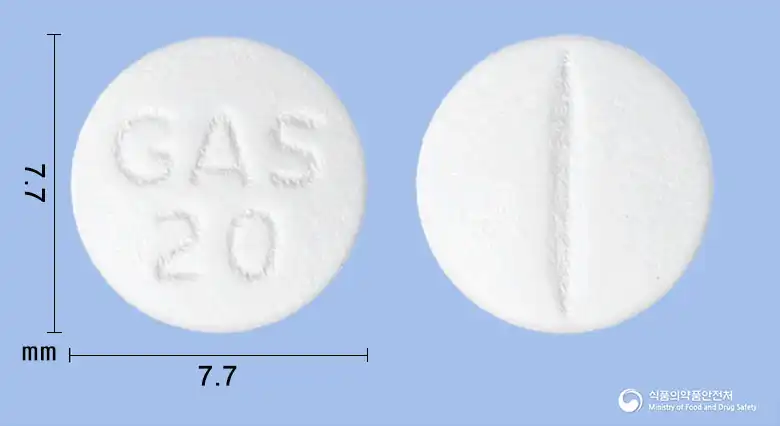
Famotidine 20mg
Prescription medication
Dong-A ST Co., Ltd.
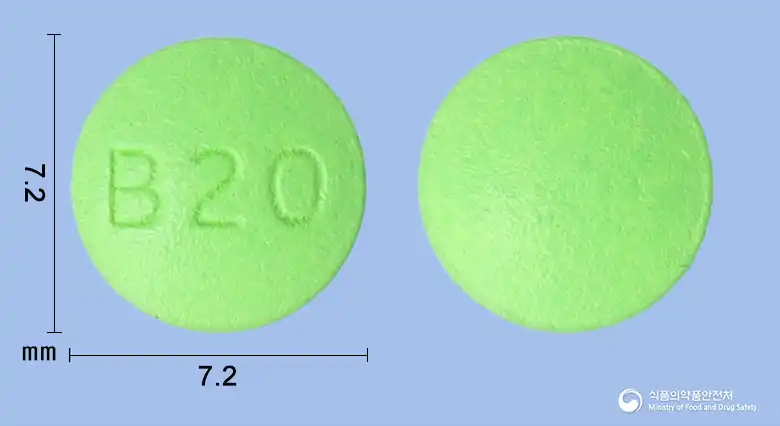
Famotidine 20mg
Tablet · Prescription medication
JW Pharmaceutical Corporation
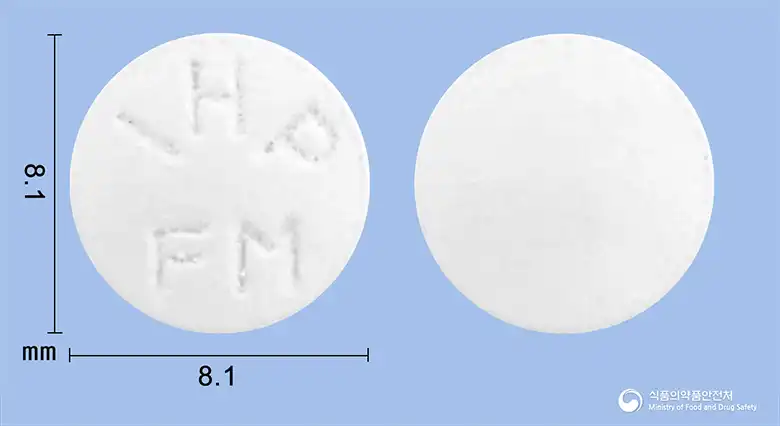
Famotidine 20mg
Tablet · Prescription medication
(Stock Company) Ilhwa

Famotidine 20mg
Prescription medication
Youngpoong Pharmaceutical Co., Ltd.
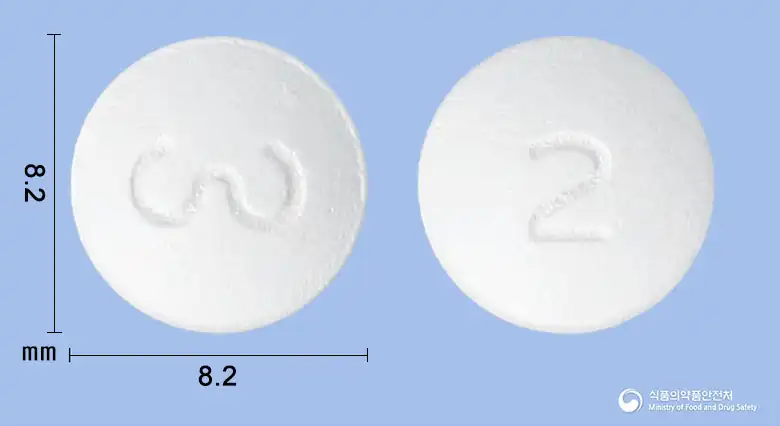
Famotidine 20mg
Tablet · Prescription medication
Withus Pharmaceutical Co., Ltd.
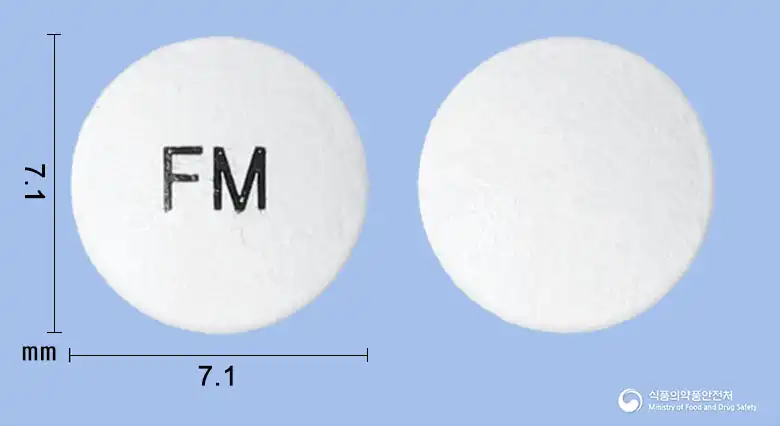
Famotidine 20mg
Prescription medication
(Stock Company) Seoul Pharmaceutical
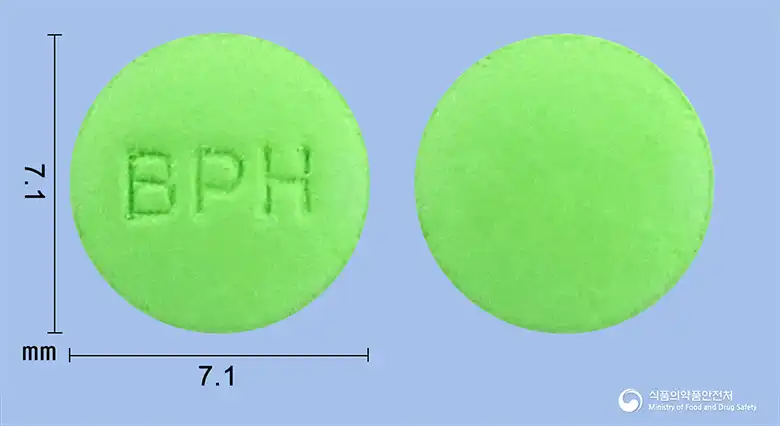
Famotidine 20mg
Tablet · Prescription medication
(Stock Company) Genupharm
Even with the same ingredient, the dose and directions can differ by strength and dosage form. Talk to a doctor or pharmacist before switching from a medication you are already taking.
No questions yet.
For anything that needs medical judgment, consult a doctor or pharmacist.
This drug information is based on data provided by the Korea Ministry of Food and Drug Safety.
Consult a doctor or pharmacist for accurate dosage, administration, and usage instructions.