
 한국어
 English
 日本語
 中文(简体)
 Viewing now
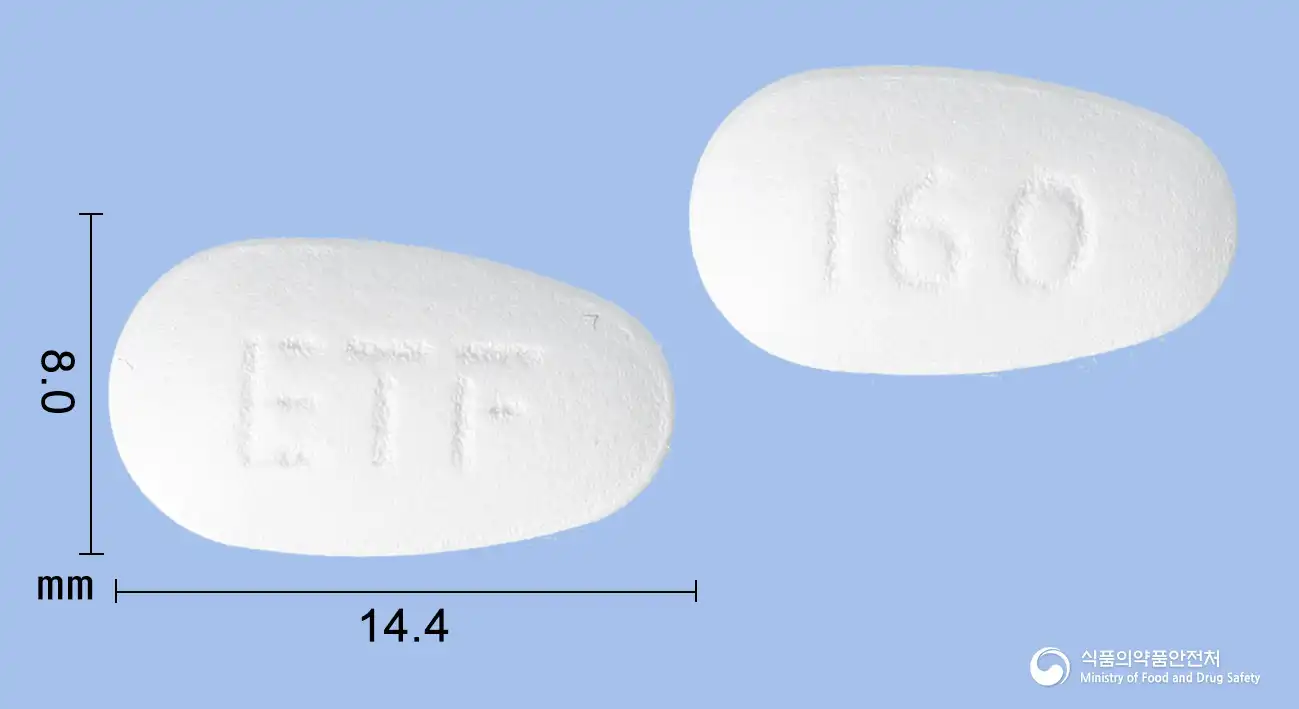
Fenofibrate Tablet 160 mg (Fenofibrate)
Fenofibrate 160mg
Tablet · Prescription medication
Teragen Etex Co., Ltd.
MFDS item code 201908442 · Approved 2019.12.16
Treatment of primary hyperlipidemia (hypertriglyceridemia, hypercholesterolemia, etc.)
This medication is used to treat hypercholesterolemia (Type IIa) in primary dyslipidemia, combined hypercholesterolemia and hypertriglyceridemia (Type IIb, III), and hypertriglyceridemia (Type IV).
○ Adults : Administer 160 mg of fenofibrate orally once daily immediately after a meal. Fenofibrate must be administered in conjunction with dietary therapy. Since this medicine may be less well absorbed on an empty stomach, administer it immediately after a meal (excluding the 145 mg formulation). ○ Older adults : Dose reduction is generally not necessary if renal function is not impaired. ○ Patients with renal impairment : Do not administer this medicine to patients with moderate to severe renal impairment (serum creatinine level of 2.5 mg/dL or higher).
○ Children : Clinical data on the use of this medicine in children are not yet available.
This medication should not be used in patients with impaired liver function. It should also be avoided in patients with moderate to severe impairment of kidney function, particularly if blood creatinine levels are elevated, as there is a risk of muscle damage known as rhabdomyolysis. Women who are pregnant or may become pregnant, and those who are breastfeeding should not take this medication. Individuals with allergies to this medication or its components should not use it. Patients with gallbladder issues or gallstones should also avoid it, and caution is advised for those who have previously experienced photosensitivity reactions while taking this medication or similar drugs. This medication is not for use in children. Patients who are lactose intolerant or unable to digest lactose due to certain genetic conditions should not take this medication. Patients with allergies to soybean oil, soy, peanuts, etc. should not take this medication. Patients with mild renal impairment or liver function abnormalities may need to reduce the dose or increase the dosing interval, and should undergo regular liver function testing. Patients on anticoagulants or elderly patients, as well as those with diabetes or dyslipidemia, should use this medication with caution. Various side effects such as liver function impairment, skin rash, muscle pain, dizziness, gastrointestinal disturbances may occur during treatment; if any symptoms occur, immediate consultation with healthcare professionals is advised. If any severe muscle pain or weakness arises, one should suspect muscle damage and immediately inform a doctor. This medication may interact with other drugs, particularly anticoagulants, diabetes medications, certain lipid-lowering agents, and immunosuppressants, so it should be used as directed by a physician. Adequate testing should be conducted before taking this medication, and regular blood tests and liver function tests should be performed during treatment for safe use. Keep out of reach of children, and it is advisable not to transfer to another container.
Not everyone experiences these, and they can vary from person to person.
This medication may be sensitive to air and moisture, so it must be stored in a tightly sealed container. Additionally, avoid exposure to extreme heat or cold, and store at room temperature between 1 degree and 30 degrees Celsius.
White oblong film-coated tablet
100 tablets/box[(10 tablets/PTP x 10)]
Even with the same ingredient, strength, dosage form and how it is taken can differ.
Viewing nowFenofibrate 160mg
Tablet · Prescription medication
Teragen Etex Co., Ltd.
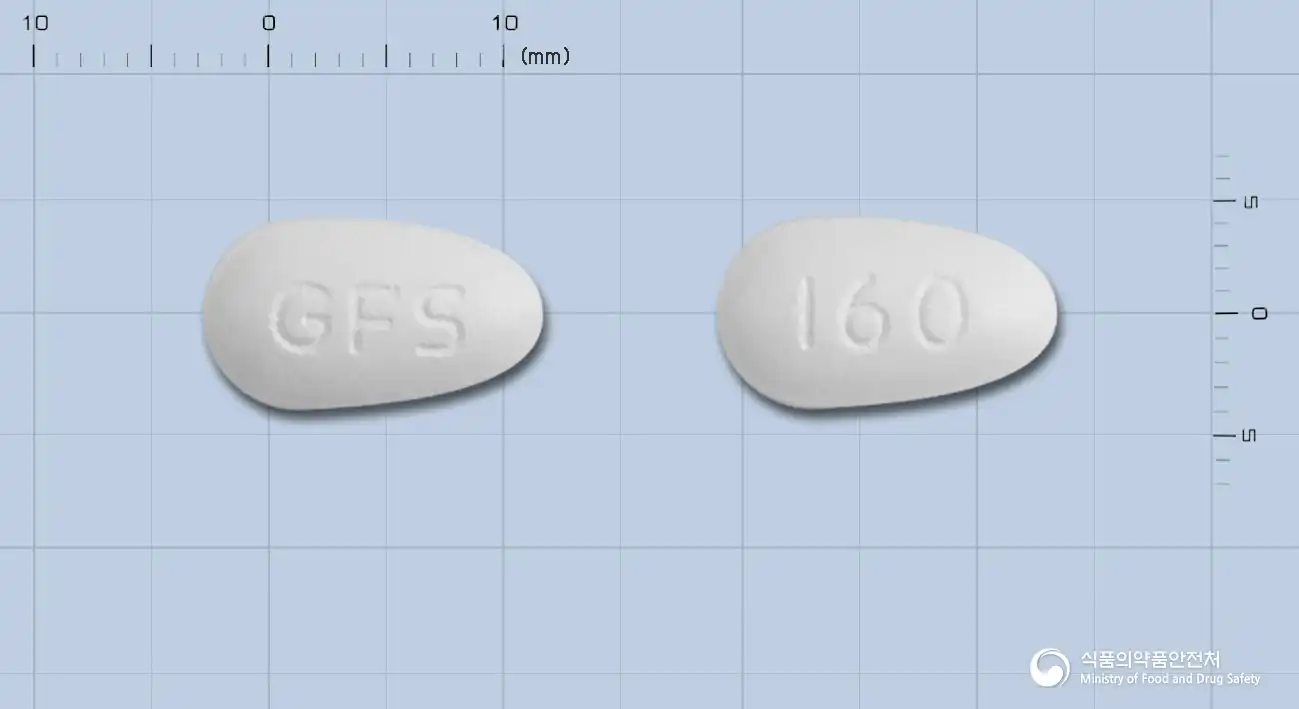
Fenofibrate 160mg
Tablet · Prescription medication
Samchundang Pharm Co., Ltd.
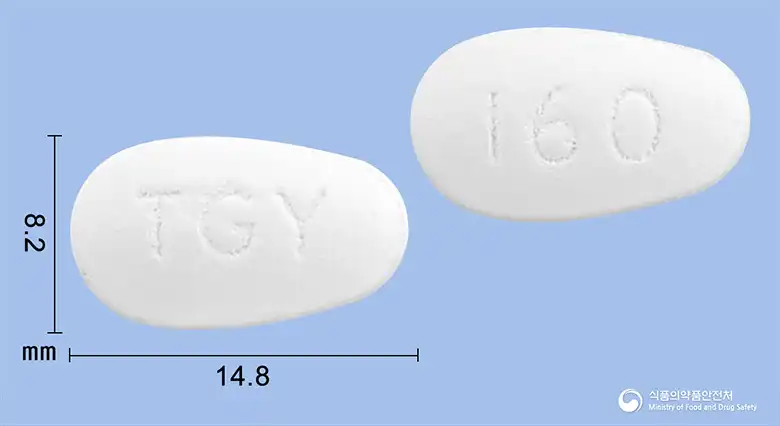
Fenofibrate 160mg
Tablet · Prescription medication
Yu Yeong Pharmaceutical Co., Ltd.
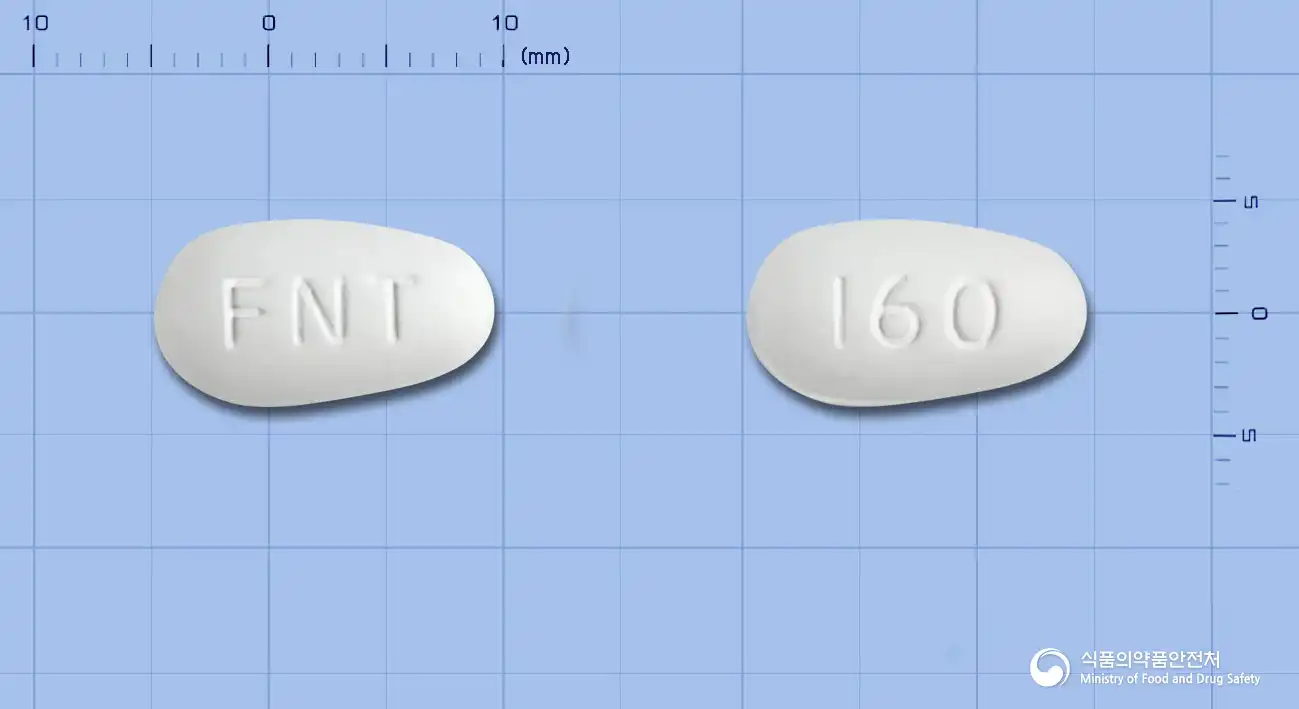
Fenofibrate 160mg
Tablet · Prescription medication
Kyung Dong Pharmaceutical Co., Ltd.
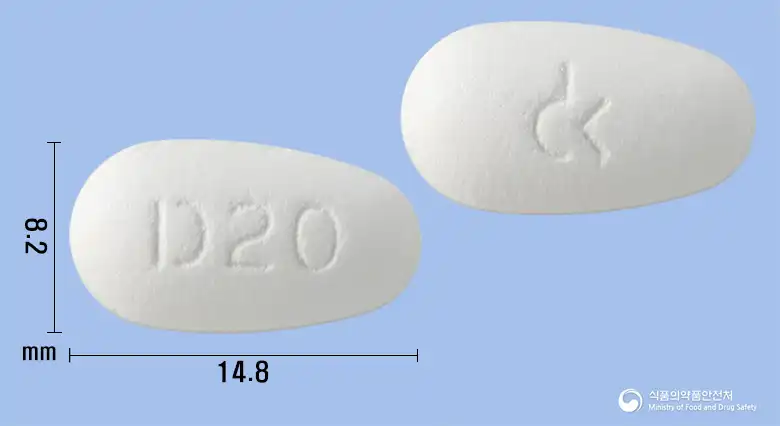
Fenofibrate 160mg
Tablet · Prescription medication
Dongkook Pharmaceutical Co., Ltd.
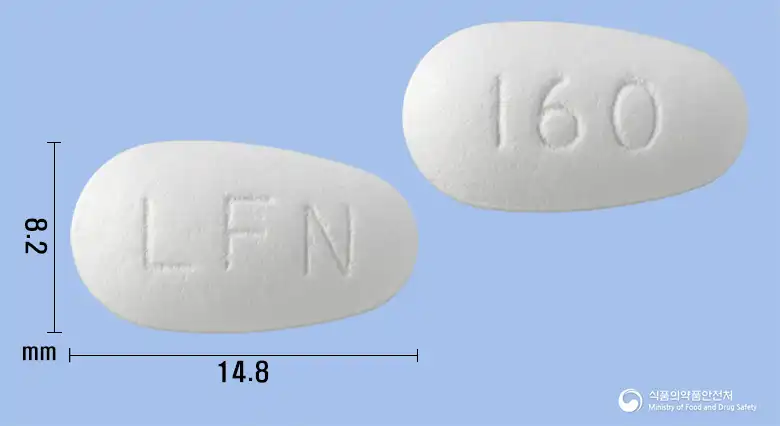
Fenofibrate 160mg
Tablet · Prescription medication
Jinyang Pharmaceutical Co., Ltd.
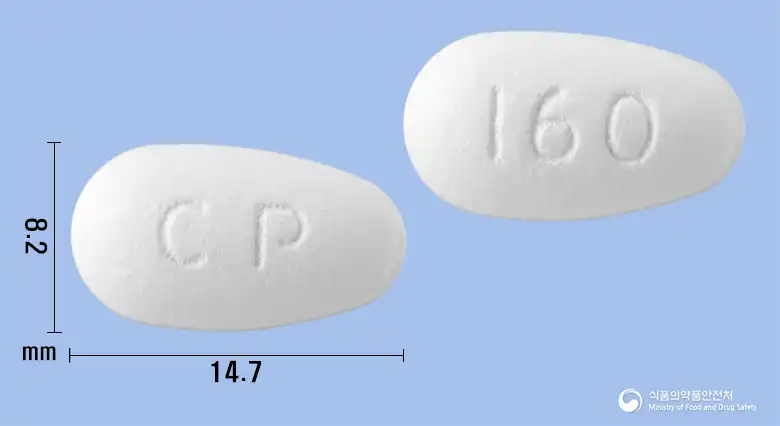
Fenofibrate 160mg
Tablet · Prescription medication
CMG Pharmaceutical Co., Ltd.
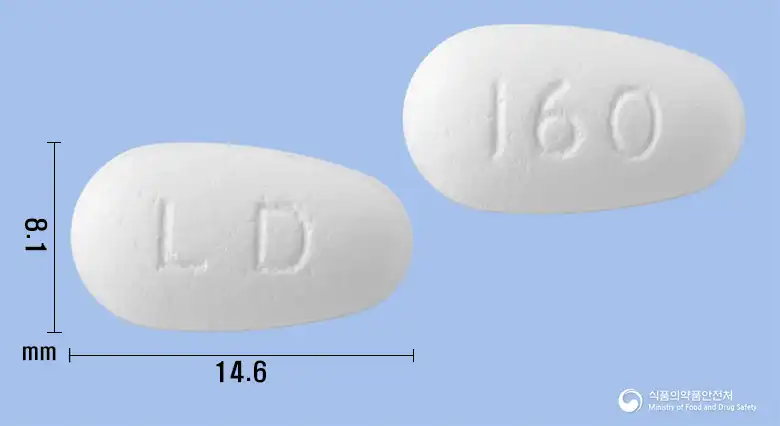
Fenofibrate 160mg
Tablet · Prescription medication
Korea Hyutecs Pharmaceutical Co., Ltd.
Even with the same ingredient, the dose and directions can differ by strength and dosage form. Talk to a doctor or pharmacist before switching from a medication you are already taking.
No questions yet.
For anything that needs medical judgment, consult a doctor or pharmacist.
This drug information is based on data provided by the Korea Ministry of Food and Drug Safety.
Consult a doctor or pharmacist for accurate dosage, administration, and usage instructions.