
 한국어
 English
 日本語
 中文(简体)
 Viewing now
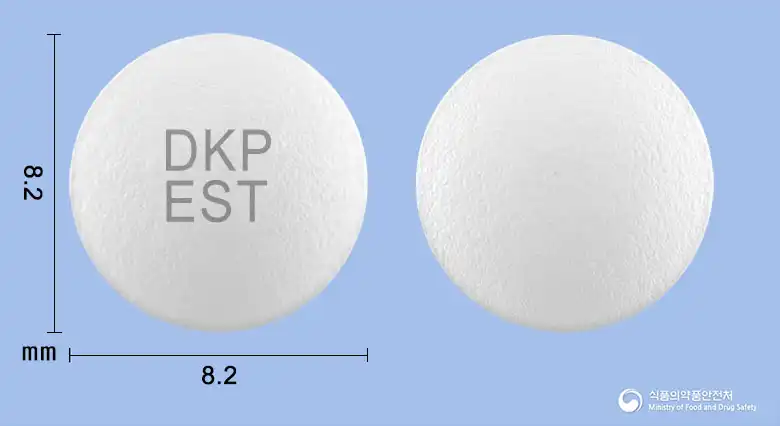
Donggu Eperisone Sustained Release Tablet (Eperisone Hydrochloride)
Eperisone Hydrochloride 75mg
Tablet · Prescription medication
Donggu Bio Pharmaceutical Co., Ltd.
MFDS item code 201908174 · Approved 2019.11.29 · Insurance code 657307940
Relief of painful muscle spasms associated with musculoskeletal disorders (lower back pain, cervicobrachial syndrome, etc.)
This medicine is used for treating painful muscle spasm symptoms caused by musculoskeletal disorders, such as shoulder-hand syndrome, pericapsular shoulder inflammation, and low back pain.
This medicine is an extended-release tablet. Swallow it whole without crushing, splitting, or chewing. Adults: Take 1 tablet (equivalent to 75mg of eperisone hydrochloride) orally twice daily after meals. The dose may be adjusted as appropriate according to age and symptoms.
This medication should not be used in patients with allergic reactions or myasthenia gravis. Patients with a history of hypersensitivity to the drug or impaired liver function should use this drug with caution, as liver function may worsen. This drug can infrequently cause severe allergic reactions or serious skin abnormalities, so if symptoms such as rash, itching, swelling, shortness of breath, fever, or blisters occur, usage should be stopped immediately and medical personnel should be informed. As liver or kidney function may be affected, if any symptoms arise, immediate medical evaluation is necessary. Additionally, side effects such as dizziness, drowsiness, headache, dyspepsia, nausea, and constipation may occur while taking this medication; caution is advised. If feelings of weakness, staggering, or drowsiness occur, the dosage should be reduced or discontinued, and driving or operating dangerous machinery should be avoided due to drowsiness or decreased concentration. Pregnant or nursing women should only use this medication under the judgment of a physician, as its safety has not been thoroughly confirmed; during nursing, administration should be avoided or breastfeeding should be stopped. The safety of this drug has not been adequately proved in children, so caution should be exercised when administering it. Elderly patients may have decreased physiological functions, so dosages should be carefully adjusted. Finally, this drug may show side effects when used with other muscle relaxants; therefore, it should be taken after consulting a physician or pharmacist.
Not everyone experiences these, and they can vary from person to person.
This medication may be sensitive to air or moisture, so it is important to store it in a tightly sealed container. The storage temperature should be kept between 1 degree Celsius and 30 degrees Celsius, and extremely hot or cold places should be avoided.
White to almost white round sustained release film-coated tablets
30 tablets/bottle, 500 tablets/bottle
Even with the same ingredient, strength, dosage form and how it is taken can differ.
Viewing nowEperisone Hydrochloride 75mg
Tablet · Prescription medication
Donggu Bio Pharmaceutical Co., Ltd.
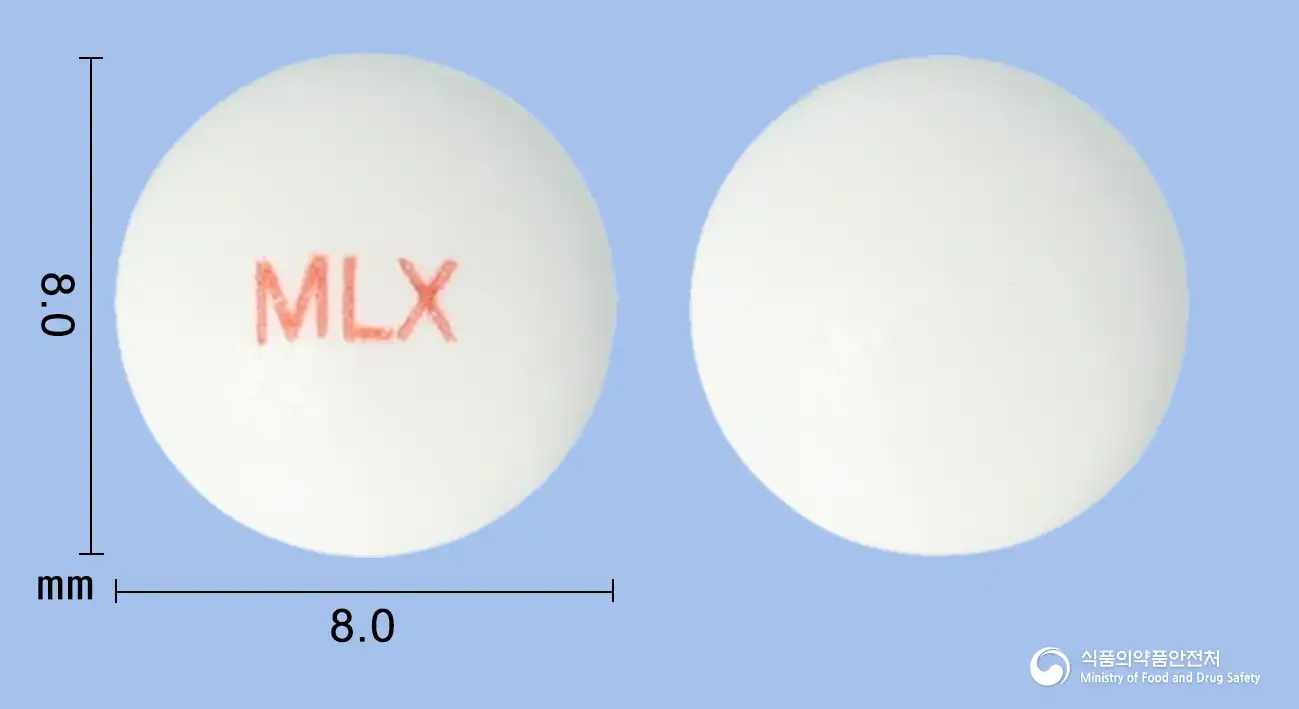
Eperisone Hydrochloride 50mg
Tablet · Prescription medication
Chodang Pharmaceutical Co., Ltd.
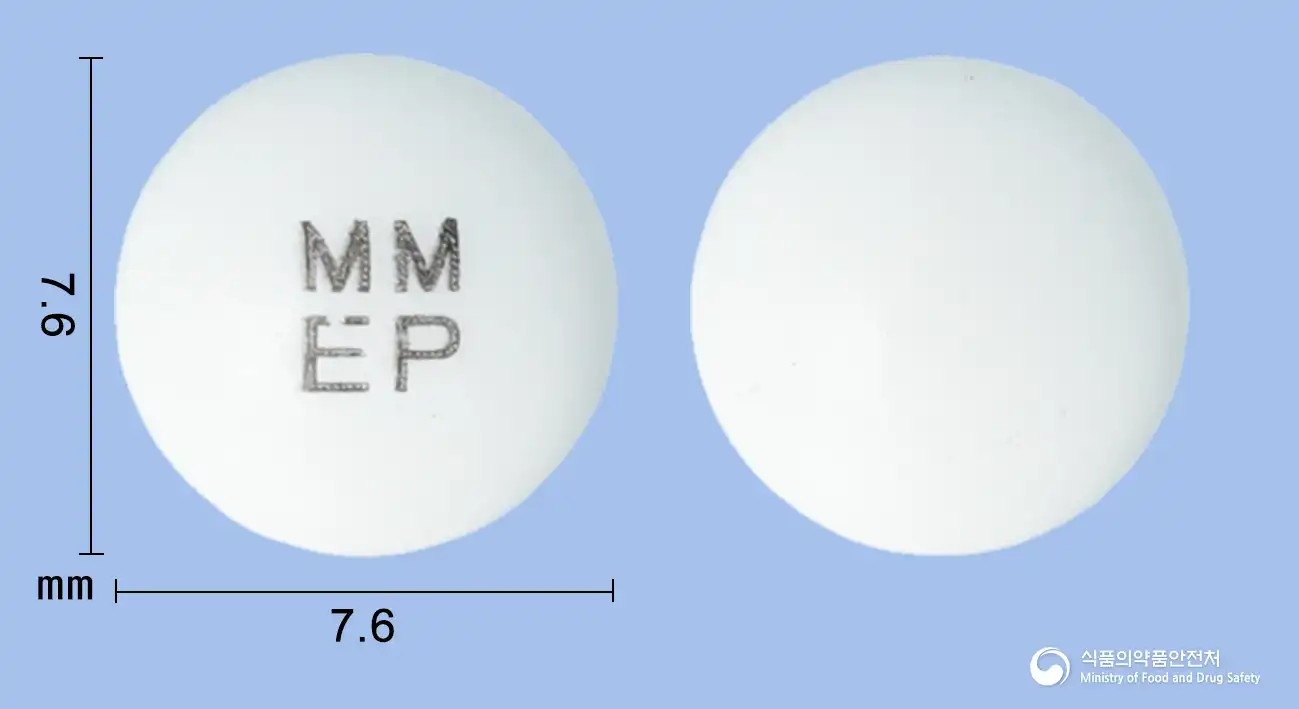
Eperisone Hydrochloride 50mg
Tablet · Prescription medication
Myeongmun Pharmaceutical Co., Ltd.
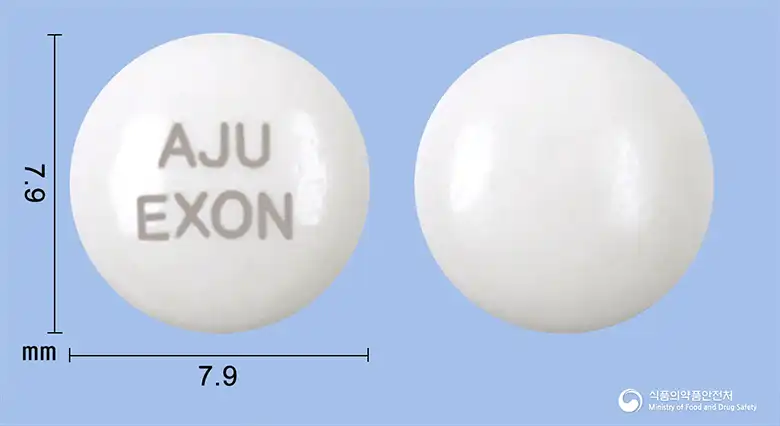
Eperisone Hydrochloride 50mg
Prescription medication
Aju Pharmaceutical Co., Ltd.
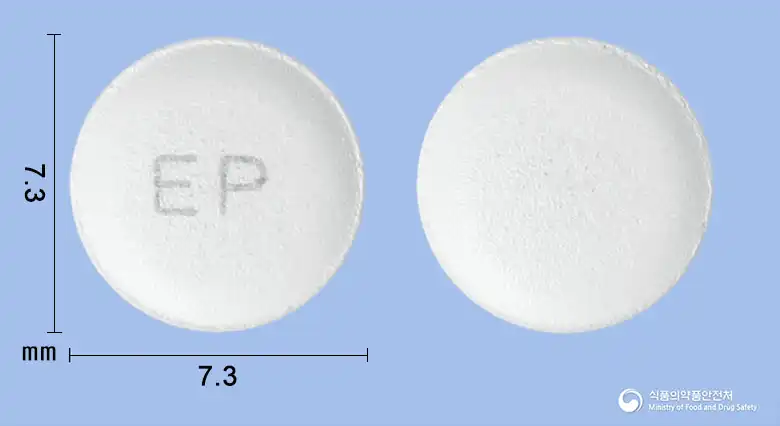
Eperisone Hydrochloride 50mg
Tablet · Prescription medication
Daewoo Pharmaceutical Co., Ltd.
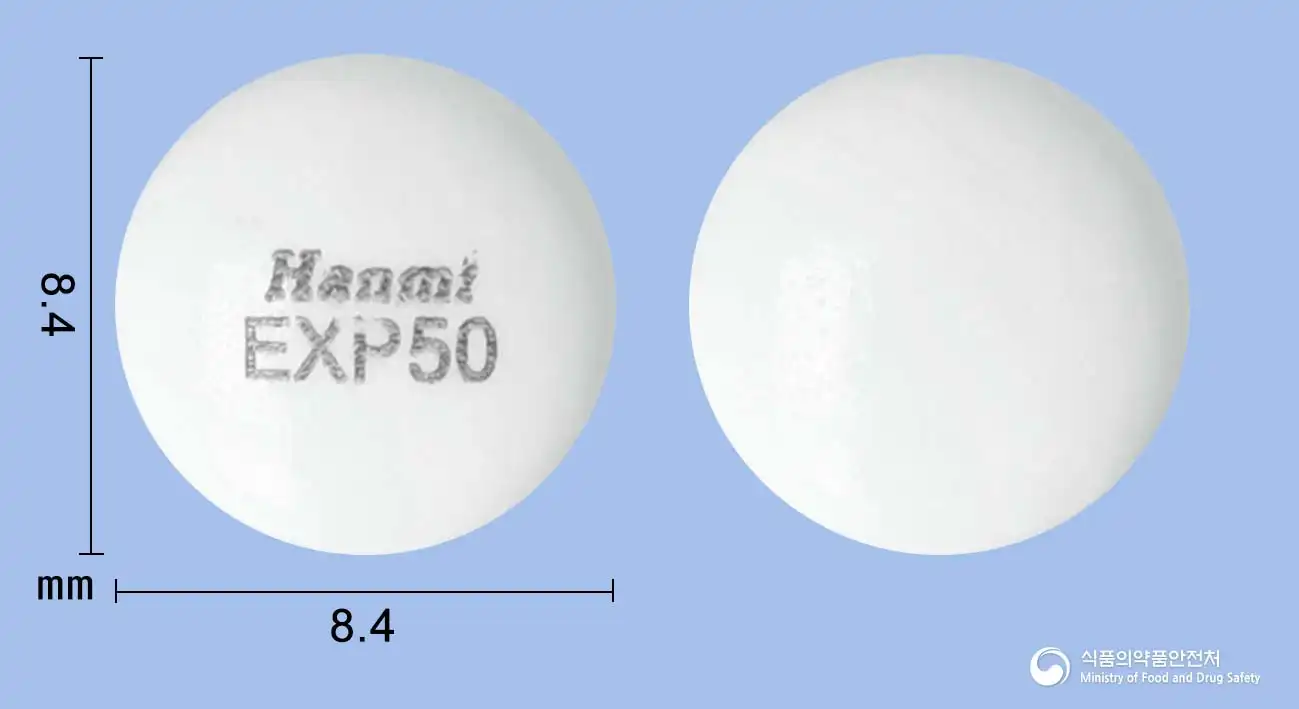
Eperisone Hydrochloride 50mg
Prescription medication
Hanmi Pharmaceutical Co., Ltd.
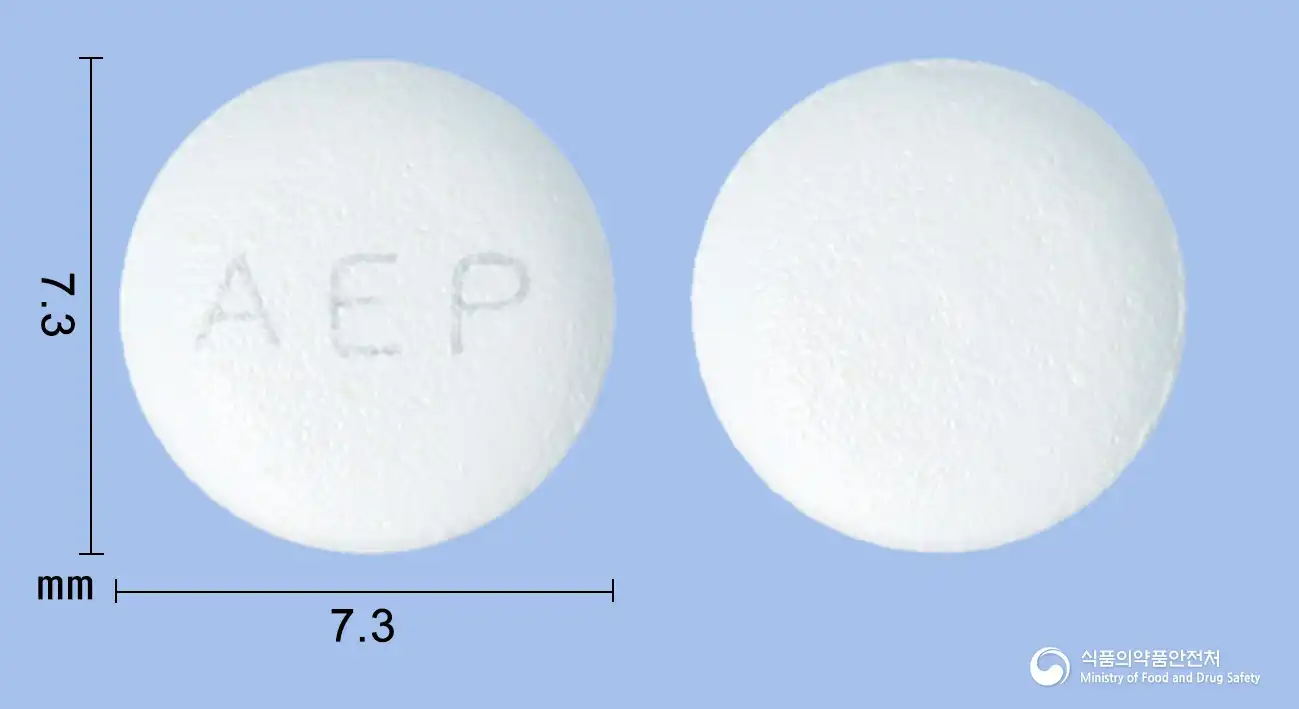
Eperisone Hydrochloride 50mg
Tablet · Prescription medication
Kyungdong Pharmaceutical Co., Ltd.
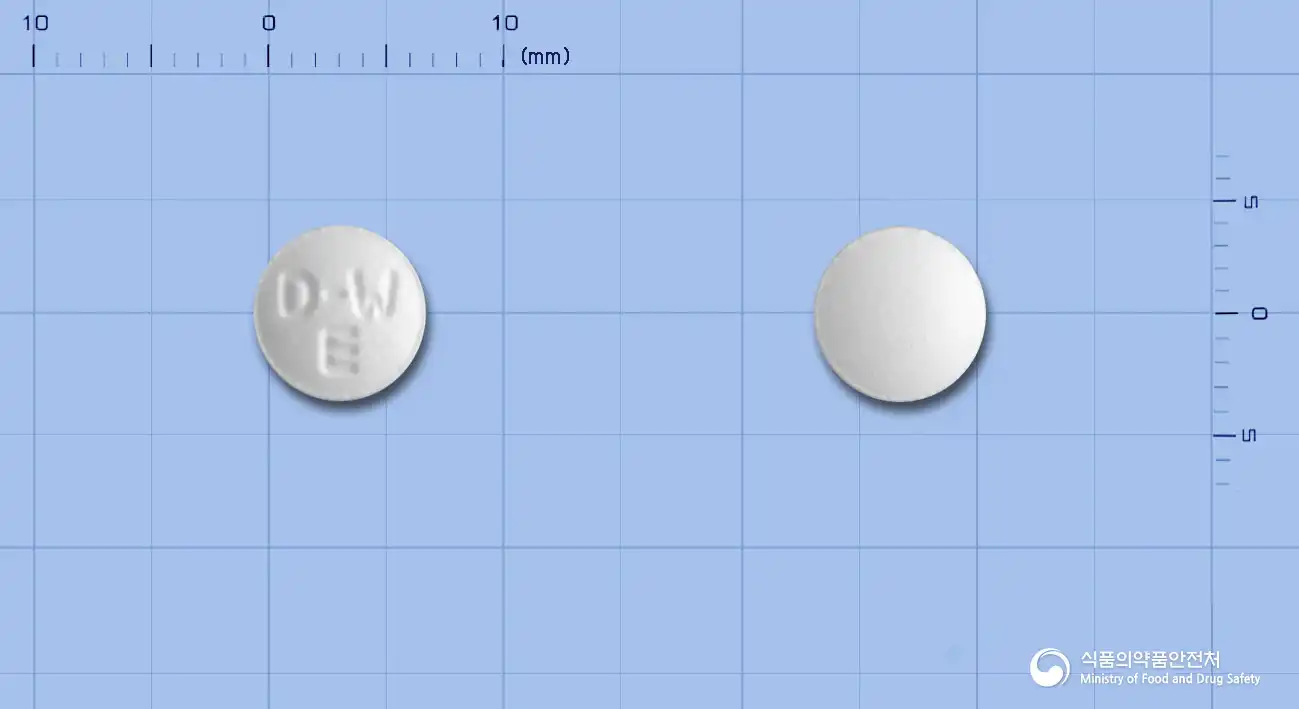
Eperisone Hydrochloride 50mg
Tablet · Prescription medication
Dongwha Pharmaceutical Co., Ltd.
Even with the same ingredient, the dose and directions can differ by strength and dosage form. Talk to a doctor or pharmacist before switching from a medication you are already taking.
No questions yet.
For anything that needs medical judgment, consult a doctor or pharmacist.
This drug information is based on data provided by the Korea Ministry of Food and Drug Safety.
Consult a doctor or pharmacist for accurate dosage, administration, and usage instructions.