
 한국어
 English
 日本語
 中文(简体)
Dosage form image
Viewing nowMaxibuki Kids Syrup (Dexibuprofen)
Dexibuprofen 1.2g
Syrup · OTC medication
Person Co., Ltd.
MFDS item code 201907915 · Notified 2019.11.14
Relief of fever caused by acute upper respiratory tract infections
This medication is used to reduce fever caused by acute upper respiratory tract infection.
For individuals aged 12 and older, a single dose of 18-25 mL (215-300 mg) is taken, with a maximum of 72-100 mL (860-1200 mg) per day. Dosing may vary based on age and weight.
Children aged 6 months and older: Take 0.4~0.6mL/kg per dose (equivalent to 5~7mg/kg of dexibuprofen) every 4~6 hours as needed, not exceeding 4 doses (28mg/kg) per day. 12 years, 43 kg or more: 18~25 mL (215~300 mg) per dose, maximum 72~100 mL (860~1200 mg) per day 11 years, 38.0-42.9 kg: 16~25 mL (190~300 mg) per dose, maximum 64~100 mL (760~1200 mg) per day 9-10 years, 30.0-37.9 kg: 12.5~22 mL (150~265 mg) per dose, maximum 50~88mL (600~1060 mg) per day 6-8 years, 21.0-29.9 kg: 9~17 mL (105~210 mg) per dose, maximum 36~68mL (420~840 mg) per day 4-5 years, 16.0-20.9 kg: 7~12 mL (80~145 mg) per dose, maximum 28~48 mL (320~580 mg) per day 2-3 years, 12.0-15.9 kg: 5~9 mL (60~110 mg) per dose, maximum 20~36 mL (240~440 mg) per day 12-23 months, 10.0-11.9 kg: 4~7 mL (50~80 mg) per dose, maximum 16~28 mL (200~320 mg) per day 6-11 months, 7.9-9.9 kg: 3~6 mL (40~70 mg) per dose, maximum 12~24 mL (160~280 mg) per day In a clinical trial (n=252) in pediatric patients with fever due to acute upper respiratory tract infection (axillary temperature of 38℃ or higher) who received this medication at 5mg/kg or 7mg/kg, the 7mg/kg group tended to show a greater reduction in body temperature than the 5mg/kg group; however, the difference was not statistically significant.
This medication may increase the risk of gastrointestinal bleeding in individuals who regularly consume more than 3 drinks of alcohol per day, so it is essential to consult a doctor or pharmacist before use. This medication may increase the risk of cardiovascular diseases, and patients with a history of heart disease or stroke, or risk factors should be particularly cautious and consult medical personnel immediately if symptoms of cardiovascular issues arise. This medication may increase the risk of gastrointestinal bleeding, ulcers, and perforations, so individuals with a history of gastrointestinal disease or the elderly should be careful when taking it. Patients with peptic ulcers, severe liver or kidney impairment, severe hypertension, or a history of asthma should not take this medication. Patients with blood disorders, bleeding tendencies, liver impairment, kidney impairment, hypertonia, hypersensitivity, autoimmune diseases, or the elderly should be administered this medication with caution, especially when taken concurrently with aspirin as interactions may increase the risk of side effects. This medication may rarely cause severe allergic reactions, blood abnormalities, gastrointestinal bleeding, skin rashes, liver dysfunction, kidney function decrease, and other serious side effects, so immediately discontinuing use and consulting a healthcare provider should occur if any adverse symptoms appear. This medication should be taken at the minimum effective dose for the shortest duration possible, and regular blood tests and liver and kidney function tests are necessary for prolonged use. The risk of side effects may increase when this medication is used in conjunction with other non-steroidal anti-inflammatory drugs or specific medications, so be sure to inform medical personnel of any other medications being taken. Avoid use during late pregnancy as it may harm the fetus, and if breastfeeding, consider discontinuing breastfeeding or this medication as it may transfer into breast milk and affect the baby. Caution should be exercised when administering this medication to children or the elderly, and adverse reactions should be closely monitored. In cases of overdose, emergency treatments such as gastric lavage or inducing vomiting should be performed immediately, and this medication should be stored out of reach of children.
Shock, mimicry concerns, chills, dyspnea, hypotension, aplastic anemia, hemolytic anemia, granulocytopenia, thrombocytopenia, impaired platelet function, eosinophilia, peptic ulcer, gastrointestinal bleeding, perforation, ulcerative colitis, bloody stools, gastritis, pancreatitis, loss of appetite, nausea, vomiting, abdominal pain, dyspepsia, diarrhea, discomfort in the stomach, thirst, stomatitis, abdominal distension, constipation, Stevens-Johnson syndrome, Riel syndrome, drug rash with eosinophilia and systemic symptoms, acute generalized pustular psoriasis, jaundice, elevated GOT, elevated GPT, elevated AL-P, asthma attack, urticaria, eczema, purpura, rash, pruritus, neglect, malignancy, hearing loss, tinnitus, taste disturbance, aseptic meningitis, severe headache, insomnia, stiff neck, fever, altered consciousness, hypertension, palpitations, acute renal failure, oliguria, hematuria, decreased urine output, generalized edema, shortness of breath, lethargy, heart failure, Cornelia de Lange syndrome, periorbital edema, fatigue, fever, epistaxis, crying, facial swelling, dyspepsia, pruritus, anaphylactic shock, rash, diarrhea
Not everyone experiences these, and they can vary from person to person.
This medication should not be used in conjunction with other non-steroidal anti-inflammatory drugs. It should also be used with caution if taken with glucocorticoids, digoxin, phenytoin, probenecid, sulfinpyrazone, sulfonylureas, diuretics, antihypertensives, ACE inhibitors, furosemide, aspirin, lithium, methotrexate, and coumarin anticoagulants (such as warfarin). Consult a doctor or pharmacist if needed.
Caution should be exercised when taking this medication with alcohol.
This medication is sensitive to light, so it should be stored in a container that effectively blocks light. To maintain the effectiveness of the medication, it is advisable to store it at room temperature, between 15 to 25 degrees Celsius.
A syrup with a light red to light orange color that has a grape flavor, contained in an aluminum foil pouch.
For domestic use - 6 milliliters/pack [10 packs/box]
Even with the same ingredient, strength, dosage form and how it is taken can differ.
Dexibuprofen 1.2g
Syrup · OTC medication
Person Co., Ltd.
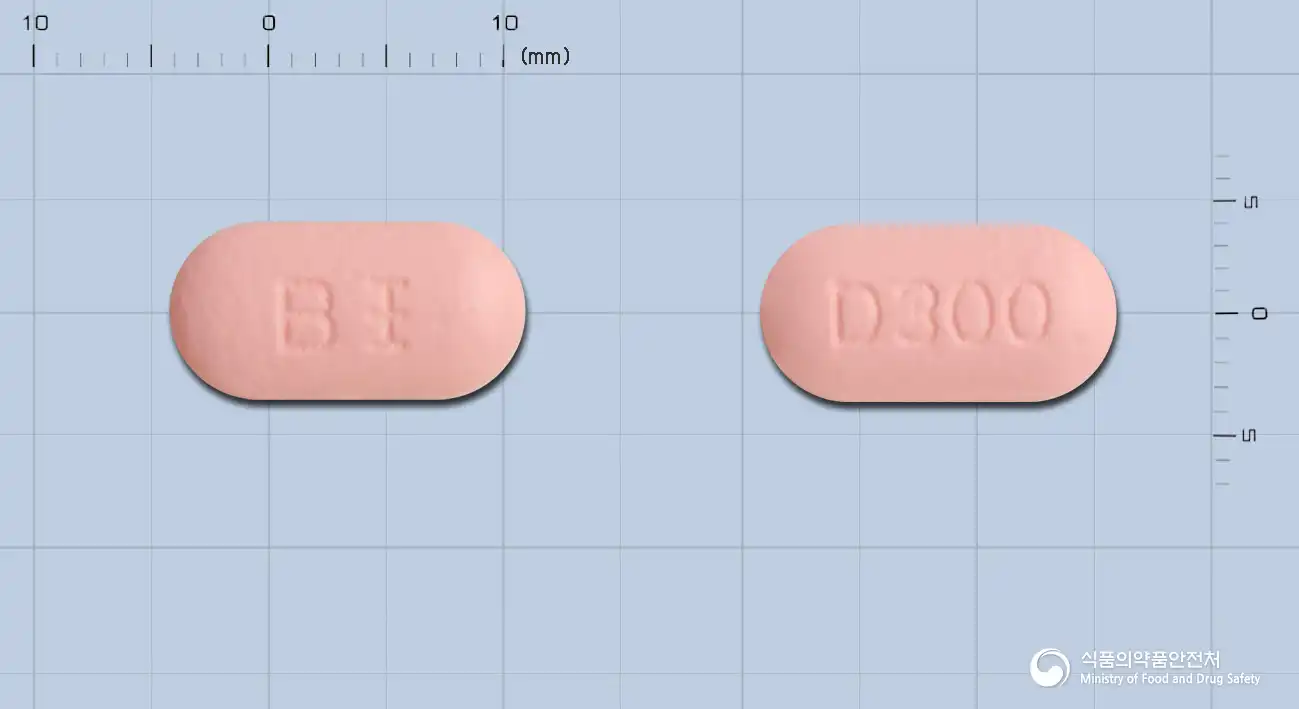
Dexibuprofen 300mg
Tablet · OTC medication
Bionex Co., Ltd.
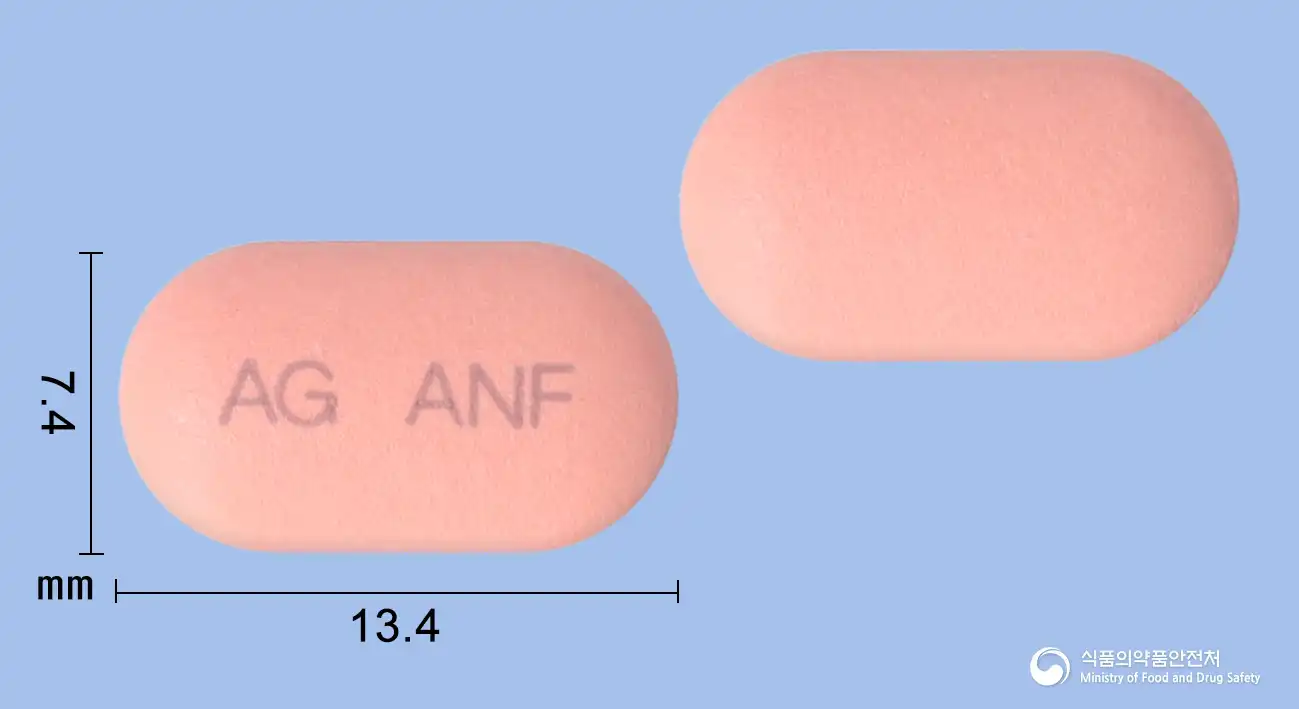
Dexibuprofen 300mg
Tablet · OTC medication
Anguk Pharmaceutical Co., Ltd.
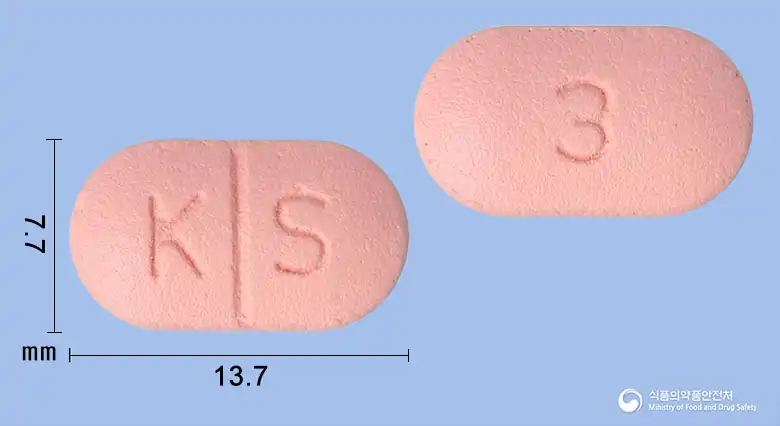
Dexibuprofen 300mg
Tablet · OTC medication
Aprogen Pharmaceuticals, Co., Ltd.
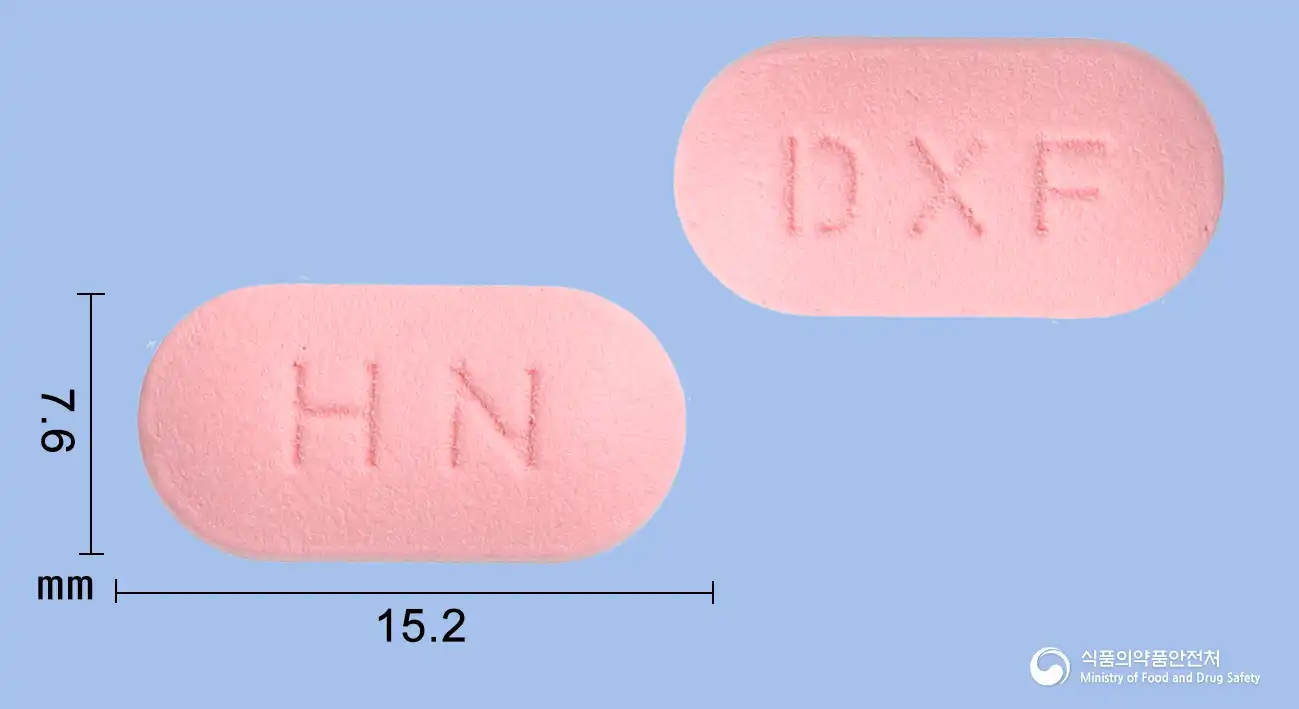
Dexibuprofen 300mg
Tablet · OTC medication
Hana Pharmaceutical Co., Ltd.
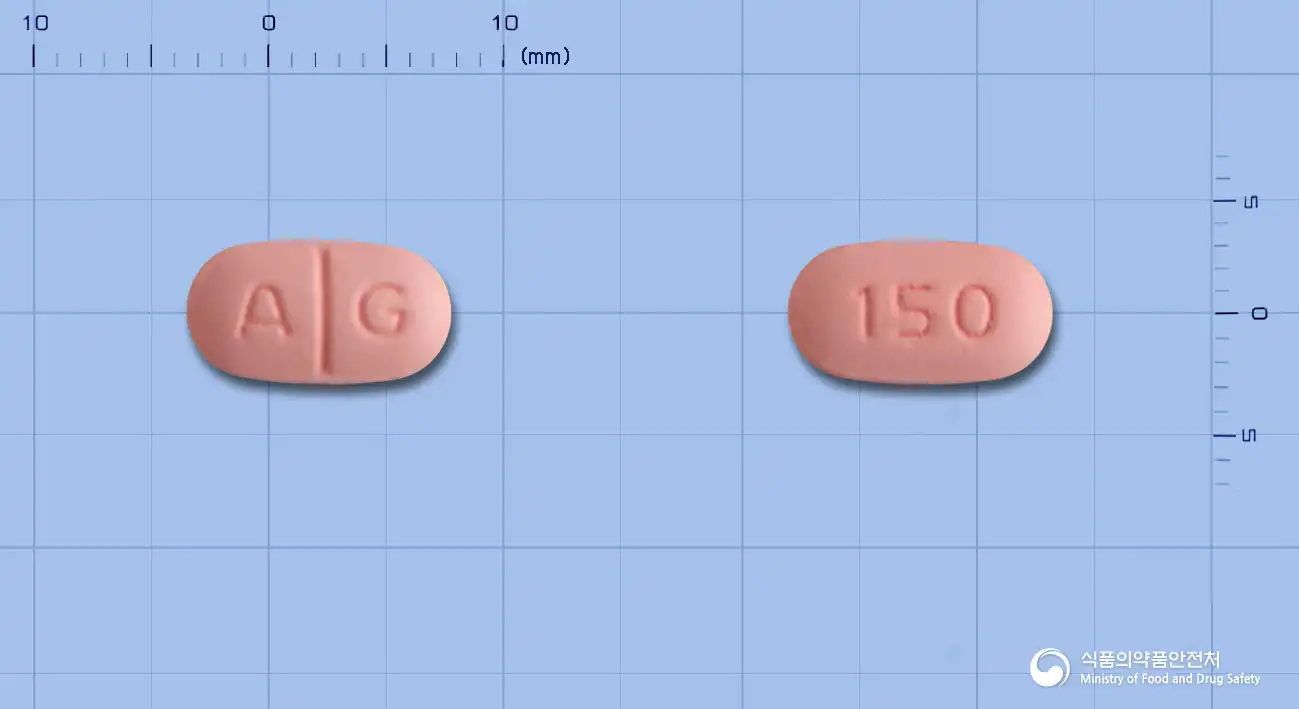
Dexibuprofen 150mg
Tablet · OTC medication
Anguk Pharm Co., Ltd.
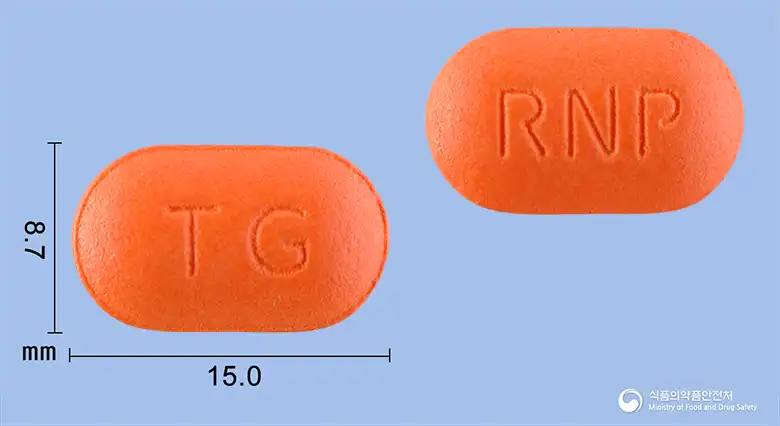
Dexibuprofen 300mg
Tablet · OTC medication
Taeguk Pharmaceutical Co., Ltd.
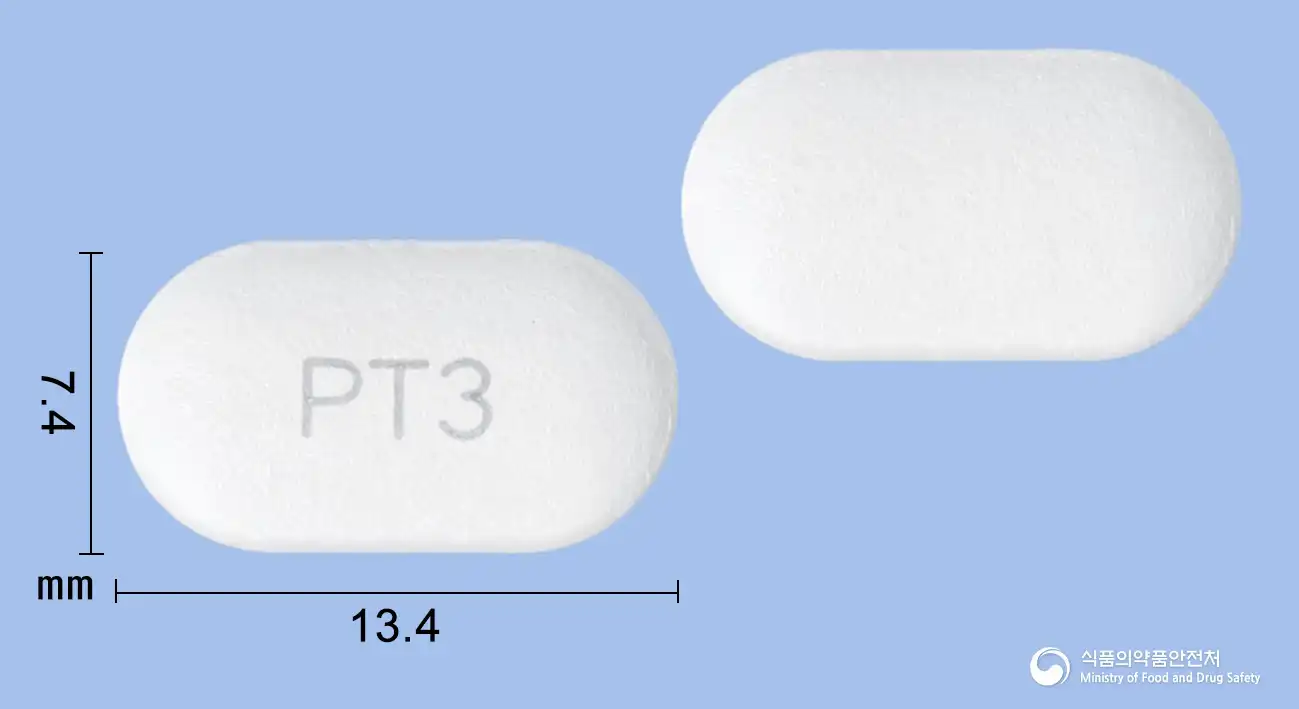
Dexibuprofen 300mg
Tablet · OTC medication
Genupharm Co., Ltd.
Even with the same ingredient, the dose and directions can differ by strength and dosage form. Talk to a doctor or pharmacist before switching from a medication you are already taking.
No questions yet.
For anything that needs medical judgment, consult a doctor or pharmacist.
This drug information is based on data provided by the Korea Ministry of Food and Drug Safety.
Consult a doctor or pharmacist for accurate dosage, administration, and usage instructions.