
 한국어
한국어 English
 日本語
日本語 中文(简体)
Dosage form image
Viewing nowTencon Tablet (Policarbophil Calcium)
Calcium Polycarbophil 625mg
Tablet · Prescription medication
Seoul Pharmaceutical Co., Ltd.
MFDS item code 201907873 · Approved 2019.11.12
This product's status changed to Expired on 2024.11.12. It may no longer be sold, so consult a doctor or pharmacist before taking it.
Improvement of symptoms of chronic constipation and nonspecific diarrhea (including irritable bowel syndrome)
Used to control symptoms of constipation and diarrhea in chronic constipation, nonspecific diarrhea, and irritable bowel syndrome.
This medicine should be taken orally with at least 250 mL of water or liquid. For Policarbophil Calcium, take 1,250 mg once, 1 to 4 times a day. The recommended initial dose for adults is 1,250 to 2,500 mg per day with a maximum increase to 5,000 mg per day. This medicine shows results within 12 to 72 hours. Do not take it right before bedtime; allow at least an hour for digestion before going to sleep.
This medicine should be taken orally with at least 250 mL of water or liquid. Children aged 6 to 12 years may take 625 mg of Policarbophil Calcium once, 1 to 3 times a day. For children under 6 years,
This medicine should not be used in certain patients. For example, individuals with an allergic reaction to this medicine or its ingredients should not take it. Patients with unexplained rectal bleeding or severe dehydration symptoms should also avoid this medicine. Additionally, caution is needed for patients who have difficulty swallowing food or are bedridden, as there is a risk of the medication refluxing. Patients with issues related to colon or bowel function, those with acute abdominal disorders, or those experiencing symptoms of intestinal obstruction should not take this medicine, as it may worsen their symptoms. Patients with hypercalcemia or kidney stones may also see their condition worsen with this medication. Patients with severe renal failure or severe abdominal pain, nausea, or vomiting should preferably avoid this medicine. Patients who need to restrict calcium intake or are taking active vitamin D formulations should use this medicine cautiously due to the risk of hypercalcemia. If taking cardiac glycosides, this medicine may enhance the effects of those medications; therefore, caution is necessary. Patients with low gastric acid secretion or those who have undergone gastric resection may not achieve the desired effect of this medicine. Patients undergoing dialysis or with renal failure should be cautious due to the risk of calcium accumulation in the tissues. Allergic reactions such as skin rash or itching may appear during treatment with this medicine; if such symptoms occur, discontinue use immediately and consult a physician. Additionally, gastrointestinal symptoms such as nausea, vomiting, abdominal pain, diarrhea, and constipation may occur, along with elevated liver function test results, so caution is warranted. Taking this medication without water can lead to a choking hazard in the throat or esophagus, so it must be taken with sufficient water. If you experience chest pain, difficulty swallowing, or breathing difficulties after taking it, you should stop taking it immediately and consult a healthcare provider. If symptoms do not improve after 7 days, discontinue use and consult a physician or pharmacist, and if taken for more than 3 months, closely monitor for any adverse reactions. When taking other medications, it is advisable to space them at least 2 hours apart from this medicine, as it may hinder the absorption of other drugs in the intestine. Particularly, when taken with tetracycline or fluoroquinolone antibiotics, absorption of the antibiotics may be reduced, so caution is necessary. When taken with active vitamin D agents, there may be an increased risk of hypercalcemia, hence it should be handled carefully. When taken with calcium supplements, excessive calcium intake may occur; hence care must be taken. Taking with cardiac glycosides can trigger heart issues such as arrhythmias, so inform your healthcare provider. Moreover, the effectiveness of this medicine can decrease when taken with acid-reducing medications. Pregnant women should only take this medicine when the therapeutic benefits outweigh the risks, as its safety during pregnancy has not been established. The safety for pediatric populations has not been sufficiently confirmed, so caution is advised in usage. Elderly patients should adjust their doses since they are more susceptible to decreased kidney function and hypercalcemia. This medicine should be kept out of the reach of children and stored at room temperature in a dry place. It is crucial to seal it in its original container to maintain the quality of the medication.
Not everyone experiences these, and they can vary from person to person.
This medicine should be kept in an airtight container to prevent air exposure and ideally stored at room temperature between 1 to 30 degrees Celsius. Proper storage helps maintain the effectiveness of the medication.
White oval film-coated tablet
30 tablets/bottle, 500 tablets/bottle
Even with the same ingredient, strength, dosage form and how it is taken can differ.
Calcium Polycarbophil 625mg
Tablet · Prescription medication
Seoul Pharmaceutical Co., Ltd.
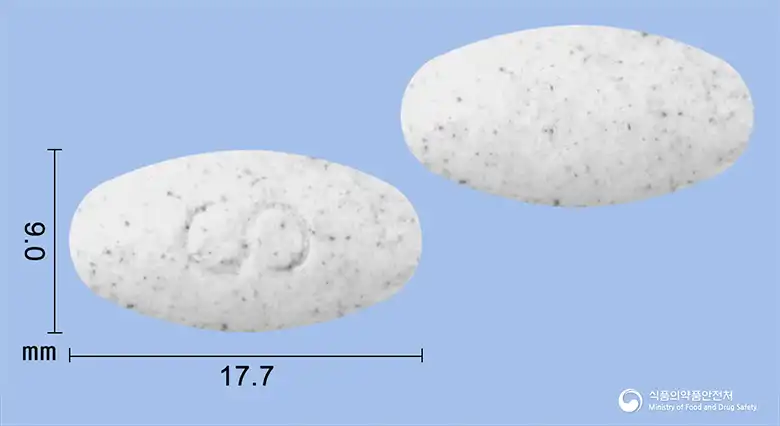
Calcium Polycarbophil 625mg
Tablet · Prescription medication
Myungmoon Pharmaceutical Co., Ltd.
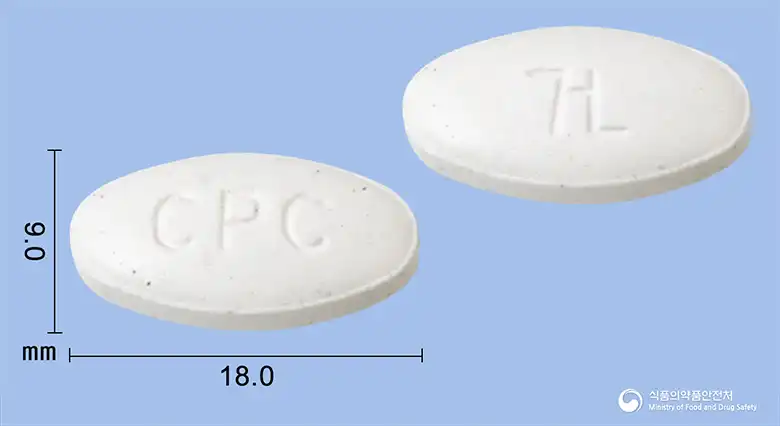
Calcium Polycarbophil 625mg
Tablet · Prescription medication
Geonil Pharmaceutical Co., Ltd.
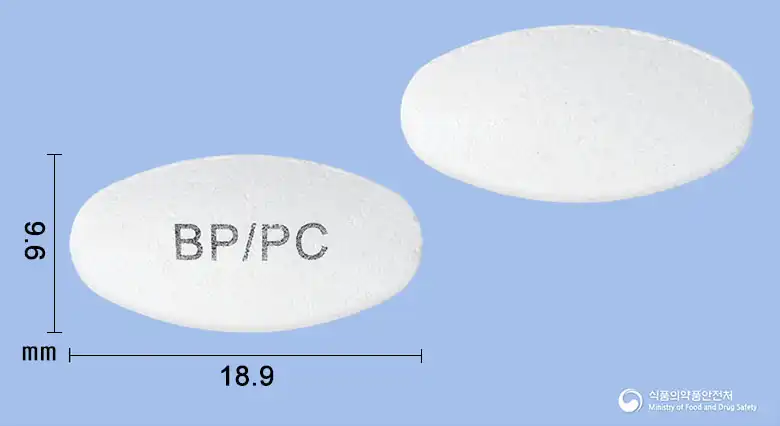
Calcium Polycarbophil 625mg
Tablet · Prescription medication
Genupharm Co., Ltd.
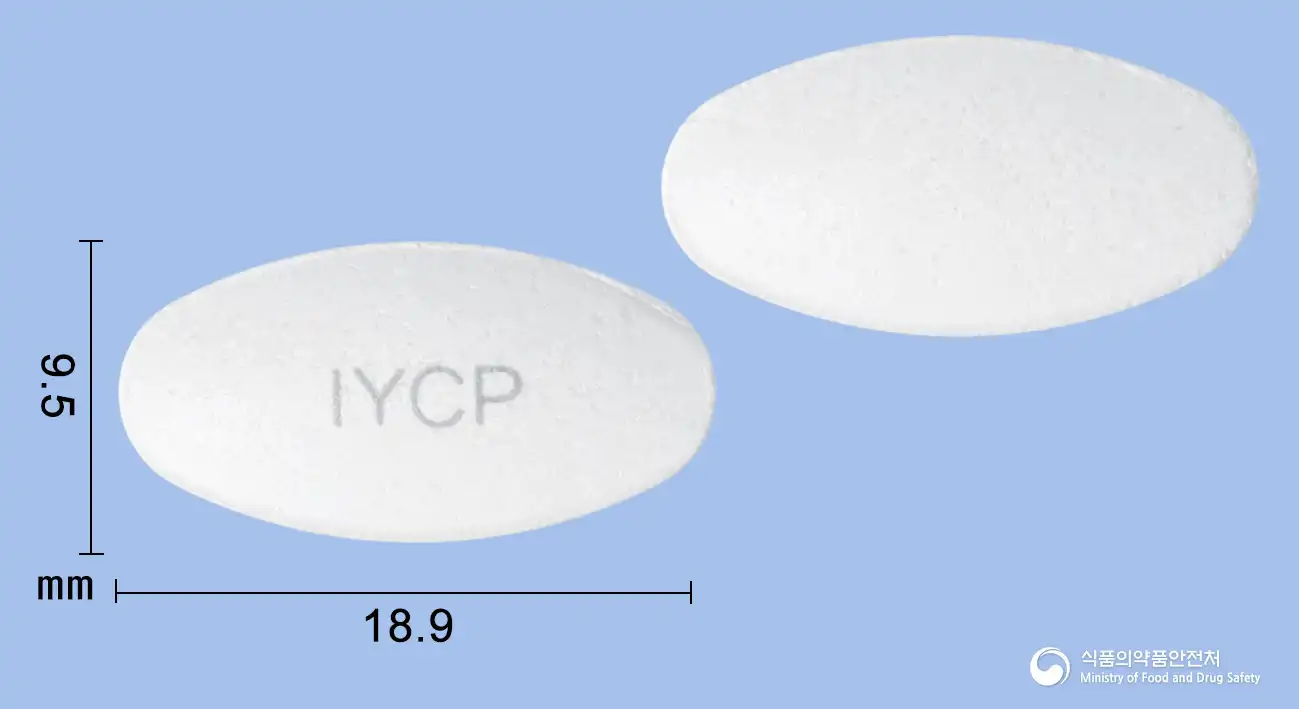
Calcium Polycarbophil 625mg
Tablet · Prescription medication
Il Yang Pharmaceutical Co., Ltd.
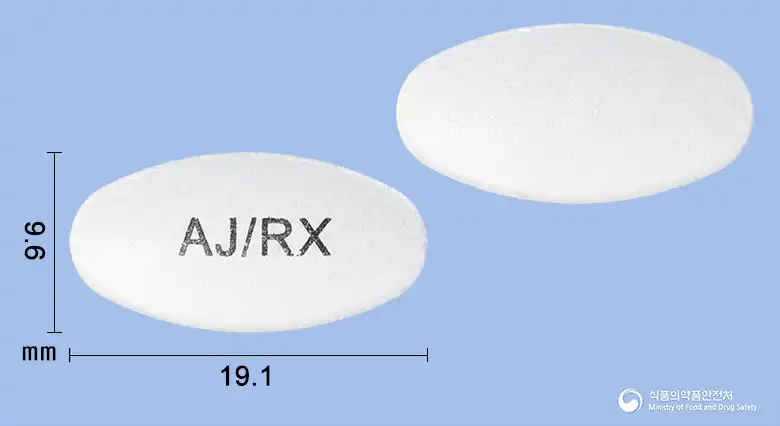
Calcium Polycarbophil 625mg
Tablet · Prescription medication
Ajou Pharmaceutical Co., Ltd.
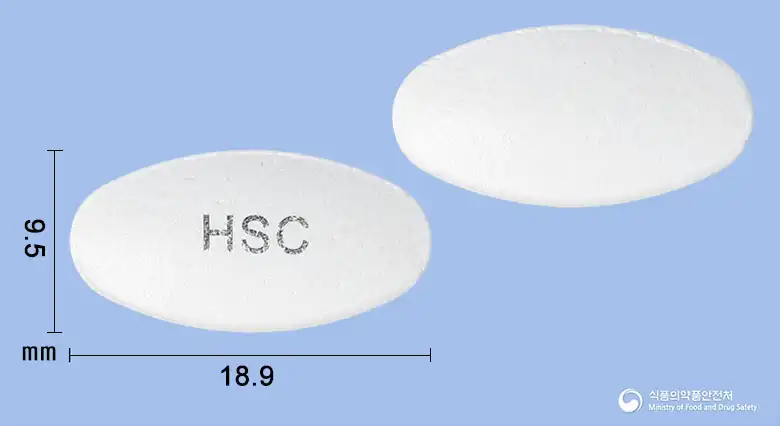
Calcium Polycarbophil 625mg
Tablet · Prescription medication
Heeon Pharmaceutical Co., Ltd.
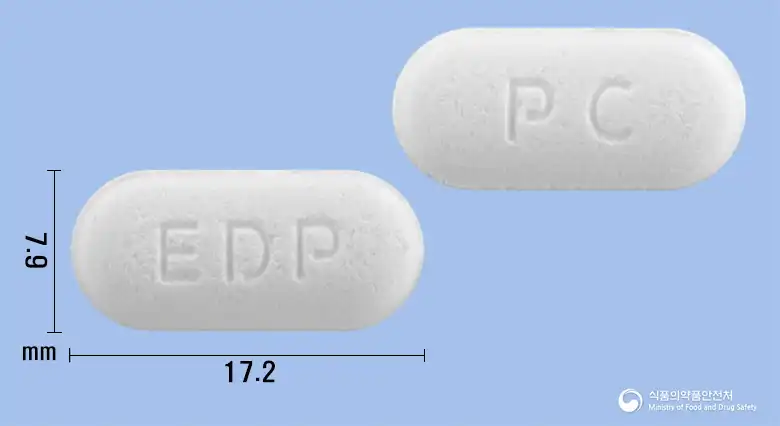
Calcium Polycarbophil 625mg
Tablet · Prescription medication
Eden Pharma Co., Ltd.
Even with the same ingredient, the dose and directions can differ by strength and dosage form. Talk to a doctor or pharmacist before switching from a medication you are already taking.
No questions yet.
For anything that needs medical judgment, consult a doctor or pharmacist.
This drug information is based on data provided by the Korea Ministry of Food and Drug Safety.
Consult a doctor or pharmacist for accurate dosage, administration, and usage instructions.