
 한국어
 English
 日本語
 中文(简体)
 Viewing now
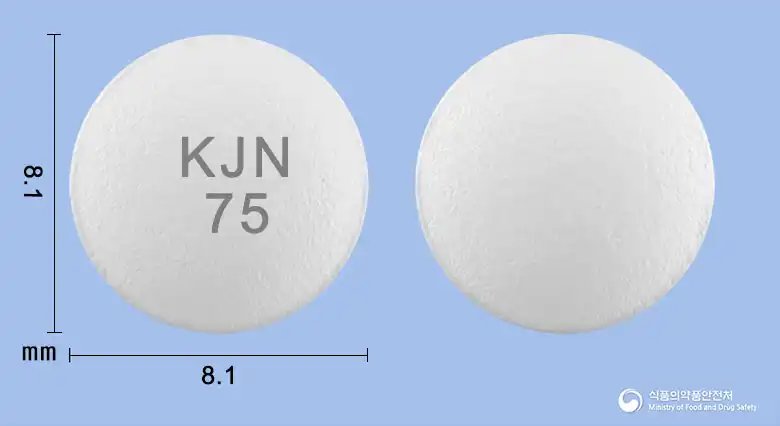
Erickson SR Tablet (Eperisone Hydrochloride)
Eperisone Hydrochloride 75mg
Tablet · Prescription medication
Kukje Pharmaceutical Co., Ltd.
MFDS item code 201907605 · Approved 2019.10.31 · Insurance code 643704770
Relief of painful muscle spasms associated with musculoskeletal disorders (low back pain, periarthritis of the shoulder, etc.)
This medication is used for painful muscle spasms associated with musculoskeletal disorders, such as cervical syndrome, periarthritis of the shoulder, and low back pain.
This is an extended-release tablet; swallow it whole without crushing, splitting, or chewing. Adults: Take 1 tablet (equivalent to 75mg of eperisone hydrochloride) orally twice daily after meals. Adjust the dose as appropriate according to age and symptoms.
This medication should not be used in patients with allergic reactions or myasthenia gravis. Patients with a history of drug hypersensitivity or impaired liver function should use this drug with caution. If any allergic symptoms such as redness, itching, hives, or difficulty breathing occur during medication, discontinue immediately and consult a doctor. Severe skin rashes or blisters, conjunctival injection, oral mucosal inflammation may occur, and if these symptoms appear, the medication should be discontinued immediately. Various side effects such as liver dysfunction, kidney dysfunction, anemia, rash, insomnia, drowsiness, headache, dyspepsia, constipation, diarrhea, abdominal pain, urinary retention may rarely occur, requiring caution regarding symptoms. Particularly, dizziness may occur, so it is advisable to avoid risky activities such as driving or operating machinery. Women who are pregnant or may become pregnant should carefully consider the benefits and risks of using this medication, and nursing mothers are advised to avoid administration or discontinue breastfeeding. The safety of this medication has not been sufficiently established in children, so caution is needed in usage. Elderly patients may have decreased physical functions, so it is important to use the medication with caution, including adjusting the dosage.
Not everyone experiences these, and they can vary from person to person.
This medication may be sensitive to air or moisture, so it should be stored in a tightly sealed container. Additionally, it is best to avoid very hot or very cold places and to store it at room temperature between 1 to 30 degrees Celsius.
White to nearly white round controlled-release film-coated tablets
30 tablets/bottle [(*Packaging material (direct container): bottle - HDPE, cap - LDPE)], 500 tablets/bottle [(*Packaging material (direct container): bottle - HDPE, cap - LDPE)]
Even with the same ingredient, strength, dosage form and how it is taken can differ.
Viewing nowEperisone Hydrochloride 75mg
Tablet · Prescription medication
Kukje Pharmaceutical Co., Ltd.
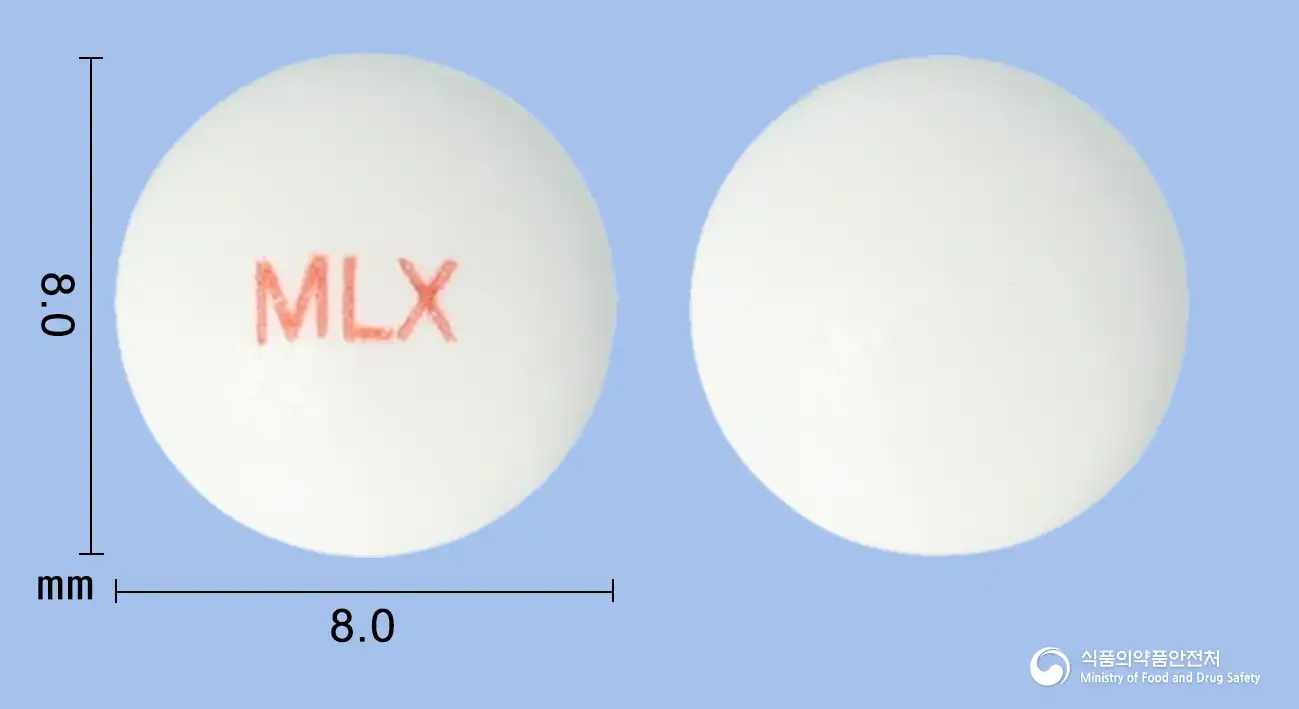
Eperisone Hydrochloride 50mg
Tablet · Prescription medication
Chodang Pharmaceutical Co., Ltd.
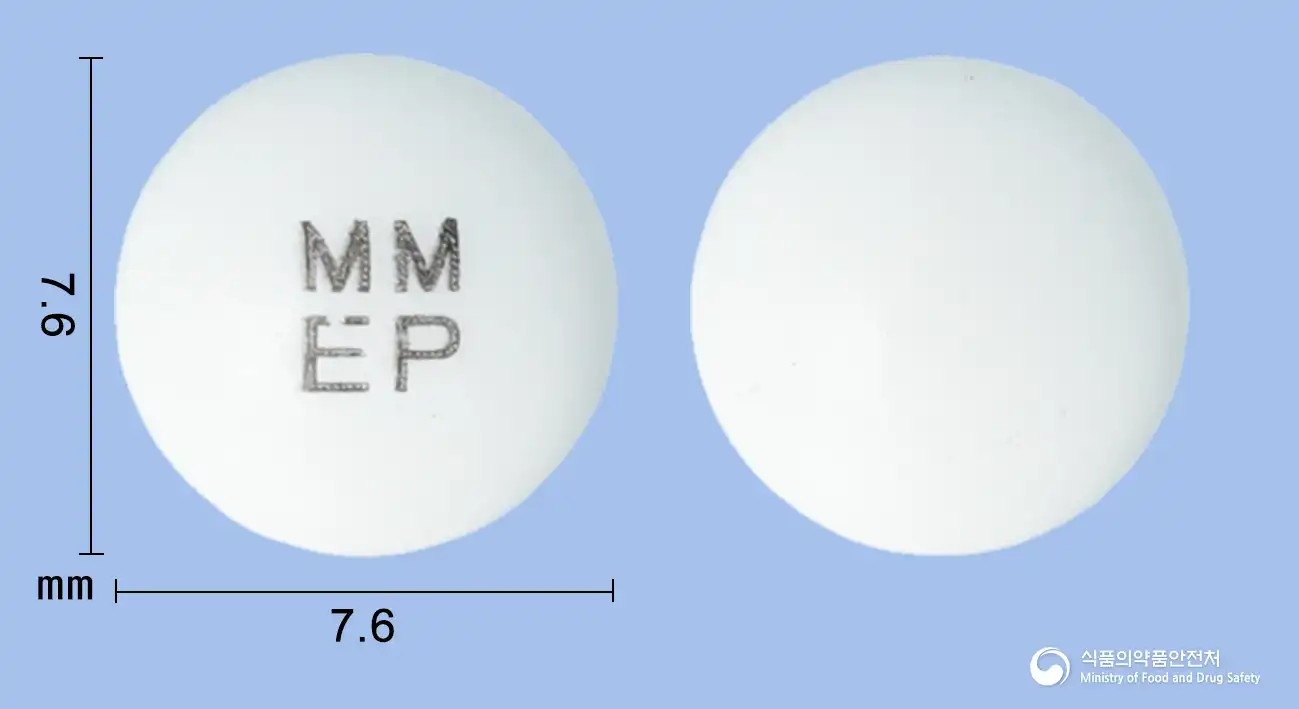
Eperisone Hydrochloride 50mg
Tablet · Prescription medication
Myeongmun Pharmaceutical Co., Ltd.
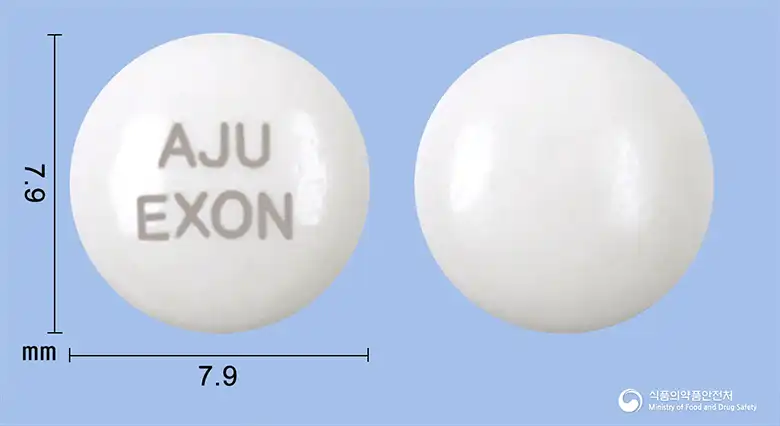
Eperisone Hydrochloride 50mg
Prescription medication
Aju Pharmaceutical Co., Ltd.
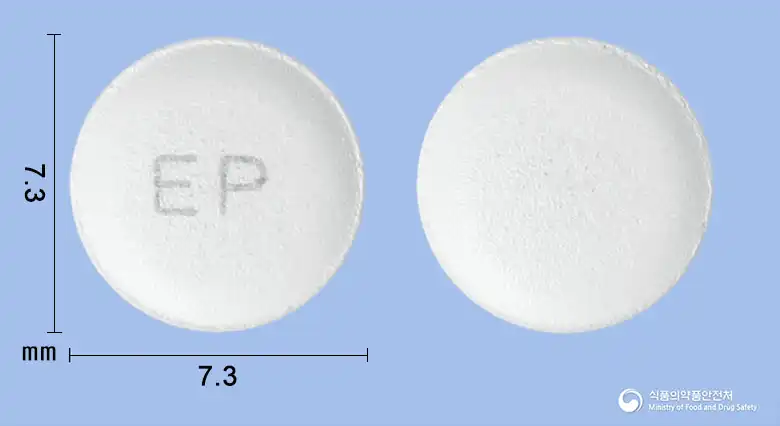
Eperisone Hydrochloride 50mg
Tablet · Prescription medication
Daewoo Pharmaceutical Co., Ltd.
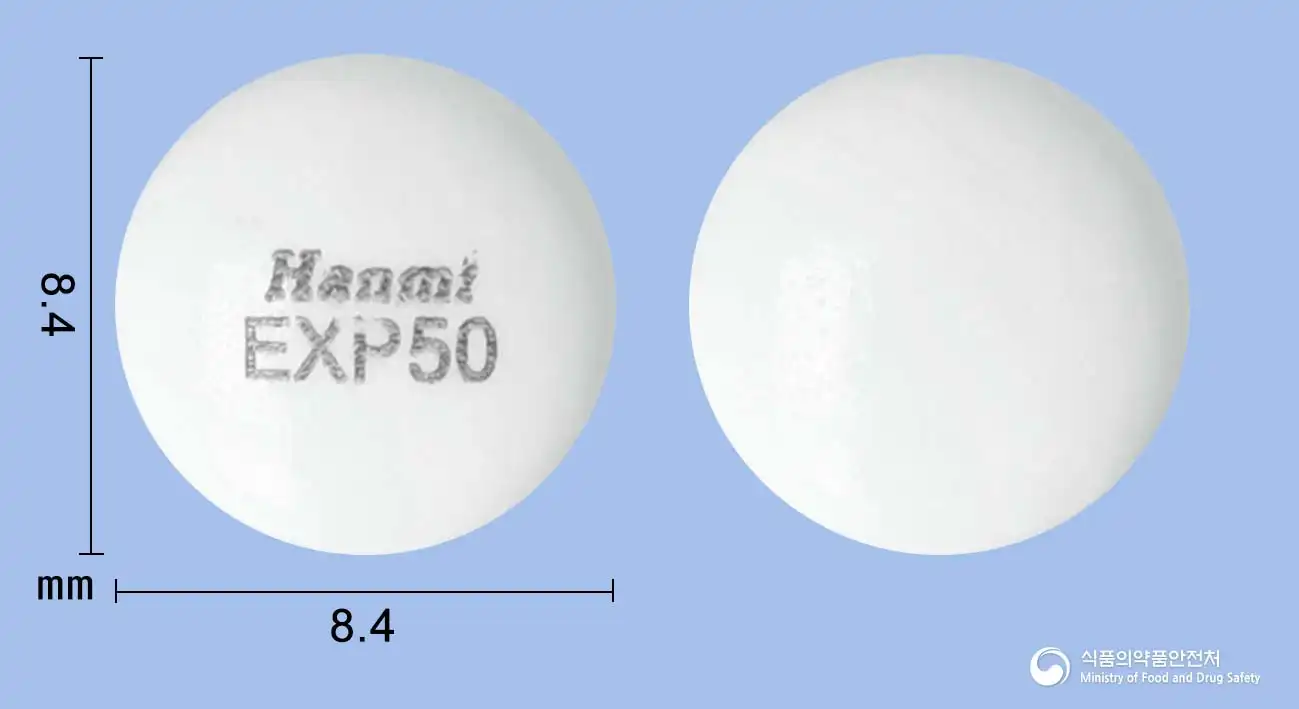
Eperisone Hydrochloride 50mg
Prescription medication
Hanmi Pharmaceutical Co., Ltd.
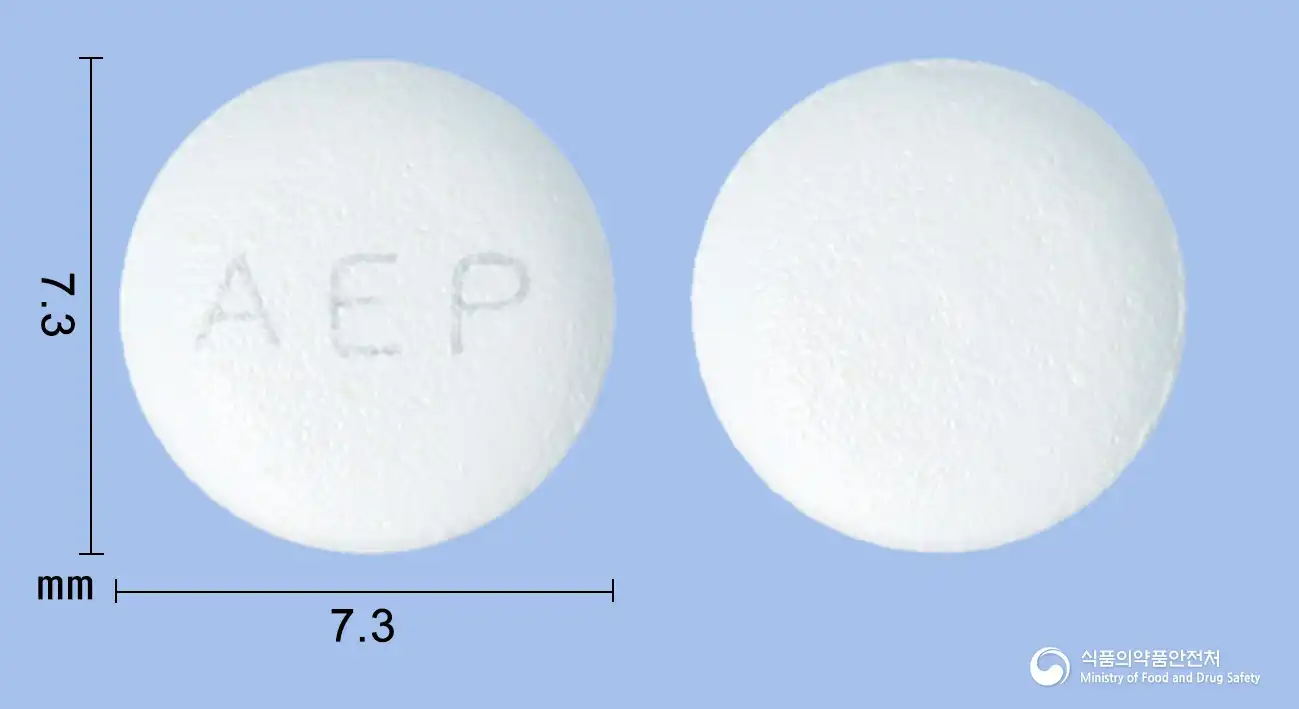
Eperisone Hydrochloride 50mg
Tablet · Prescription medication
Kyungdong Pharmaceutical Co., Ltd.
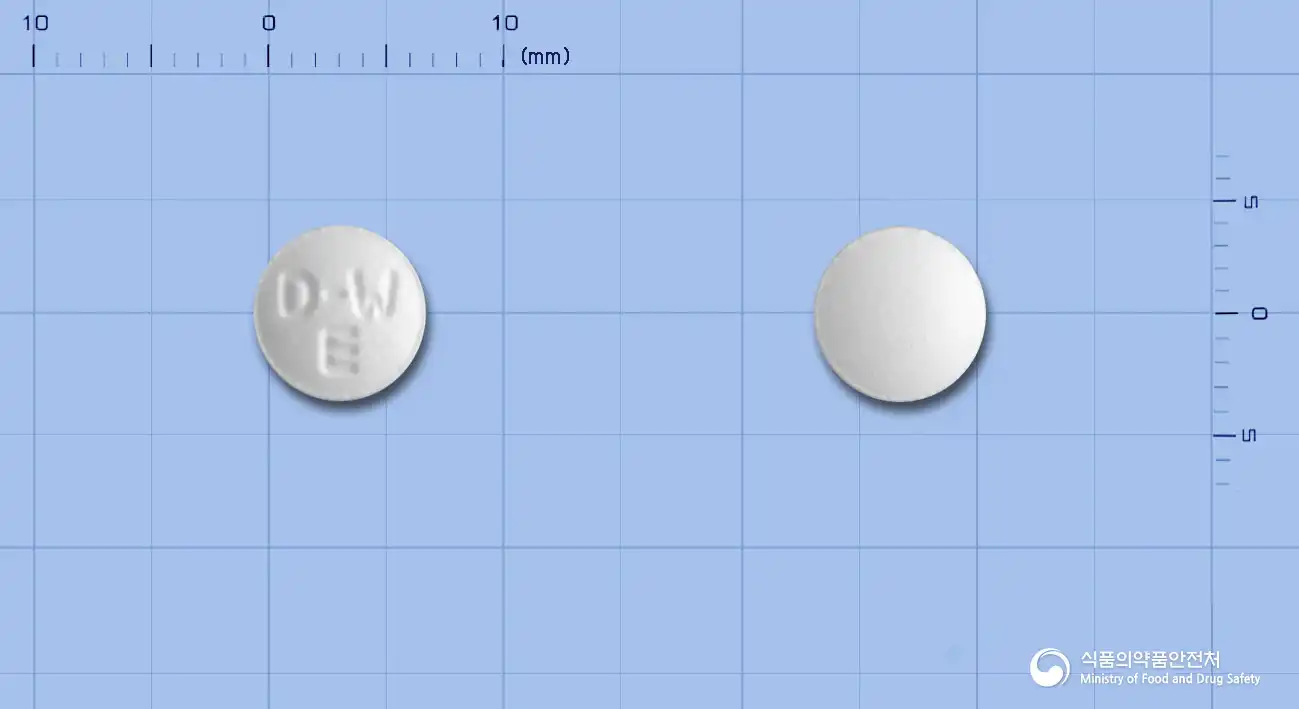
Eperisone Hydrochloride 50mg
Tablet · Prescription medication
Dongwha Pharmaceutical Co., Ltd.
Even with the same ingredient, the dose and directions can differ by strength and dosage form. Talk to a doctor or pharmacist before switching from a medication you are already taking.
No questions yet.
For anything that needs medical judgment, consult a doctor or pharmacist.
This drug information is based on data provided by the Korea Ministry of Food and Drug Safety.
Consult a doctor or pharmacist for accurate dosage, administration, and usage instructions.