
 한국어
 English
 日本語
 中文(简体)
 Viewing nowCombination
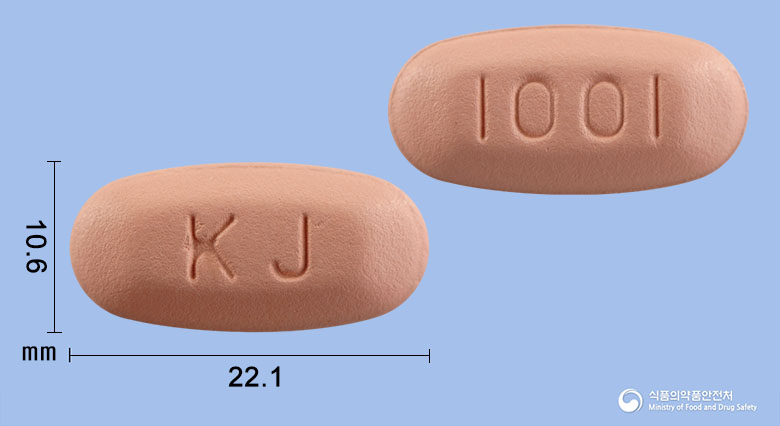
Crevis Tablet 1000/10 mg
Metformin Hydrochloride 750mg · Rosuvastatin Calcium 10.4mg
Tablet · Prescription medication · Combination
Kukje Pharmaceutical Co., Ltd.
MFDS item code 201906466 · Approved 2019.09.17
This product's status changed to Approval revoked on 2026.02.19. It may no longer be sold, so consult a doctor or pharmacist before taking it.
Substitution therapy for patients receiving concomitant metformin and rosuvastatin
This medication is used as a combination replacement therapy for patients who need to take both Metformin Hydrochloride and Rosuvastatin Calcium.
This medicine is administered to adults only, once daily with the evening meal. For convenience, patients taking metformin hydrochloride and rosuvastatin calcium concomitantly may be switched to this medicine (a combination product containing the same amount of each active ingredient). The safety and efficacy of this medicine have been established at a metformin hydrochloride dose of 1500 mg.
This medication can rarely cause a metabolic complication called lactic acidosis, with reports of fatal cases, so caution is required. When used with other diabetes medications, symptoms of hypoglycemia may become more severe, so care should be taken. Patients who have had an allergic reaction to any of the ingredients in this medication, patients with severely impaired liver function, those with muscle disorders, or those who are taking specific immunosuppressants should not be administered this medication. Women who are pregnant or breastfeeding, as well as those who may become pregnant and are not using appropriate contraception, should not use this medication. In cases where pregnancy is highly likely, consulting a physician is essential. It is also safer for patients with severe kidney impairment, acute heart failure, or severe infections or dehydration to avoid using this medication. This medication should be temporarily discontinued before and after examinations using iodinated contrast agents, and it should be re-administered only after kidney function is confirmed to be normal. This medication can cause muscle pain, muscle weakness, and rarely rhabdomyolysis. If muscle-related symptoms occur, notify medical personnel immediately. During treatment, regular liver function tests and muscle-related tests should be conducted, and any unusual symptoms should be reported immediately. Excessive alcohol consumption can increase the risk of side effects from this medication, so avoiding alcohol is recommended. Elderly patients or those with impaired kidney function should have their dosage adjustments made and kidney function checked frequently. This medication may cause side effects such as gastrointestinal disturbances, headaches, dizziness, and skin rashes, so if symptoms are severe, consult a physician. Blood glucose control should be regularly monitored, and immediate notification of medical personnel is required in case of sudden blood sugar changes or unusual symptoms. The effectiveness and side effects of this medication may vary due to certain genetic factors, so dosage adjustments may be necessary based on individual conditions. Caution should be taken as dizziness may occur while driving or operating machinery. Store out of the reach of children and keep in the original container with a tight seal.
Severe lactic acidosis, severe hypoglycemia, diarrhea, upper abdominal pain, constipation, abdominal pain, belching, gastroesophageal reflux disease, upper abdominal discomfort, dyspepsia, cellulitis, paresthesia, arthralgia, papular rash, elevated creatine phosphokinase, elevated liver enzymes, headache, dizziness, constipation, nausea, abdominal pain, pancreatitis, pruritus, rash, urticaria, myalgia, myopathy, rhabdomyolysis, weakness, taste distortion, nausea, vomiting, abdominal pain, loss of appetite, erythema, pruritus, urticaria, angioedema, diabetes, herpes zoster, peripheral neuropathy, memory loss, peripheral neuropathy, cough, dyspnea, thrombocytopenia, jaundice, hepatitis, increased transaminases, Stevens-Johnson syndrome, eosinophilia, drug reaction with eosinophilia and systemic symptoms syndrome, lupus-like syndrome, muscle rupture, immune-mediated necrotizing myopathy, hematuria, edema, depression, sleep disorders, interstitial lung disease, sexual dysfunction, gynecomastia, fatal and non-fatal liver failure, cognitive impairment, severe myasthenia gravis, oculobulbar myasthenia gravis, increased ALT, headache, dizziness, increased CK, constipation, increased AST, weakness, joint pain, fatigue, numbness, paresthesia, chest discomfort, nausea, diarrhea, loss of appetite, abdominal distension, pruritus, abnormal liver function tests, syncope, diffuse pain, muscle cramps, gout, erectile dysfunction, acute renal failure, oliguria, thrombocytopenia, increased serum creatinine
Not everyone experiences these, and they can vary from person to person.
This medication may be sensitive to air or moisture, so it should be stored in a tightly sealed container. The recommended storage temperature is room temperature between 1 to 30 degrees Celsius. This will help maintain the effectiveness of the medication for a longer period.
Pink oval film-coated tablet
PTP - 30 tablets/PTP [10 tablets/PTP×3]
Even with the same ingredient, strength, dosage form and how it is taken can differ.
Viewing nowCombinationMetformin Hydrochloride 750mg · Rosuvastatin Calcium 10.4mg
Tablet · Prescription medication · Combination
Kukje Pharmaceutical Co., Ltd.
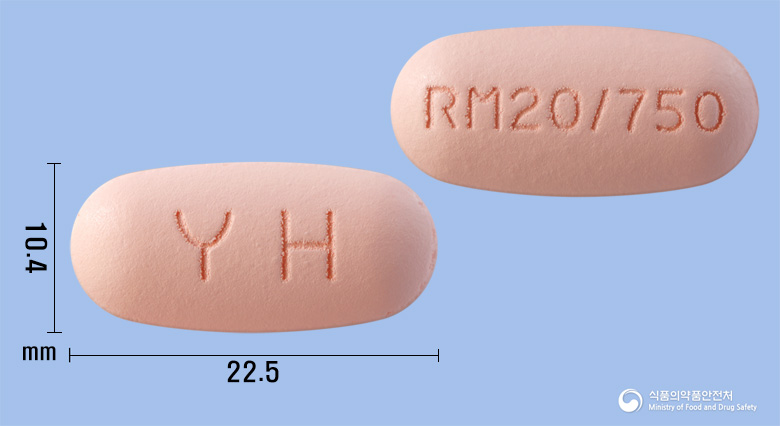 Combination
Metformin Hydrochloride 750mg · Rosuvastatin Calcium 20.8mg
Tablet · Prescription medication · Combination
Yuhan Corporation
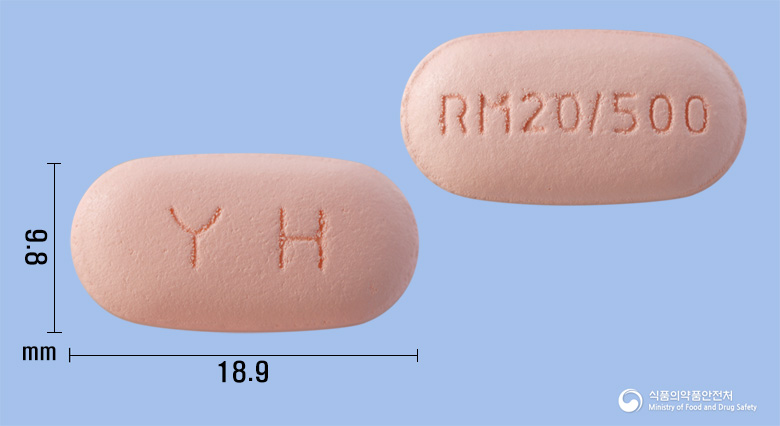 Combination
Metformin Hydrochloride 500mg · Rosuvastatin Calcium 20.8mg
Tablet · Prescription medication · Combination
Yuhan Corporation
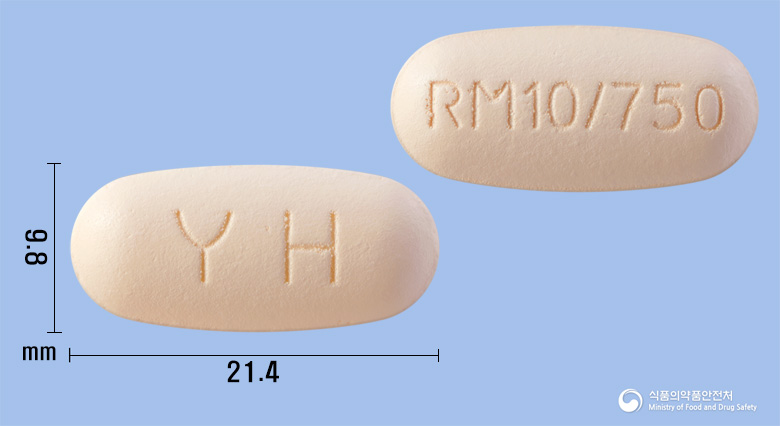 Combination
Metformin Hydrochloride 750mg · Rosuvastatin Calcium 10.4mg
Tablet · Prescription medication · Combination
Yuhan Corporation
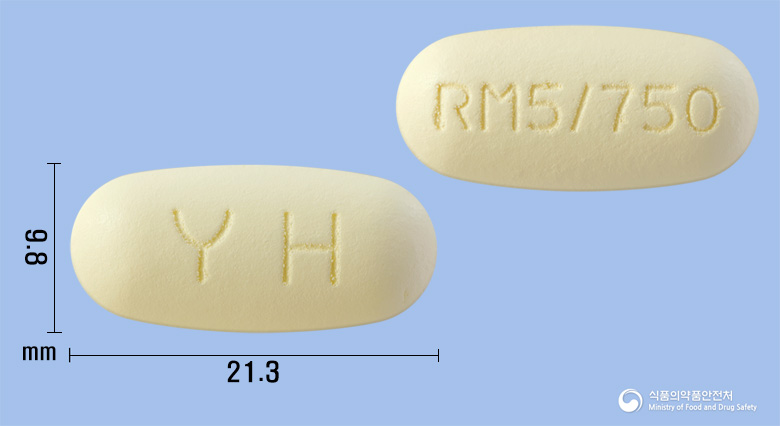 Combination
Metformin Hydrochloride 750mg · Rosuvastatin Calcium 5.2mg
Tablet · Prescription medication · Combination
Yuhan Corporation
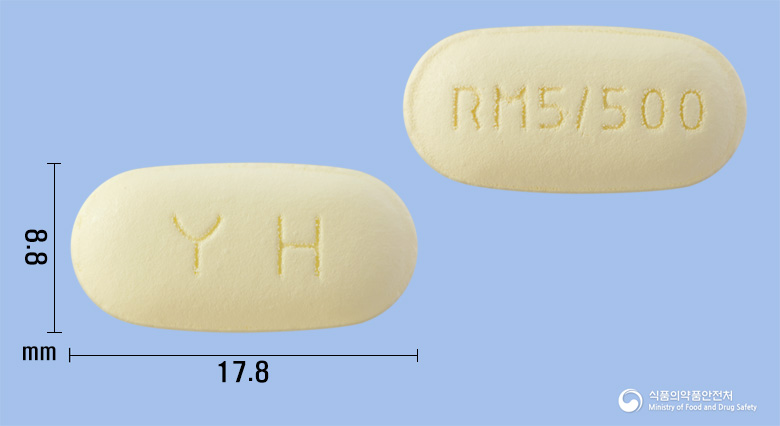 Combination
Metformin Hydrochloride 500mg · Rosuvastatin Calcium 5.2mg
Tablet · Prescription medication · Combination
Yuhan Corporation
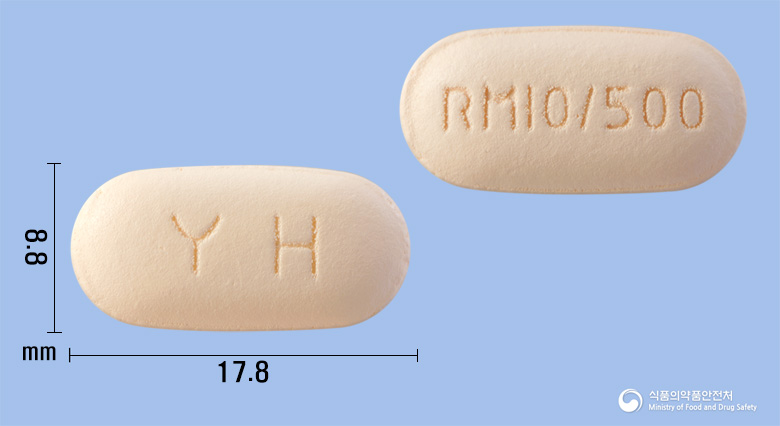 Combination
Metformin Hydrochloride 500mg · Rosuvastatin Calcium 10.4mg
Tablet · Prescription medication · Combination
Yuhansangyo Co., Ltd.
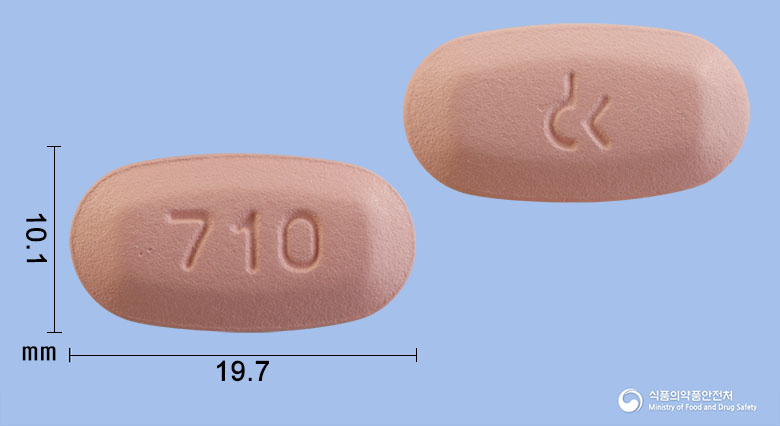 Combination
Metformin Hydrochloride 750mg · Rosuvastatin Calcium 10.4mg
Tablet · Prescription medication · Combination
Dongkuk Pharmaceutical Co., Ltd.
Even with the same ingredient, the dose and directions can differ by strength and dosage form. Talk to a doctor or pharmacist before switching from a medication you are already taking.
No questions yet.
For anything that needs medical judgment, consult a doctor or pharmacist.
This drug information is based on data provided by the Korea Ministry of Food and Drug Safety.
Consult a doctor or pharmacist for accurate dosage, administration, and usage instructions.