
 한국어
 English
 日本語
 中文(简体)
Dosage form image
Viewing nowCombinationDong-A Pharmaceutical Maibora Tablets
Gestodene 0.075mg · Ethinyl Estradiol 0.03mg
OTC medication · Combination
Dong-A Pharmaceutical Co., Ltd.
MFDS item code 201906284 · Notified 2019.09.04
This product's status changed to Expired on 2024.09.04. It may no longer be sold, so consult a doctor or pharmacist before taking it.
Pregnancy prevention
This medicine is used to prevent pregnancy.
Take 1 tablet daily for 21 days in the order indicated, followed by a 7-day tablet-free interval. It is preferable to take the tablets at approximately the same time each day, if possible. Menstruation occurs during the 7-day tablet-free interval and usually begins within 2~3 days after the last tablet is taken. Menstruation may not have ended before you start a new pack. If you are continuing this medicine, start taking tablets from a new pack after the 7-day tablet-free interval. 1. When starting for the first time 1) If you did not use hormonal contraception during the previous month Start taking the tablets on the first day of your menstrual period. If you cannot do so, you may start within 5 days of the start of your period; however, complete contraceptive protection cannot be expected, so you must use an additional non-hormonal contraceptive method (a method other than the rhythm method or basal body temperature method, such as a contraceptive device) for the first 7 days of taking the tablets. If more than 5 days have passed since your period began, wait until your next period before starting. You must also consider the possibility that ovulation or pregnancy may already have occurred before you started taking the medicine. 2) When switching from a combined hormonal contraceptive (combined oral contraceptive), vaginal ring, or transdermal patch Start taking this medicine the day after taking the last tablet of your previous contraceptive (with no tablet-free interval). However, if your previous contraceptive contains a tablet-free interval or placebo tablets with no active ingredients, start taking this medicine no later than the day after the tablet-free interval ends or the day after you take the last placebo tablet. If you have used a vaginal ring or transdermal patch, preferably start taking this medicine on the day the last ring or patch in a cycle pack is removed, and no later than the time when the next use would be scheduled. 3) When switching from a progestogen-only contraceptive You may stop taking the mini-pill (progestogen-only oral contraceptive) and start taking this medicine at any time. If you are using an implant or an intrauterine device, start taking this medicine on the day it is removed; if you are using an injection, start taking it when your next injection is due. However, in all cases, use a barrier method of contraception for the first 7 days of taking this medicine. 2. If you forget to take a dose 1) If less than 12 hours have passed since the scheduled time Contraceptive protection is maintained. Take 1 tablet as soon as you remember, and take the next tablet at the usual scheduled time. 2) If more than 12 hours have passed since the scheduled time Contraceptive protection may be reduced, so follow the instructions below according to these two principles. 1. The period without taking tablets must not exceed 7 days. 2. 7 consecutive days of taking the tablets are required for adequate suppression of the hypothalamic-pituitary-ovarian axis. ● Week 1 Take the last missed tablet as soon as you remember. This may mean taking 2 tablets at once. Then take the next tablet at the usual scheduled time. Use a barrier method of contraception, such as a condom, for the first 7 days of taking the tablets. If you had sexual intercourse during the previous 7 days, pregnancy is possible. The more tablets you have missed and the closer the missed dose is to the usual tablet-free interval, the greater the risk of pregnancy. ● Week 2 Take the last missed tablet as soon as you remember. This may mean taking 2 tablets at once. Then take the next tablet at the usual scheduled time. If you took this medicine continuously for the 7 days immediately before missing the first tablet, no additional contraceptive method is needed. Otherwise, or if you missed more than two tablets, use additional contraception for the first 7 days of taking the tablets. ● Week 3 Because the tablet-free interval is approaching, the risk of reduced contraceptive protection is high. Following the instructions below can prevent a reduction in contraceptive protection. If you took this medicine continuously for the 7 days immediately before missing the first tablet, you do not need to use an additional contraceptive method if you choose either of the following two options. Otherwise, follow the first option below and use an additional contraceptive method for the first 7 days. ① Take the last missed tablet as soon as you remember. This may mean taking 2 tablets at once. Then take the next tablet at the usual scheduled time. Start the next pack as soon as you finish the current pack, without a tablet-free interval. Withdrawal bleeding may not occur until you finish taking the tablets in the second pack, but breakthrough bleeding or spotting may occur while taking the tablets. ② Stop taking the tablets in the current pack, and have a tablet-free interval of 7 days, including the day you missed a tablet, before starting a new pack. If withdrawal bleeding does not occur during the first usual tablet-free interval after you missed a tablet, consider the possibility of pregnancy. 3. If you vomit or have gastrointestinal problems If you have severe gastrointestinal disturbances, absorption of this medicine may be incomplete, so you should use an additional contraceptive method. If you vomit within 3-4 hours after taking a tablet, consider it as a missed dose and follow the instructions in "2. If you forget to take a dose." If you do not wish to change your usual dosing schedule, take an extra tablet from a new pack as needed. 4. If unexpected bleeding occurs Irregular bleeding (spotting or breakthrough bleeding) may occur, mainly during the first 3 months, but continue taking the tablets in this case. Symptoms usually disappear after 3 months, but consult your doctor if bleeding continues or becomes heavy. 5. Taking the medicine after delivery or abortion 1) After an abortion during the first 3 months of pregnancy You can start taking the medicine immediately. In this case, no additional contraceptive method is needed. 2) After an abortion between 4-6 months of pregnancy or after delivery You can start taking the medicine 21-28 days after an abortion or delivery. If you start later, use a non-hormonal contraceptive method for the first 7 days of taking the tablets. However, if you have already had sexual intercourse, confirm whether you are pregnant before starting a combined oral contraceptive, or wait until your normal menstrual period begins and start taking the tablets on the first day of your period. 6. If you want to change or extend your cycle To extend your cycle, take the tablets from a new pack of this medicine in sequence without a tablet-free interval. You can extend the cycle for as long as desired, until you finish taking the second pack. Breakthrough bleeding or spotting may occur during the extended period. Then resume taking this medicine as usual after a 7-day tablet-free interval. To change your cycle to a day other than your current schedule, you can shorten the upcoming tablet-free interval by the desired number of days. The shorter the tablet-free interval, the greater the risk that withdrawal bleeding will not occur and that breakthrough bleeding or spotting will occur while taking the second pack.
This drug may significantly increase the risk of serious cardiovascular side effects like thrombosis in women who smoke, therefore, women over 35 should avoid smoking and should not use this drug if they are smokers. This drug should not be administered to patients with certain diseases or medical histories. For example, women with estrogen-dependent tumors (such as breast cancer or endometrial cancer), thromboembolic disorders (such as thromboembolism, deep vein thrombosis), cerebrovascular or coronary artery disease, moderate to severe hypertension, liver impairment, women who are pregnant or may be pregnant, nursing mothers, and patients with certain hereditary metabolic disorders should not take this drug. This drug should be used cautiously in women over 40, patients with epilepsy, those with a family history of breast cancer or hyperlipidemia, patients with endometriosis, asthma, or peripheral blood circulation disorders, and consultation with a doctor before use is necessary. During treatment with this drug, side effects such as headache, depression, breast pain, dyspepsia, skin rash may occur. If symptoms related to cardiovascular problems (thrombosis, stroke, myocardial infarction, etc.) appear, immediate consultation with medical personnel is required. Because this drug increases the risk of thrombosis, utmost caution is required for those with family history of thrombosis or factors such as obesity, prolonged immobility, and smoking, and it may be suspended before and after surgery or in situations with prolonged limitations on movement. If pregnant or possibly pregnant, this drug must be discontinued immediately, and it is also advisable for nursing mothers to avoid using this drug. This drug may interact with other medications, so if you are currently taking any medication, you should inform and consult with your doctor or pharmacist. Particularly, the contraceptive effect may be reduced when used in conjunction with drugs that induce liver enzymes, some antibiotics, anticonvulsants, or antiviral drugs. In case of overdose, symptoms such as nausea, vomiting, dizziness, abdominal pain may occur, and since there is no specific antidote, treatment according to symptoms is necessary. This drug may affect blood test results, so regular check-ups and monitoring are important. This drug should be stored out of reach of children and avoid transferring to other containers.
Contact lens intolerance, nausea, abdominal pain, vomiting, diarrhea, hypersensitivity, weight gain, fluid retention, weight loss, headache, migraine, depressive mood, mood changes, decreased libido, increased libido, mastalgia, breast tenderness, breast enlargement, vaginal discharge, nipple discharge, rash, urticaria, nodular erythema, polymorphic erythema, thrombophlebitis, thrombosis, arterial thromboembolism, stroke, intracerebral hemorrhage, cerebral thrombosis, myocardial infarction, pulmonary embolism, increased blood pressure, hypertension, worsening of varicose veins, transient ischemic attack, intermenstrual bleeding, changes in menstrual volume, amenorrhea, changes in vaginal discharge, increase in uterine fibroid size, cervical erosion, vaginal candidiasis, vaginitis, premenstrual syndrome, hemolytic uremic syndrome, dysmenorrhea, cervical cancer, breast tension and enlargement, galactorrhea, benign breast disease, abdominal fullness, abdominal cramps, gastrointestinal disorders, bile secretion, non-jaundiced hepatitis, cholestatic jaundice, itching, malignant and benign liver tumors, liver dysfunction, worsening of porphyria, chronic inflammatory bowel disease, ulcerative colitis, abdominal pain, pancreatitis, hepatocellular tumors, cholelithiasis, depression, dizziness, nervousness, worsening of chorea related to ceroid lipofuscinosis, epilepsy, decreased perceptual ability, fatigue, control disorders, melasma, persistent melasma, acne, worsening of systemic lupus erythematosus, hemorrhagic rash, allergic rash, edema, itching, seborrhea, hirsutism, hair loss, pregnancy herpes, visual impairment, corneal refractive changes, retinal thrombosis, optic neuritis, auditory impairment related to otosclerosis, sodium retention, changes in glucose tolerance, peripheral insulin resistance effects, diabetes, hypertriglyceridemia, hypercholesterolemia, changes in appetite, speech disorders, prolactin-secreting pituitary tumor, changes in serum lipid levels, decreased serum folate levels, anaphylaxis, anaphylactic-like reaction, worsening of angioedema symptoms
Not everyone experiences these, and they can vary from person to person.
This drug must be stored in a tightly sealed container to prevent exposure to air or moisture. It is important to maintain a storage temperature between 1 to 30 degrees Celsius. Proper storage helps maintain the drug's effectiveness and prevents degradation.
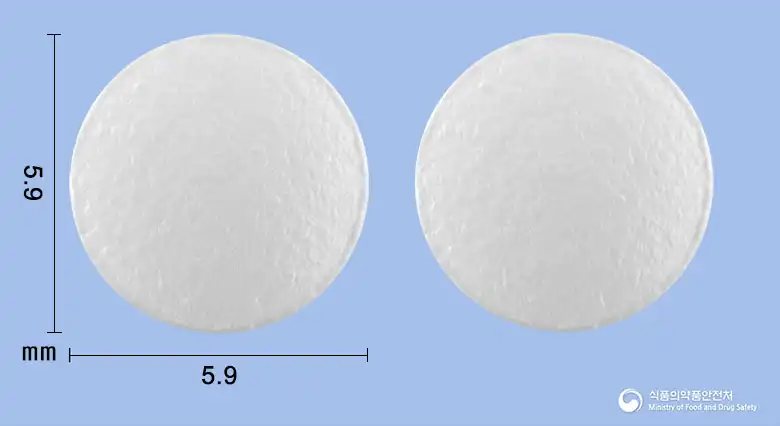
White round film-coated tablets
21 tablets/PTP, 21 tablets/PTP[x 3], 21 tablets/PTP[x 6]
Even with the same ingredient, strength, dosage form and how it is taken can differ.
Gestodene 0.075mg · Ethinyl Estradiol 0.03mg
OTC medication · Combination
Dong-A Pharmaceutical Co., Ltd.
 Combination
Gestodene 0.075mg · Ethinyl Estradiol 0.03mg
OTC medication · Combination
Pfizer Pharmaceuticals Korea Co., Ltd.
 Combination
Gestodene 0.075mg · Ethinyl Estradiol 0.03mg
OTC medication · Combination
Dong-A Pharmaceutical Co., Ltd.
 Combination
Gestodene 0.075mg · Ethinyl Estradiol 0.02mg
OTC medication · Combination
Dong-A Pharmaceutical Co., Ltd.
 Combination
Ethinyl Estradiol 0.02mg · Gestodene 0.075mg
OTC medication · Combination
Green Cross Corporation
 Combination
Ethinyl Estradiol 0.015mg · Gestodene 0.06mg
Tablet · OTC medication · Combination
Green Cross Corp.
Gestodene 0.075mg · Ethinyl Estradiol 0.02mg
OTC medication · Combination
GL Pharma Co., Ltd.
Even with the same ingredient, the dose and directions can differ by strength and dosage form. Talk to a doctor or pharmacist before switching from a medication you are already taking.
No questions yet.
For anything that needs medical judgment, consult a doctor or pharmacist.
This drug information is based on data provided by the Korea Ministry of Food and Drug Safety.
Consult a doctor or pharmacist for accurate dosage, administration, and usage instructions.