
 한국어
 English
 日本語
 中文(简体)
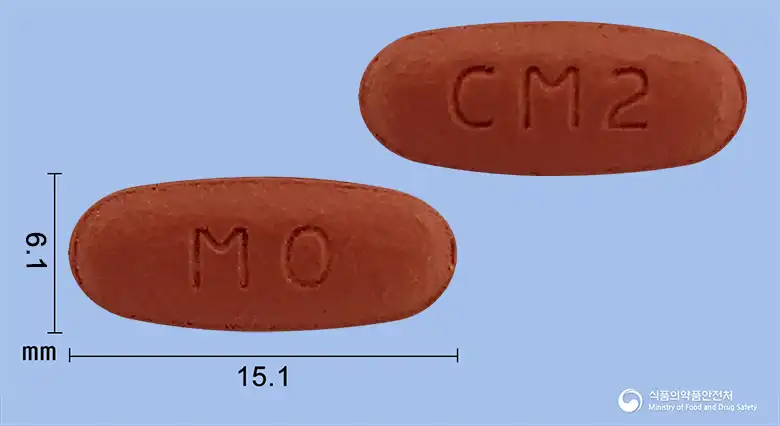
Dosage form image
Viewing nowCombinationCodyquvalent Tablet 80/12.5 mg
Valsartan 80mg · Hydrochlorothiazide 12.5mg
Tablet · Prescription medication · Combination
Ankook Newpharm Co., Ltd.
MFDS item code 201905565 · Approved 2019.08.07
This product's status changed to Expired on 2024.08.07. It may no longer be sold, so consult a doctor or pharmacist before taking it.
Treatment of essential hypertension not controlled by monotherapy
This medication is used for patients with essential hypertension whose blood pressure is not adequately controlled with monotherapy.
○ Adults The recommended dose is 1 tablet of valsartan 80 mg/hydrochlorothiazide 12.5 mg once daily. It may be taken with or without food, with a small amount of water. Valsartan 160 mg/hydrochlorothiazide 12.5 mg applies when valsartan 160 mg/hydrochlorothiazide 12.5 mg has been prescribed to lower blood pressure. The maximum blood pressure-lowering effect is achieved after 2 ~ 4 weeks. ○ Patients with renal impairment No dose adjustment is necessary in patients with mild ~ moderate renal impairment (creatinine clearance of 30 mL/min or greater). ○ Patients with hepatic impairment In patients with mild ~ moderate hepatic impairment without cholestasis, do not use more than 80 mg of valsartan per day.
This medication may pose serious risks to the fetus during pregnancy; administration should be immediately discontinued if pregnancy is confirmed. Patients with known allergies to the ingredients of this medication or a history of certain liver disorders, kidney disorders, or angioedema should not take this medication. Caution should be exercised in patients with electrolyte imbalances, poor kidney function, elderly individuals, and those with heart failure. Regular blood tests and body condition monitoring are required during treatment. This medication may cause dizziness or drowsiness, and caution should be exercised when driving or operating machinery. Do not take potassium supplements without consulting a physician, especially in cases of unstable fluid or electrolyte status. This medication may interact with other drugs, so it is crucial to inform your doctor or pharmacist if you are taking any other medications. The hydrochlorothiazide component may react sensitively to sunlight, so avoid exposure to UV rays or use appropriate skin protection during treatment. If severe adverse reactions occur, immediate discontinuation of the medication and consultation with healthcare personnel is necessary, particularly for symptoms such as rash, difficulty breathing, severe dizziness, or edema, which require prompt action. Use in children is not recommended as safety and efficacy have not been sufficiently established.
Not everyone experiences these, and they can vary from person to person.
This medication should be stored in a tightly sealed container to protect it from air and moisture. It is also advisable to store it in a cool place below 30 degrees Celsius.
Bright orange oval-shaped film-coated tablet
30 tablets/bottle, 100 tablets/bottle
Even with the same ingredient, strength, dosage form and how it is taken can differ.
Valsartan 80mg · Hydrochlorothiazide 12.5mg
Tablet · Prescription medication · Combination
Ankook Newpharm Co., Ltd.
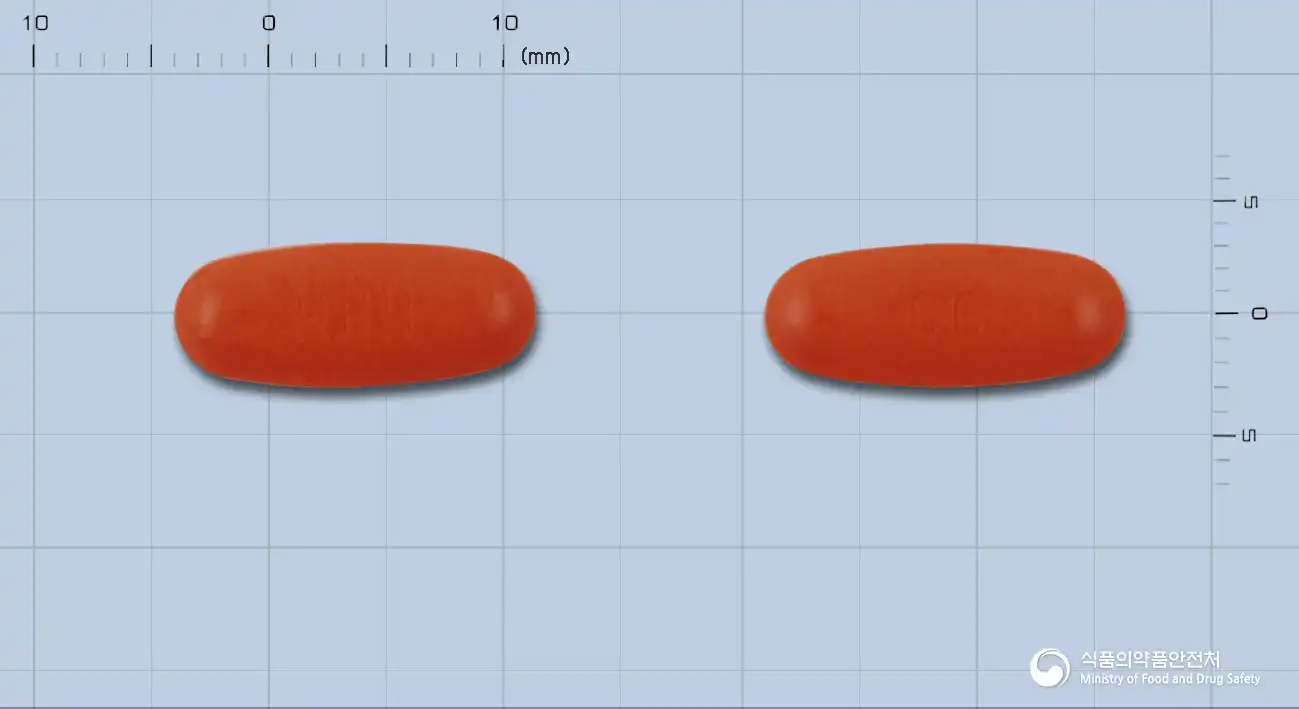 Combination
Valsartan 160mg · Hydrochlorothiazide 12.5mg
Tablet · Prescription medication · Combination
Novartis Korea Co., Ltd.
Valsartan · Hydrochlorothiazide
Prescription medication · Combination
Sandoz Korea Co., Ltd.
Valsartan · Hydrochlorothiazide
Prescription medication · Combination
Sandoz Korea Co., Ltd.
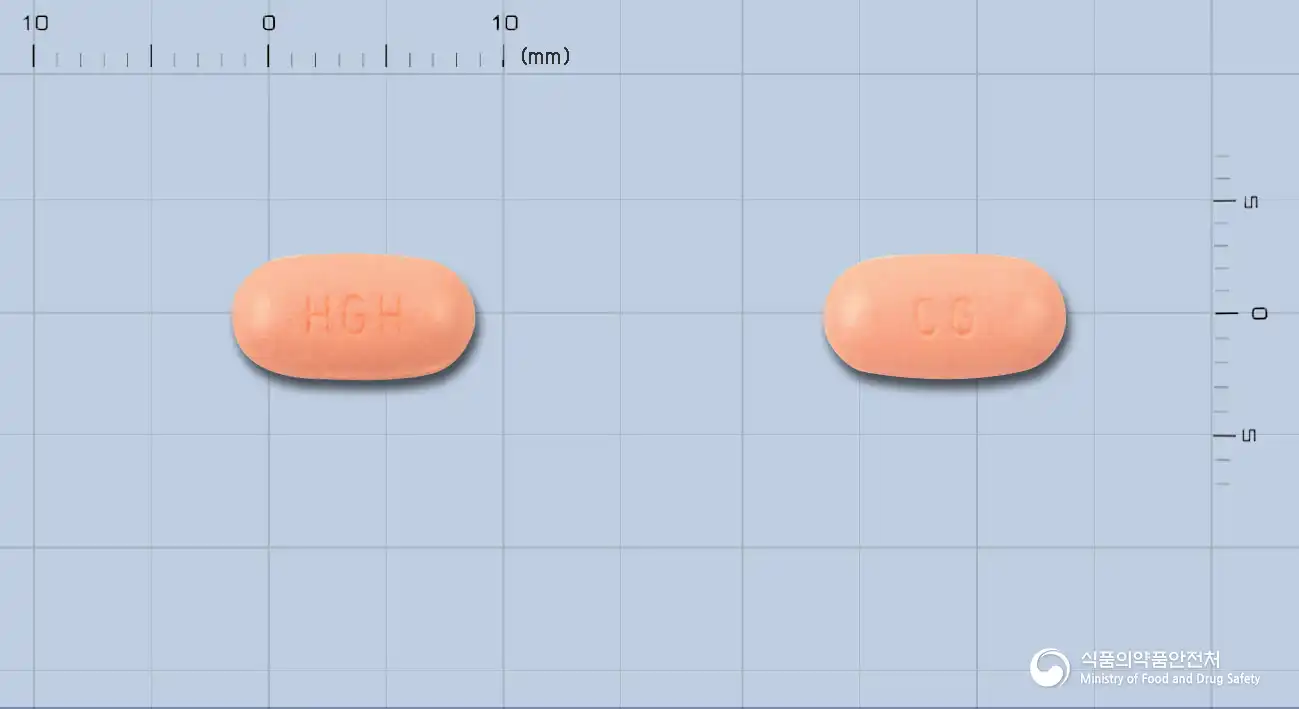 Combination
Valsartan 80mg · Hydrochlorothiazide 12.5mg
Tablet · Prescription medication · Combination
Novartis Korea Co., Ltd.
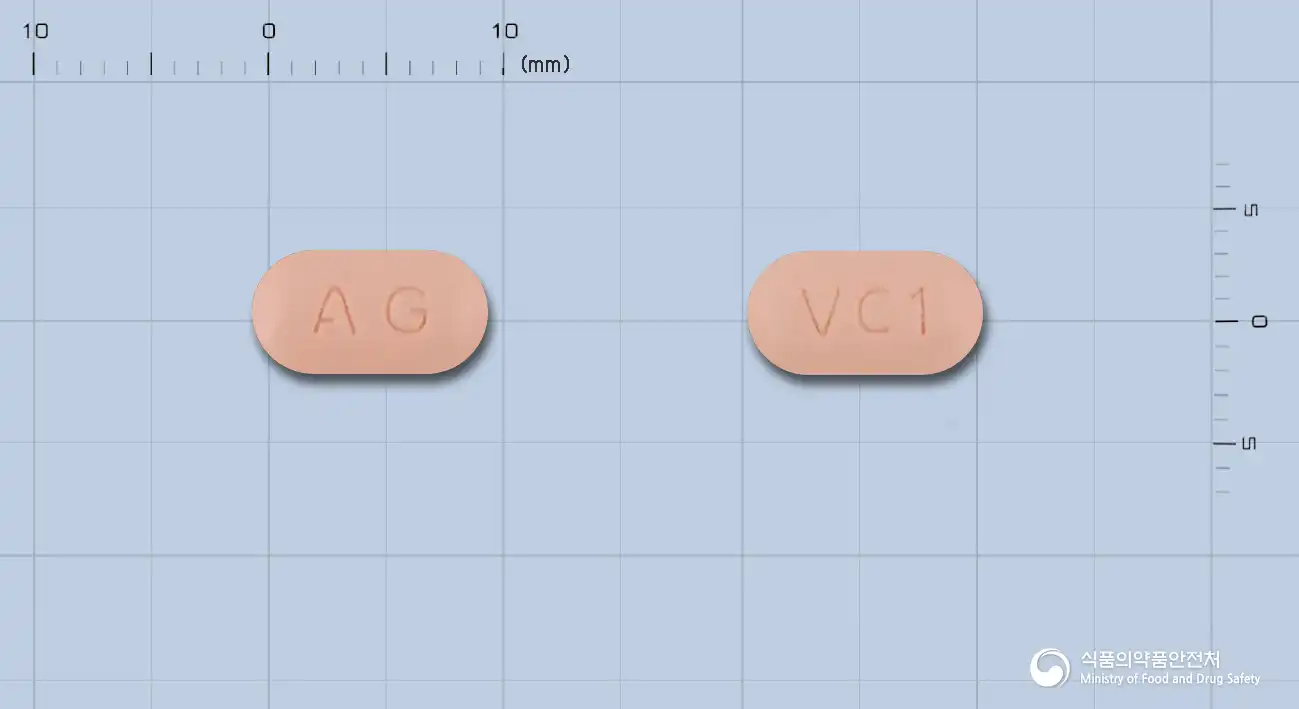 Combination
Valsartan 80mg · Hydrochlorothiazide 12.5mg
Tablet · Prescription medication · Combination
Anguk Pharmaceutical Co., Ltd.
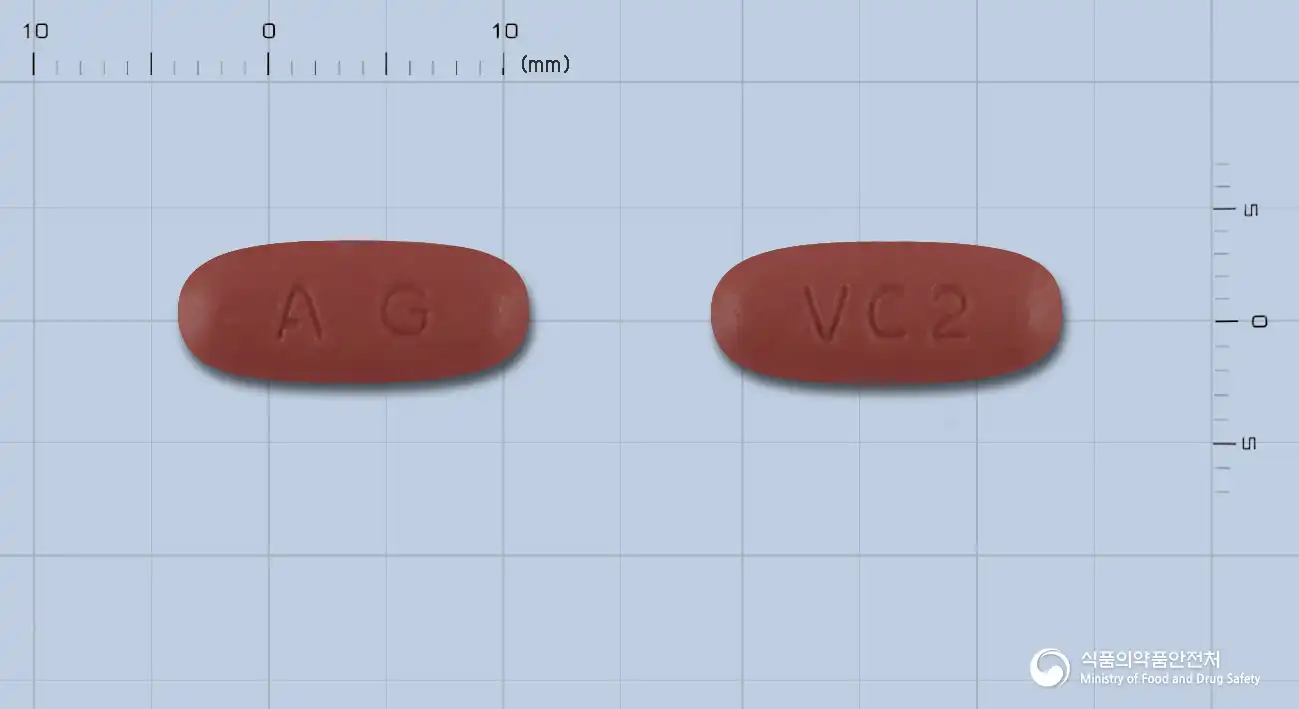 Combination
Valsartan 160mg · Hydrochlorothiazide 12.5mg
Tablet · Prescription medication · Combination
Anguk Pharmaceutical Co., Ltd.
 Combination
Valsartan 160mg · Hydrochlorothiazide 12.5mg
Tablet · Prescription medication · Combination
Albozen Korea Co., Ltd.
Even with the same ingredient, the dose and directions can differ by strength and dosage form. Talk to a doctor or pharmacist before switching from a medication you are already taking.
No questions yet.
For anything that needs medical judgment, consult a doctor or pharmacist.
This drug information is based on data provided by the Korea Ministry of Food and Drug Safety.
Consult a doctor or pharmacist for accurate dosage, administration, and usage instructions.