
 한국어
한국어 English
 日本語
日本語 中文(简体)
Dosage form image
Viewing nowArond Tablet (Sodium Alendronate Trihydrate)
Sodium Alendronate Trihydrate 91.37mg
Tablet · Prescription medication
Daewoo Pharmaceutical Co., Ltd.
MFDS item code 201905535 · Approved 2019.08.06
This product's status changed to Expired on 2024.08.06. It may no longer be sold, so consult a doctor or pharmacist before taking it.
Improvement of postmenopausal osteoporosis in women and men
This medication is used for the treatment of osteoporosis in both postmenopausal women and men. Osteoporosis refers to a condition in which bones become weak and are at increased risk of fractures. This drug helps to increase bone density and reduce the risk of fractures. Therefore, it is effective for those whose bones have weakened due to hormonal changes from menopause or aging, and it contributes to the prevention of complications arising from osteoporosis. For these reasons, it is used in the treatment of osteoporosis in both postmenopausal women and men.
As sodium alendronate, take 70 mg once weekly in the morning with plenty of water at least 30 minutes before food, beverages, or other medications. This medication should be taken immediately upon waking, and you must not lie down for at least 30 minutes after taking it until after consuming the first meal. Consuming food within 30 minutes or simultaneously with the medication may reduce drug absorption in the body and decrease effectiveness.
This drug, being an oral bisphosphonate, may irritate the mucosa of the upper gastrointestinal tract, so patients with diseases of the esophagus, stomach, or duodenum need to be cautious while taking it. Particularly, serious esophageal adverse reactions such as esophagitis, esophageal ulcers, and esophageal erosion may rarely occur, and if symptoms such as difficulty swallowing, pain behind the sternum, or heartburn arise, the medication should be discontinued immediately and a physician consulted. It should be taken in the morning upon waking before meals with plenty of water, and the patient should not lie down for at least 30 minutes after taking it, nor should the tablet be chewed or sucked. Following the proper administration method is crucial to reduce the risk of esophageal irritation, and patients with mental disorders must be guided and supervised prior to taking this medication. This medication should not be administered to patients with certain esophageal diseases, those unable to sit or stand, hypocalcemia patients, severe renal impairment patients, pregnant or nursing women, and patients with genetic lactose-related disorders. During treatment, serum calcium levels should be monitored, and supplementation may be necessary if there is a deficiency in calcium or vitamin D. Adverse reactions may include musculoskeletal pain, gastrointestinal symptoms (abdominal pain, nausea, dyspepsia, etc.), skin rash, headaches, dizziness, taste disturbances, rash, erythema, itching, hair loss, black stools, dizziness, and taste disturbances. Particularly with long-term use, rare occurrences of atypical femoral fractures may arise, so continuous observation is necessary. There are also interactions with other drugs, so calcium supplements or antacids should be taken at least 30 minutes after this medication, and concomitant use with aspirin may increase the risk of gastrointestinal adverse reactions. Pregnant or nursing women should not take this medication, and the safety in children and adolescents under 18 years of age has not been established. Elderly patients may use this medication, but caution is necessary as some may exhibit increased sensitivity. In case of overdose, symptoms may include hypocalcemia and gastrointestinal irritation, and immediate consultation with a medical institution is required. Inducing vomiting should be avoided, and the patient should be kept upright. This drug should be stored out of reach of children and should not be transferred to another container. Patients should be thoroughly instructed on the proper administration and precautions to ensure correct usage.
Hives, angioedema, hypersensitivity reactions, esophageal stricture, esophageal achalasia, esophagitis, esophageal erosion, esophageal ulcers, esophageal obstruction, esophageal perforation, symptoms of hypocalcemia, severe esophageal adverse reactions, gastric ulcers, duodenal ulcers, severe skin reactions (Stevens-Johnson syndrome, toxic epidermal necrolysis), severe swelling, severe bone, joint, muscle pain, headaches, atypical fractures, low-energy bone fractures, perforation, angioedema, Stevens-Johnson syndrome
Abdominal pain, nausea, dyspepsia, constipation, diarrhea, flatulence, acid reflux, esophageal ulcers, vomiting, difficulty swallowing, abdominal bloating, gastritis, musculoskeletal (bone, muscle, or joint) pain, muscle spasms, headaches, dizziness, taste disturbances, rash, erythema, itching, hair loss, black stools, dizziness, taste disturbances
Not everyone experiences these, and they can vary from person to person.
This drug should be stored in a tightly sealed container to protect it from air and moisture, and the temperature should be maintained between 15 to 30 degrees Celsius. Proper storage will help maintain the drug's effectiveness for a longer period.
White oval tablet
4 tablets (4 tablets/PTP packaging (AluAlu)x1)
Even with the same ingredient, strength, dosage form and how it is taken can differ.
Sodium Alendronate Trihydrate 91.37mg
Tablet · Prescription medication
Daewoo Pharmaceutical Co., Ltd.
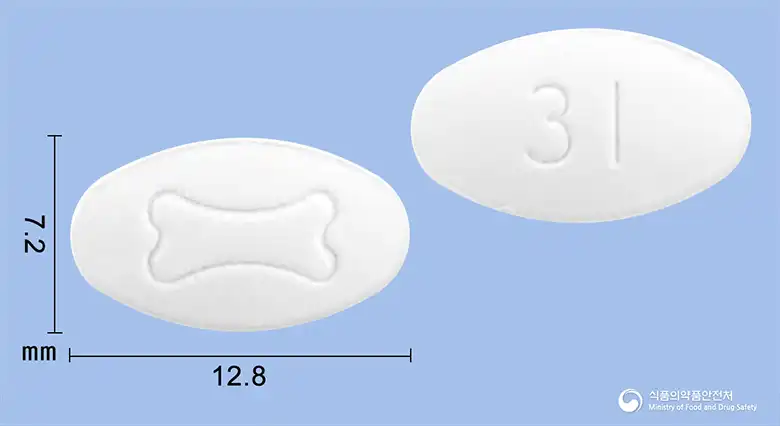
Sodium Alendronate Hydrate 91.37mg
Tablet · Prescription medication
Korea Organon Co., Ltd.
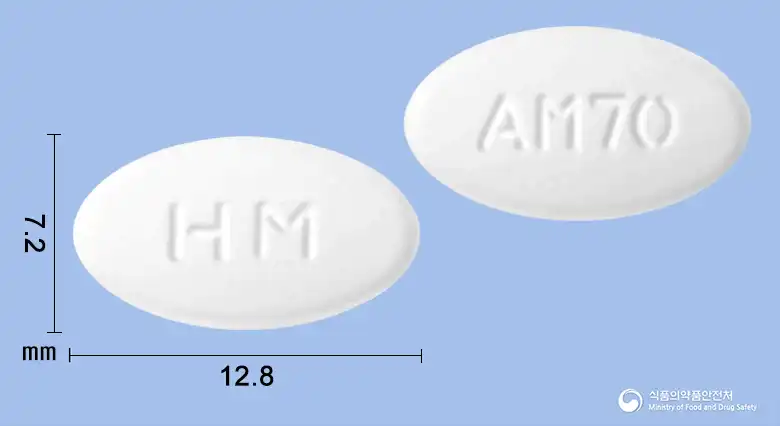
Sodium Alendronate 91.37mg
Tablet · Prescription medication
Hanmi Pharmaceutical Co., Ltd.
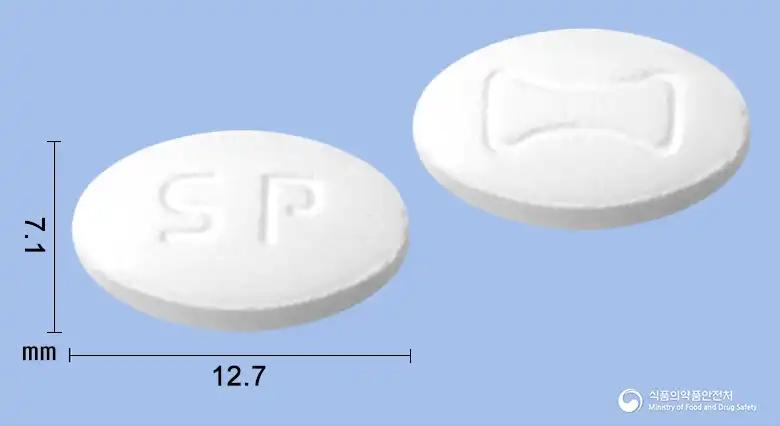
Sodium Alendronate Hydrate 91.37mg
Tablet · Prescription medication
Shinpoong Pharmaceutical Co., Ltd.
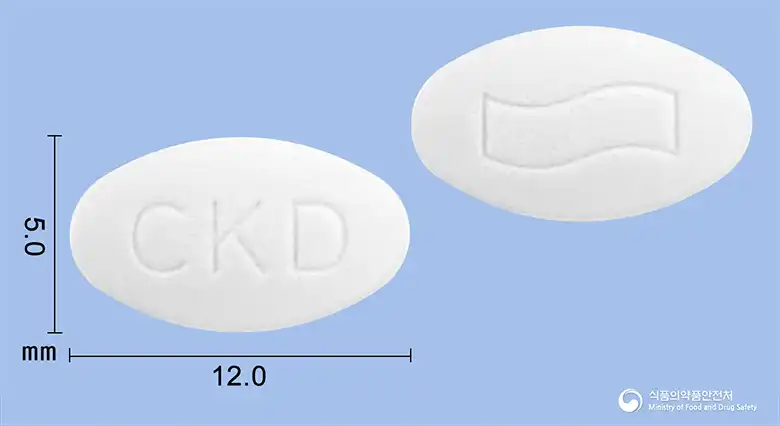
Sodium Alendronate 91.37mg
Tablet · Prescription medication
(Co., Ltd.) Jungkundang
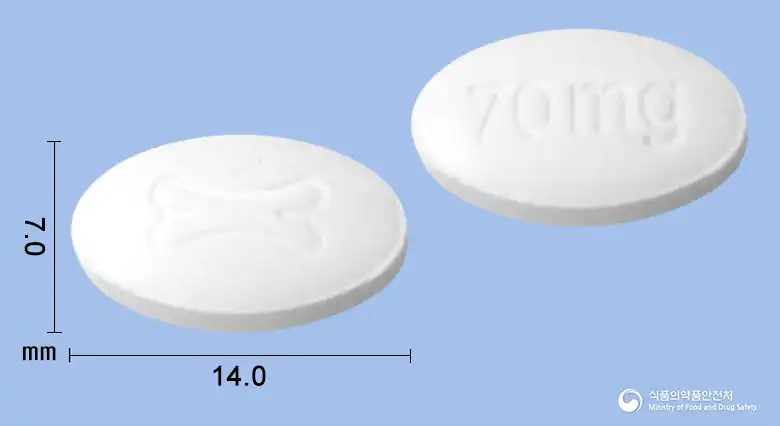
Sodium Alendronate Hydrate 91.37mg
Tablet · Prescription medication
Dongkwang Pharmaceutical Co., Ltd.
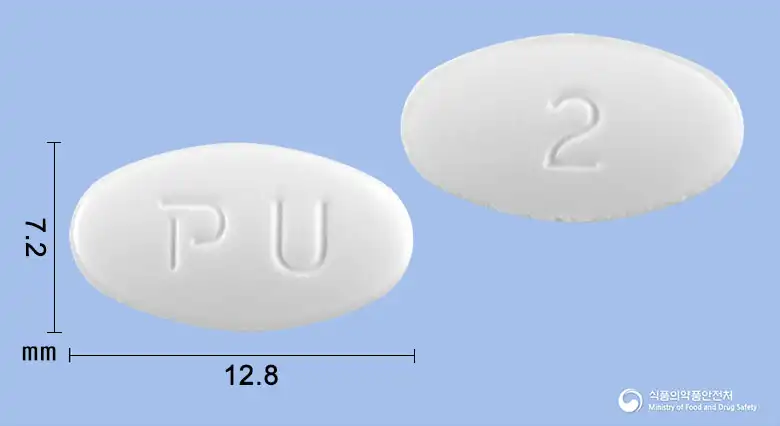
Sodium Alendronate Hydrate 91.37mg
Tablet · Prescription medication
Korea PMG Pharmaceutical Co., Ltd.
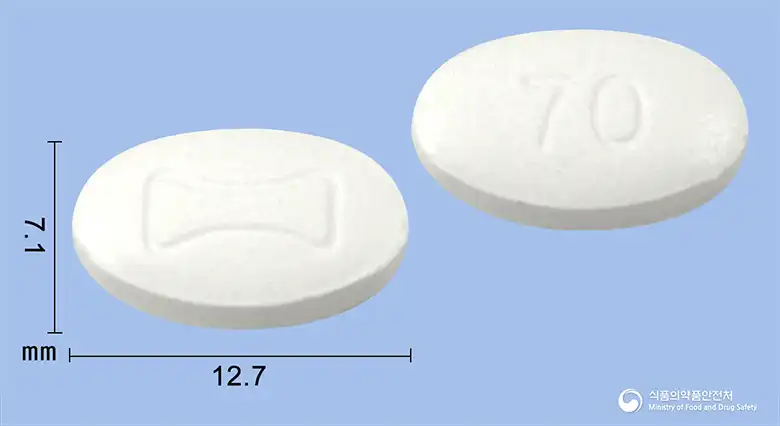
Sodium Alendronate Hydrate 91.37mg
Tablet · Prescription medication
Donggu Bio Pharmaceutical Co., Ltd.
Even with the same ingredient, the dose and directions can differ by strength and dosage form. Talk to a doctor or pharmacist before switching from a medication you are already taking.
No questions yet.
For anything that needs medical judgment, consult a doctor or pharmacist.
This drug information is based on data provided by the Korea Ministry of Food and Drug Safety.
Consult a doctor or pharmacist for accurate dosage, administration, and usage instructions.