
 한국어
 English
 日本語
 中文(简体)
Dosage form image
Viewing nowCombinationTrevis D Tablets
Tripotassium Bismuth Dicitrate 200mg · Ranitidine Hydrochloride 168mg +1 more
Tablet · Prescription medication · Combination
Dong Sung Pharmaceutical Co., Ltd.
MFDS item code 201904827 · Approved 2019.07.18
This product's status changed to Expired on 2024.07.18. It may no longer be sold, so consult a doctor or pharmacist before taking it.
Treatment of acid-related disorders (e.g., ulcers and gastritis) and prevention of Mendelson's syndrome
This medication is used to treat gastric and duodenal ulcers, gastritis, Zollinger-Ellison syndrome, and gastroesophageal reflux disease. It can also be administered to prevent Mendelson's syndrome prior to anesthesia and is helpful in healing ulcers after surgery. It is effective in treating gastric and duodenal ulcers caused by non-steroidal anti-inflammatory drugs (NSAIDs). It is used to improve various gastrointestinal disorders.
○ Adults Usually, take 1 tablet orally twice daily, in the morning and at bedtime, regardless of meals. 1) Gastric and duodenal ulcers Take 1 tablet twice daily or 2 tablets once daily at bedtime. In particular, a higher cure rate may be achieved in patients with duodenal ulcers by taking 2 tablets twice daily, in the morning and at bedtime. The same dosage applies to combination therapy for ulcers caused by nonsteroidal anti-inflammatory drugs (NSAIDs) or to prevent gastric and duodenal ulcers during long-term NSAID therapy. Diseases caused by NSAID administration usually heal within 4 weeks, and ulcers usually heal within 8 weeks; however, healing time may occasionally be prolonged in some patients. For patients with recurrent ulcers who responded well to short-term treatment with this medicine, administer 1 tablet once daily at bedtime as maintenance therapy. 2) Reflux esophagitis For 8 weeks, take 1 tablet twice daily or 2 tablets once daily at bedtime. In patients with severe reflux esophagitis, the dose may be increased to 2 tablets four times daily. 3) Zollinger-Ellison syndrome Start treatment with an initial dose of 1 tablet three times daily and increase the dose as needed. In severe disease, up to 6 g per day of ranitidine may be administered as directed by a physician. 4) Upper gastrointestinal bleeding due to peptic ulcers, acute stress ulcers, and acute gastric mucosal lesions When oral administration becomes possible, switch from injection to oral administration and take 1 tablet twice daily. 5) Premedication for anesthesia (prevention of Mendelson syndrome) Administer 1 tablet 2 hours before induction of anesthesia. It is also preferable to administer 1 tablet on the night before surgery.
This medication should not be used in patients with poor kidney function or those undergoing dialysis. Patients who have had allergic reactions to this medication or its ingredients should avoid taking it. Patients with the rare condition of acute porphyria should not take this medication. It is also safer not to administer it to pregnant women or those who may become pregnant, newborns, or premature infants. Patients on dietary restrictions limiting potassium intake should exercise caution. Patients with liver dysfunction, a history of hypersensitivity reactions, the elderly, and those with previous kidney issues should use this medication with caution. Extra care is needed when taking NSAIDs simultaneously, and regular monitoring of the condition is required. Since it may mask symptoms of gastric cancer, patients with gastric ulcers or new dyspeptic symptoms over middle age should confirm malignancy before treatment. Gastric and duodenal ulcer patients with Helicobacter pylori infection require bacterial eradication therapy. Severe patients, patients with hypophosphatemia, and those with swallowing difficulties should also use this medication with caution. While taking this medication, serious allergic reactions such as anaphylactic shock may occur rarely, so if symptoms arise, administration should be stopped immediately. Allergic reactions such as skin rash, urticaria, bronchospasm, and hypotension may occur, so administration should be ceased in such cases. Side effects that include blood abnormalities like leukopenia or thrombocytopenia, liver dysfunction, arrhythmia, gastrointestinal disturbances, dizziness, drowsiness, and mental confusion may occur, so consultation with a doctor is necessary if any abnormal symptoms arise. It should not be taken long-term, and the minimum effective dose should be used while closely monitoring the treatment progress. The elderly and patients with chronic diseases may have an increased risk of pneumonia, so caution is required. Care should be taken to avoid driving or operating dangerous machinery if there is dizziness or drowsiness. This medication may interact with other drugs, so inform your doctor or pharmacist of any medications you are currently taking. Special caution is needed when used in conjunction with certain anticoagulants or antibiotics. It is safest not to take this medication during pregnancy or while breastfeeding. The safety and efficacy in children have not been sufficiently established, so its use is not recommended. In case of overdose, treatments such as vomiting or gastric lavage may be necessary, so the prescribed dosage must be adhered to. Finally, this medication may reduce gastric acid secretion, which could promote bacterial overgrowth in the stomach, necessitating regular check-ups, including ophthalmic examinations, during long-term use.
Not everyone experiences these, and they can vary from person to person.
This medication should be stored in a tightly sealed container to protect it from air and moisture, and it is important to maintain storage temperatures between 1 degree and 30 degrees Celsius. Proper storage will help retain the medication's efficacy for a long time.
Green rectangular film-coated tablets
Bottle - 300 tablets/bottle, Bottle - 30 tablets/bottle
Even with the same ingredient, strength, dosage form and how it is taken can differ.
Tripotassium Bismuth Dicitrate 200mg · Ranitidine Hydrochloride 168mg +1 more
Tablet · Prescription medication · Combination
Dong Sung Pharmaceutical Co., Ltd.
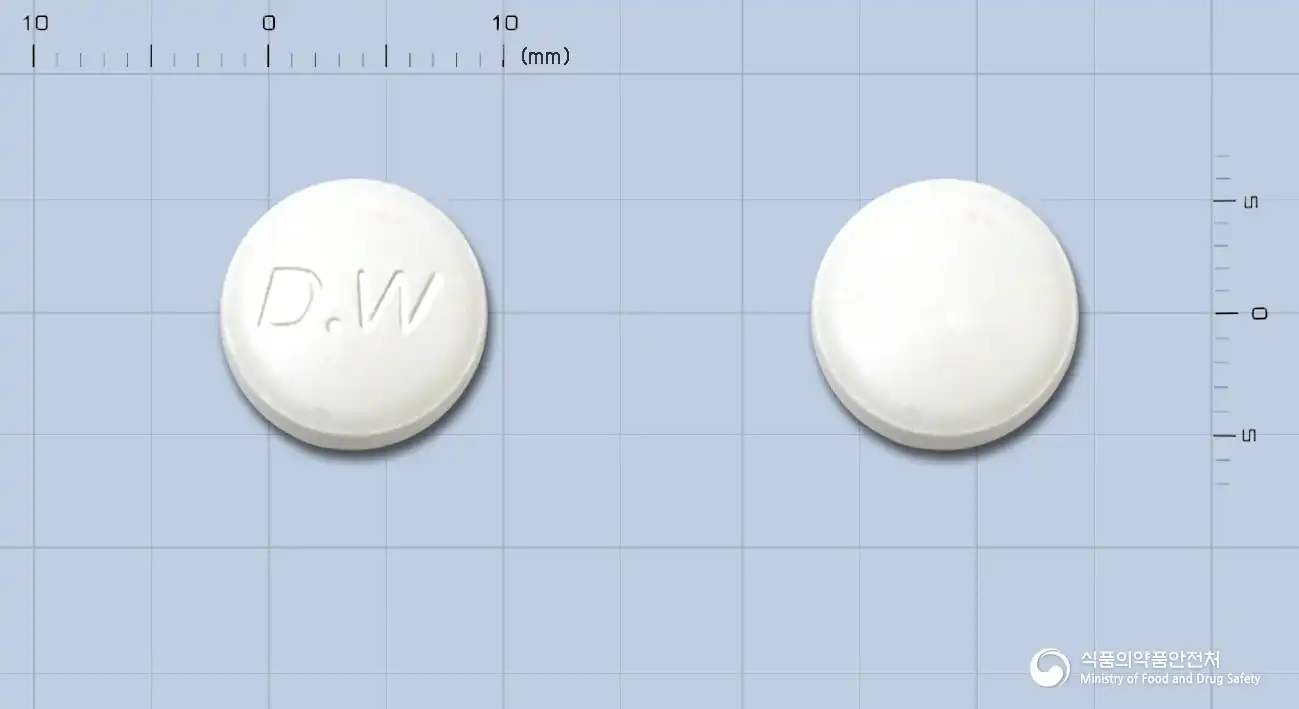 Combination
Ranitidine Hydrochloride 84mg · Tripotassium Bismuth Dicitrate 100mg +1 more
Tablet · Prescription medication · Combination
Daewoong Pharmaceutical Co., Ltd.
Ranitidine Hydrochloride 84mg · Tripotassium Bismuth Dicitrate 100mg +1 more
Tablet · Prescription medication · Combination
Nexpharm Korea Co., Ltd.
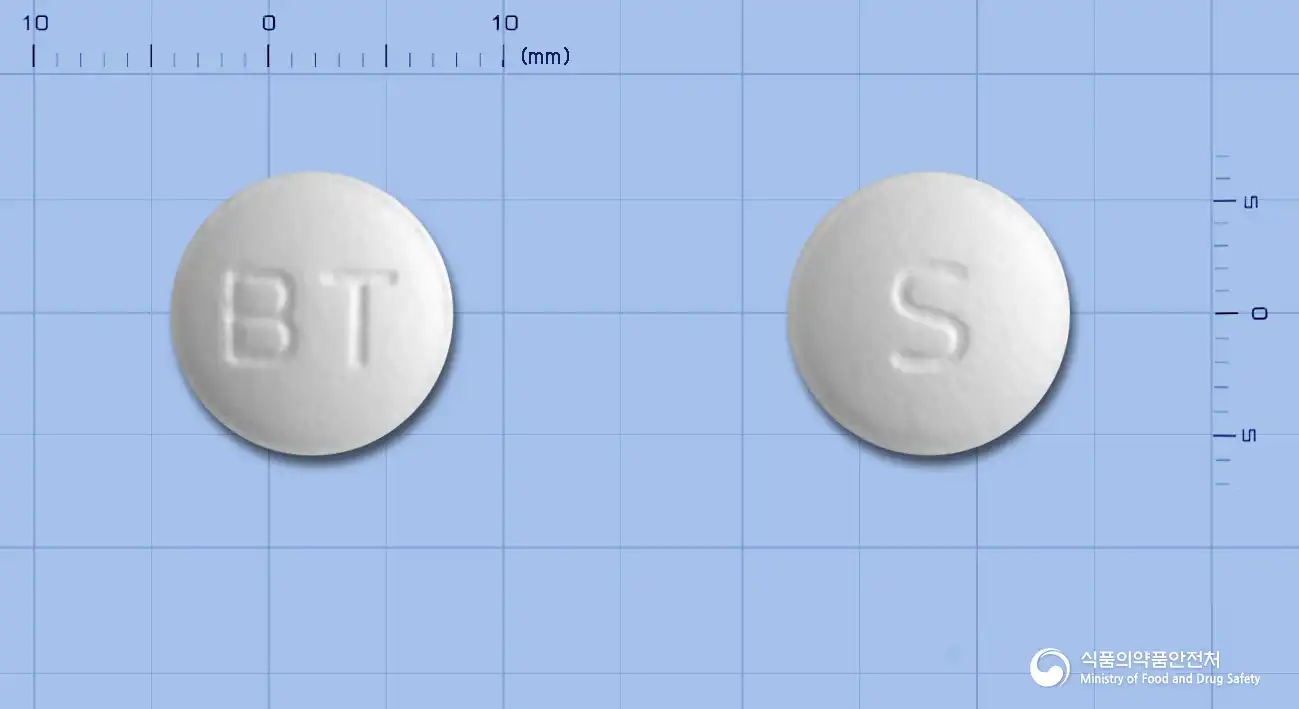 Combination
Ranitidine Hydrochloride 84mg · Tripotassium Bismuth Dicitrate 100mg +1 more
Tablet · Prescription medication · Combination
HUONS BioScience Co., Ltd.
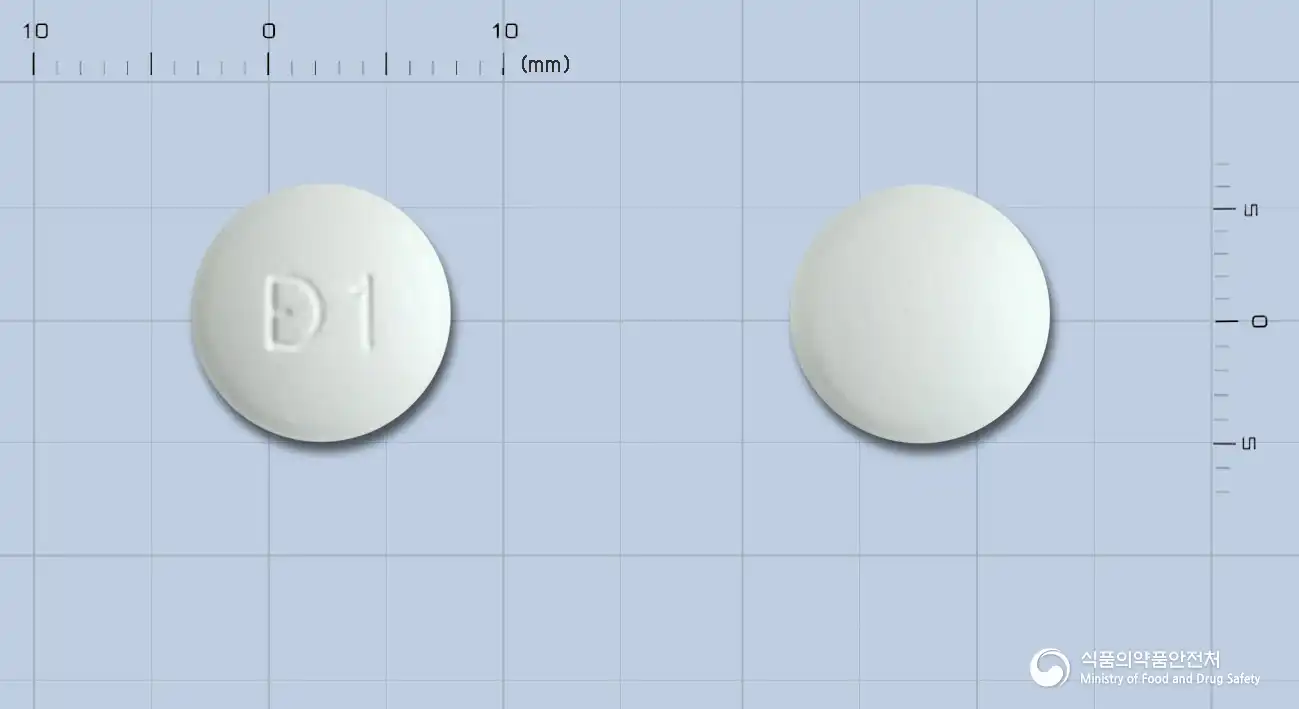 Combination
Ranitidine Hydrochloride 84mg · Tripotassium Bismuth Dicitrate 100mg +1 more
Tablet · Prescription medication · Combination
Daewoong Bio Co., Ltd.
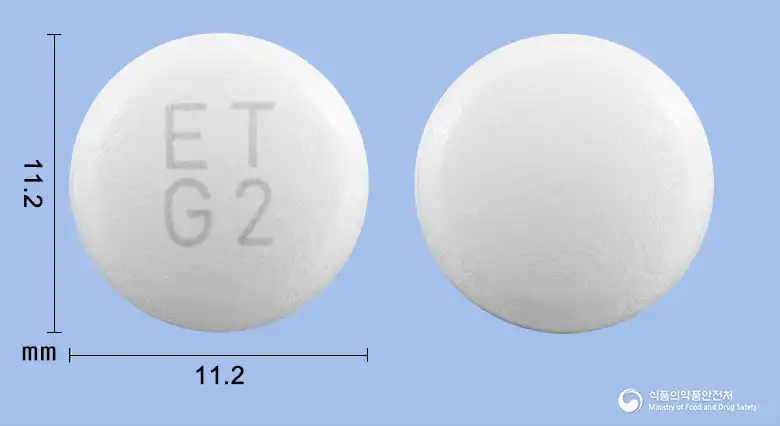 Combination
Ranitidine Hydrochloride 84mg · Tripotassium Bismuth Dicitrate 100mg +1 more
Tablet · Prescription medication · Combination
Teragen Etex Co., Ltd.
Ranitidine Hydrochloride 84mg · Sucralfate Hydrate 300mg +1 more
Tablet · Prescription medication · Combination
Korea Pavise Pharmaceutical Co., Ltd.
Ranitidine Hydrochloride 84mg · Sucralfate Hydrate 300mg +1 more
Tablet · Prescription medication · Combination
Kwangdong Pharmaceutical Co., Ltd.
Even with the same ingredient, the dose and directions can differ by strength and dosage form. Talk to a doctor or pharmacist before switching from a medication you are already taking.
No questions yet.
For anything that needs medical judgment, consult a doctor or pharmacist.
This drug information is based on data provided by the Korea Ministry of Food and Drug Safety.
Consult a doctor or pharmacist for accurate dosage, administration, and usage instructions.