
 한국어
한국어 English
 日本語
日本語 中文(简体)
 Viewing now
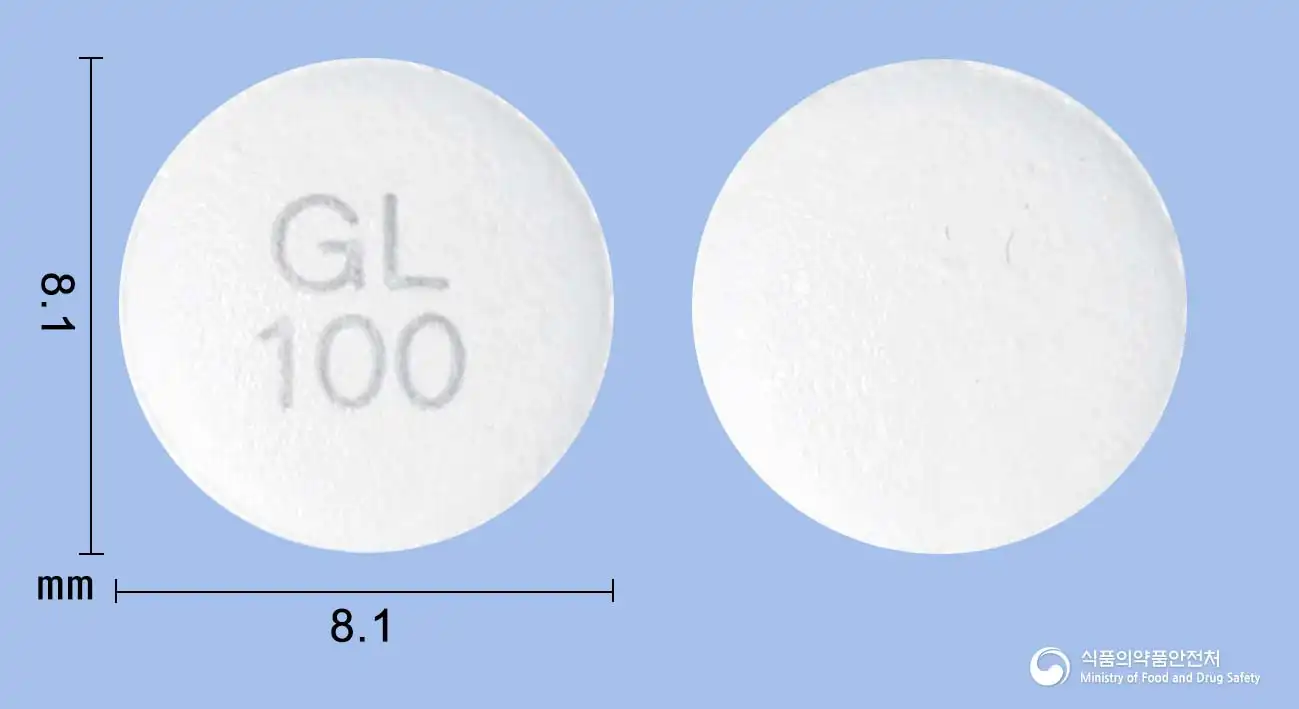
Levabidine Tablet (Levamisole)
Rebamipide 100mg
Tablet · Prescription medication
GL Pharma Co., Ltd.
MFDS item code 201904656 · Approved 2019.07.10 · Insurance code 649702290
Improvement of gastric ulcers and gastric mucosal lesions (erosion, bleeding, etc.)
This medication is used for the treatment of gastric ulcers and helps improve gastric mucosal erosion, bleeding, redness, and swelling that occur during acute exacerbations of acute gastritis and chronic gastritis.
For Rebamipide, 100 mg is taken orally three times a day. However, for gastric ulcers, it should be taken in the morning, evening, and before bedtime.
This drug should not be used in patients who have had allergic reactions to its components. Rarely, severe allergic reactions such as shock or anaphylaxis may occur during treatment with this drug, so if symptoms appear, administration should be immediately stopped, and medical assistance should be sought. Also, it may cause a decrease in white blood cells or platelets, so blood status should be closely monitored. Since liver function may be affected, if there are abnormal results in liver function tests, the medication should be discontinued and appropriate treatment should be sought. If there are hypersensitivity reactions such as rash, urticaria, or itching, it is advisable to stop taking the medication. Nervous system symptoms such as dizziness or drowsiness may occur, so caution is needed when driving or operating machinery. Gastrointestinal effects may include dry mouth, constipation, abdominal discomfort, diarrhea, nausea, heartburn, and abdominal pain. If liver enzyme levels are abnormally elevated or if fever and rash accompany it, medication should be stopped immediately. Regular blood tests are required as white blood cell or platelet levels may change. Other symptoms may include breast pain, gynecomastia, palpitations, fever, flushing, tongue paralysis, cough, shortness of breath, hair loss, menstrual irregularities, and edema. Women who are pregnant or may become pregnant should carefully consider the benefits and risks of taking this medication, and if breastfeeding, it is advisable to avoid breastfeeding as the drug may pass into breast milk. The safety in children and newborns has not been adequately confirmed, so caution is needed for use. Elderly patients may have decreased bodily functions, so it is particularly important to be alert to adverse reactions such as gastrointestinal symptoms. This drug should be kept out of the reach of children, and transferring it to another container is not recommended due to the risk of accidents and to maintain quality.
Not everyone experiences these, and they can vary from person to person.
This medication is sensitive to light and should be stored in an opaque container that does not allow light to enter. Additionally, to maintain the drug's effectiveness, it is important to store it at room temperature between 1 and 30 degrees Celsius.
White round film-coated tablet
30 tablets/bottle, 300 tablets/bottle
Even with the same ingredient, strength, dosage form and how it is taken can differ.
Viewing nowRebamipide 100mg
Tablet · Prescription medication
GL Pharma Co., Ltd.
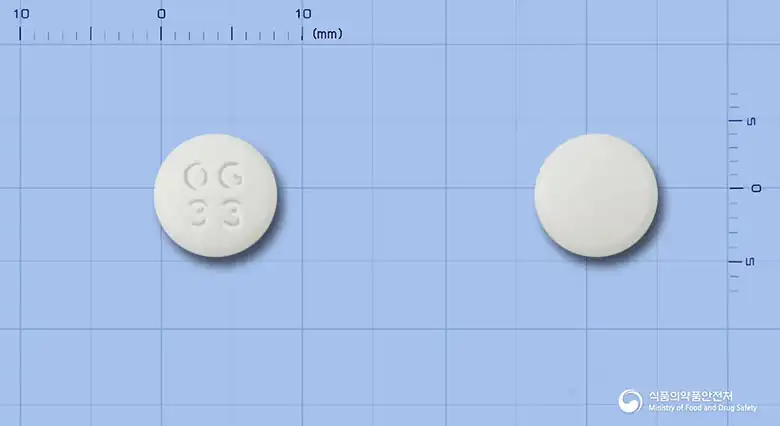
Rebamipide 100mg
Tablet · Prescription medication
Korea Otsuka Pharmaceutical Co., Ltd.
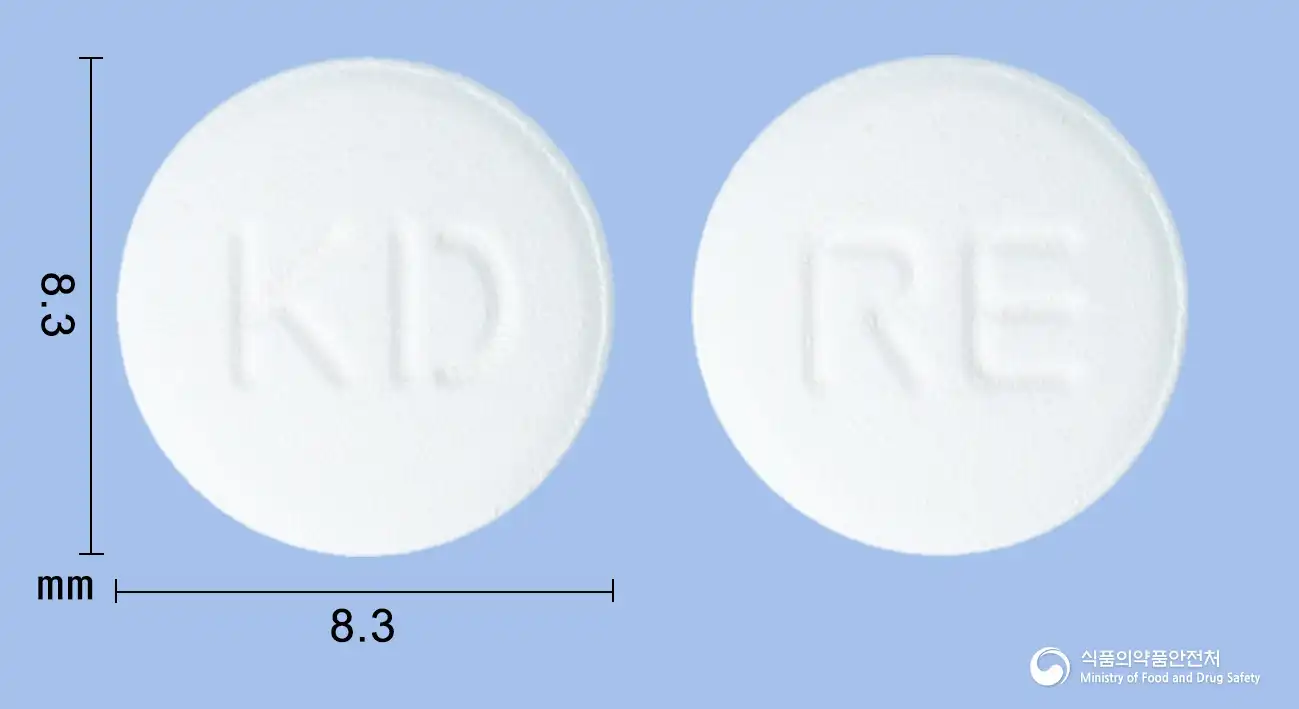
Rebamipide 100mg
Tablet · Prescription medication
Kyungdong Pharmaceutical Co., Ltd.
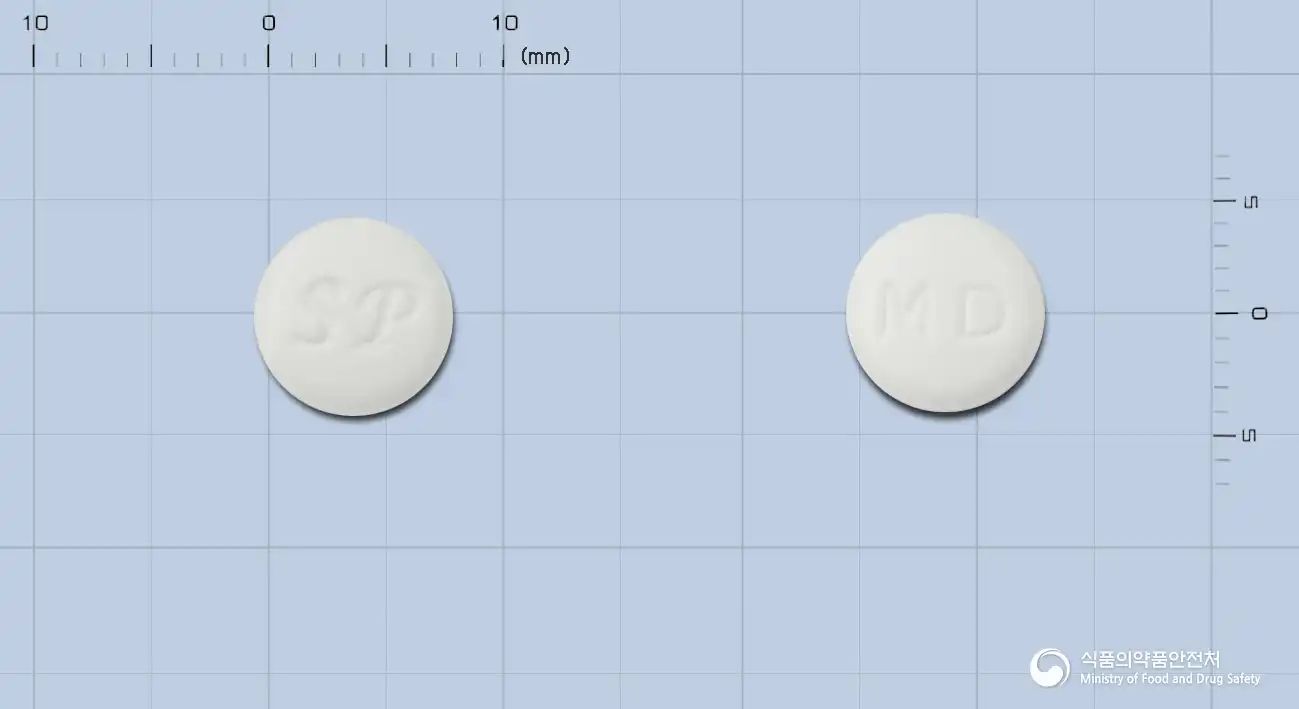
Rebamipide 100mg
Tablet · Prescription medication
Sinphong Pharmaceutical Co., Ltd.
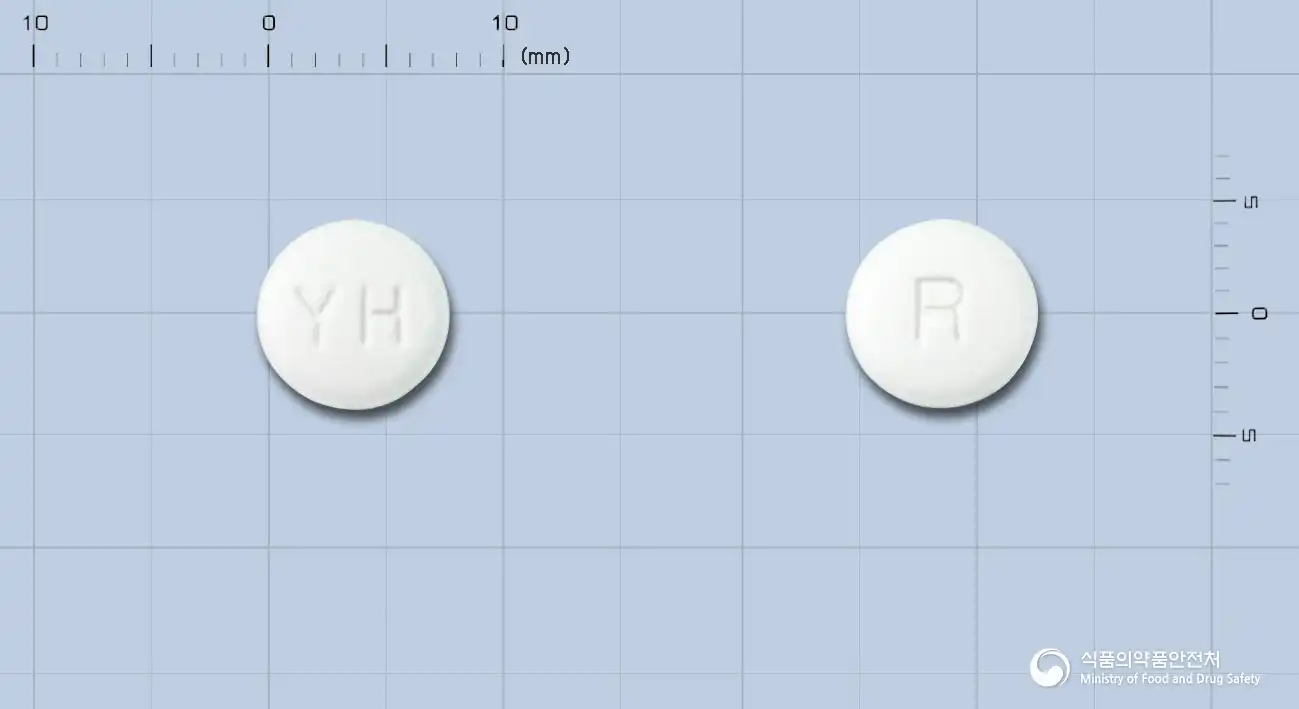
Rebamipide 100mg
Tablet · Prescription medication
Yuhan Corporation
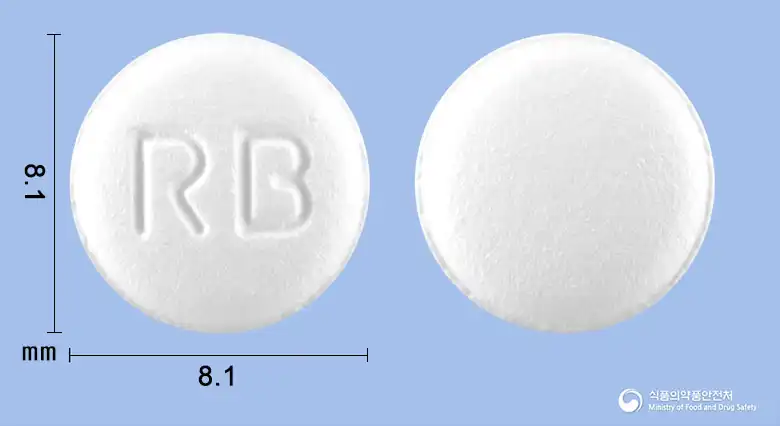
Rebamipide 100mg
Tablet · Prescription medication
Jongkundang Corporation
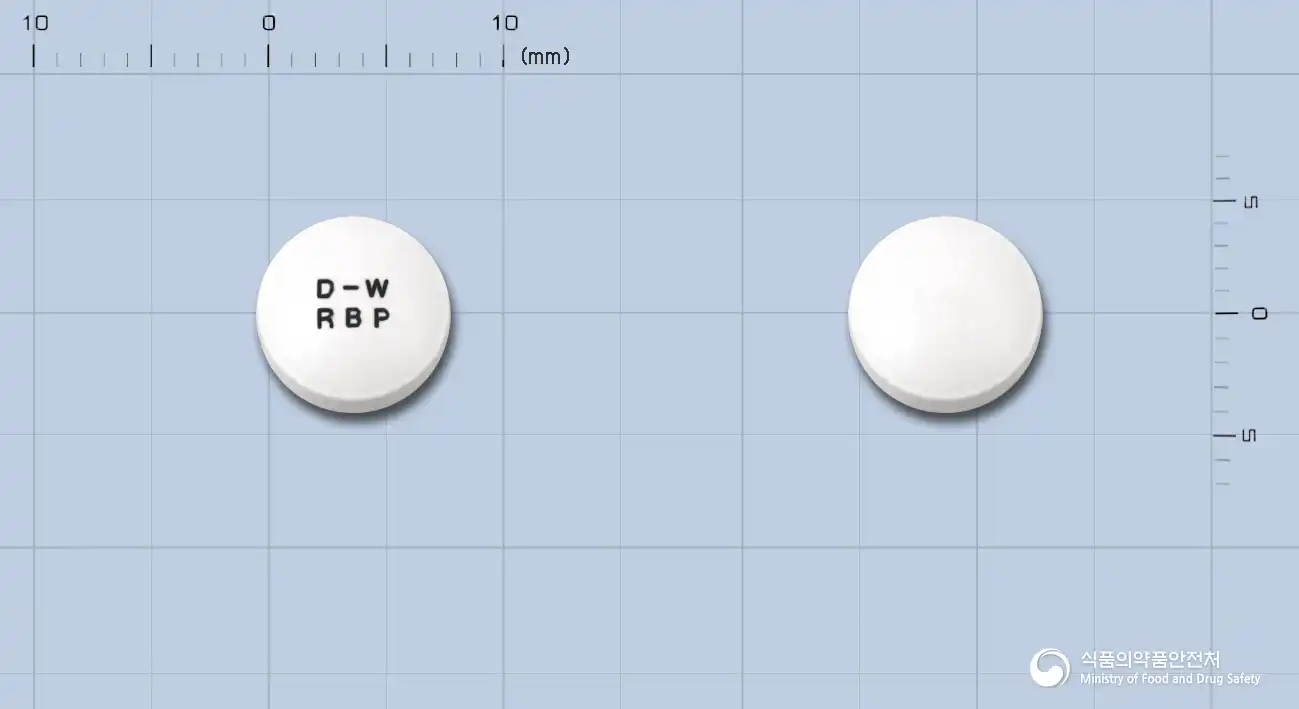
Rebamipide 100mg
Tablet · Prescription medication
Donghwa Pharmaceutical Co., Ltd.
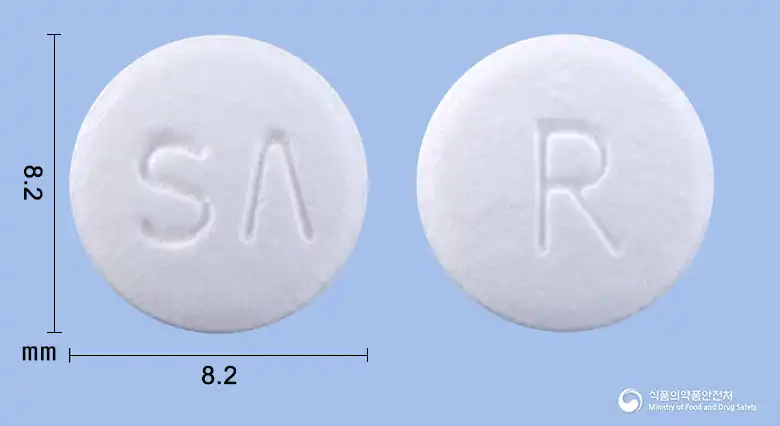
Rebamipide 100mg
Tablet · Prescription medication
Sama Pharmaceutical Co., Ltd.
Even with the same ingredient, the dose and directions can differ by strength and dosage form. Talk to a doctor or pharmacist before switching from a medication you are already taking.
No questions yet.
For anything that needs medical judgment, consult a doctor or pharmacist.
This drug information is based on data provided by the Korea Ministry of Food and Drug Safety.
Consult a doctor or pharmacist for accurate dosage, administration, and usage instructions.