
 한국어
 English
 日本語
 中文(简体)
Dosage form image
Viewing nowCombinationSearotan Duo Tablets 80/12.5 mg
Valsartan 80mg · Hydrochlorothiazide 12.5mg
Tablet · Prescription medication · Combination
Alpha Pharmaceutical Co., Ltd.
MFDS item code 201904199 · Approved 2019.06.17
This product's status changed to Expired on 2024.06.17. It may no longer be sold, so consult a doctor or pharmacist before taking it.
Treatment of essential hypertension not controlled with monotherapy
This medication is used in patients with essential hypertension whose blood pressure is not adequately controlled by a single therapy. It helps effectively manage blood pressure and reduce the risk of cardiovascular complications.
○ Adults The recommended dose is 1 tablet of valsartan 80 mg/hydrochlorothiazide 12.5 mg once daily. It may be taken regardless of meals, with a small amount of water. Valsartan 160 mg/hydrochlorothiazide 12.5 mg is for patients prescribed valsartan 160 mg/hydrochlorothiazide 12.5 mg to reduce blood pressure. The maximum blood pressure-lowering effect is achieved after 2 ~ 4 weeks. ○ Patients with renal impairment No dose adjustment is necessary for patients with mild ~ moderate renal impairment (creatinine clearance of 30 mL/min or higher). ○ Patients with hepatic impairment In patients with mild ~ moderate hepatic impairment without cholestasis, do not use more than 80 mg of valsartan per day.
This drug can cause serious harm to the fetus if taken during pregnancy, especially during the second and third trimesters; therefore, it should be discontinued immediately upon confirmation of pregnancy. Patients who are allergic to this drug or its ingredients, or sulfonamide drugs, as well as those with severe liver or kidney dysfunction, and a history of certain types of angioedema should not use this medication. Patients with electrolyte imbalances or problems with kidney and liver function, elderly patients, and those with heart failure require careful attention when using this drug, and routine monitoring is required. This medication lowers blood pressure, which may cause dizziness or hypotension when first taken, so if any symptoms occur, the healthcare provider should be notified immediately. During treatment, potassium supplements or potassium-containing medications should not be taken without consulting a physician, and it is important to regularly check electrolyte levels. This medication may interact with other drugs, particularly with lithium preparations, non-steroidal anti-inflammatory drugs (NSAIDs), and other antihypertensive medications, so caution is necessary when used in combination. The hydrochlorothiazide component may cause sensitivity to sunlight; therefore, it is advisable to minimize UV exposure and take care of skin protection during treatment. This drug may cause dizziness or drowsiness; hence caution should be exercised when driving or operating machinery. Pregnant women or breastfeeding mothers are advised not to use this drug, and safety in children has not been established. Overdose can lead to serious symptoms such as hypotension, electrolyte imbalances, and kidney failure; therefore, it is crucial to adhere strictly to the prescribed dosage, and if unusual symptoms occur, the individual should visit a medical institution immediately. This drug should be kept out of reach of children and stored in its original container, protected from moisture.
Not everyone experiences these, and they can vary from person to person.
This drug is sensitive to air and moisture, so it should be stored in a tightly sealed container. Additionally, keeping it in a cool place at a temperature below 30 degrees Celsius helps maintain its efficacy.
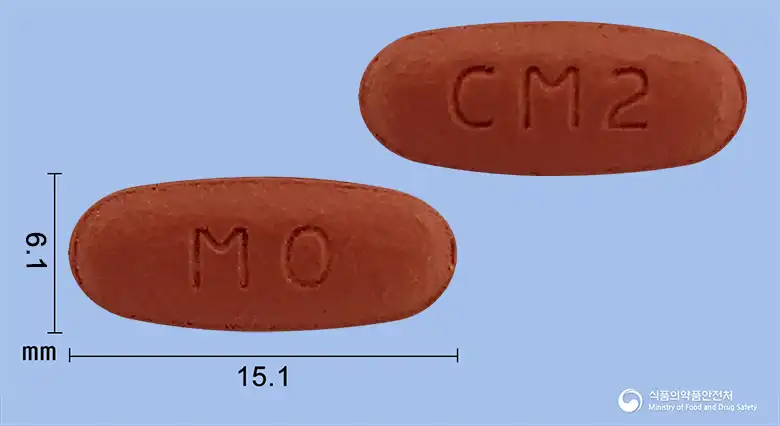
Pink oval film-coated tablets
30 tablets - 30 tablets/bottle, 100 tablets - 100 tablets/bottle
Even with the same ingredient, strength, dosage form and how it is taken can differ.
Valsartan 80mg · Hydrochlorothiazide 12.5mg
Tablet · Prescription medication · Combination
Alpha Pharmaceutical Co., Ltd.
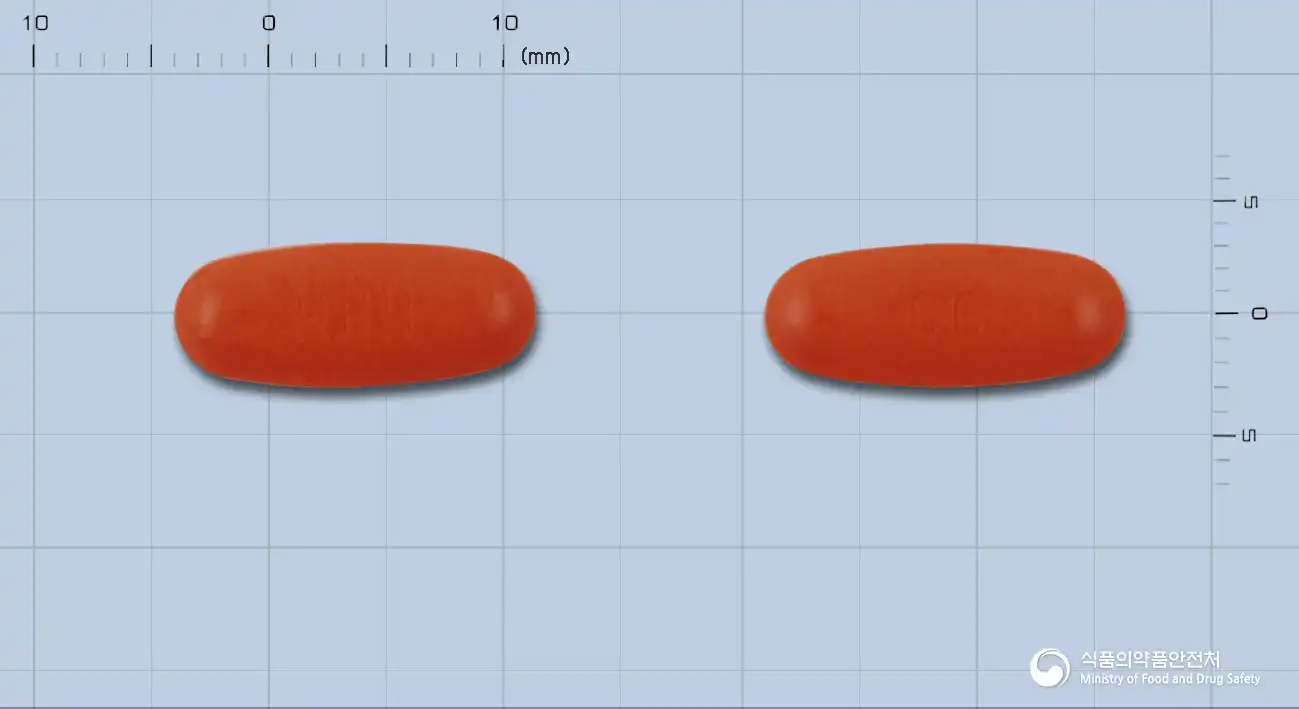 Combination
Valsartan 160mg · Hydrochlorothiazide 12.5mg
Tablet · Prescription medication · Combination
Novartis Korea Co., Ltd.
Valsartan · Hydrochlorothiazide
Prescription medication · Combination
Sandoz Korea Co., Ltd.
Valsartan · Hydrochlorothiazide
Prescription medication · Combination
Sandoz Korea Co., Ltd.
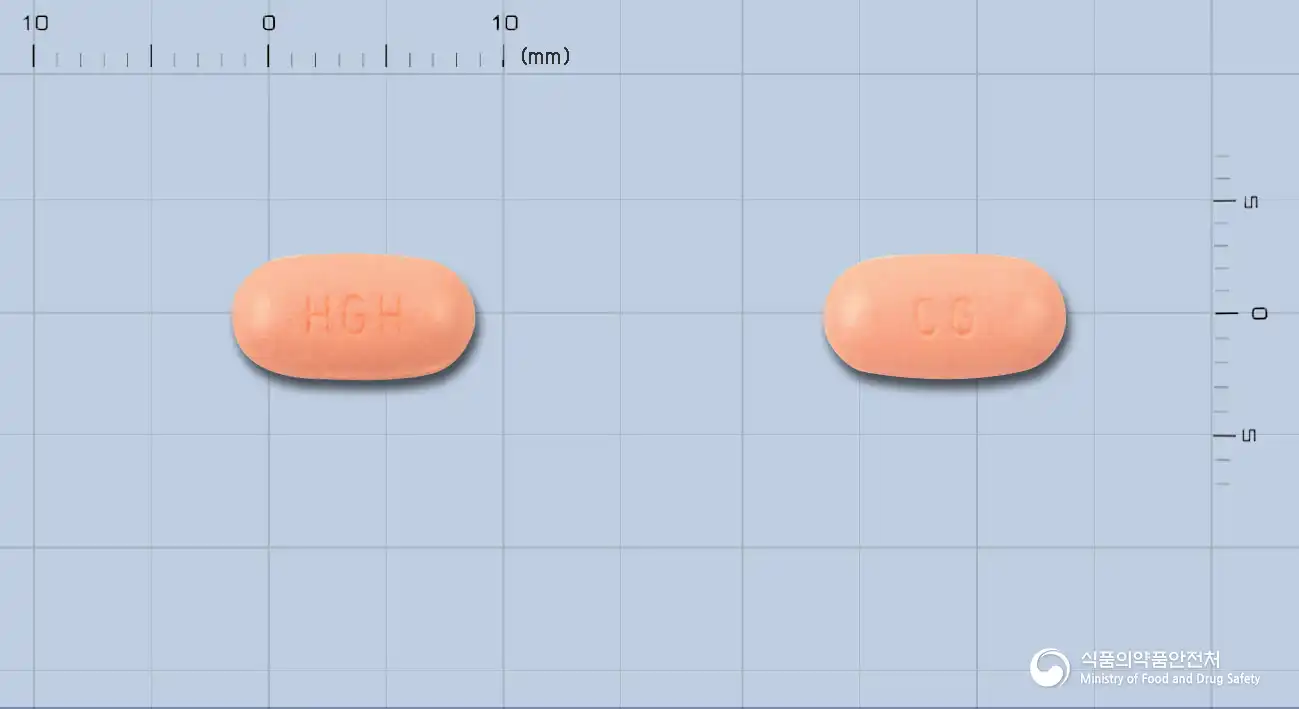 Combination
Valsartan 80mg · Hydrochlorothiazide 12.5mg
Tablet · Prescription medication · Combination
Novartis Korea Co., Ltd.
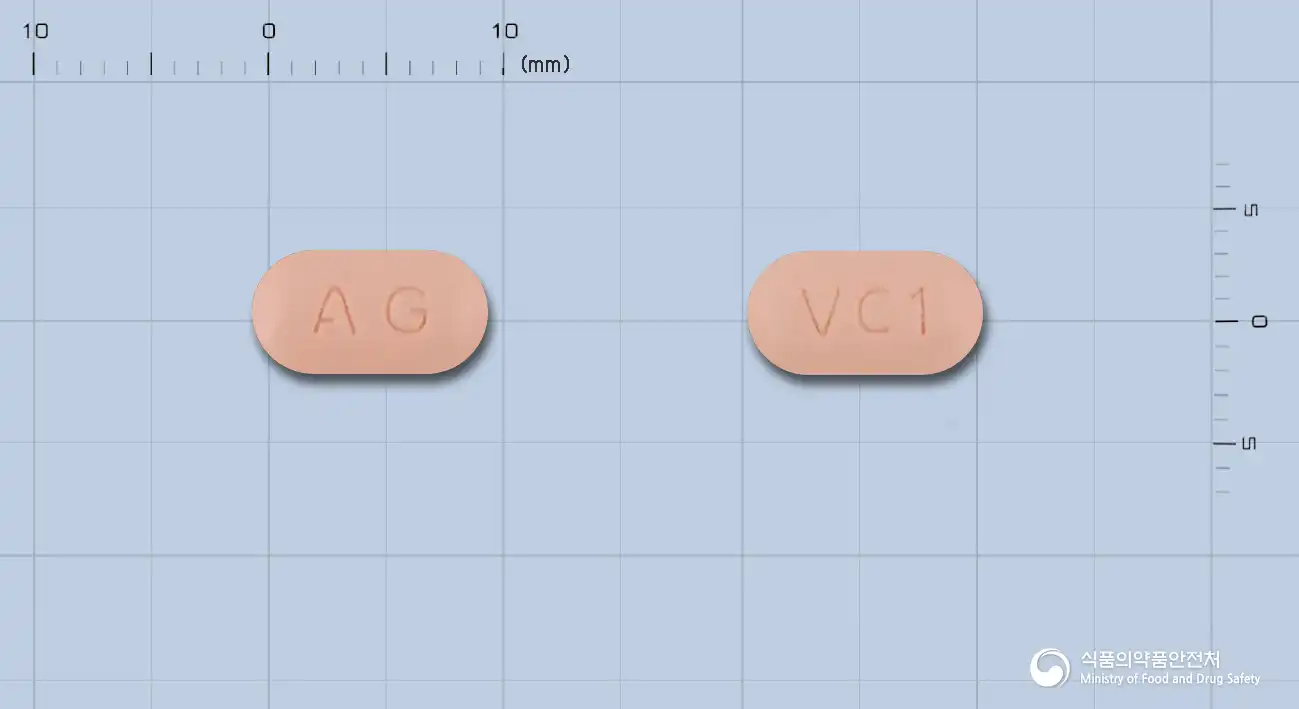 Combination
Valsartan 80mg · Hydrochlorothiazide 12.5mg
Tablet · Prescription medication · Combination
Anguk Pharmaceutical Co., Ltd.
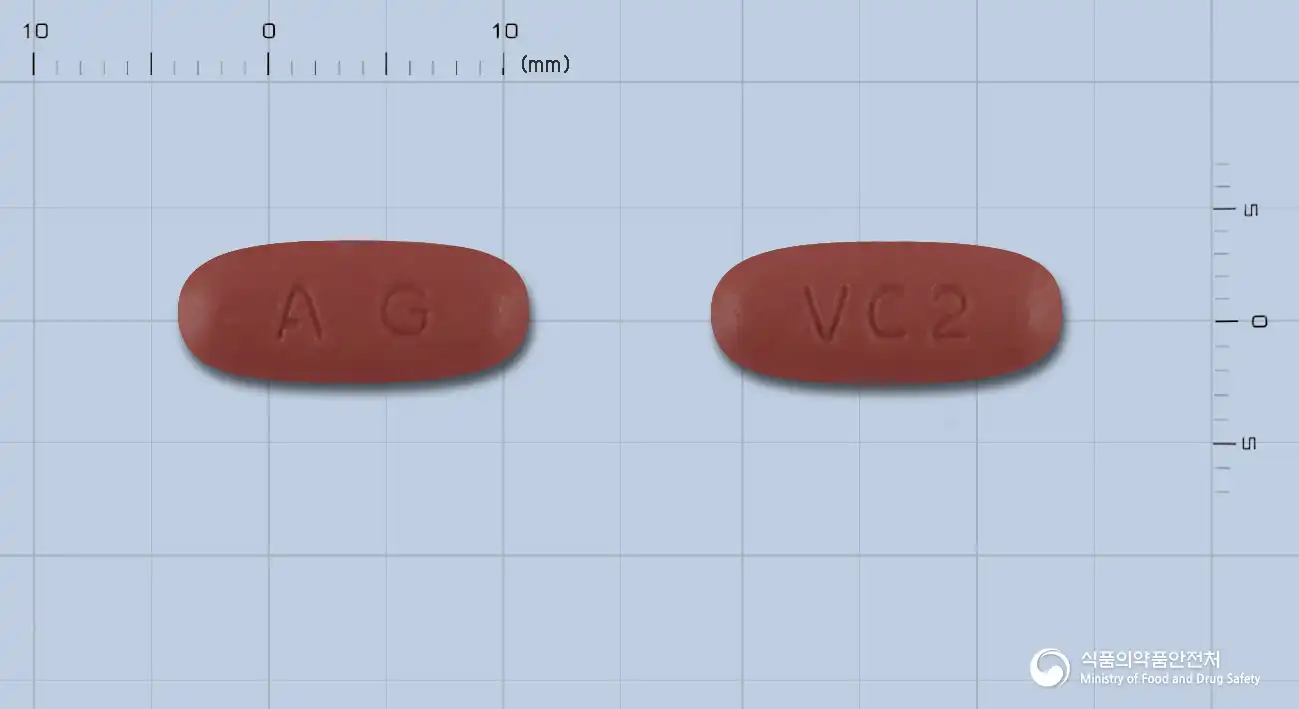 Combination
Valsartan 160mg · Hydrochlorothiazide 12.5mg
Tablet · Prescription medication · Combination
Anguk Pharmaceutical Co., Ltd.
 Combination
Valsartan 160mg · Hydrochlorothiazide 12.5mg
Tablet · Prescription medication · Combination
Albozen Korea Co., Ltd.
Even with the same ingredient, the dose and directions can differ by strength and dosage form. Talk to a doctor or pharmacist before switching from a medication you are already taking.
No questions yet.
For anything that needs medical judgment, consult a doctor or pharmacist.
This drug information is based on data provided by the Korea Ministry of Food and Drug Safety.
Consult a doctor or pharmacist for accurate dosage, administration, and usage instructions.