
 한국어
 English
 日本語
 中文(简体)
Dosage form image
Viewing nowCombinationRM Sustained Release Tablets 750/5 mg
Metformin Hydrochloride 750mg · Rosuvastatin Calcium 5.2mg
Tablet · Prescription medication · Combination
Donggwang Pharmaceutical Co., Ltd.
MFDS item code 201903715 · Approved 2019.06.04
This product's status changed to Approval revoked on 2026.02.19. It may no longer be sold, so consult a doctor or pharmacist before taking it.
Replacement combination therapy in patients receiving metformin and rosuvastatin concomitantly
This medication is prescribed as a combination replacement therapy for patients who need to use both Metformin Hydrochloride and Rosuvastatin Calcium simultaneously. This treatment helps maximize therapeutic efficacy by allowing these patients to take both drugs together. Therefore, this medication is used to improve patient treatment when both medications need to be combined.
This medicine is administered to adults only, once daily with the evening meal. For convenience, patients taking metformin hydrochloride and rosuvastatin calcium concomitantly may be switched to this medicine (a combination product containing the same amounts of each active ingredient). The safety and efficacy of this medicine have been established at a metformin hydrochloride dose of 1500 mg.
This medication can rarely cause a serious condition called lactic acidosis, which can become life-threatening, so caution is needed. When used with other diabetes medications, severe hypoglycemia may occur, and it should be used carefully. This medication should not be used if there is an allergy to any of its components or similar drugs. Patients with severely impaired liver function or active liver disease should not take this medication. It should also be avoided in patients with muscle disorders or those taking specific immunosuppressants. Pregnant or breastfeeding women, or those who are likely to become pregnant should not use this medication and must implement appropriate contraception. The use of this medication is prohibited in situations where there is severe renal impairment or risk of acute kidney failure. Patients with acute heart failure or serious cardiovascular issues should also avoid this medication. Prior to and after examinations using iodinated contrast agents, the use of this medication should be temporarily suspended to prevent renal function deterioration. This medication is not administered to patients with type 1 diabetes or severe metabolic acidosis. It should be temporarily discontinued when physical conditions are unstable, such as during severe infections, major trauma, or perioperative periods. Caution is also needed in cases of very poor nutritional status or specific hormonal dysfunctions. This medication contains lactose, so patients with problems digesting lactose should not take it. Care should be taken in patients with irregular eating habits or those engaging in strenuous exercise, as well as in cases where there are interactions with other medications. Patients with a history of liver disease or those who excessively consume alcohol should have regular liver function tests while using this medication. If muscle pain or weakness occurs, immediately inform healthcare personnel and discontinue use if necessary. This medication may affect renal function, so regular kidney function tests should be conducted, and use should be stopped if renal function declines. Alcohol can increase the risk of side effects of this medication, so it is advisable to avoid drinking while taking it. It should not be used during pregnancy as it may harm the fetus, and it is also not recommended during breastfeeding. Safety and efficacy have not been established in pediatric and adolescent populations, so it is not used in these groups. Elderly patients may have decreased renal function, so dosing should be adjusted and renal function monitored frequently. In cases of overdose, blood dialysis may be helpful, and appropriate treatment should be received under medical guidance. During the use of this medication, dizziness may occur, so caution is advised while driving or operating machinery. Medications should be stored out of reach of children and kept in the original container for safety.
Severe lactic acidosis, severe hypoglycemia, diarrhea, abdominal pain, constipation, abdominal cramps, belching, gastroesophageal reflux disease, upper abdominal discomfort, indigestion, cellulitis, sensory disturbances, arthralgia, papular rash, elevated creatine phosphokinase, elevated liver enzymes, seasonal allergies, shingles, taste impairment, nausea, vomiting, abdominal pain, loss of appetite, erythema, pruritus, urticaria, hypersensitivity reactions including angioedema, diabetes, headache, dizziness, constipation, nausea, pancreatitis, pruritus, rash, urticaria, myalgia, myopathy, rhabdomyolysis, weakness, polyneuropathy, amnesia, peripheral neuropathy, cough, dyspnea, thrombocytopenia, jaundice, hepatitis, increased transaminases, Stevens-Johnson syndrome, drug reaction with eosinophilia and systemic symptoms (DRESS), lupus-like syndrome, muscle rupture, arthralgia, immune-mediated necrotizing myopathy, hematuria, edema, depression, sleep disturbances, interstitial lung disease, sexual dysfunction, gynecomastia, fatal and non-fatal liver failure, cognitive impairment, severe muscle weakness, ocular myasthenia, elevated ALT, elevated CK, weakness, arthralgia, fatigue, numbness, chest discomfort, syncope, generalized pain, muscle cramps, gout, erectile dysfunction, acute renal failure, oliguria, elevated serum creatinine
Not everyone experiences these, and they can vary from person to person.
This medication should be stored in a tightly sealed container to prevent air or moisture from entering. It should be kept at room temperature, which is not too hot or too cold, preferably between 1 to 30 degrees Celsius.
Yellow oval-shaped film-coated tablet
30 tablets (10 tablets/PTPX3)
Even with the same ingredient, strength, dosage form and how it is taken can differ.
Metformin Hydrochloride 750mg · Rosuvastatin Calcium 5.2mg
Tablet · Prescription medication · Combination
Donggwang Pharmaceutical Co., Ltd.
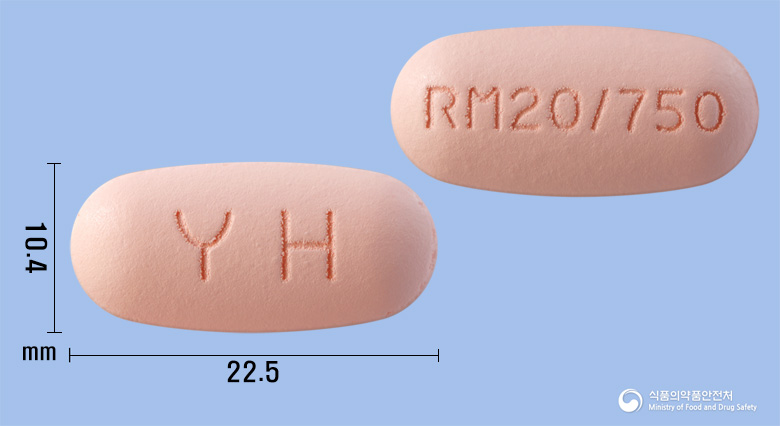 Combination
Metformin Hydrochloride 750mg · Rosuvastatin Calcium 20.8mg
Tablet · Prescription medication · Combination
Yuhan Corporation
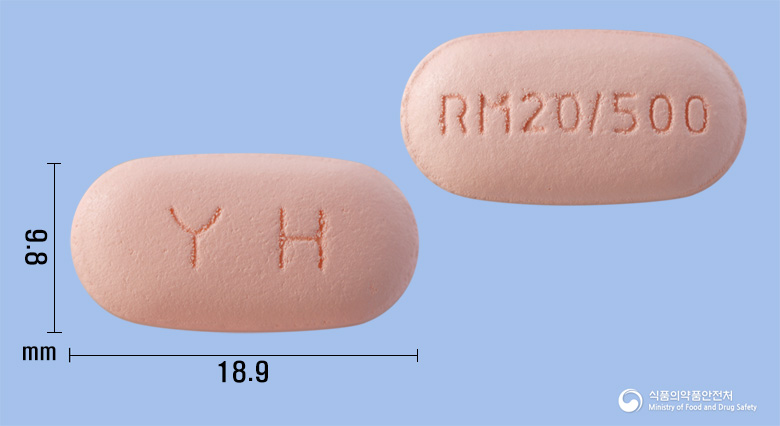 Combination
Metformin Hydrochloride 500mg · Rosuvastatin Calcium 20.8mg
Tablet · Prescription medication · Combination
Yuhan Corporation
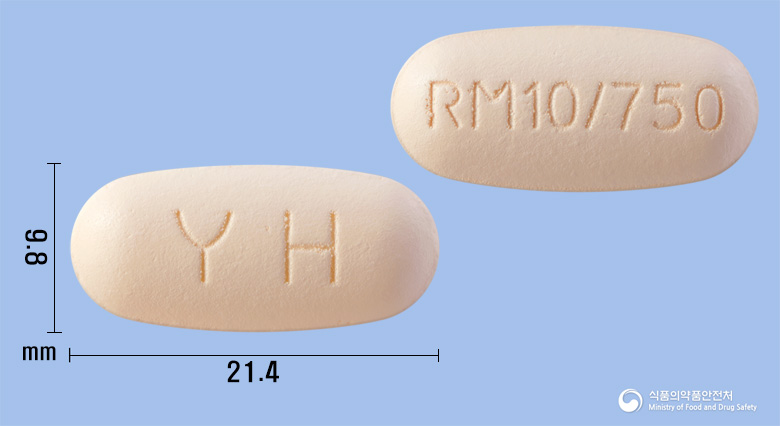 Combination
Metformin Hydrochloride 750mg · Rosuvastatin Calcium 10.4mg
Tablet · Prescription medication · Combination
Yuhan Corporation
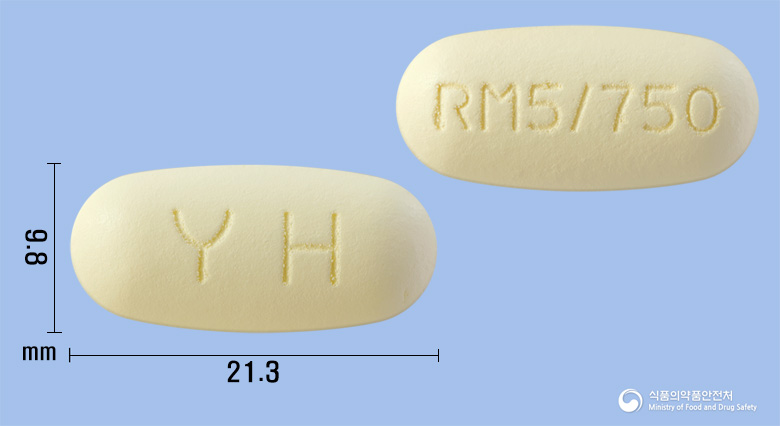 Combination
Metformin Hydrochloride 750mg · Rosuvastatin Calcium 5.2mg
Tablet · Prescription medication · Combination
Yuhan Corporation
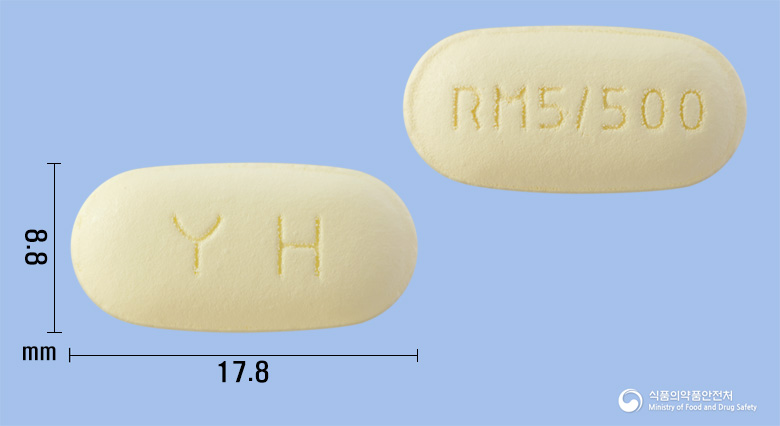 Combination
Metformin Hydrochloride 500mg · Rosuvastatin Calcium 5.2mg
Tablet · Prescription medication · Combination
Yuhan Corporation
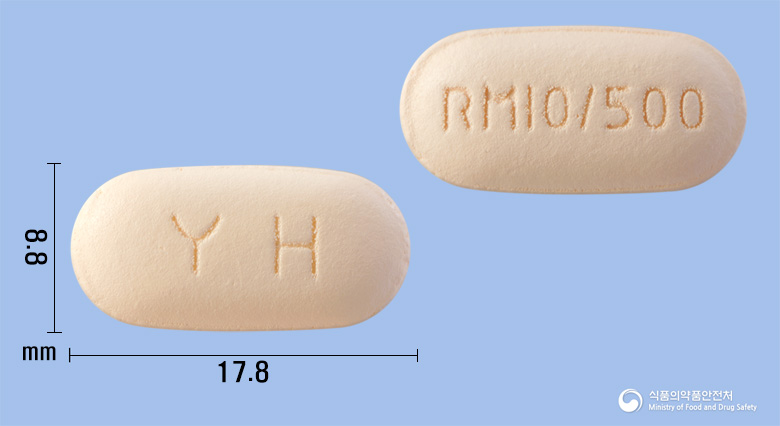 Combination
Metformin Hydrochloride 500mg · Rosuvastatin Calcium 10.4mg
Tablet · Prescription medication · Combination
Yuhansangyo Co., Ltd.
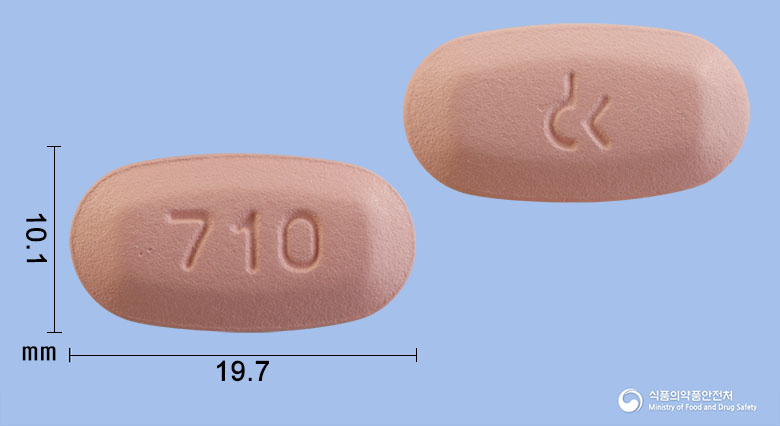 Combination
Metformin Hydrochloride 750mg · Rosuvastatin Calcium 10.4mg
Tablet · Prescription medication · Combination
Dongkuk Pharmaceutical Co., Ltd.
Even with the same ingredient, the dose and directions can differ by strength and dosage form. Talk to a doctor or pharmacist before switching from a medication you are already taking.
No questions yet.
For anything that needs medical judgment, consult a doctor or pharmacist.
This drug information is based on data provided by the Korea Ministry of Food and Drug Safety.
Consult a doctor or pharmacist for accurate dosage, administration, and usage instructions.