
 한국어
 English
 日本語
 中文(简体)
 Viewing now
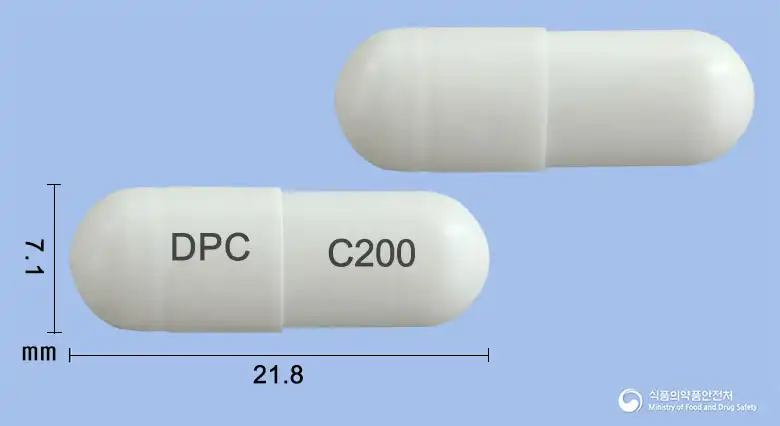
Citalopram Extended-Release Capsules 200mg (Cilostazol)
Cilostazol 200mg
Hard capsule · Prescription medication
Dongkwang Pharmaceutical Co., Ltd.
MFDS item code 201903647 · Approved 2019.05.31 · Insurance code 645906560
Prevention of recurrent cerebral infarction; improvement of symptoms of chronic arterial occlusive disease (e.g., pain and coldness)
This medication is used to improve ischemic symptoms such as ulcers, pain, coldness, etc., caused by chronic arterial occlusion. It also plays a role in preventing recurrence after a cerebral infarction. This drug helps relieve related symptoms by improving blood circulation.
The usual adult dose is 200mg of cilostazol orally once daily. Take this medicine on an empty stomach, avoiding meals. (See “5. General Precautions, item 6)” under Precautions for Use.)
This medication may increase heart rate and pose a risk of angina symptoms, so careful monitoring of symptoms like chest pain is necessary. It should not be administered to patients at risk of bleeding or those who have recently had a bleeding disorder. Patients with congestive heart failure or a history of allergic reactions to this drug, pregnant or nursing women should also avoid it. Caution is necessary for patients taking anticoagulants or antiplatelet agents due to higher bleeding risks. Women menstruating, patients with heart diseases, and those with severely impaired kidney or liver function should also be monitored closely. Diabetic patients are at greater risk of bleeding side effects and should be careful. Patients with high blood pressure or arrhythmias require special attention when using this medication. Various side effects such as headache, diarrhea, palpitations, joint pain may occur, and if abnormal symptoms arise, immediate consultation with a healthcare professional is advised. During the medication, symptoms of bleeding or blood disorders may appear, and reporting symptoms quickly is essential. Dizziness may occur, so caution should be taken when driving or operating machinery, and it is advisable to space out meals and medication intake. Patients with reduced liver or kidney function may need dosage adjustments due to increased drug concentration. Pregnant or nursing women should avoid use as it may affect the fetus or infant. Elderly patients may have different drug responses due to weakened bodily functions, thus dosage adjustments are necessary. Overdose can result in severe headache, diarrhea, hypotension, arrhythmias, and immediate medical care is required. This medication may interact with other drugs, so inform the healthcare professional of any other medications being taken.
Not everyone experiences these, and they can vary from person to person.
Keep this medication in a tightly sealed container to protect it from air and moisture. It is also advisable to store it at normal indoor temperatures between 1 to 30 degrees Celsius, avoiding extremes.
A hard capsule with a white or light yellow granule filling, with a white upper and lower shell.
30 capsules/bottle, 200 capsules/bottle
Even with the same ingredient, strength, dosage form and how it is taken can differ.
Viewing nowCilostazol 200mg
Hard capsule · Prescription medication
Dongkwang Pharmaceutical Co., Ltd.
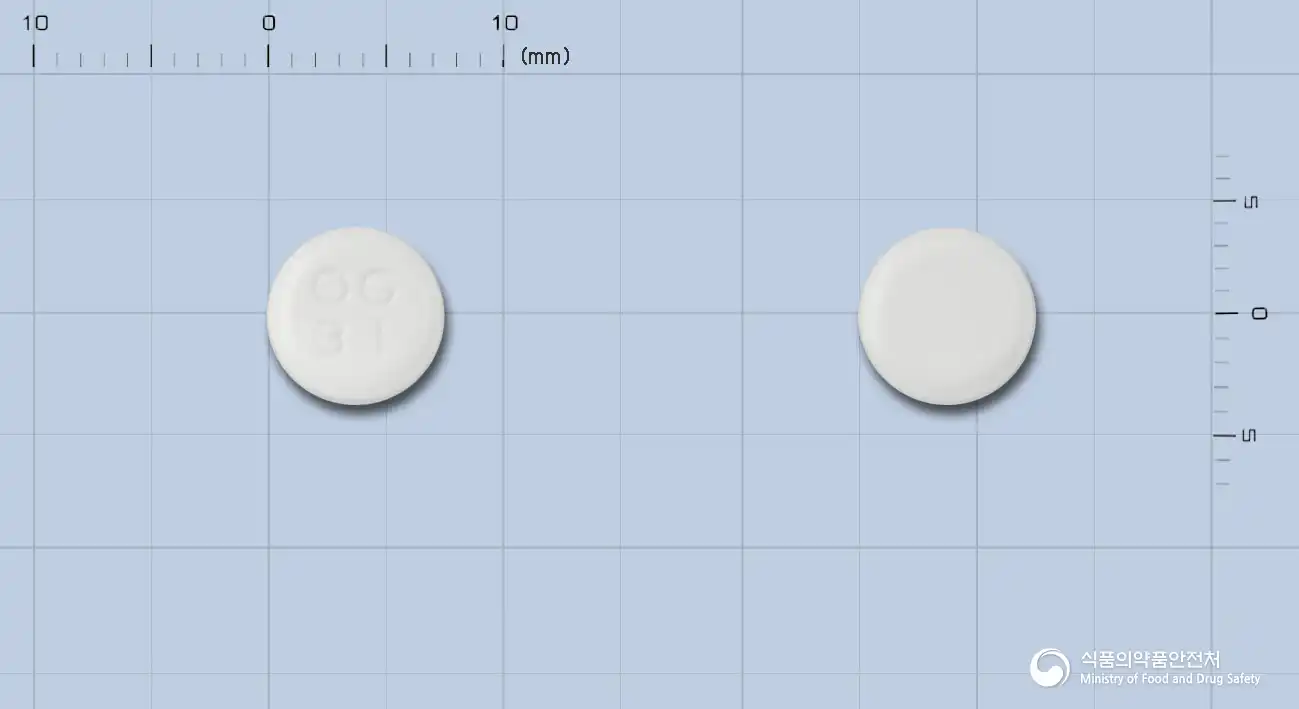
Cilostazol 50mg
Tablet · Prescription medication
Otsuka Pharmaceutical Co., Ltd.
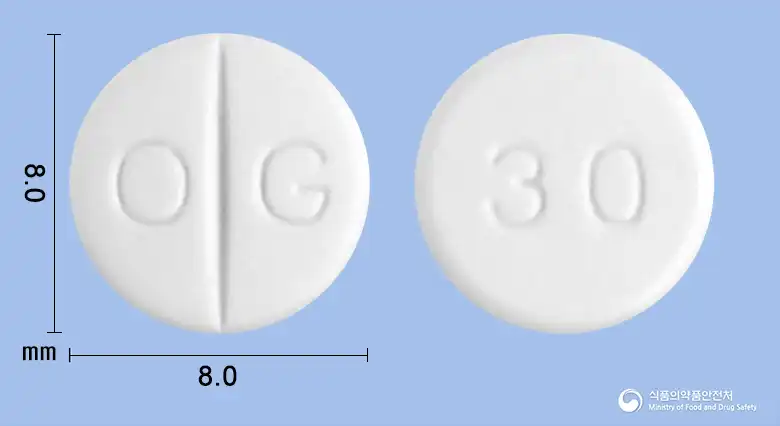
Cilostazol 100mg
Tablet · Prescription medication
Korea Otsuka Pharmaceutical Co., Ltd.
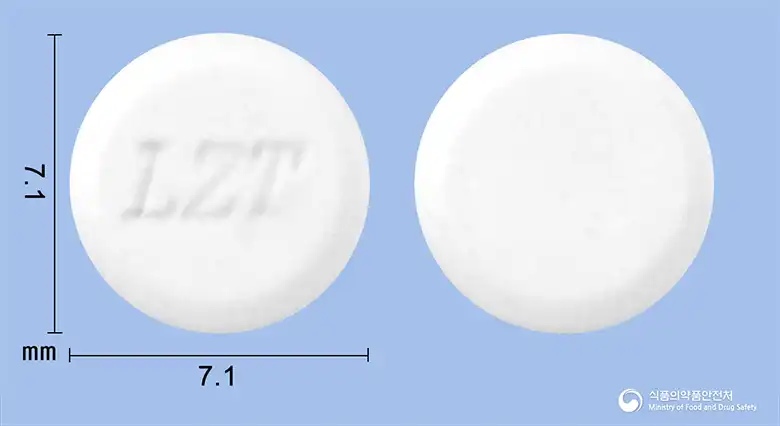
Cilostazol 50mg
Tablet · Prescription medication
Kyungdong Pharmaceutical Co., Ltd.
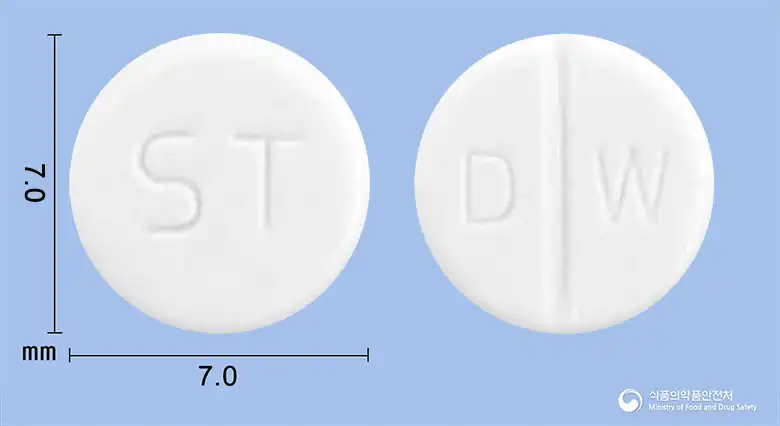
Cilostazol 50mg
Tablet · Prescription medication
Daewon Pharmaceutical Co., Ltd.
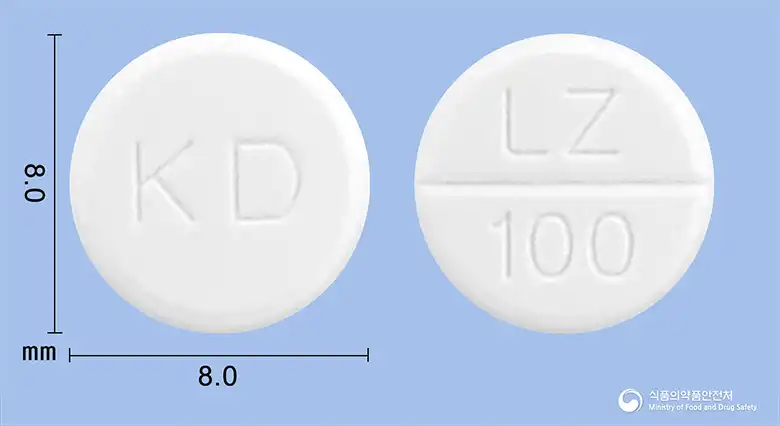
Cilostazol 100mg
Tablet · Prescription medication
Kyungdong Pharmaceutical Co., Ltd.
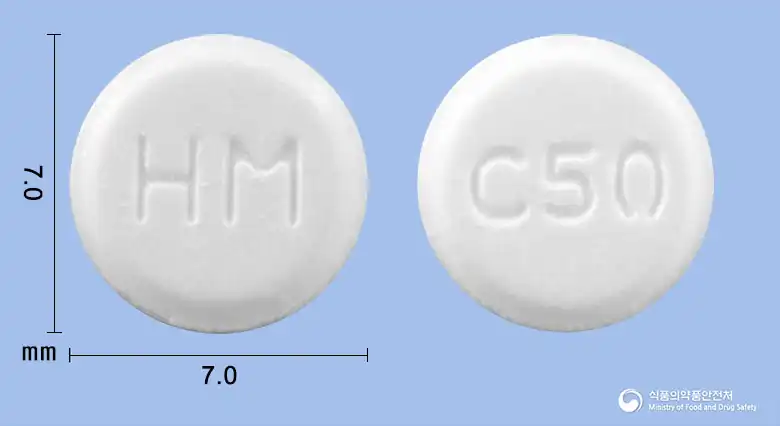
Cilostazol 50mg
Tablet · Prescription medication
Hanmi Pharmaceutical Co., Ltd.
Cilostazol
Prescription medication
Daehan New Pharm Co., Ltd.
Even with the same ingredient, the dose and directions can differ by strength and dosage form. Talk to a doctor or pharmacist before switching from a medication you are already taking.
No questions yet.
For anything that needs medical judgment, consult a doctor or pharmacist.
This drug information is based on data provided by the Korea Ministry of Food and Drug Safety.
Consult a doctor or pharmacist for accurate dosage, administration, and usage instructions.