
 한국어
 English
 日本語
 中文(简体)
 Viewing nowCombination
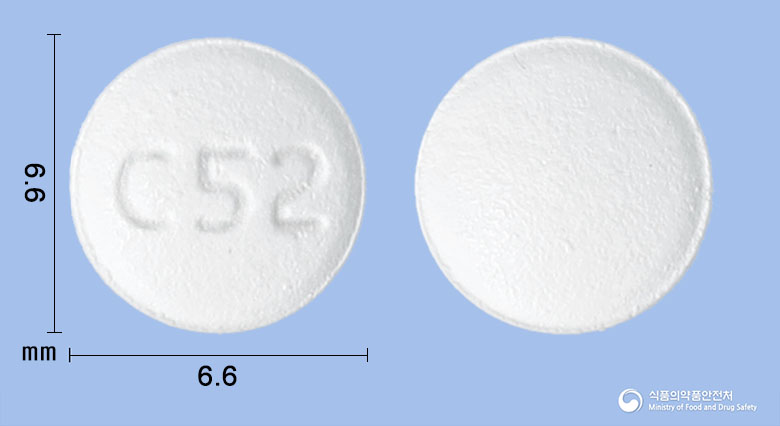
Bicavans Tablet 5/20 Milligrams
Amlodipine Besylate 6.944mg · Olmesartan Medoxomil 20mg
Tablet · Prescription medication · Combination
Kips Biopharma Co., Ltd.
MFDS item code 201903523 · Approved 2019.05.29 · Insurance code 693202140
Treatment of essential hypertension not controlled by monotherapy
This medication is used to treat patients with essential hypertension whose blood pressure is not adequately controlled by monotherapy with amlodipine or olmesartan medoxomil. It effectively lowers blood pressure, reduces the risk of complications, and improves cardiovascular health.
Take one tablet once daily with water, with or without food. It is recommended that it be taken at the same time each day, if possible (e.g., in the morning). Before starting this medicine, it is recommended that the dose be adjusted using the individual components (amlodipine or olmesartan medoxomil). However, if blood pressure is not controlled with monotherapy with either individual component, switching directly to this medicine may be considered. The maximum dose of this medicine is 10/40 milligrams. The maximum blood pressure-lowering effect occurs within 2 weeks of administration; therefore, adjust the dose at intervals of at least 2 weeks, taking the patient's blood pressure response into account. The recommended doses are as follows: - 5/20 milligrams: For patients whose blood pressure is not adequately controlled with monotherapy with amlodipine 5 milligrams or olmesartan medoxomil 20 milligrams. - 10/20 milligrams: For patients whose blood pressure is not adequately controlled with monotherapy with olmesartan medoxomil 20 milligrams. - 5/40 milligrams: For patients whose blood pressure is not adequately controlled with 5/20 milligrams. - 10/40 milligrams: For patients whose blood pressure is not adequately controlled with 5/40 milligrams. ∘Patients with renal impairment: This medicine has not been studied in patients with renal impairment. However, the maximum dose of olmesartan medoxomil for patients with mild or moderate renal impairment (creatine clearance 20-60mL/min) is 20 milligrams once daily. Use of this medicine is not recommended in patients with moderate to severe renal impairment (e.g., creatinine clearance < 20 mL/min) or in patients undergoing dialysis. Monitoring of potassium and creatinine levels is recommended in patients with moderate renal impairment. ∘Patients with reduced effective intravascular volume: In patients who may have reduced effective intravascular volume (Intravascular volume depletion) (e.g., patients taking diuretics, especially those with renal impairment), it is recommended to start treatment at a low dose while closely monitoring their condition. ∘Patients with hepatic impairment: Use with caution in patients with mild or moderate hepatic impairment. The recommended initial dose of olmesartan medoxomil in patients with moderate hepatic impairment is 10 milligrams once daily, and the maximum dose is 20 milligrams once daily. In patients with hepatic impairment who are already receiving other antihypertensive drugs and/or diuretics, blood pressure and renal function should be closely monitored. This medicine should not be administered to patients with severe hepatic impairment. (See section 2, Patients in whom this medicine must not be administered, under Precautions for Use.) ∘Elderly patients: In general, start treatment at a low dose. When adjusting the dose, consider the patient's renal or cardiac function and comorbidities. In elderly patients, blood pressure should be monitored closely and more frequently.
The safety and efficacy of this medicine have not been established in pediatric patients under 18 years of age.
This medication can cause serious harm to the fetus if taken during pregnancy, especially in the second and third trimesters. Therefore, it must be discontinued immediately upon confirmation of pregnancy. It should not be administered to patients with an allergy to any of its components, those who are pregnant or breastfeeding, patients with severe liver or kidney impairment, those with severe aortic stenosis, biliary obstruction, patients undergoing kidney dialysis, those in shock, or certain diabetic patients. Caution is required when administering this drug to patients with low blood pressure due to fluid or salt deficiency, those at risk of sudden vasodilation, patients with heart disease or heart failure, and those with decreased kidney or liver function; blood pressure and condition should be carefully monitored at the beginning of treatment. Various side effects such as dizziness, headache, hypotension, edema, digestive disorders, or skin rash may occur; in any case of abnormal symptoms, consult a healthcare professional immediately. This drug may interact with other medications, so it is crucial to inform your doctor or pharmacist of any current medications, particularly avoiding the concurrent use with grapefruit juice. Ideally, this medication should not be used during pregnancy to ensure the safety of the fetus and newborn; if breastfeeding, consideration must be given that it could affect infants, thus either breastfeeding or the medication might need to be discontinued. Its safety and efficacy in patients under 18 years old have not been established and is therefore not recommended. For elderly patients, due to potential increased plasma concentration of the drug due to impaired kidney and liver function, dosage should start low and be adjusted carefully. In cases of overdose, symptoms such as hypotension and tachycardia may occur, requiring immediate medical treatment and careful observation of cardiac and respiratory function. This medication should be stored in a safe place away from moisture, heat, and direct sunlight, and out of reach of children.
Not everyone experiences these, and they can vary from person to person.
This medication should be stored in a sealed container to prevent exposure to air or moisture. It is best kept at room temperature between 1 to 30 degrees Celsius. This will help maintain the effectiveness of the medication for longer.
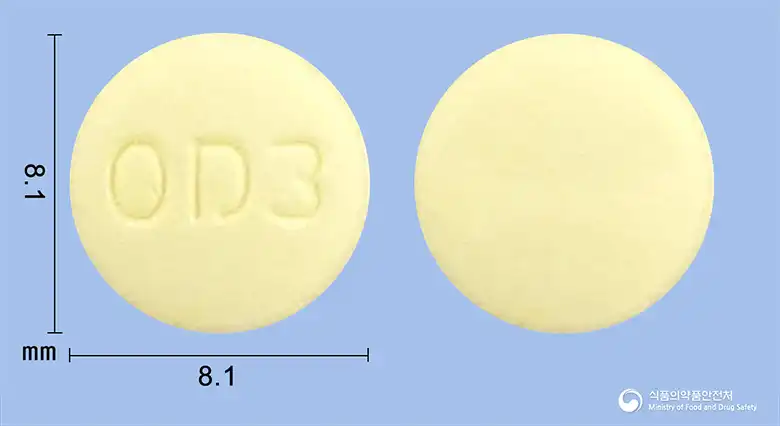
White, round, film-coated tablet
30 tablets/Alu-Alu [10 tablets/Alu-Alu X 3]
Even with the same ingredient, strength, dosage form and how it is taken can differ.
Viewing nowCombinationAmlodipine Besylate 6.944mg · Olmesartan Medoxomil 20mg
Tablet · Prescription medication · Combination
Kips Biopharma Co., Ltd.
 Combination
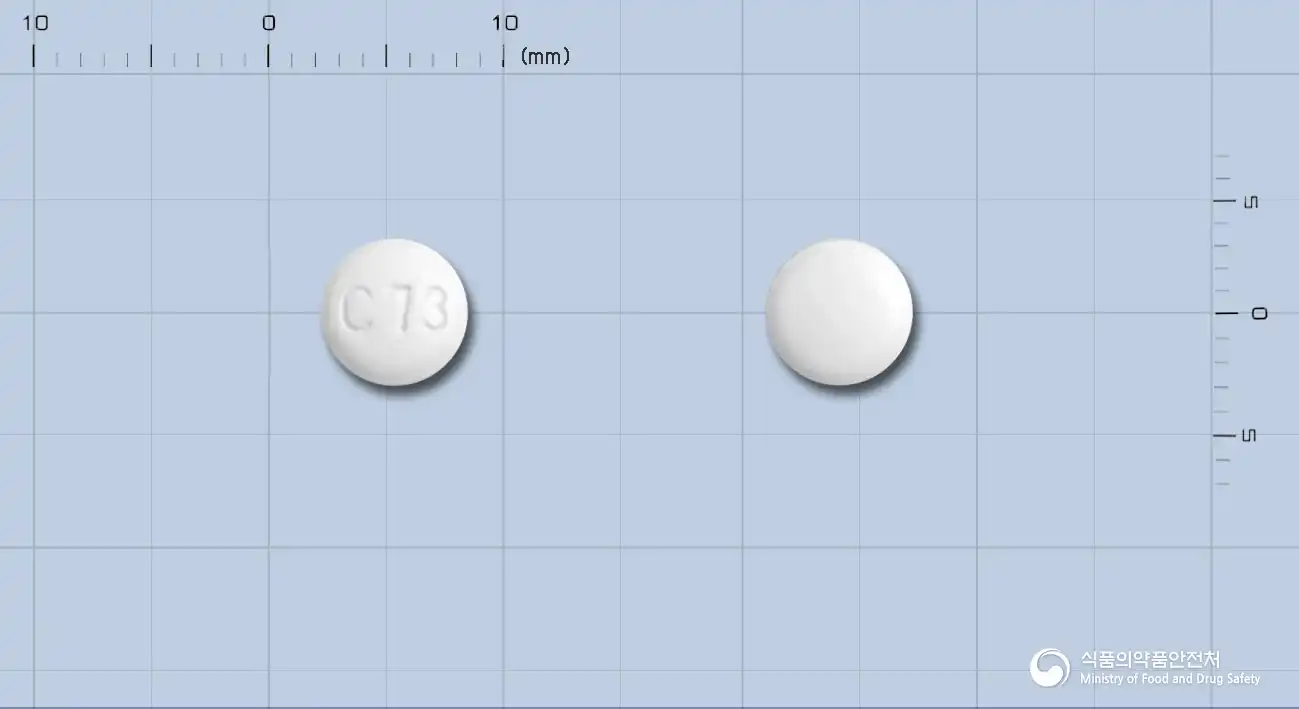
Olmesartan Medoxomil 20mg · Amlodipine Besylate 6.944mg
Tablet · Prescription medication · Combination
Korea Daiichi Sankyo Co., Ltd.
 Combination
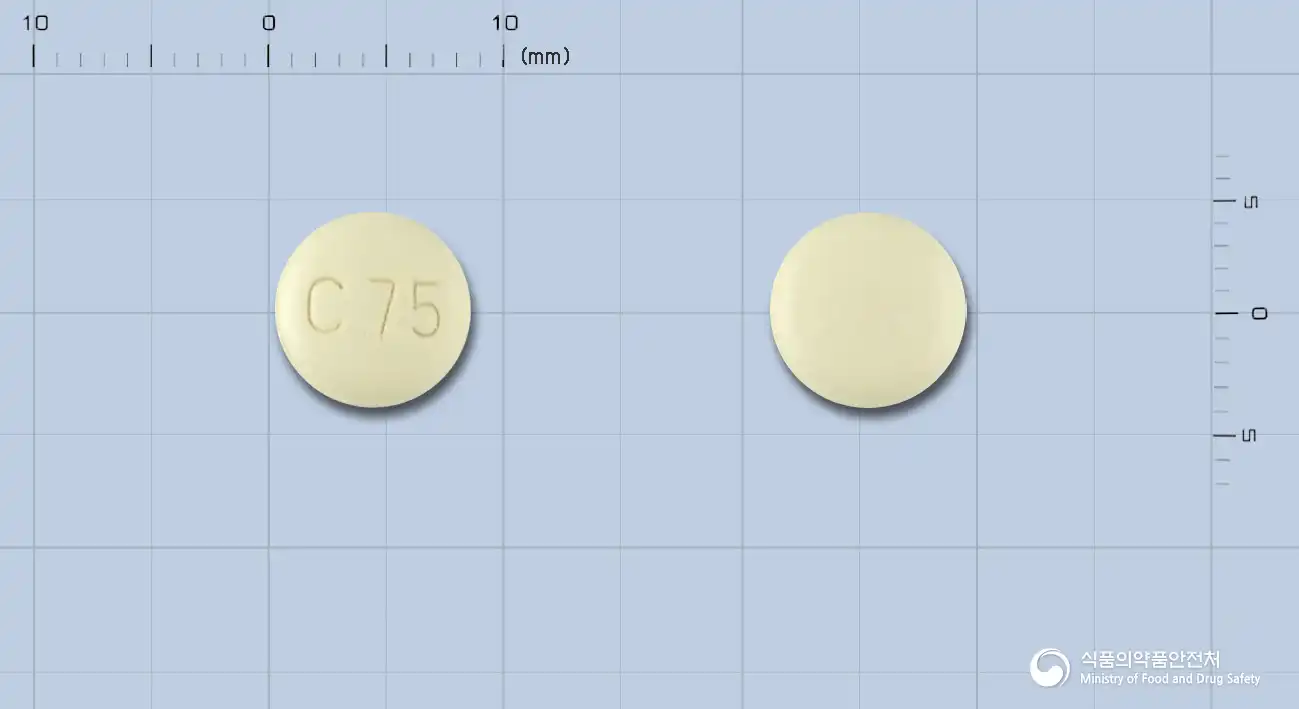
Olmesartan Medoxomil 40mg · Amlodipine Besylate 6.944mg
Tablet · Prescription medication · Combination
Korea Daiichi Sankyo Co., Ltd.
 Combination
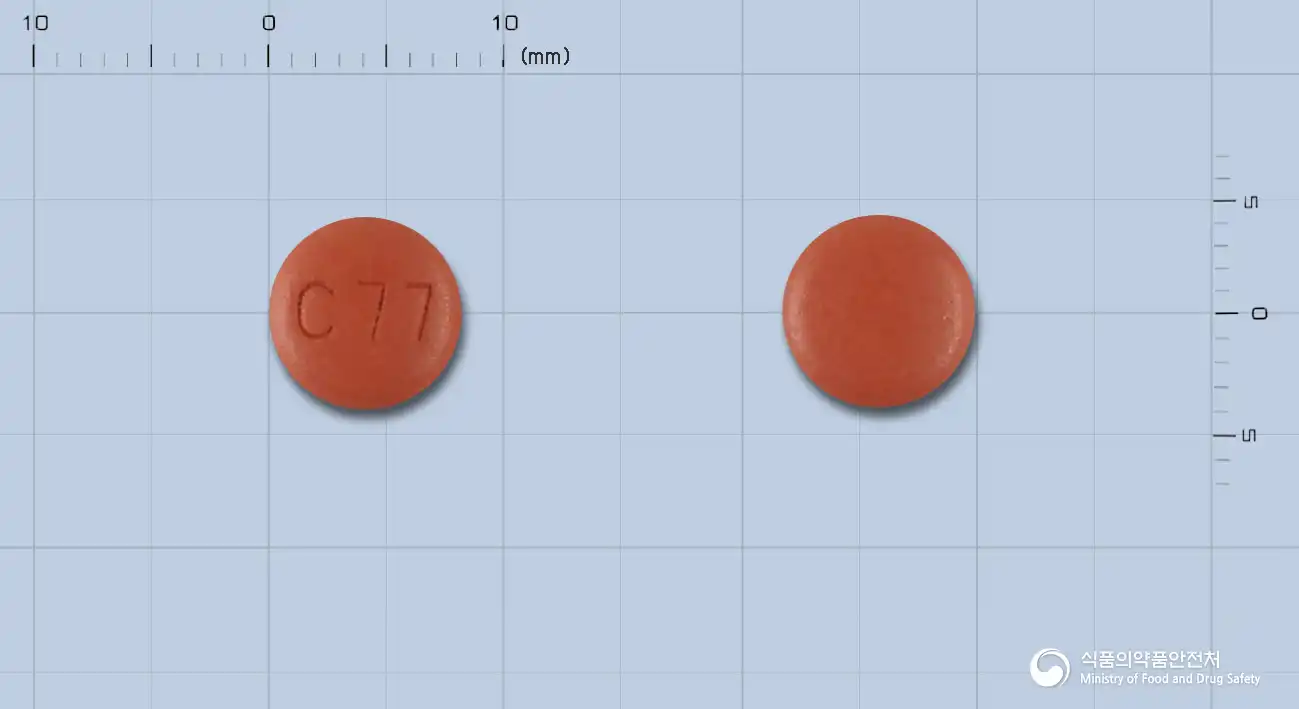
Olmesartan Medoxomil 40mg · Amlodipine Besylate 13.888mg
Tablet · Prescription medication · Combination
Hanmi Daiichi Sankyo Co., Ltd.
Olmesartan Medoxomil · Amlodipine Besylate
Prescription medication · Combination
SYNEX Co., Ltd.
Olmesartan Medoxomil · Amlodipine Besylate
Prescription medication · Combination
Co., Ltd. Sainex
Olmesartan Medoxomil · Amlodipine Besylate
Prescription medication · Combination
SYNEX Co., Ltd.
 Combination
Amlodipine Besylate 6.944mg · Olmesartan Medoxomil 40mg
Tablet · Prescription medication · Combination
Huons Co., Ltd.
Even with the same ingredient, the dose and directions can differ by strength and dosage form. Talk to a doctor or pharmacist before switching from a medication you are already taking.
No questions yet.
For anything that needs medical judgment, consult a doctor or pharmacist.
This drug information is based on data provided by the Korea Ministry of Food and Drug Safety.
Consult a doctor or pharmacist for accurate dosage, administration, and usage instructions.