
 한국어
 English
 日本語
 中文(简体)
 Viewing now
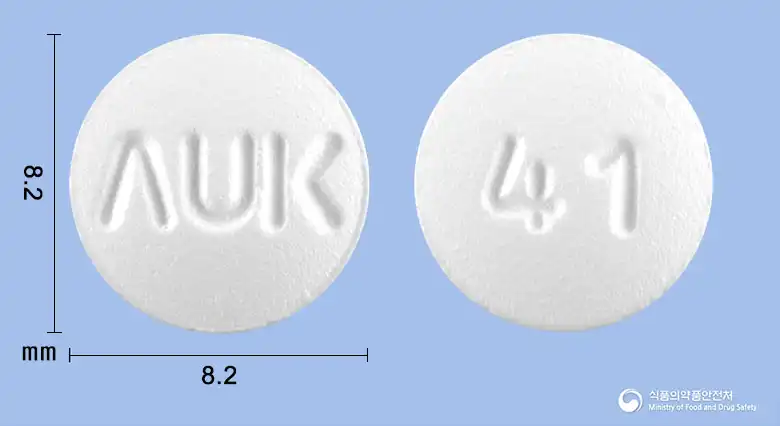
Oskalog 1 mg (Prucalopride Succinate)
Prucalopride Succinate 1.321mg
Tablet · Prescription medication
Os Korea Pharmaceutical Co., Ltd.
MFDS item code 201903161 · Approved 2019.05.16
Treatment of symptoms of chronic constipation in adults who do not improve with laxatives
This medication is used to treat chronic constipation symptoms in adults who have failed to relieve symptoms with laxative use.
This medicine is administered orally and may be taken at any time of day, with or without food. Adults 2mg once daily Older adults aged 65 years and older The initial dose is 1mg once daily and may be increased to 2mg once daily if necessary. Patients with renal impairment Administer 1mg once daily to patients with severe renal impairment (GFR < 30 ml/min/1.73 m2). No dosage adjustment is necessary in patients with mild to moderate renal impairment. Patients with hepatic impairment Administer 1mg once daily to patients with severe hepatic impairment (Child-Pugh class C). No dosage adjustment is necessary in patients with mild to moderate hepatic impairment. Because of this medicine's specific mechanism of action (stimulation of peristalsis), doses exceeding 2mg per day are not expected to increase efficacy. If there is no response after administering this medicine once daily for 4 weeks, the patient should be re-examined and the need to continue treatment should be reassessed. The efficacy of this medicine was established in a 3-month double-blind, placebo-controlled clinical trial. If treatment continues for more than 3 months, the benefits should be reassessed periodically.
This drug should not be used in certain patients. For example, patients who are allergic to the active ingredient or excipients, patients with very poor kidney function, and patients with serious gastrointestinal problems may be at risk if they take this drug. Additionally, patients with a genetic inability to digest lactose should also avoid this drug. Patients with severe renal disease should lower the dosage of this drug, and patients with other serious conditions such as liver, heart, lung, or nervous system diseases should exercise extra caution when using this drug. This drug should be used cautiously in patients with heart rhythm issues, and dosage adjustments are necessary for patients with severe liver dysfunction. The most common side effects of this drug include headache, abdominal pain, nausea, and diarrhea, which often appear during the initial stages of treatment and typically diminish over time. Rarely, symptoms such as palpitations, dizziness, and fatigue may occur, so it is advisable to consult a physician if these symptoms arise. The use of this drug during pregnancy is not recommended, and women of childbearing age should use effective contraception while taking this drug. Breastfeeding women should also avoid using this drug. This drug is not recommended for children or adolescents under 18 years of age. In cases of overdose, symptoms such as headache, nausea, and diarrhea may occur, and appropriate treatment is required based on the symptoms. Particularly, if there is significant fluid loss due to diarrhea or vomiting, electrolyte replenishment may be necessary. This drug may cause dizziness or fatigue on the first day of dosing, so caution is advised when driving or operating machinery. This drug has a relatively low potential for interactions with other medications, but caution is warranted when taken with drugs that may affect heart rhythm. Lastly, this drug should be stored out of reach of children and kept in its original container to avoid moisture.
Not everyone experiences these, and they can vary from person to person.
This drug should be kept away from light and moisture. The appropriate storage temperature is at room temperature between 1 degree and 30 degrees Celsius. This helps maintain the efficacy of the medication.
White to off-white round film-coated tablet
28 tablets/box [14 tablets/Alu-Alu X 2]
Even with the same ingredient, strength, dosage form and how it is taken can differ.
Viewing nowPrucalopride Succinate 1.321mg
Tablet · Prescription medication
Os Korea Pharmaceutical Co., Ltd.

Prucalopride Succinate 1.321mg
Tablet · Prescription medication
Hanmi Menarini Co., Ltd.

Prucalopride Succinate 2.642mg
Tablet · Prescription medication
Korea Menarini Co., Ltd.
Prucalopride Succinate 1.321mg
Tablet · Prescription medication
Genewon Science Co., Ltd.
Prucalopride Succinate 2.642mg
Tablet · Prescription medication
Genewell Science Co., Ltd.
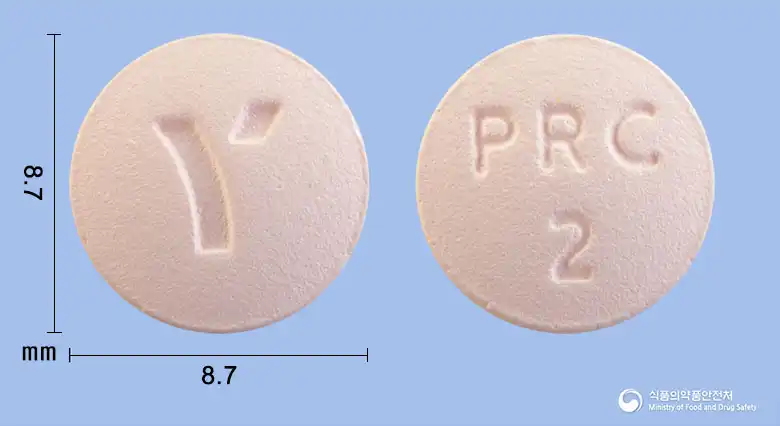
Prucalopride Succinate 2.642mg
Tablet · Prescription medication
Yooyoung Pharmaceutical Co., Ltd.
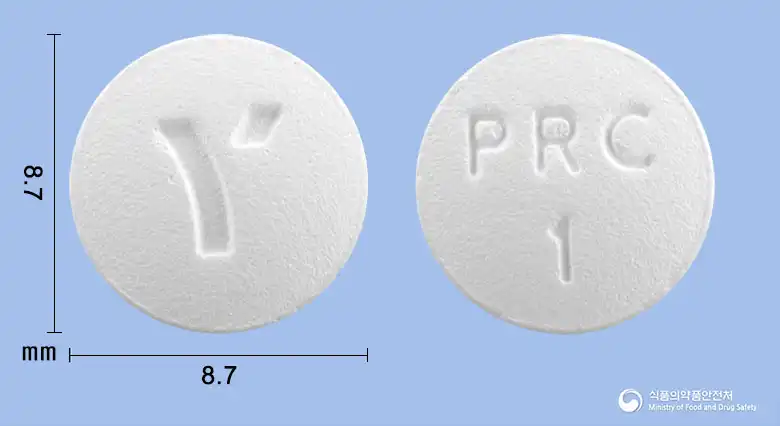
Prucalopride Succinate 1.321mg
Tablet · Prescription medication
YuYoung Pharmaceutical Co., Ltd.
Prucalopride Succinate 1.321mg
Tablet · Prescription medication
Huons Co., Ltd.
Even with the same ingredient, the dose and directions can differ by strength and dosage form. Talk to a doctor or pharmacist before switching from a medication you are already taking.
No questions yet.
For anything that needs medical judgment, consult a doctor or pharmacist.
This drug information is based on data provided by the Korea Ministry of Food and Drug Safety.
Consult a doctor or pharmacist for accurate dosage, administration, and usage instructions.