
 한국어
한국어 English
 日本語
日本語 中文(简体)
 Viewing nowCombination
Linesta Tablet
Cilostazol 100mg · Ginkgo Biloba Leaf Dried Extract 80mg
Tablet · Prescription medication · Combination
Jeongwoo Pharmaceutical Co., Ltd.
MFDS item code 201903002 · Approved 2019.05.09
Improvement of chronic arterial occlusive disease (ulcers, pain, etc.) and prevention of recurrence of cerebral infarction
If the therapeutic effect of cilostazol monotherapy for chronic arterial occlusive disease or cerebral infarction is insufficient, a combination therapy of cilostazol and Ginkgo biloba leaf extract can be used as an alternative treatment. It helps improve ischemic symptoms such as ulcers, pain, and coldness in chronic arterial occlusive disease, and is also effective in preventing recurrence after a cerebral infarction. This combination therapy contributes to alleviating symptoms and reducing the risk of recurrence by improving blood circulation. Therefore, this treatment approach allows for more effective management of patients' conditions.
For adults, the usual dosage is 1 tablet orally twice a day.
This medication can put stress on the heart, potentially leading to symptoms of angina such as chest pain, so careful monitoring of such symptoms is necessary. It should not be administered to patients at risk of bleeding, those with a recent hemorrhagic stroke, recent surgery, or uncontrolled hypertension. Patients with congestive heart failure or allergic reactions to this medication, as well as women who are pregnant or nursing, should also avoid using it. Since this medication contains lactose, it should not be given to patients with lactose intolerance. Patients taking anticoagulants, antiplatelets, thrombolytics, etc., should be cautious as the bleeding risk may increase. Women who are menstruating, patients with heart disease, those with severely impaired kidney or liver function, and patients with diabetes should also use this drug with caution. Serious side effects such as bleeding, reduction in blood cells, interstitial pneumonia, and heart problems may occur; therefore, if any abnormal symptoms arise, immediate consultation with a healthcare professional is required. Dizziness may occur, so caution is needed when driving or operating machinery. This drug is metabolized in the liver, and the risk of side effects may increase when taken with certain other medications, so caution regarding drug interactions is required. Women who are pregnant or may become pregnant should not use this, and nursing mothers should discontinue breastfeeding while using it. Particular caution is needed for children and the elderly, and dosage adjustments may be necessary for older adults. In cases of overdose, severe headaches, diarrhea, hypotension, and arrhythmia may occur, and immediate medical attention is required. This medication should be stored in a sealed container, protected from air and moisture, and kept at a safe temperature between 1 to 30 degrees Celsius.
Headaches, nausea, consciousness disorders, hemiplegia, chest pain, bleeding tendency (such as intracranial bleeding, intrapulmonary bleeding, gastrointestinal bleeding), pancytopenia, agranulocytosis, thrombocytopenia, leukopenia, aplastic anemia, interstitial pneumonia (fever, cough, difficulty breathing), congestive heart failure, myocardial infarction, angina, ventricular tachycardia, jaundice, elevation of AST, ALT, ALP, LDH, severe allergic reactions (such as hives), palpitations, tachycardia.
Not everyone experiences these, and they can vary from person to person.
This medication should be stored in a tightly sealed container to avoid exposure to air or moisture, and it is safe to store at room temperature between 1 to 30 degrees Celsius.
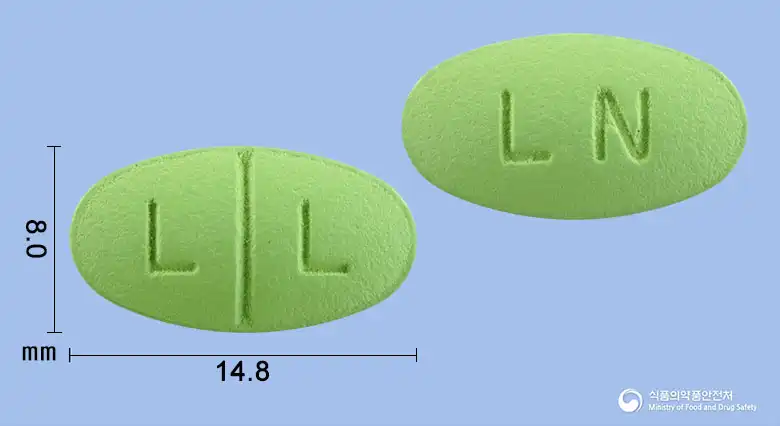
Pale green egg-shaped film-coated tablet
30 tablets/bottle, 300 tablets/bottle
Even with the same ingredient, strength, dosage form and how it is taken can differ.
Viewing nowCombinationCilostazol 100mg · Ginkgo Biloba Leaf Dried Extract 80mg
Tablet · Prescription medication · Combination
Jeongwoo Pharmaceutical Co., Ltd.
 Combination
Cilostazol 100mg · Ginkgo Biloba Leaf Dried Extract 80mg
Tablet · Prescription medication · Combination
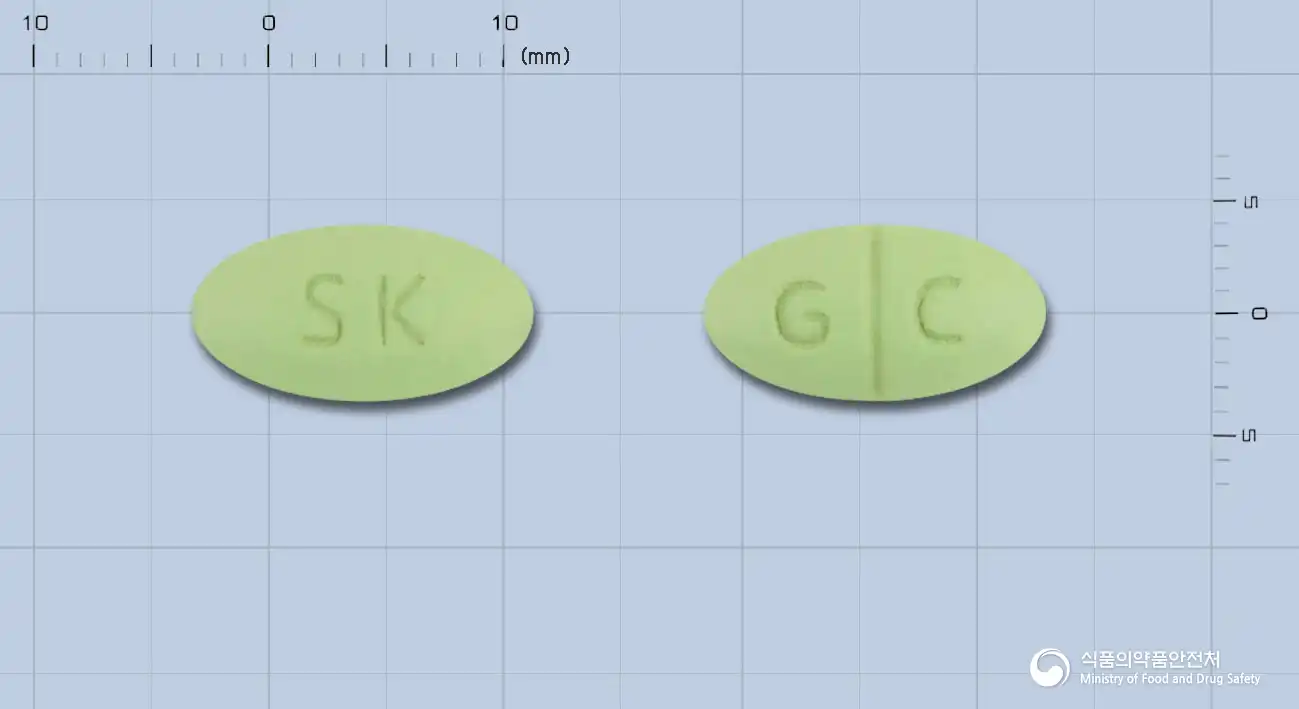
SK Chemical Co., Ltd.
Cilostazol · Ginkgo Biloba Leaf Dried Extract
Prescription medication · Combination
Korea Prime Pharmaceuticals Co., Ltd.
 Combination
Cilostazol 100mg · Ginkgo Biloba Leaf Dried Extract 80mg
Tablet · Prescription medication · Combination
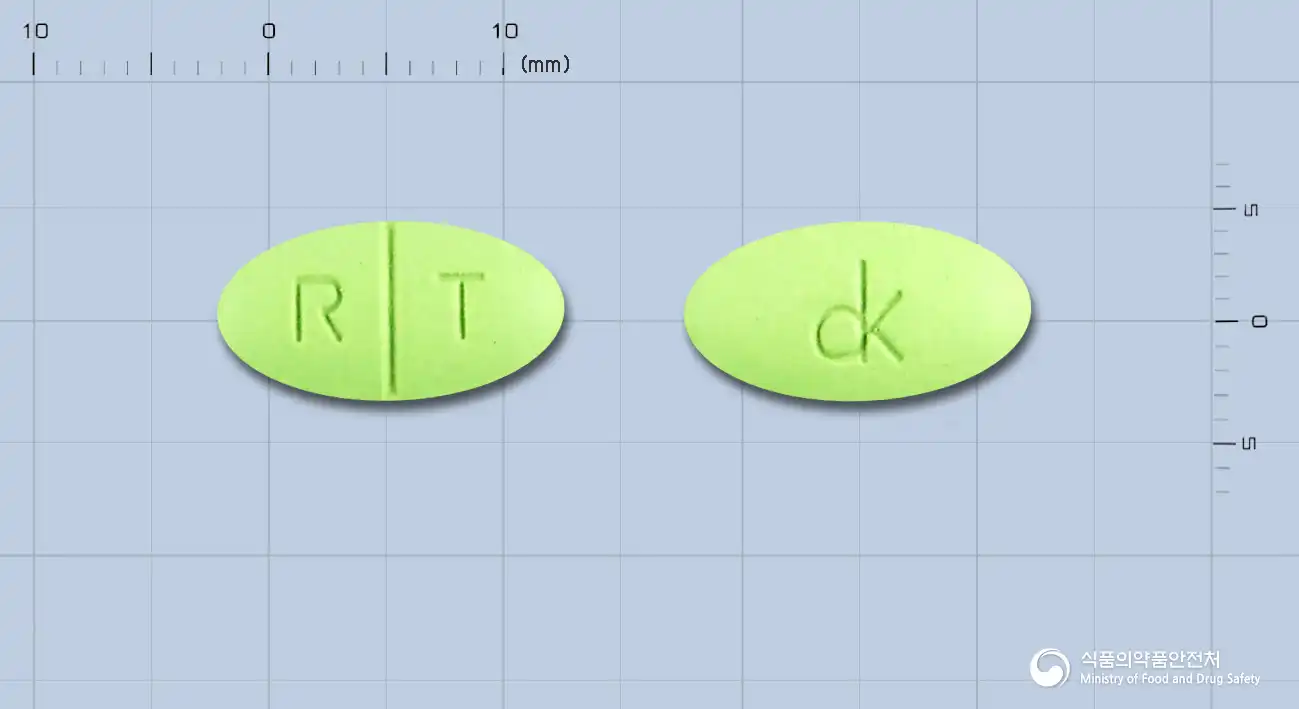
Dongguk Pharmaceutical Co., Ltd.
 Combination
Cilostazol 100mg · Ginkgo Biloba Leaf Dried Extract 80mg
Tablet · Prescription medication · Combination
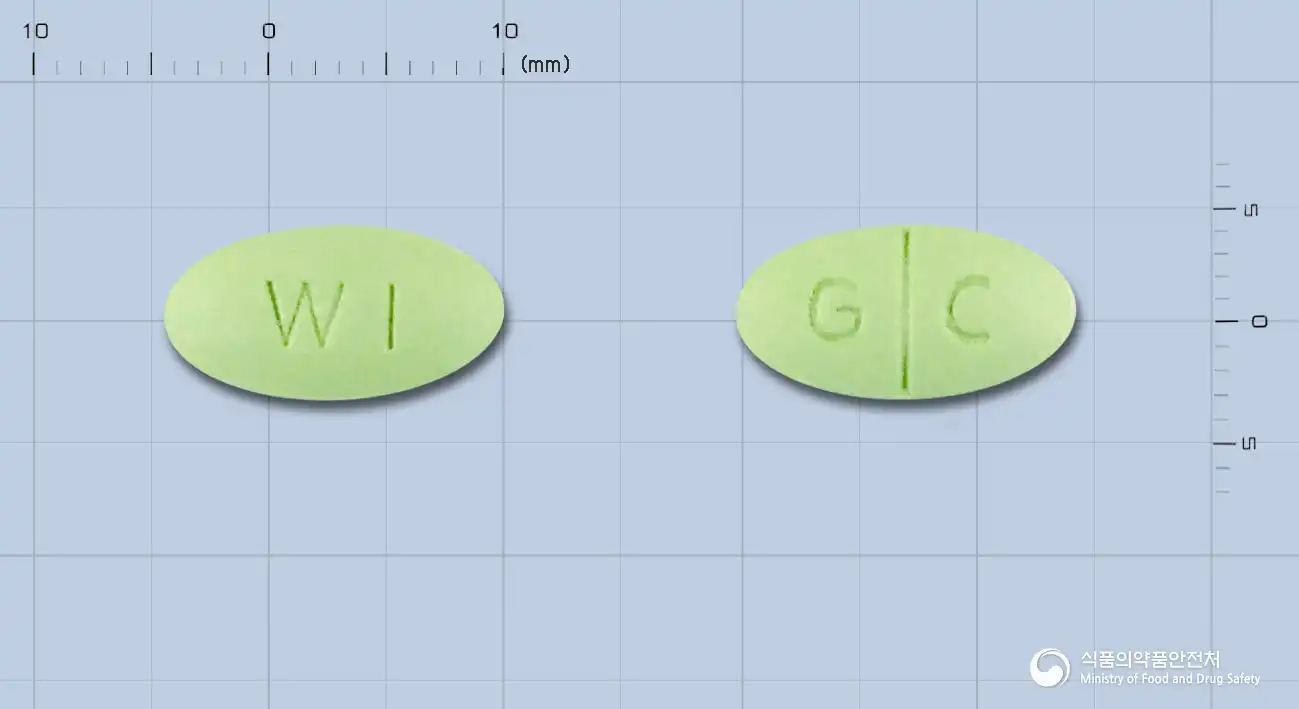
Hanin Pharmaceutical Co., Ltd.
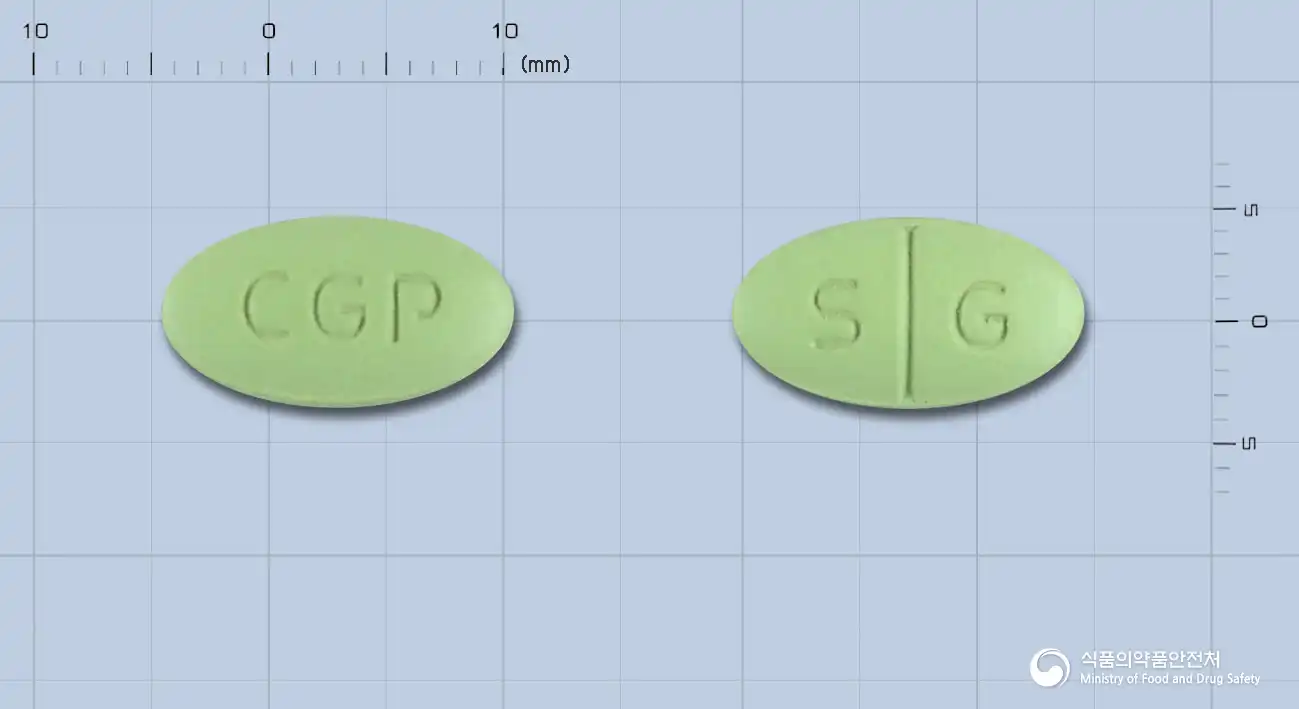 Combination
Cilostazol 100mg · Ginkgo Biloba Leaf Dried Extract 80mg
Tablet · Prescription medication · Combination
Aprogen Biosciences, Inc.
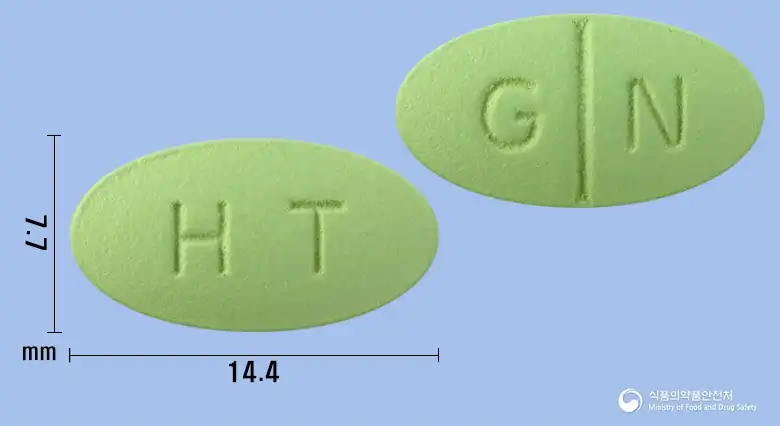 Combination
Cilostazol 100mg · Ginkgo Biloba Leaf Dried Extract 80mg
Tablet · Prescription medication · Combination
Korea Hyutech Pharmaceutical Co., Ltd.
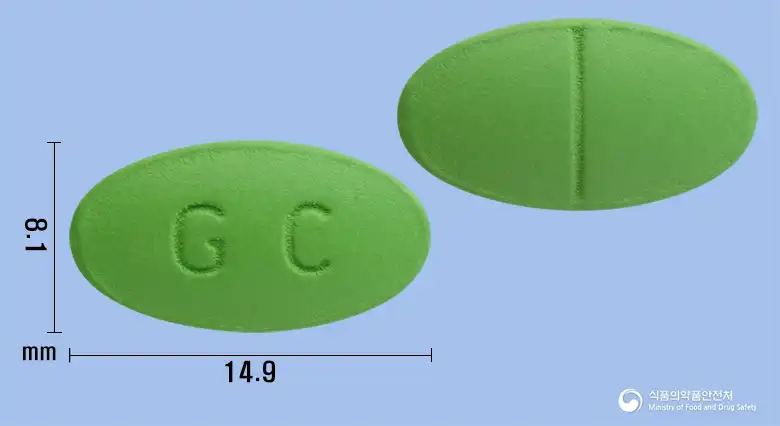 Combination
Cilostazol 100mg · Ginkgo Biloba Leaf Dried Extract 80mg
Tablet · Prescription medication · Combination
Genupharm Co., Ltd.
Even with the same ingredient, the dose and directions can differ by strength and dosage form. Talk to a doctor or pharmacist before switching from a medication you are already taking.
No questions yet.
For anything that needs medical judgment, consult a doctor or pharmacist.
This drug information is based on data provided by the Korea Ministry of Food and Drug Safety.
Consult a doctor or pharmacist for accurate dosage, administration, and usage instructions.