
 한국어
 English
 日本語
 中文(简体)
Dosage form image
Viewing nowRozentan Tablet 50 mg (Losartan Potassium)
Losartan Potassium 50mg
Tablet · Prescription medication
Jungwoo Pharmaceutical Co., Ltd.
MFDS item code 201902822 · Approved 2019.05.01
This product's status changed to Expired on 2024.05.01. It may no longer be sold, so consult a doctor or pharmacist before taking it.
Treatment of hypertension and diabetic nephropathy associated with hypertension in type 2 diabetes
This medication is used to effectively lower blood pressure in patients with hypertension. In particular, it helps to slow the progression of kidney disease in patients with type 2 diabetes among those with hypertension. This contributes to preserving kidney function and improving overall health status. It is used to prevent and treat kidney complications due to hypertension and diabetes.
1. Hypertension 1) Adults The recommended initial and maintenance dose is losartan potassium 50 mg orally once daily. The maximum blood pressure-lowering effect occurs 3 ∼ 6 weeks after starting treatment. If the therapeutic effect is insufficient, the same dose may be divided and administered orally twice daily, or increased to up to 100 mg once daily if necessary. 2) Elderly patients No adjustment of the initial dose is required in elderly patients aged 75 years or younger. For elderly patients over 75 years of age, an initial dose of 25 mg of this drug once daily is recommended. 3) Patients with renal impairment (1) Creatinine clearance 20 ∼ 50 mL/min: No adjustment of the initial dose is required. (2) Creatinine clearance < 20 mL/min and patients on dialysis: An initial dose of 25 mg of this drug once daily is recommended. 4) Patients with reduced intravascular effective blood volume For patients who may have reduced intravascular effective blood volume (e.g., patients receiving diuretic treatment), an initial dose of 25 mg of this drug once daily is recommended (see Precautions for Use). 5) Patients with hepatic impairment Consider administering a lower dose to patients with a history of hepatic impairment. Do not administer to patients with severe hepatic impairment. 7) If blood pressure is not controlled with this drug alone, it may be administered in combination with another antihypertensive (e.g., a low-dose diuretic). An additive effect was observed with concomitant administration of hydrochlorothiazide. 2. Nephropathy in patients with type 2 diabetes and hypertension The usual dose is 50 mg of this drug once daily. The dose may be increased to up to 100 mg once daily according to blood pressure. However, an initial dose of 25 mg is recommended for patients at risk of excessive blood pressure reduction. This drug may be administered concomitantly with insulin and commonly used antihyperglycemic agents (e.g., sulfonylureas, glitazones, glucosidase inhibitors).
Children and adolescents aged 6 years or older who weigh 20 kg or more and less than 50 kg and can swallow tablets: The recommended dose is 25 mg of this drug once daily, which may be increased to a maximum of 50mg once daily according to the patient's blood pressure response. Children and adolescents aged 6 years or older who weigh 50 kg or more: The usual recommended dose is 50 mg of this drug once daily, which may be increased to a maximum of 100 mg once daily according to the patient's blood pressure response. Not recommended for children under 6 years of age, pediatric patients with a glomerular filtration rate below 30 mL/min/1.73㎡, or pediatric patients with hepatic impairment.
This medication should not be used by pregnant women, especially during the second and third trimesters, as it can cause serious harm to the fetus. This medication should not be administered to patients with severely impaired liver function, hereditary angioedema, or certain genetic lactose intolerance. Elderly patients, those with compromised kidney function, and patients with hyperkalemia should be particularly cautious while using this medication, and their condition should be closely monitored to ensure blood pressure does not drop too low. During treatment with this medication, dizziness or drowsiness may occur, so caution is advised when driving or operating machinery. Although this medication lowers blood pressure, rare side effects such as liver dysfunction, kidney failure, angioedema, myalgia, and dry cough may occur. If any abnormal symptoms appear, consult a physician immediately. Caution should be taken to avoid concomitant administration of potassium-sparing diuretics or potassium supplements as this can dangerously elevate blood potassium levels. When combined with non-steroidal anti-inflammatory drugs (NSAIDs), the blood pressure-lowering effect may diminish and kidney function may be compromised, so consultation with a physician is advised. During treatment, regular monitoring of blood pressure, kidney function, and electrolyte levels is necessary to confirm that these remain normal. If pregnancy is confirmed, stop taking this medication immediately and consult with healthcare providers. It is also advisable to avoid use during breastfeeding. This medication should not be used in children, especially those under 6 years old or those with severely impaired kidney function. In cases of overdose, symptoms such as hypotension and bradycardia may occur; in severe cases, immediate hospital visit and appropriate treatment is required. This medication should be kept out of reach of children and should not be transferred to other containers.
Not everyone experiences these, and they can vary from person to person.
This medication is sensitive to air and moisture and should be stored in a tightly sealed container. Recommended storage temperature is between 1 to 30 degrees Celsius at room temperature to ensure the safety of the medication's efficacy.
White oval film-coated tablet
30 tablets/bottle, 100 tablets/bottle, 300 tablets/bottle
Even with the same ingredient, strength, dosage form and how it is taken can differ.
Losartan Potassium 50mg
Tablet · Prescription medication
Jungwoo Pharmaceutical Co., Ltd.
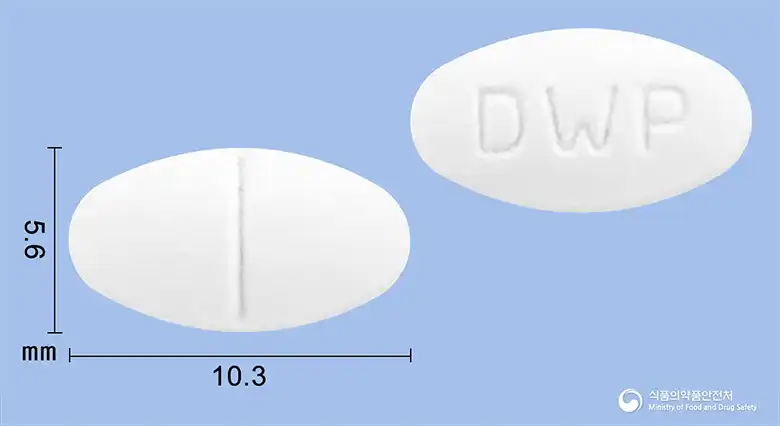
Losartan Potassium 50mg
Tablet · Prescription medication
DaeWon Pharmaceutical Co., Ltd.
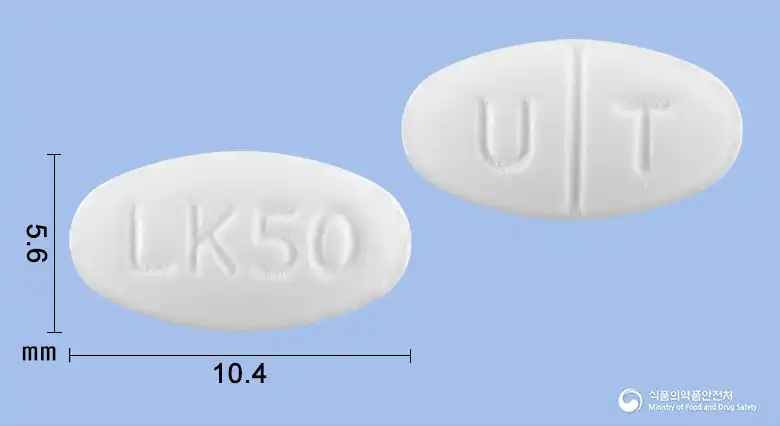
Losartan Potassium 50mg
Tablet · Prescription medication
Korea United Pharm, Co., Ltd.
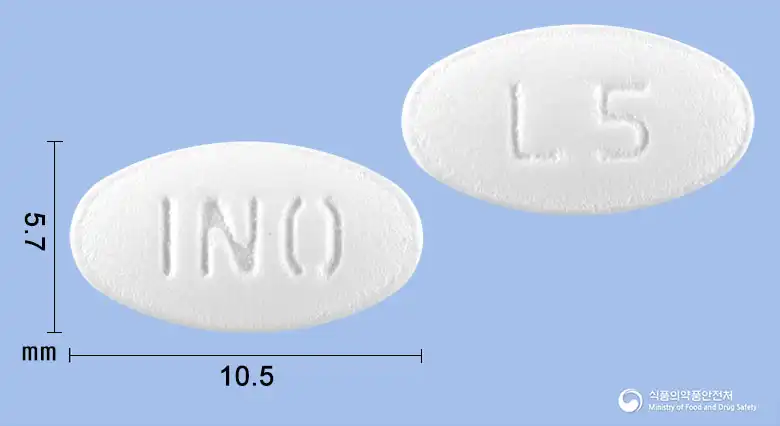
Losartan Potassium 50mg
Tablet · Prescription medication
HK Inno.N Co., Ltd.
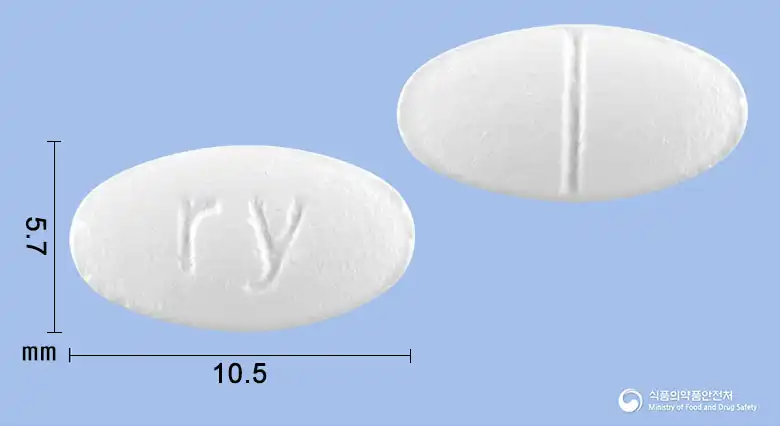
Losartan Potassium 50mg
Tablet · Prescription medication
IYON Pharmaceuticals Co., Ltd.
Losartan Potassium
Prescription medication
JW ShinYak Co., Ltd.
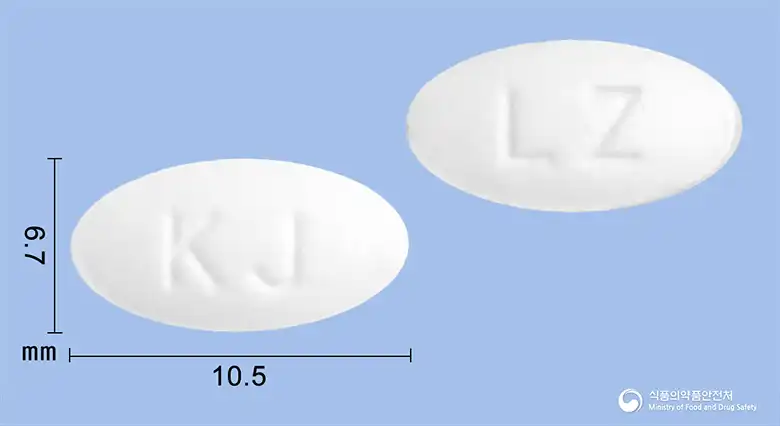
Losartan Potassium 50mg
Tablet · Prescription medication
Kukje Pharmaceutical Co., Ltd.
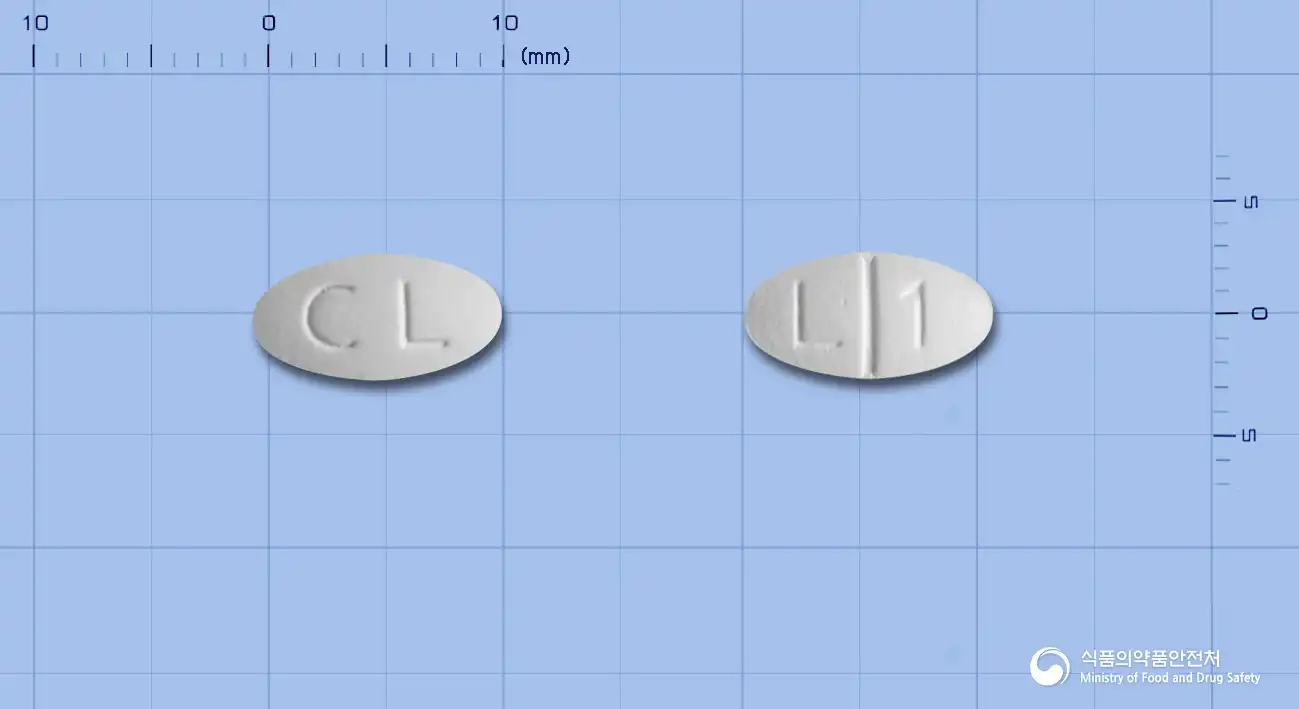
Losartan Potassium 50mg
Tablet · Prescription medication
Celltrion Pharmaceutical Co., Ltd.
Even with the same ingredient, the dose and directions can differ by strength and dosage form. Talk to a doctor or pharmacist before switching from a medication you are already taking.
No questions yet.
For anything that needs medical judgment, consult a doctor or pharmacist.
This drug information is based on data provided by the Korea Ministry of Food and Drug Safety.
Consult a doctor or pharmacist for accurate dosage, administration, and usage instructions.