
 한국어
 English
 日本語
 中文(简体)
Dosage form image
Viewing nowWysalto-profen Tablet
Zaltoprofen 80mg
Tablet · Prescription medication
Optus Pharmaceutical Co., Ltd.
MFDS item code 201902799 · Approved 2019.04.30
Relief of inflammation and pain associated with musculoskeletal disorders (e.g., arthritis and back pain), injuries, and procedures
This medication is used to alleviate inflammation and pain in a variety of joint and musculoskeletal disorders, such as chronic rheumatoid arthritis, osteoarthritis (degenerative arthritis), low back pain, adhesive capsulitis, and cervical spondylosis. It is also effective for inflammation and pain that occur after surgery, trauma, or tooth extraction. This drug helps reduce discomfort and improve the quality of life for patients. Overall, it supports pain relief in various situations through its anti-inflammatory and analgesic actions.
Adults: Administer 80 mg of zaltoprofen orally 3 times daily. For a single dose, administer 80∼160 mg orally.
People who regularly consume three or more glasses of alcohol should consult with a doctor or pharmacist before taking this medication. The risk of gastrointestinal bleeding is increased if a heavy drinker takes this medication. This drug may affect the cardiovascular system, so patients at risk of heart disease or stroke should use it with caution. Even patients without a history of cardiovascular disease should observe heart-related symptoms carefully while taking this medication. This medication can place a burden on the stomach and may increase the risk of gastric ulcers or bleeding. Elderly patients or those with a history of gastrointestinal disorders should be particularly careful, and if stomach bleeding symptoms appear during use, they should immediately consult medical personnel. Patients with peptic ulcers, severe liver disorders, kidney disorders, heart failure, or those allergic to this medication or its ingredients should not take it. In addition, asthmatic patients sensitive to aspirin or similar drugs, pregnant women in the late stages of pregnancy, and nursing mothers should avoid using this medication. Patients with a history of peptic ulcers, blood disorders, liver or kidney disease, the elderly, patients with hypertension, or those taking diuretics or ACE inhibitors should use this medication with caution. Possible side effects include abdominal discomfort, nausea, diarrhea, headache, dizziness, skin rash, and allergic reactions, so if any symptoms appear, medical personnel should be informed immediately. Taking this medication with other non-steroidal anti-inflammatory drugs may increase the risk of side effects, so it is advisable not to combine them. During pregnancy, especially in the late stages, it can be harmful to the fetus, so it should not be used, and only minimal doses should be used for short periods in early or mid-pregnancy if absolutely necessary. Nursing mothers should not take this medication as its ingredients may be transmitted through breast milk. Safety for children has not been established, so it should not be used in children. Elderly patients may have decreased kidney function, raising the risk of increased drug concentrations in the blood, so it is necessary to reduce the dosage or extend the dosing intervals. Keep this medication out of reach of children and do not transfer it to another container. Before taking this medication, it is essential to carefully consider its risks and benefits and to use the minimum effective dose and duration whenever possible.
abdominal discomfort, stomach pain, nausea, epigastric pain, stomatitis, vomiting, diarrhea, abdominal pain, feeling of fullness in the stomach, vomiting, heartburn, loss of appetite, constipation, glossitis, thirst, abdominal bloating, peptic ulcer, small intestine ulcer, large intestine ulcer, hemorrhagic colitis, headache, drowsiness, dizziness, tingling sensation, shock, symptoms resembling anaphylaxis, itching, flushing, facial edema, hives, breathing difficulty, mucocutaneous syndrome, toxic epidermal necrolysis, rash, skin eruptions, eczema, frequency unknown photosensitivity reaction, erythrocytopenia, hemoglobin decrease, hematocrit decrease, eosinophilia, leukocytosis, leukopenia, thrombocytosis, agranulocytosis, thrombocytopenia, hemolytic anemia, aplastic anemia, elevated ALT, elevated AST, elevated ALP, elevated γ-GTP, jaundice, acute renal failure, nephrotic syndrome, elevated BUN, elevated serum creatinine, hematuria, edema, fatigue, dysuria, urinary disorders, fever, burning sensation, frequent urination, dyspepsia, edema, nausea, vomiting, gastritis, hypertension, pharyngitis, dizziness
Not everyone experiences these, and they can vary from person to person.
This medication should be stored in a tightly closed container to protect it from air or moisture, and it is recommended to keep it at room temperature between 1 and 30 degrees Celsius. Storing it this way helps maintain the effectiveness of the drug.
White round film-coated tablet
30 tablets/bottle
Even with the same ingredient, strength, dosage form and how it is taken can differ.
Zaltoprofen 80mg
Tablet · Prescription medication
Optus Pharmaceutical Co., Ltd.
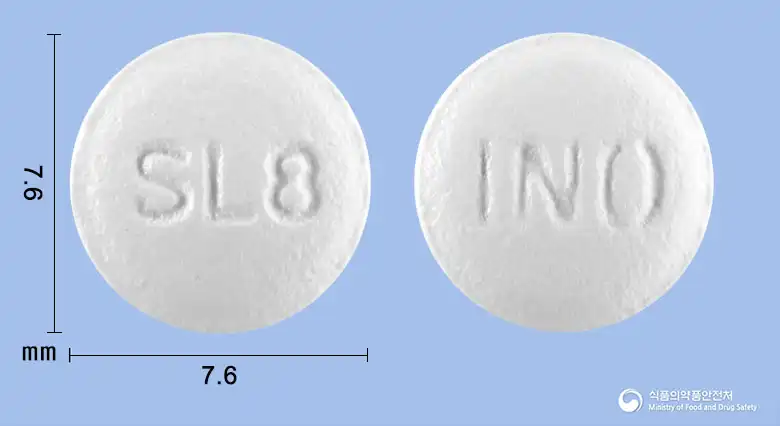
Zaltoprofen 80mg
Tablet · Prescription medication
HK inno.N Co., Ltd.

Zaltoprofen 80mg
Tablet · Prescription medication
Samchundang Pharmaceutical Co., Ltd.

Zaltoprofen 80mg
Tablet · Prescription medication
(Co., Ltd.) Yuyoung Pharmaceutical
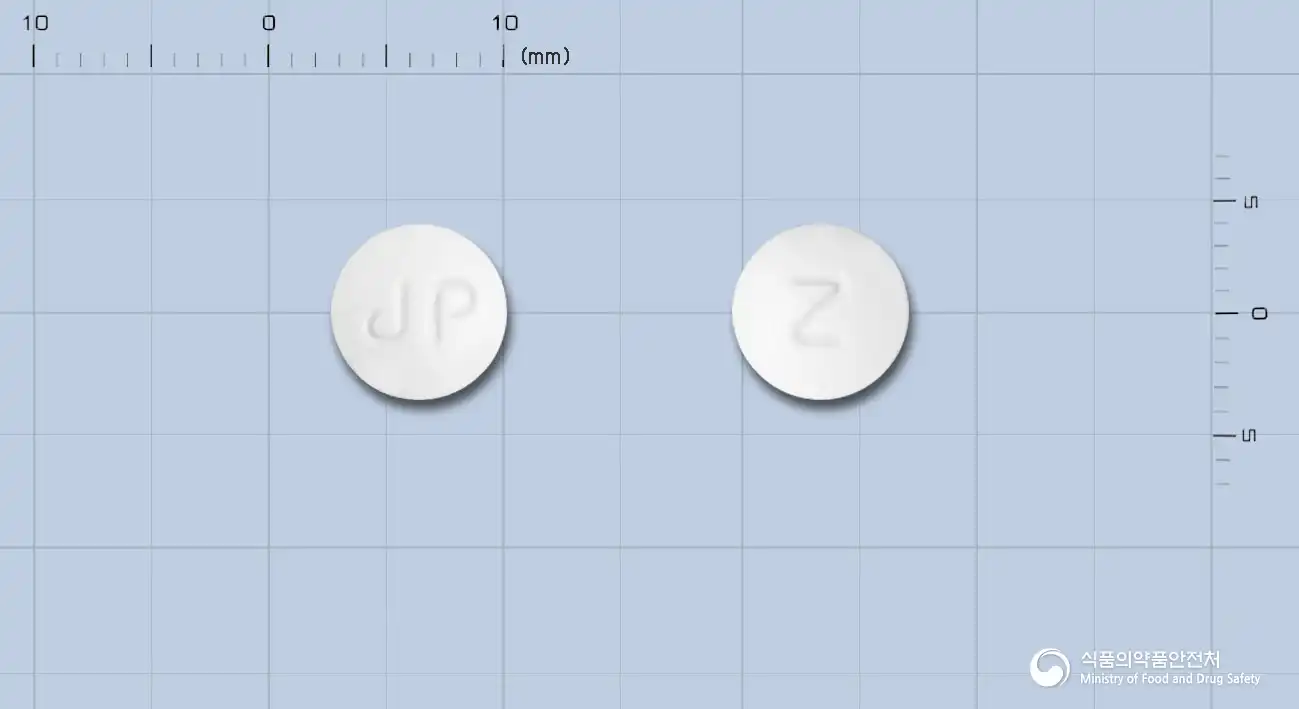
Zaltoprofen 80mg
Tablet · Prescription medication
Daehwa Pharmaceutical Co., Ltd.

Zaltoprofen 80mg
Tablet · Prescription medication
(Co., Ltd.) Korea PMG Pharmaceutical
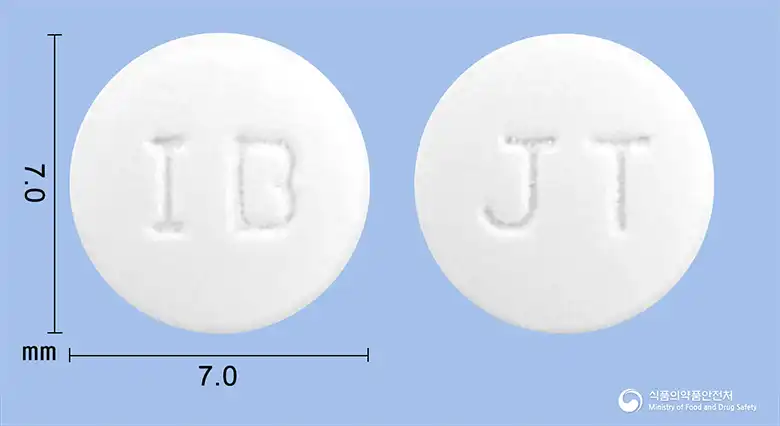
Zaltoprofen 80mg
Tablet · Prescription medication
IlYang Biopharm Co., Ltd.

Zaltoprofen 80mg
Tablet · Prescription medication
IYON Pharmaceutical Co., Ltd.
Even with the same ingredient, the dose and directions can differ by strength and dosage form. Talk to a doctor or pharmacist before switching from a medication you are already taking.
No questions yet.
For anything that needs medical judgment, consult a doctor or pharmacist.
This drug information is based on data provided by the Korea Ministry of Food and Drug Safety.
Consult a doctor or pharmacist for accurate dosage, administration, and usage instructions.