
 한국어
한국어 English
 日本語
日本語 中文(简体)
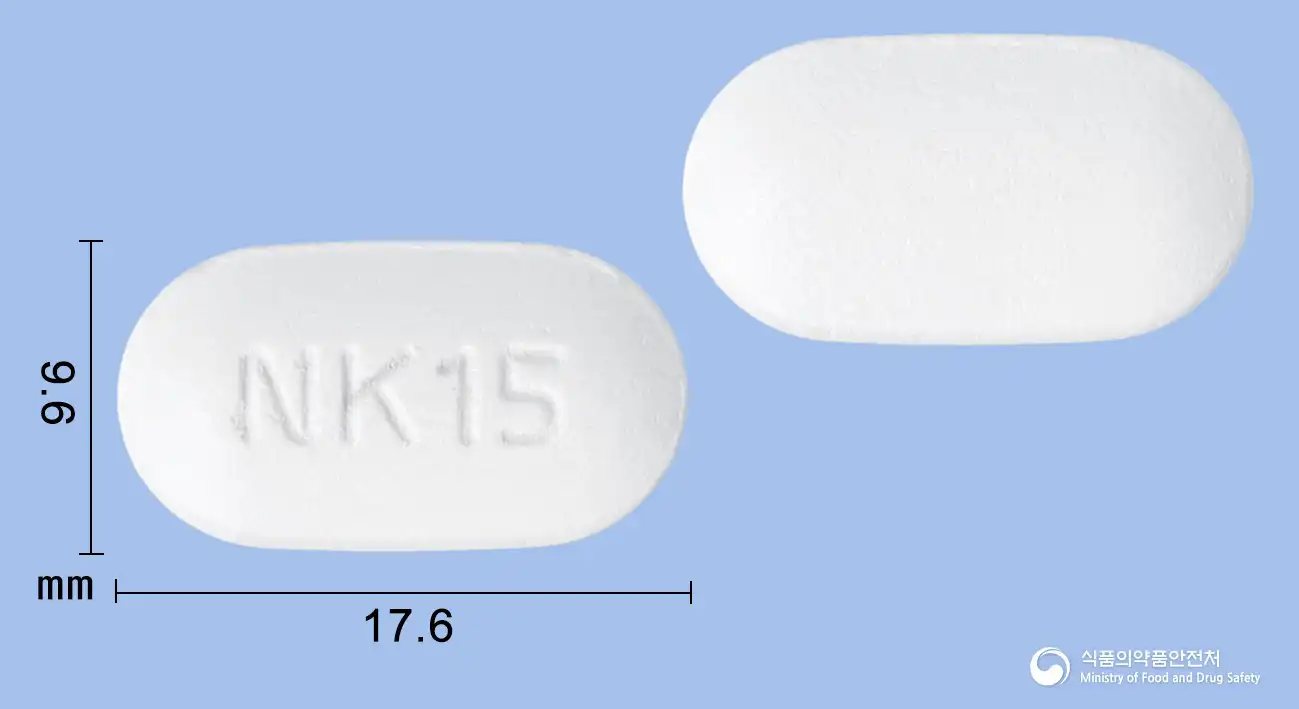 Viewing nowCombination
Ectorin Met Tablet 15/850 mg (Pioglitazone, Metformin Hydrochloride)
Metformin Hydrochloride 850mg · Pioglitazone Hydrochloride 16.53mg
Tablet · Prescription medication · Combination
Nexpharm Korea Co., Ltd.
MFDS item code 201902708 · Approved 2019.04.29 · Insurance code 662504930
Improved blood sugar control in type 2 diabetes
This medication helps improve blood sugar control in patients with type 2 diabetes by taking pioglitazone and metformin together. It is more effective when used alongside diet and exercise therapy. Therefore, it is used as an adjunctive treatment to aid in blood sugar management.
This medication should generally be administered divided with meals, starting at 1 tablet per day, with careful evaluation of the appropriateness of the therapeutic response, and the dosage should be gradually adjusted. The administered dosage should not exceed pioglitazone 30 mg and metformin 2500 mg. In patients with renal impairment, the elderly, frail patients, and those with nutritional deficiencies, the maximum dose should not be increased. The therapeutic response evaluation is based on hemoglobin A1c (HbA1C).
This medication assists in controlling blood sugar levels. However, there are several important precautions when taking this medication. First, this medication should not be used in patients with impaired kidney function or severe heart failure. If kidney function deteriorates, the medication may accumulate in the body and pose risks. Second, this medication can cause a rare but serious side effect called lactic acidosis. Lactic acidosis occurs when there is excessive buildup of lactic acid in the body, with symptoms including fatigue, muscle pain, shortness of breath, and abdominal pain. If these symptoms appear, it is essential to inform a doctor immediately and discontinue the medication. Third, patients with impaired liver function should not take this medication, and it is important to regularly check liver health. Fourth, excessive alcohol consumption should be avoided while taking this medication. Alcohol may increase the risk of side effects from the medication. Fifth, heart failure patients should be closely monitored as symptoms may worsen with this medication, and medical consultation should be sought immediately if symptoms arise. Sixth, this medication should be administered with caution to patients with a history of bladder cancer, and if bladder-related symptoms (hematuria, urination disorders, etc.) occur, the doctor should be notified immediately. Seventh, pregnant or breastfeeding women should not take this medication, and safety has not been established for children. Eighth, the elderly may have reduced kidney function, so the dosage of this medication should be carefully adjusted and kidney function assessed regularly. Finally, this medication may interact with other medications, so it is necessary to inform healthcare providers of all medications being taken and to monitor treatment effects and side effects through regular blood sugar tests and blood tests.
Severe lactic acidosis, hypoglycemia, severe edema, congestive heart failure, worsening heart disease, acute kidney function deterioration, sepsis, liver abnormalities (liver failure, jaundice), severe skin adverse reactions, bladder cancer, severe allergic reactions, severe headache, seizures, consciousness confusion, visual disturbances, paralysis, fractures, macular edema, shortness of breath, asthma attack, acute coronary syndrome, acute myocardial infarction, edema accompanied by elevated blood pressure
Not everyone experiences these, and they can vary from person to person.
This medication should be stored in a tightly sealed container to prevent exposure to air or moisture. It is also recommended to store it at room temperature between 1 and 30 degrees Celsius.
White to grayish-white rectangular film-coated tablet
30 tablets/box [(10 tablets/PTP*3)]
Even with the same ingredient, strength, dosage form and how it is taken can differ.
Viewing nowCombinationMetformin Hydrochloride 850mg · Pioglitazone Hydrochloride 16.53mg
Tablet · Prescription medication · Combination
Nexpharm Korea Co., Ltd.
Pioglitazone Hydrochloride 16.53mg · Metformin Hydrochloride 850mg
Tablet · Prescription medication · Combination
Celltrion Pharmaceutical Co., Ltd.
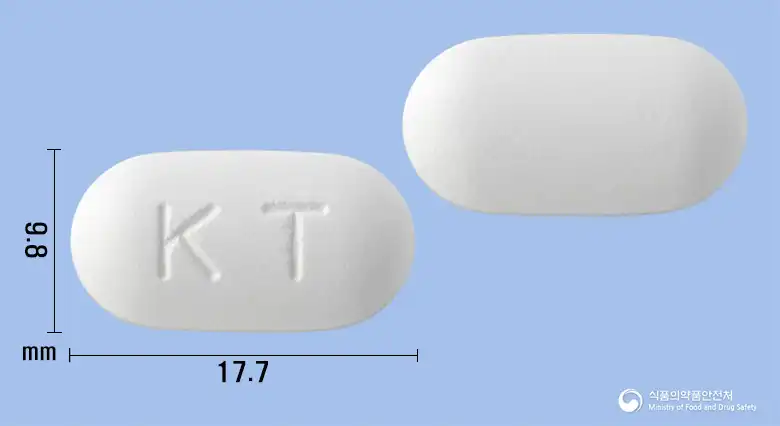 Combination
Metformin Hydrochloride 850mg · Pioglitazone Hydrochloride 16.53mg
Tablet · Prescription medication · Combination
Genewon Science Co., Ltd.
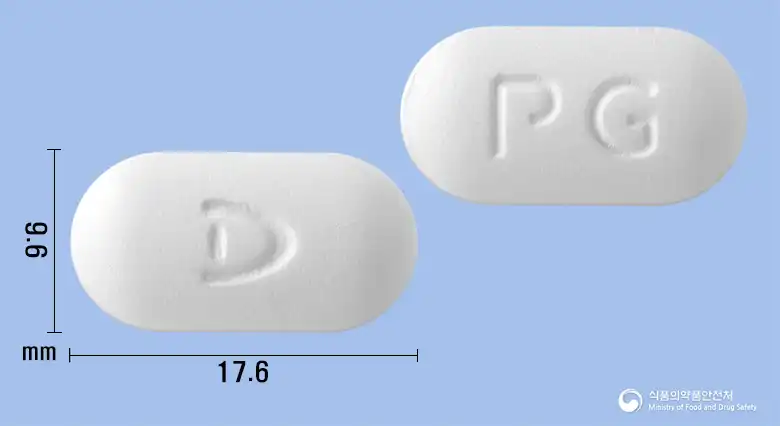 Combination
Metformin Hydrochloride 850mg · Pioglitazone Hydrochloride 16.53mg
Tablet · Prescription medication · Combination
Dalim Biotech Co., Ltd.
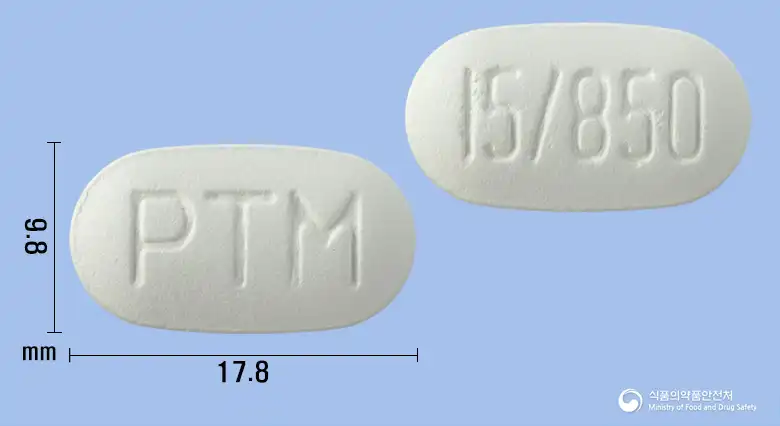 Combination
Pioglitazone Hydrochloride 16.53mg · Metformin Hydrochloride 850mg
Tablet · Prescription medication · Combination
Kyungdong Pharmaceutical Co., Ltd.
Metformin Hydrochloride · Pioglitazone Hydrochloride
Prescription medication · Combination
Nexpam Korea Co., Ltd.
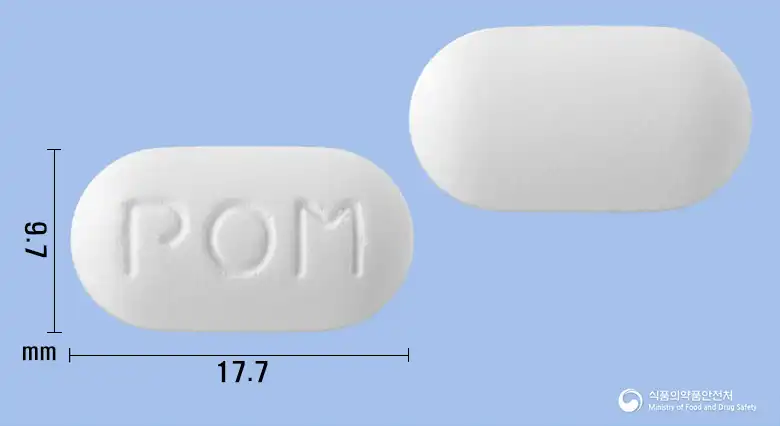 Combination
Pioglitazone Hydrochloride 16.53mg · Metformin Hydrochloride 850mg
Tablet · Prescription medication · Combination
Korea Prime Pharmaceutical Co., Ltd.
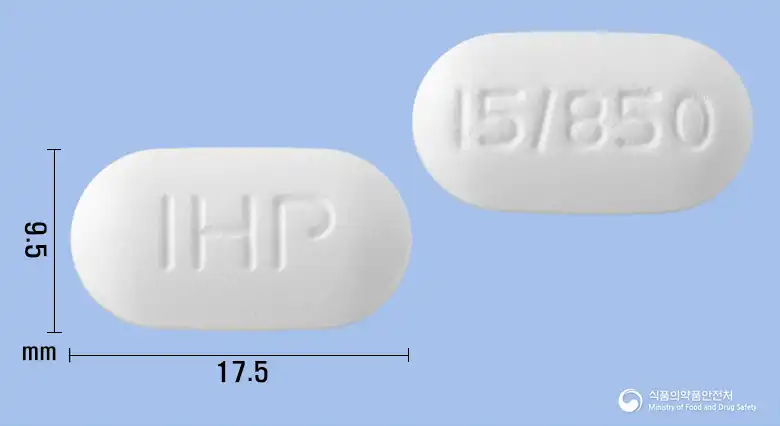 Combination
Metformin Hydrochloride 850mg · Pioglitazone Hydrochloride 16.53mg
Tablet · Prescription medication · Combination
Ilhwa Co., Ltd.
Even with the same ingredient, the dose and directions can differ by strength and dosage form. Talk to a doctor or pharmacist before switching from a medication you are already taking.
No questions yet.
For anything that needs medical judgment, consult a doctor or pharmacist.
This drug information is based on data provided by the Korea Ministry of Food and Drug Safety.
Consult a doctor or pharmacist for accurate dosage, administration, and usage instructions.