
 한국어
 English
 日本語
 中文(简体)
 Viewing nowCombination
Lily A Tablet
Desogestrel 0.15mg · Ethinyl Estradiol 0.02mg
Tablet · OTC medication · Combination
Hanil Pharmaceutical Co., Ltd.
MFDS item code 201901551 · Notified 2019.03.13
Prevention of pregnancy
This medication is used to prevent pregnancy.
1. How to take The tablets should be taken in the order shown on the package, at approximately the same time every day, with water. Take 1 tablet daily for 21 days, followed by a 7-day tablet-free interval, and then start a new pack. Withdrawal bleeding usually occurs during the 7-day tablet-free interval. It usually begins 2~3 days after the last tablet is taken and may not have ended before the next pack is started. 2. How to start taking the tablets 1) If no hormonal contraceptive was used during the previous month Take the first tablet on the first day of the woman's natural menstrual cycle (i.e., the first day of menstruation). It may be started on days 2~5, but a barrier method of contraception (e.g., a condom) should be used concurrently during the first 7 days of tablet-taking in the first cycle. 2) When switching from a combined hormonal contraceptive {combined oral contraceptive (COC), vaginal ring, or transdermal patch} If possible, start taking this medicine the day after taking the last active tablet (the last tablet containing active ingredients) of the previously used COC, and no later than the day after the usual tablet-free interval or the last placebo tablet of the previously used COC. For a vaginal ring or transdermal patch, start taking this medicine on the day of removal, if possible, and no later than the date on which the next ring or patch would have been applied. If the previous contraceptive method has been used consistently and correctly and it is certain that the woman is not pregnant, she may switch to this medicine on any day of the current combined hormonal contraceptive cycle. The tablet-free interval for the previous contraceptive method must never exceed the recommended duration. 3) When switching from a progestin-only method (tablet, injection, or implant) or a progestin-releasing intrauterine system (IUS) The woman may switch to this medicine on any day while taking progestin-only tablets (on the day of removal for an implant or progestin-releasing IUS, or on the date of the next scheduled injection for an injectable). However, in all these cases, a barrier method of contraception (e.g., a condom) should be used concurrently for the first 7 days. 4) After a miscarriage during the first 3 months of pregnancy The tablets may be started immediately. In this case, no additional contraceptive method is necessary. 5) After childbirth or a miscarriage between 4~6 months of pregnancy For breastfeeding women, see Precautions for Use, 7. Administration to Pregnant and Breastfeeding Women. The tablets may be started between 21~28 days after childbirth or a miscarriage between 4~6 months of pregnancy. If starting later, a barrier method of contraception should be used during the first 7 days of taking the tablets. However, if sexual intercourse has already occurred, pregnancy should be ruled out before starting the COC, or the woman should wait until her first menstrual period. 3. If you forget to take a tablet 1) If 12 hours or less have elapsed since the scheduled time Contraceptive efficacy is maintained. Take the missed tablet as soon as you remember, and take the next tablet at the usual scheduled time. 2) If more than 12 hours have elapsed since the scheduled time Contraceptive efficacy may be reduced. Follow the instructions below according to these two principles: (1) The period without taking tablets must not exceed 7 days. (2) 7 consecutive days of tablet-taking are required for adequate suppression of the hypothalamic-pituitary-ovarian axis. ■ Week 1 Take the last missed tablet as soon as you remember. You may take 2 tablets at the same time. Then take the next tablet at the usual scheduled time. Use a barrier method of contraception, such as a condom, during the first 7 days after taking the tablet. If sexual intercourse occurred during the previous 7 days, there is a possibility of pregnancy. The more tablets that have been missed and the closer the missed tablets are to the usual tablet-free interval, the greater the risk of pregnancy. ■ Week 2 Take the last missed tablet as soon as you remember. You may take 2 tablets at the same time. Then take the next tablet at the usual scheduled time. If this medicine was taken continuously for 7 days immediately before the first missed tablet, no additional contraceptive method is necessary. Otherwise, or if more than two tablets have been missed, additional contraception should be used for the first 7 days after taking the tablet. ■ Week 3 Because the tablet-free interval is approaching, the risk of reduced contraceptive efficacy is high. However, reducing the likelihood of reduced contraceptive efficacy is possible by adjusting the tablet-taking schedule as instructed below. If this medicine was taken continuously for 7 days immediately before the first missed tablet, no additional contraceptive method is necessary if one of the following two options is selected. Otherwise, follow the first option and use additional contraception during the first 7 days. ① Take the last missed tablet as soon as you remember. You may take 2 tablets at the same time. Then take the next tablet at the usual scheduled time. Start taking tablets from the next pack as soon as the current pack is finished, without a tablet-free interval. Withdrawal bleeding may not occur until the second pack has been finished, and breakthrough bleeding or spotting may occur while taking the tablets. ② Stop taking tablets from the current pack, have a 7-day tablet-free interval, including the day on which a tablet was missed, and then start taking tablets from a new pack. If withdrawal bleeding does not occur during the first usual tablet-free interval after a tablet has been missed and the adjusted schedule has been started, the possibility of pregnancy should be considered. 4. Advice in case of gastrointestinal disturbances If severe gastrointestinal disturbances occur, absorption may be incomplete; therefore, additional contraceptive measures should be taken. If vomiting occurs within 3~4 hours after taking this medicine, an additional tablet is required. Follow the instructions in section "3. If you forget to take a tablet" for how to take it. If you wish to maintain your regular dosing schedule, take the additional tablet needed from another new pack. 5. If you wish to change or extend your cycle To extend the cycle, take the tablets from a new pack in sequence without a tablet-free interval. The cycle may be extended for as long as desired, until the second pack has been finished. Breakthrough bleeding or spotting may occur during the extension. Then resume taking this medicine as usual after a 7-day tablet-free interval. To change the cycle to a day other than the current schedule, the upcoming tablet-free interval may be shortened by as many days as desired. The shorter the tablet-free interval, the higher the risk that withdrawal bleeding will not occur and that breakthrough bleeding or spotting will occur while taking the second pack (as when extending the cycle).
This medication should be avoided by women who smoke, especially those over the age of 35, as it significantly increases the risk of cardiovascular complications. Patients with a history of vascular diseases such as thrombosis, myocardial infarction, or stroke, or those with a predisposition to thrombosis should not use this medication. This medication should also not be administered to patients with severely impaired liver function, liver tumors, or unexplained vaginal bleeding. Women who are pregnant or suspected of being pregnant should not use this medication, and if this medication has been taken during pregnancy, it should be stopped immediately. Caution is advised when administering this medication to smokers, patients with hypertension, obese individuals, those with migraines, patients with liver disease, or those with a family history of certain diseases, as these may pose cardiovascular risks. This medication can cause serious cardiovascular side effects such as thrombosis, stroke, myocardial infarction, and various side effects including menstrual irregularities, breast pain, gastrointestinal disturbances, headaches, depression, and skin rashes. Prior to use, it is essential to consult a healthcare professional to adequately assess personal health status and risk factors, and to consult a healthcare provider immediately if unusual symptoms occur while using the medication. Additionally, this medication may interact with other drugs, so it is important to inform your doctor of any medications you are currently taking and it should not be used in combination with certain antiviral agents. This medication should not be used during pregnancy, and nursing mothers should avoid its use as the ingredients can transfer through breast milk and cause side effects in the baby. In case of overdose, symptoms such as nausea and vomiting may occur, but no serious adverse effects have been reported, and appropriate treatment should be administered based on symptoms. Regular health check-ups, blood pressure measurements, and pregnancy tests are necessary before and during use, and it should be recognized that this medication is not effective in preventing HIV or other sexually transmitted diseases.
Thrombotic venous inflammation, thrombosis, venous thromboembolism, arterial thromboembolism, stroke, cerebral hemorrhage, cerebral thrombosis, myocardial infarction, pulmonary embolism, elevated blood pressure, worsening of varicose veins, abnormal menstrual bleeding, changes in menstrual volume, amenorrhea, changes in vaginal discharge, increase in uterine fibroid size, cervical erosion, vaginal candidiasis, vaginitis, premenstrual syndrome, hemolytic uremic syndrome, dysmenorrhea, breast tension and enlargement, galactorrhea, mastalgia, benign breast disease, breast tenderness, breast discharge, nausea, vomiting, abdominal bloating, abdominal cramping, gastrointestinal disorders, bile secretion, non-jaundiced hepatitis, cholestatic jaundice, malignant and benign liver tumors, porphyria, chronic inflammatory diseases, abdominal pain, cholelithiasis, diarrhea, headache, migraine, depression, dizziness, nervousness, chorea, epilepsy, decreased perception ability, languor, control disorders, mood changes, melasma, acne, polymorphic erythema, nodular erythema, exacerbation of systemic lupus erythematosus, hemorrhagic rash, allergic rash, edema, itching, urticaria, seborrhea, alopecia universalis, rash, visual impairment, changes in corneal refractive index, sensitivity abnormalities to contact lenses, retinal thrombosis, optic neuritis, hearing impairment, sodium and fluid retention, reduced glucose tolerance, diabetes mellitus, hypertriglyceridemia, hypercholesterolemia, weight changes, appetite changes, changes in libido, speech impairment, prolactin-secreting pituitary tumor, hypersensitivity reactions, nausea, vomiting, mild vaginal bleeding in a young girl
Not everyone experiences these, and they can vary from person to person.
This medication interacts with direct-acting antiviral agents for hepatitis C, phenytoin, hydantoins, barbiturates, primidone, carbamazepine, rifampicin, rifabutin, oxcarbazepine, topiramate, felbamate, griseofulvin, lupinavir, aprepitant, and some HIV protease inhibitors (e.g., ritonavir), and non-nucleoside reverse transcriptase inhibitors (efavirenz).
Do not take this medication with products containing St. John's Wort or grapefruit juice.
This medication should be stored in a closed container to prevent air or moisture from entering. It is recommended to store it at room temperature, away from extreme heat or cold.
White, round, biconvex tablet
21 tablets / PTP
Even with the same ingredient, strength, dosage form and how it is taken can differ.
Viewing nowCombinationDesogestrel 0.15mg · Ethinyl Estradiol 0.02mg
Tablet · OTC medication · Combination
Hanil Pharmaceutical Co., Ltd.
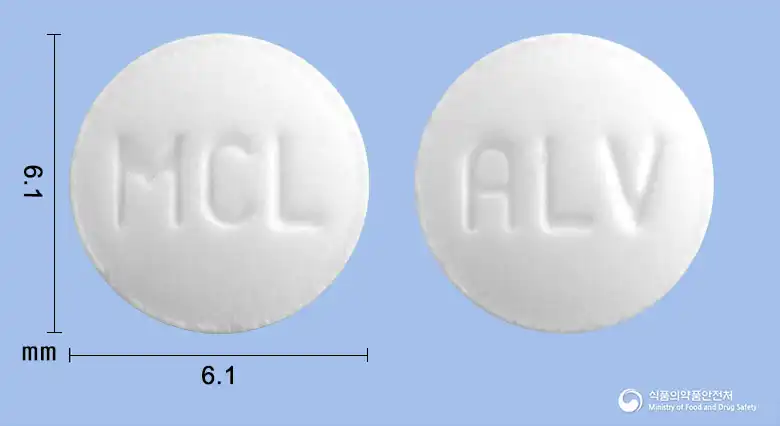 Combination
Desogestrel 0.15mg · Ethinyl Estradiol 0.02mg
Tablet · OTC medication · Combination
AlboGEN Korea Co., Ltd.
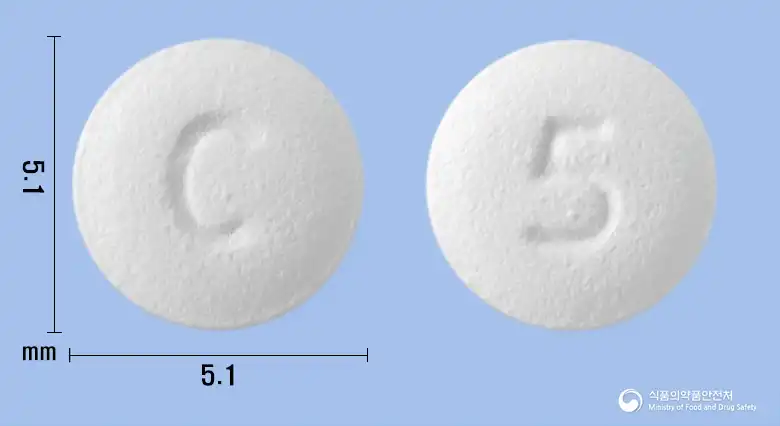 Combination
Desogestrel 0.15mg · Ethinyl Estradiol 0.02mg
Tablet · OTC medication · Combination
Hyundai Pharmaceutical Co., Ltd.
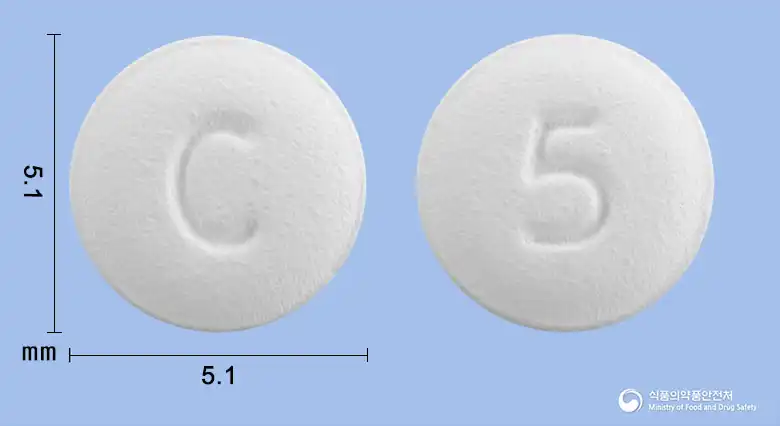 Combination
Desogestrel 0.15mg · Ethinyl Estradiol 0.02mg
Tablet · OTC medication · Combination
Yuhan Corporation
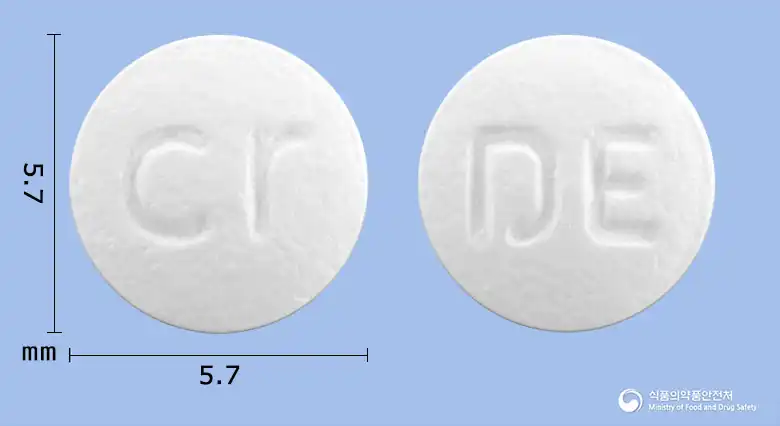 Combination
Desogestrel 0.15mg · Ethinyl Estradiol 0.02mg
Tablet · OTC medication · Combination
GL Pharma Co., Ltd.
Desogestrel 0.15mg · Ethinyl Estradiol 0.02mg
Tablet · OTC medication · Combination
Ildong Pharmaceutical Co., Ltd.
Ethinyl Estradiol 0.02mg · Desogestrel 0.15mg
Tablet · OTC medication · Combination
Sampung Fine Chem Co., Ltd.
Desogestrel 0.15mg · Ethinyl Estradiol 0.03mg
Tablet · OTC medication · Combination
GL Pharma Co., Ltd.
Even with the same ingredient, the dose and directions can differ by strength and dosage form. Talk to a doctor or pharmacist before switching from a medication you are already taking.
QIs it correct that I should not take this with grapefruit juice?
Answers 1 · 2026.09.14
For anything that needs medical judgment, consult a doctor or pharmacist.
This drug information is based on data provided by the Korea Ministry of Food and Drug Safety.
Consult a doctor or pharmacist for accurate dosage, administration, and usage instructions.