
 한국어
 English
 日本語
 中文(简体)
 Viewing now
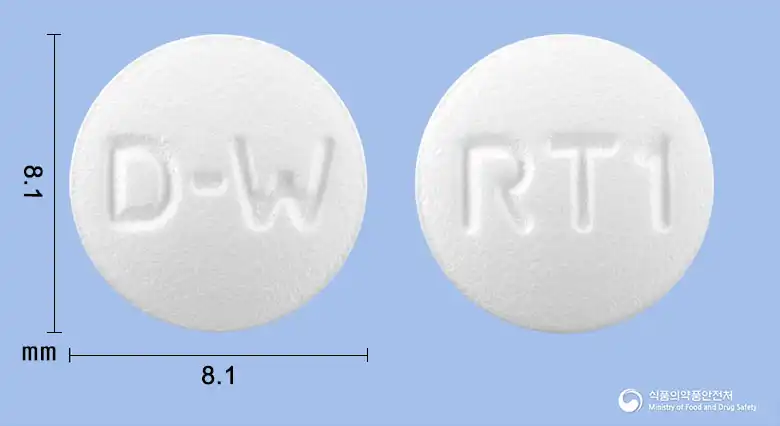
Resotron Tablet 1 mg (Prucalopride Succinate)
Prucalopride Succinate 1.321mg
Tablet · Prescription medication
Dongwha Pharmaceutical Co., Ltd.
MFDS item code 201900808 · Approved 2019.02.01
Treatment of symptoms of chronic constipation in adults not improved with laxatives
This medicine is used for adults with chronic constipation who have difficulty relieving symptoms with laxatives. It effectively treats chronic constipation symptoms and helps facilitate bowel movements.
This medicine is administered orally and may be taken at any time of day, with or without food. Adults 2 mg once daily Older adults aged 65 years and older The initial dose is 1 mg once daily and may be increased to 2 mg once daily if necessary. Patients with renal impairment For patients with severe renal impairment (GFR < 30 mL/min/1.73 m2), administer 1 mg once daily. No dosage adjustment is necessary in patients with mild to moderate renal impairment. Patients with hepatic impairment For patients with severe hepatic impairment (Child-Pugh class C), administer 1 mg once daily. No dosage adjustment is necessary in patients with mild to moderate hepatic impairment. Because of the specific mechanism of action of this medicine (stimulation of peristalsis), doses exceeding 2 mg daily are not expected to increase efficacy. If there is no effect after this medicine has been administered once daily for 4 weeks, the patient should be re-examined and the decision to continue treatment reassessed. The efficacy of this medicine was established in a 3-month, double-blind, placebo-controlled clinical trial. If treatment continues beyond 3 months, the benefits should be reassessed regularly.
This drug should not be used in certain patients. First, patients who are allergic to the active ingredient or excipients of this drug should not take it. Also, patients with severe renal impairment requiring dialysis should not use this drug. Patients with serious gastrointestinal diseases, such as intestinal obstruction, Crohn's disease, ulcerative colitis, toxic megacolon, or intestinal perforation, may also be at risk when taking this drug. This drug contains lactose, so it should not be used in patients with lactose intolerance or certain genetic metabolic disorders. In patients with severely impaired kidney function, the dose of this drug should be reduced and used with caution. Patients with serious comorbid conditions such as heart, liver, lung, nervous system, mental health issues, malignant tumors, and AIDS should also be particularly cautious when using this drug. Patients with a history of arrhythmias or ischemic cardiovascular diseases need to be careful when taking this drug. In the case of liver dysfunction, especially with severe liver disease, the dose should be reduced. Additionally, caution is needed when taken with other medications that may affect heart rhythm. The most commonly reported side effects during treatment with this drug are headache, abdominal pain, nausea, and diarrhea, which usually occur within the first few days of treatment and often resolve over time. Rarely, dizziness, tremors, palpitations, fatigue, fever, and malaise have also been reported. If new palpitations occur, it is advisable to consult a doctor immediately. In cases of severe diarrhea, the effectiveness of oral contraceptives may be reduced, so additional contraceptive methods should be considered. This drug has a low potential for drug interactions, but caution is necessary when taken with certain potent drugs that may increase drug concentration. Care should be taken especially when used in combination with medications that affect heart rhythm. Additionally, medications such as atropine may reduce the effects of this drug. Usage experience with this drug during pregnancy is limited, and its use during pregnancy is not recommended. Women of childbearing potential must use effective contraception while taking this drug. It is also not recommended for breastfeeding women, as this drug may be excreted in breast milk. It is advisable not to use this drug in children and adolescents under 18 years of age. In cases of overdose, symptoms such as headache, nausea, and diarrhea may occur, and appropriate treatment according to the symptoms may be necessary. Electrolyte replenishment may be required in cases of fluid loss due to overdose. This drug may cause dizziness and fatigue when first taken, so caution is needed when driving or operating machinery. Finally, this drug should be stored out of the reach of children and kept in its original container to avoid moisture.
Not everyone experiences these, and they can vary from person to person.
This drug should be stored in a tightly closed container that can avoid light and moisture, and it is best to keep it at room temperature between 1 degree and 30 degrees Celsius. Proper storage will help maintain the effectiveness of the drug and prevent deterioration.
White to off-white round film-coated tablet
28 tablets (14 tablets/PTP packaging X 2)
Even with the same ingredient, strength, dosage form and how it is taken can differ.
Viewing nowPrucalopride Succinate 1.321mg
Tablet · Prescription medication
Dongwha Pharmaceutical Co., Ltd.

Prucalopride Succinate 1.321mg
Tablet · Prescription medication
Hanmi Menarini Co., Ltd.

Prucalopride Succinate 2.642mg
Tablet · Prescription medication
Korea Menarini Co., Ltd.
Prucalopride Succinate 1.321mg
Tablet · Prescription medication
Genewon Science Co., Ltd.
Prucalopride Succinate 2.642mg
Tablet · Prescription medication
Genewell Science Co., Ltd.
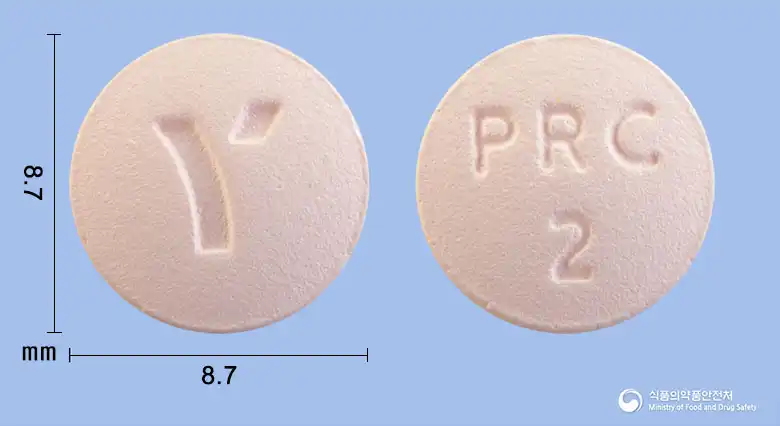
Prucalopride Succinate 2.642mg
Tablet · Prescription medication
Yooyoung Pharmaceutical Co., Ltd.
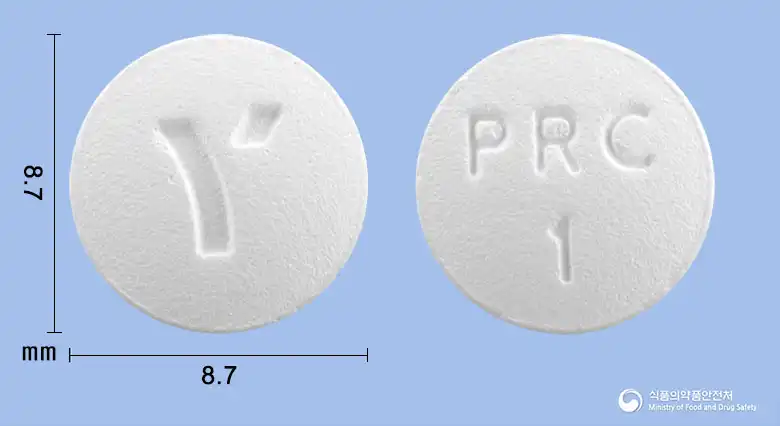
Prucalopride Succinate 1.321mg
Tablet · Prescription medication
YuYoung Pharmaceutical Co., Ltd.
Prucalopride Succinate 1.321mg
Tablet · Prescription medication
Huons Co., Ltd.
Even with the same ingredient, the dose and directions can differ by strength and dosage form. Talk to a doctor or pharmacist before switching from a medication you are already taking.
No questions yet.
For anything that needs medical judgment, consult a doctor or pharmacist.
This drug information is based on data provided by the Korea Ministry of Food and Drug Safety.
Consult a doctor or pharmacist for accurate dosage, administration, and usage instructions.