
 한국어
한국어 English
 日本語
日本語 中文(简体)
 Viewing now
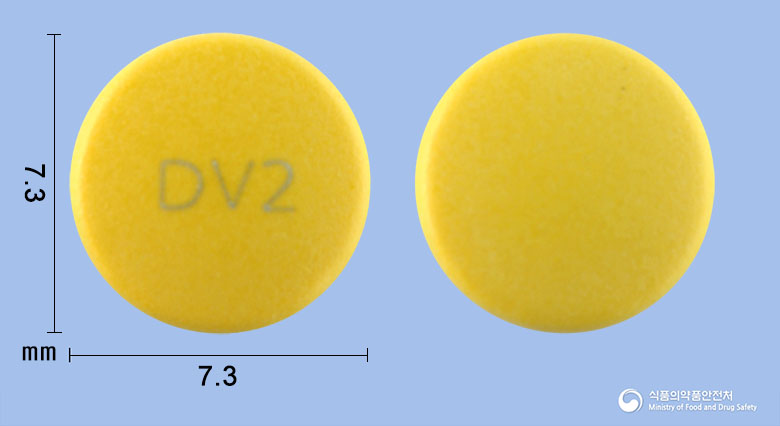
Drabe Tablet 20 mg (Rabeprazole Sodium)
Rabeprazole Sodium 20mg
Tablet · Prescription medication
Samik Pharmaceutical Co., Ltd.
MFDS item code 201900772 · Approved 2019.01.31 · Insurance code 644004050
Relief of symptoms of gastric ulcers and gastroesophageal reflux disease and treatment of Helicobacter pylori infection
This medication is effective in treating gastric and duodenal ulcers, and is used to relieve symptoms of erosive or ulcerative gastroesophageal reflux disease. It is also utilized for long-term maintenance therapy of gastroesophageal reflux disease, and enhances the therapeutic effect when combined with antibiotics in patients with gastrointestinal ulcers infected with Helicobacter pylori. It helps treat Zollinger-Ellison syndrome by controlling excessive gastric acid secretion. Therefore, this drug is effectively used for various gastrointestinal ulcers and reflux disorders.
Gastric ulcers, duodenal ulcers: 10 mg orally once daily, may increase to 20 mg once daily depending on symptoms.\nErosive or ulcerative gastroesophageal reflux disease: Administer 10 mg or 20 mg once daily for 4 to 8 weeks. If not resolved after 8 weeks, may administer 10 mg or 20 mg twice daily.\nSymptom relief for gastroesophageal reflux disease: Once daily, 10 mg.
This drug should not be used in patients with specific allergic reactions or hypersensitivity to certain antibiotics. In particular, women who are pregnant or breastfeeding should not take this medication. Patients with impaired liver function, the elderly, or those with a history of drug allergies should use this drug cautiously. It may cause hypersensitivity reactions such as skin rash, urticaria, and itching, so if symptoms occur, discontinue use immediately. Regular blood tests may be necessary as red or white blood cell counts may change. Liver function tests should also be conducted regularly, and if symptoms of hepatitis or jaundice occur, the medication should be stopped. Caution is advised as it can affect the heart and blood vessels, potentially causing symptoms such as hypertension, myocardial infarction, or arrhythmias. Various gastrointestinal symptoms such as diarrhea, abdominal pain, nausea, and vomiting may occur. Neurological symptoms may include headaches, dizziness, insomnia, and anxiety. Respiratory symptoms such as cough or dyspnea may rarely occur. Muscle pain or joint pain, skin rash, itching, and hair loss have also been reported. It may affect the eyes and ears, leading to visual disturbances or tinnitus. Urinary symptoms may include difficulty urinating or hematuria. This drug may increase the risk of fractures due to osteoporosis with long-term use. Additionally, hypomagnesemia may occur rarely, necessitating regular blood tests if taken long-term. The risk of bacterial infections in the stomach may slightly increase due to acid suppression, so if diarrhea persists, consult a medical professional. Caution is required as drowsiness may occur while driving or operating machinery. Inform your healthcare provider about any other medications you are taking, especially when combined with specific antibiotics, antiviral agents, or methotrexate. This drug should be swallowed whole without chewing or crushing, and stored out of reach of children. There is no specific antidote for overdose, so appropriate treatment should be administered based on symptoms.
Urticaria, chest tightness, difficulty breathing, fulminant hepatitis, liver dysfunction, jaundice, severe allergic reactions, severe skin adverse reactions, toxic epidermal necrolysis (Lyell syndrome), Stevens-Johnson syndrome, dyspnea, asthma, interstitial lung disease, acute interstitial nephritis, sudden and severe headache, confusion, deep vein thrombosis, sudden death, coma, disorientation, anaphylaxis, angioedema, hypomagnesemia,
Not everyone experiences these, and they can vary from person to person.
This medication may be sensitive to air or moisture, so it must be stored in a tightly sealed container. It is important to maintain a storage temperature between 1 and 30 degrees Celsius. This helps to preserve the drug's effectiveness and ensures safe use.
Pale yellow, round enteric-coated tablet
28 tablets (14 tablets/PTP*2)
Even with the same ingredient, strength, dosage form and how it is taken can differ.
Viewing nowRabeprazole Sodium 20mg
Tablet · Prescription medication
Samik Pharmaceutical Co., Ltd.
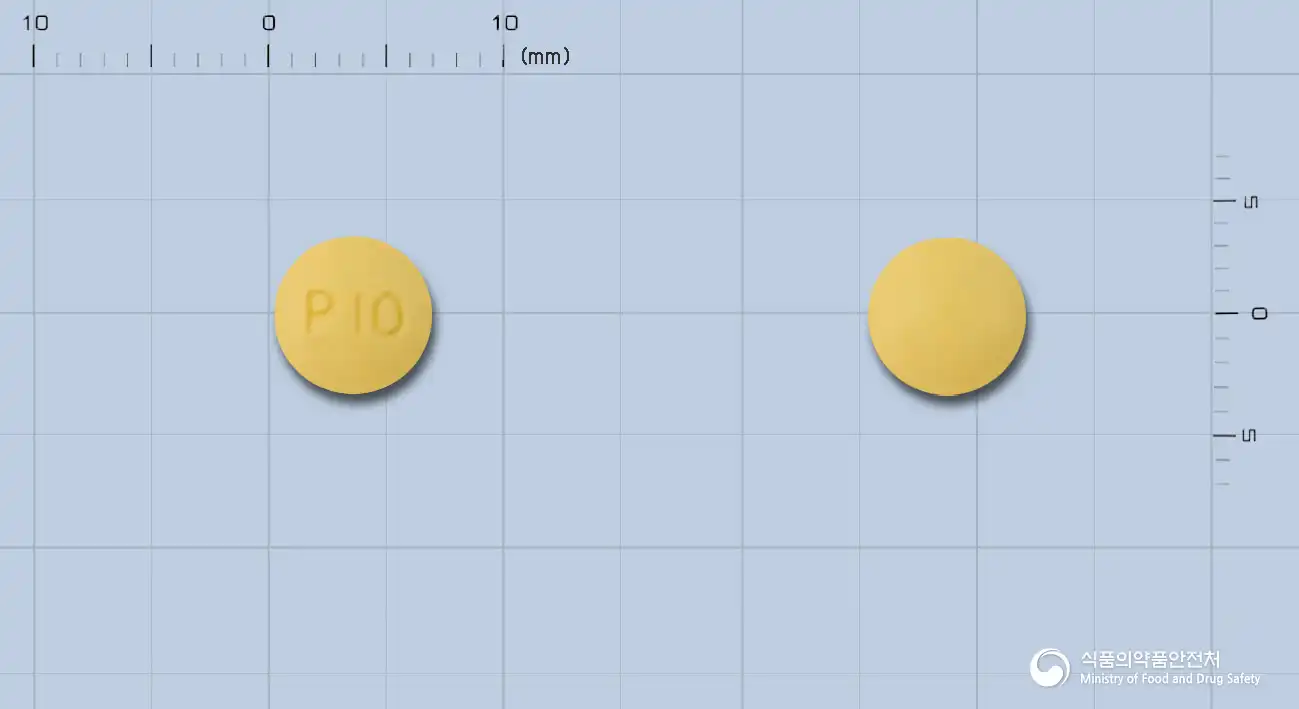
Rabeprazole Sodium 10mg
Tablet · Prescription medication
Genewon Sciences Co., Ltd.
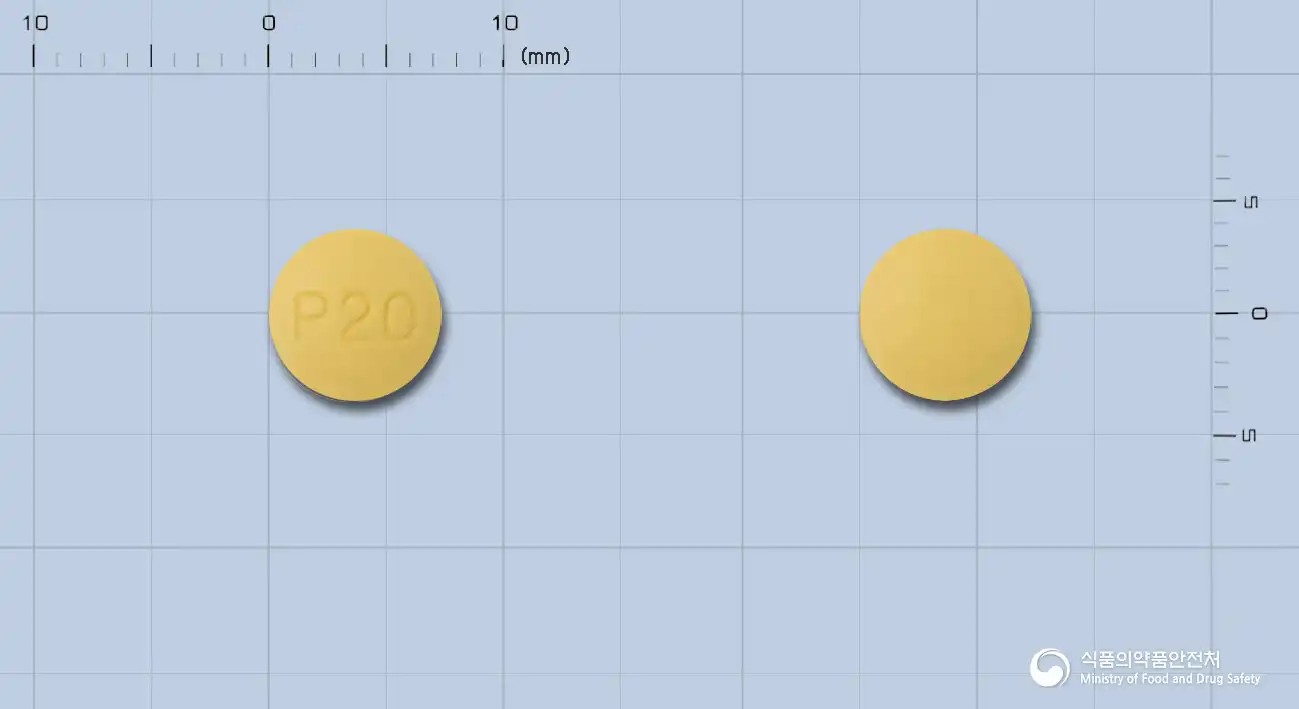
Rabeprazole Sodium 20mg
Tablet · Prescription medication
Genewell Science Co., Ltd.
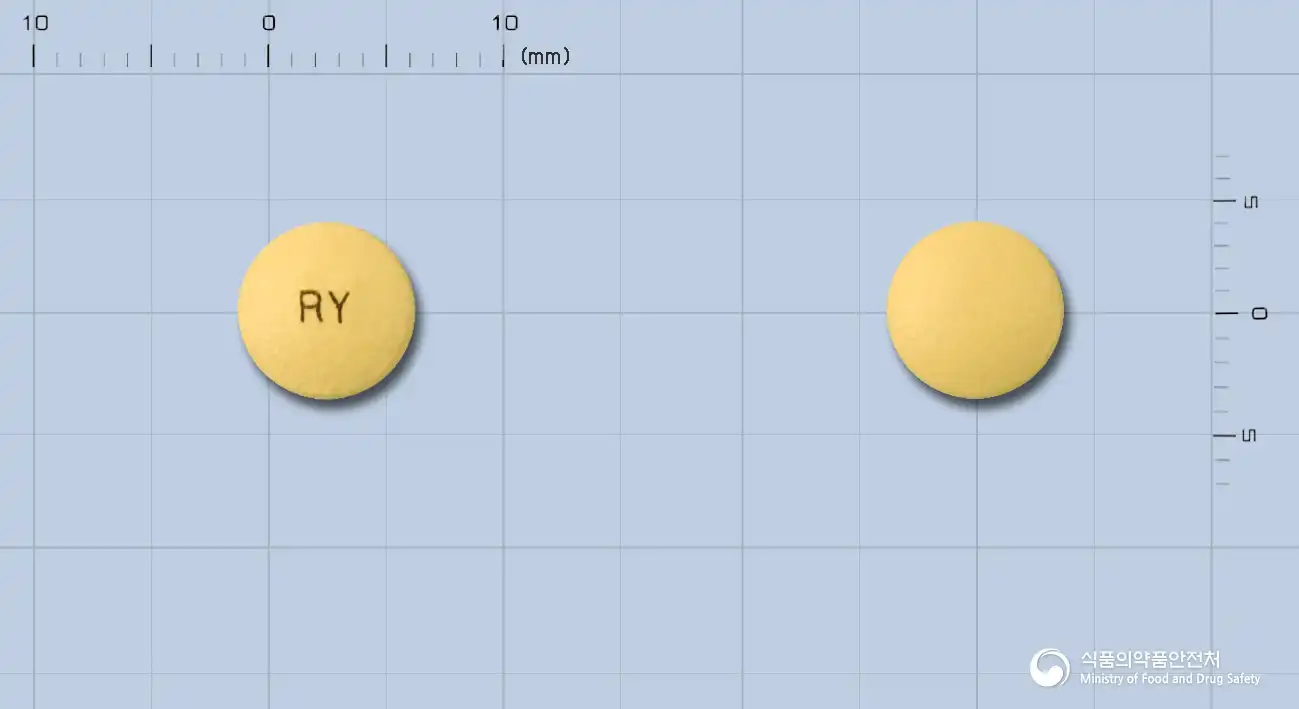
Rabeprazole Sodium 20mg
Tablet · Prescription medication
Ilyun Pharmaceutical Co., Ltd.

Rabeprazole Sodium 10mg
Tablet · Prescription medication
Shinpoong Pharm. Co., Ltd.
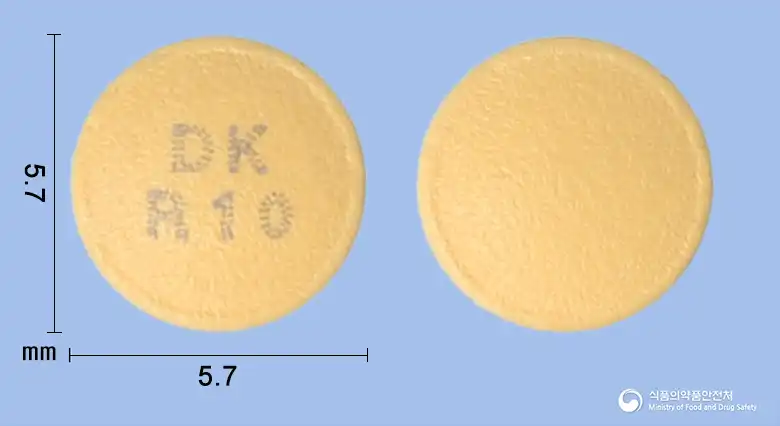
Rabeprazole Sodium 10mg
Tablet · Prescription medication
Dongkuk Pharmaceutical Co., Ltd.
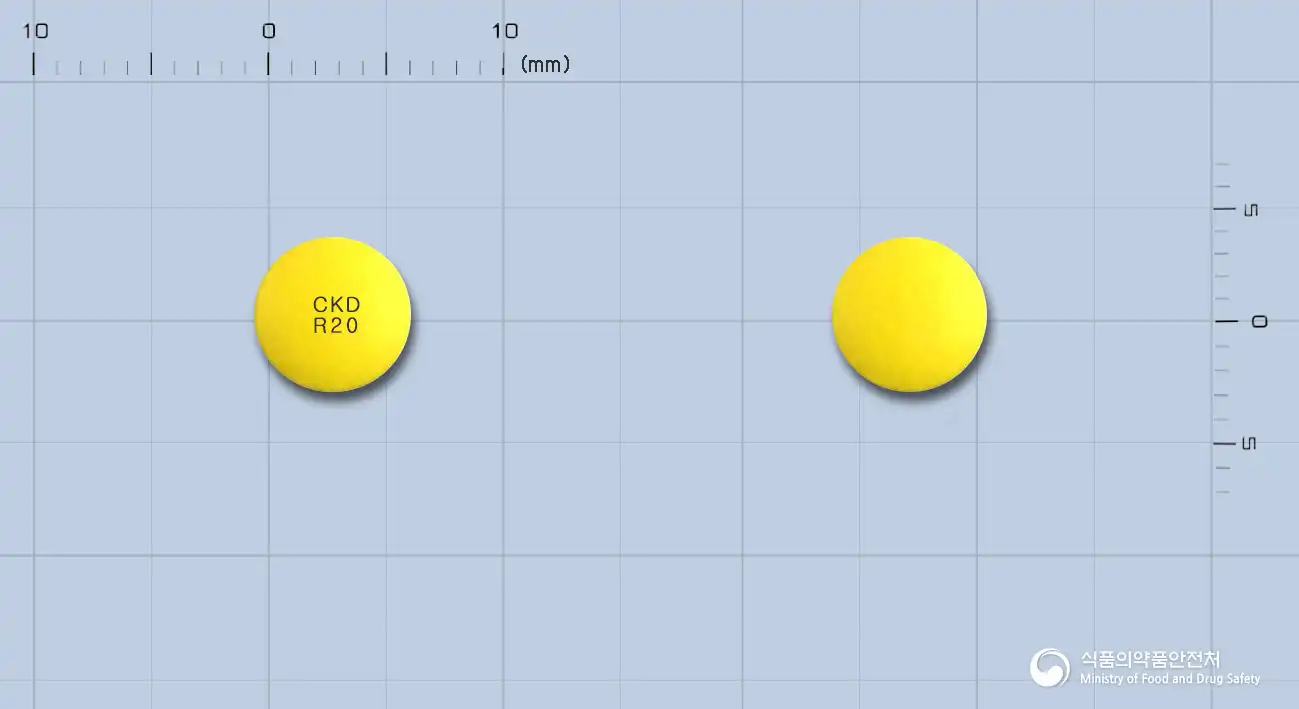
Rabeprazole Sodium 20mg
Tablet · Prescription medication
Jongkundang Co., Ltd.
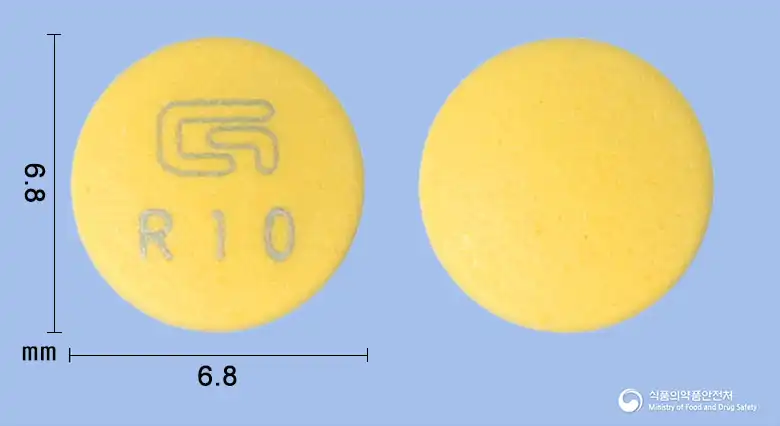
Rabeprazole Sodium 10mg
Tablet · Prescription medication
Donggwang Pharmaceutical Co., Ltd.
Even with the same ingredient, the dose and directions can differ by strength and dosage form. Talk to a doctor or pharmacist before switching from a medication you are already taking.
No questions yet.
For anything that needs medical judgment, consult a doctor or pharmacist.
This drug information is based on data provided by the Korea Ministry of Food and Drug Safety.
Consult a doctor or pharmacist for accurate dosage, administration, and usage instructions.