
 한국어
 English
 日本語
 中文(简体)
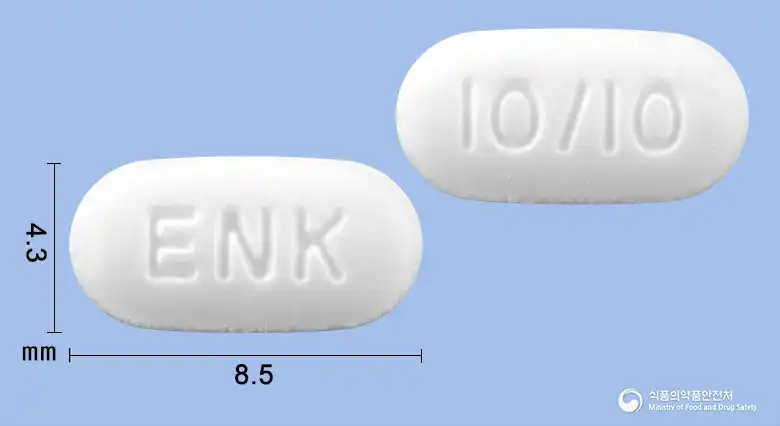 Viewing nowCombination
Bijeta Tablet 10/10
Ezetimibe 10mg · Simvastatin 10mg
Tablet · Prescription medication · Combination
Eden Pharma Co., Ltd.
MFDS item code 201805436 · Approved 2018.12.31 · Insurance code 628901150
Improvement of primary and homozygous familial hypercholesterolemia and mixed dyslipidemia
This drug is used as an adjunct to dietary therapy to reduce elevated total cholesterol, LDL cholesterol, apoB protein, and triglycerides, and to increase HDL cholesterol in patients with primary hypercholesterolemia and mixed hyperlipidemia. It can also be prescribed as an adjunct or alternative to other lipid-lowering therapies for patients with homozygous familial hypercholesterolemia. This medication is used together with appropriate dietary therapy and is applicable when there is inadequate response to diet and non-drug interventions. Prior to treatment, it is important to identify and treat other causes that may contribute to dyslipidemia. In patients with acute coronary events, lipid levels should be tested upon admission or within 24 hours post-admission to determine treatment direction. This medication effectively improves the risks of hypercholesterolemia and atherosclerotic vascular diseases.
Patients must follow a standard cholesterol-lowering diet before and during treatment with this medicine. The dose should be adjusted according to the patient’s baseline LDL cholesterol level, recommended treatment goal, and response. This medicine is administered once daily in the evening, with or without food. Patients with primary hypercholesterolemia The dosage range of this medicine is 10/10mg~10/40mg daily. The generally recommended initial dose is 10/20mg daily. Patients who require less LDL cholesterol reduction may start with 10/10mg daily. After starting treatment or adjusting the dose, adjust the dose after checking blood lipid levels at intervals of 4 weeks or longer. Because of an increased risk of myopathy, including rhabdomyolysis, particularly during the first year of treatment, the 10/80 mg dose of this medicine should be used only in patients who have taken 10/80 mg of this medicine for 12 months or longer without evidence of muscle toxicity (see Warnings, section 1 of Precautions for Use). Patients with homozygous familial hypercholesterolemia The recommended dose for patients with homozygous familial hypercholesterolemia is 10/40mg once daily in the evening. This medicine is used as an adjunct to other lipid-lowering treatments (e.g., LDL apheresis) or when other lipid-lowering treatments are not useful. Use in patients with hepatic impairment No dose adjustment is required for patients with mild hepatic impairment; however, this medicine is not recommended for patients with moderate or severe hepatic impairment (see Precautions for Use, section 5, General Precautions, subsection on patients with abnormal liver function). Use in patients with renal impairment and patients with chronic kidney disease No dose adjustment is required for patients with mild renal impairment (estimated glomerular filtration rate (GFR) ≥ 60mL/min/1.73㎡). For patients with chronic kidney disease and an estimated glomerular filtration rate < 60mL/min/1.73㎡, administer 10/20mg of this medicine once daily in the evening. Use caution and carefully monitor these patients when administering higher doses of this medicine (see Precautions for Use, section 5, General Precautions). Use in older adults No dose adjustment is required for older adults. Concomitant use with other medicines (See Precautions for Use, section 6, Interactions.) Administer this medicine at least 2 hours before or at least 4 hours after administration of a bile acid sequestrant. Patients receiving this medicine concomitantly with verapamil, diltiazem, or dronedarone should not exceed 10/10mg/day of this medicine. Patients receiving this medicine concomitantly with amiodarone, amlodipine, or ranolazine should not exceed 10/20mg/day of this medicine.
This medication may have side effects that can affect the muscles, so if muscle pain or weakness occurs, consult a doctor immediately. Care should be taken particularly when taking high doses, as the risk of muscle damage may increase. Patients who are allergic to any of the components of this medication or have severely impaired liver function should not use it. Women who are pregnant or nursing should not take this medication, and women planning to become pregnant should consult a doctor before taking it. Since there is a possibility of interaction with other medications, you must inform your doctor of any current medications being taken. Particularly, taking this medication with drugs that are metabolized by the liver or specific antibiotics, antifungals, and immunosuppressants may increase the risk of muscle damage. This drug can also affect liver function, so if there is liver disease or abnormal liver function test results, regular monitoring is required. Older adults and patients with impaired renal function should use this medication with increased caution and ensure regular blood tests to check for abnormalities. Additionally, this medication may increase blood glucose levels, so patients at risk for diabetes should strictly manage their blood glucose. It is crucial to strictly adhere to the prescribed dosage and administration method and consult healthcare professionals immediately if any abnormal symptoms occur.
Not everyone experiences these, and they can vary from person to person.
This medication should be stored in a tightly closed container to avoid exposure to air and moisture. It is recommended to maintain the storage temperature between 1 and 30 degrees Celsius at room temperature. This will help maintain the effectiveness of the medication over time.
White to light yellow, bilaterally convex rectangular tablet
30 tablets/PTP
Even with the same ingredient, strength, dosage form and how it is taken can differ.
Viewing nowCombinationEzetimibe 10mg · Simvastatin 10mg
Tablet · Prescription medication · Combination
Eden Pharma Co., Ltd.
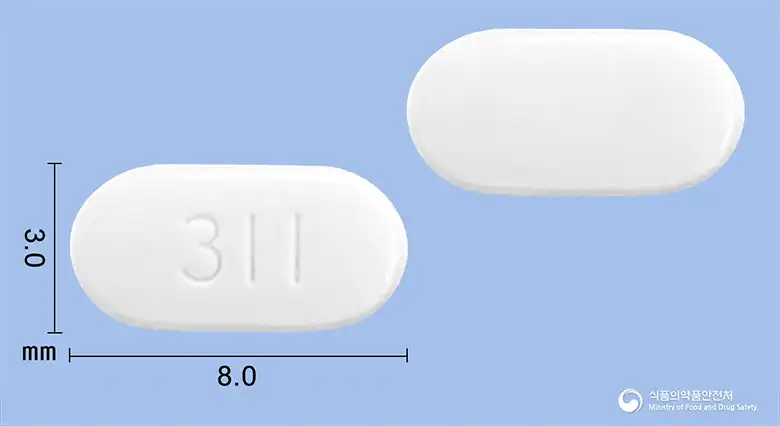 Combination
Simvastatin 10mg · Ezetimibe 10mg
Tablet · Prescription medication · Combination
Korea Organon Co., Ltd.
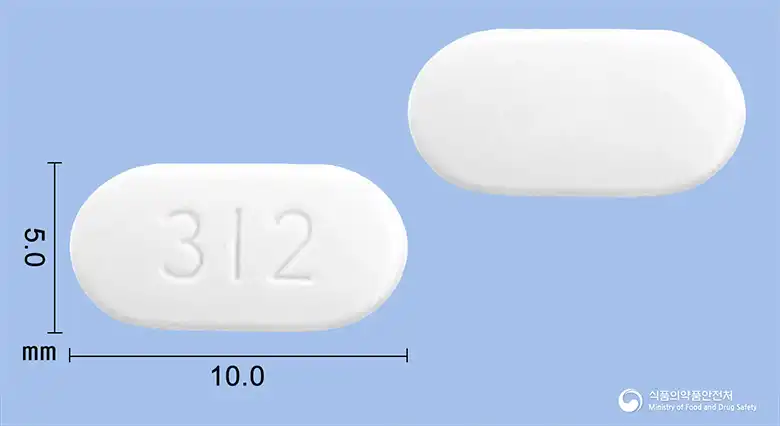 Combination
Simvastatin 20mg · Ezetimibe 10mg
Tablet · Prescription medication · Combination
Korea Organon Co., Ltd.
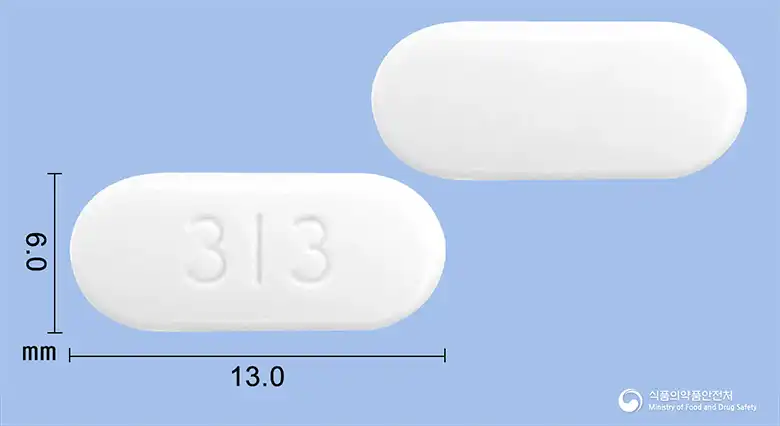 Combination
Simvastatin 40mg · Ezetimibe 10mg
Tablet · Prescription medication · Combination
Korea Organon Co., Ltd.
Ezetimibe 10mg · Simvastatin 10mg
Tablet · Prescription medication · Combination
Boryung Pharmaceutical Co., Ltd.
Ezetimibe 10mg · Simvastatin 20mg
Tablet · Prescription medication · Combination
Boryung Pharmaceutical Co., Ltd.
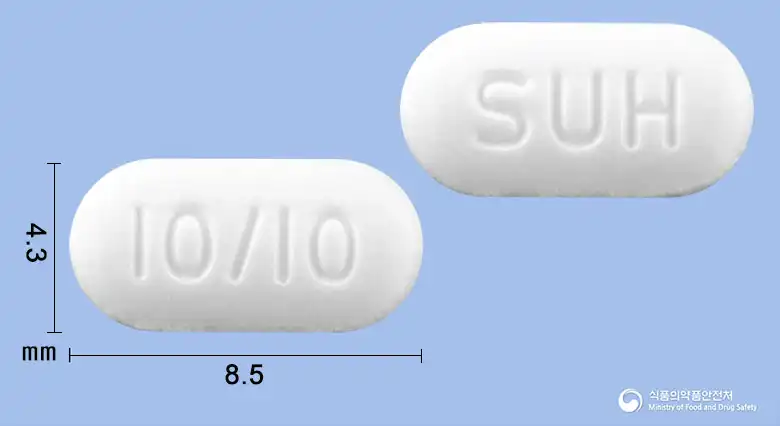 Combination
Ezetimibe 10mg · Simvastatin 10mg
Tablet · Prescription medication · Combination
Suhung Co., Ltd.
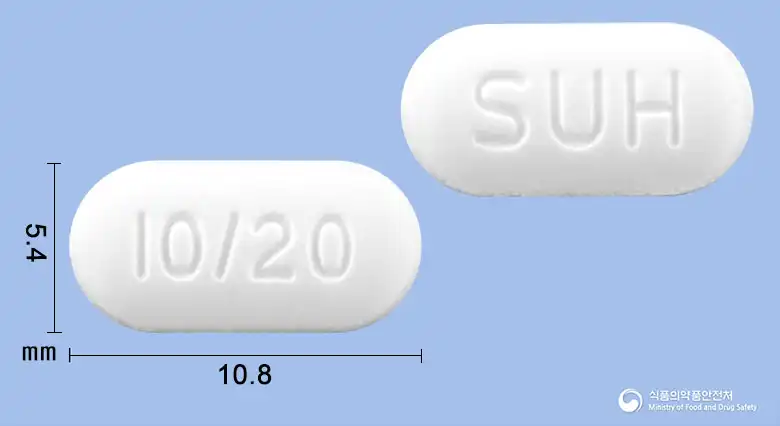 Combination
Ezetimibe 10mg · Simvastatin 20mg
Tablet · Prescription medication · Combination
Seohung Co., Ltd.
Even with the same ingredient, the dose and directions can differ by strength and dosage form. Talk to a doctor or pharmacist before switching from a medication you are already taking.
No questions yet.
For anything that needs medical judgment, consult a doctor or pharmacist.
This drug information is based on data provided by the Korea Ministry of Food and Drug Safety.
Consult a doctor or pharmacist for accurate dosage, administration, and usage instructions.