
 한국어
한국어 English
 日本語
日本語 中文(简体)
Dosage form image
Viewing nowCombinationBazetamind Tablet
Bazedoxifene Acetate · Cholecalciferol Concentrate Powder
Prescription medication · Combination
Boryung Pharmaceutical Co., Ltd.
MFDS item code 201804131 · Approved 2018.10.18
This product's status changed to Approval withdrawn on 2023.07.24. It may no longer be sold, so consult a doctor or pharmacist before taking it.
Prevention of osteoporosis and spinal fractures in postmenopausal women
This medicine is used to treat and prevent osteoporosis in postmenopausal women. It is primarily effective in reducing the incidence of spinal fractures; however, its clear efficacy for non-spinal fractures has not yet been established. Therefore, this medicine helps protect spinal health in postmenopausal women and improves symptoms of osteoporosis.
Take one tablet once daily, regardless of meals.
This medicine may increase the risk of venous thromboembolism, which is the formation of blood clots in the blood vessels. Conditions such as deep vein thrombosis, pulmonary embolism, and retinal vein thrombosis may occur, so it is not recommended for women at high risk for thrombosis. Patients who are immobile should be aware that they must stop taking this medication and can resume it once they are able to move again. Additionally, during long trips, it is important to move regularly to reduce the risk of thrombosis. This medication is intended only for postmenopausal women and should not be used by premenopausal women, pregnant women, or nursing mothers. Patients with uterine bleeding or symptoms of endometrial cancer, as well as those with certain metabolic disorders, should also avoid this medication. Patients with poor liver or kidney function, hypertriglyceridemia, and those taking certain medications should use this drug cautiously, and dosage adjustments may be necessary under the guidance of a physician. Possible side effects during the use of this medication include facial flushing due to vasodilation, leg cramps, dry mouth, rash, itching, muscle cramps, peripheral edema, elevations in blood triglycerides, increases in alanine aminotransferase (ALT), increases in aspartate aminotransferase (AST), vision changes, blurred vision, photophobia, visual field defects, visual impairment, dry eyes, eyelid swelling, eyelid twitching, eye pain, eye swelling, vomiting, gastritis, colon polyps, belching, and allergies. If symptoms such as changes in vision or eye pain and swelling occur, immediate medical attention is required. It is advisable to take calcium supplements if calcium intake is insufficient during treatment, as well as additional vitamin D supplementation for elderly individuals or those with chronic diseases who are at a greater risk of vitamin D deficiency. Caution is needed for driving or operating machinery as dizziness or visual disturbances may occur. In cases of overdose, there is no specific antidote, so treatment should be symptomatic. Symptoms such as hypercalcemia or kidney stones may arise, so blood and urine tests should be performed to monitor the patient's condition. This medication should not be used in children, and it should be stored out of reach of children in its original container with the lid tightly closed.
Vasodilation (facial flushing), leg cramps, drowsiness, dry mouth, rash, itching, muscle cramps, peripheral edema, elevation of blood triglycerides, elevation of alanine aminotransferase (ALT), elevation of aspartate aminotransferase (AST), visual impairment, blurred vision, photophobia, visual field defects, visual impairment, dry eyes, eyelid swelling, eyelid twitching, eye pain, eye swelling, vomiting, gastritis, colon polyps, belching, allergies
Not everyone experiences these, and they can vary from person to person.
This medicine should be stored in a tightly closed container to prevent exposure to air or moisture. It is best to maintain the storage temperature between 1 to 30 degrees Celsius.
Pink rectangular film-coated tablet
28 tablets (28 tablets/PTP)
Even with the same ingredient, strength, dosage form and how it is taken can differ.
Bazedoxifene Acetate · Cholecalciferol Concentrate Powder
Prescription medication · Combination
Boryung Pharmaceutical Co., Ltd.
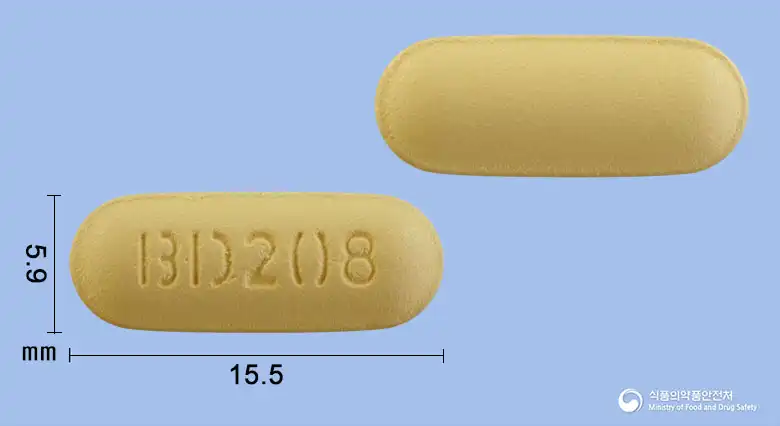 Combination
Bazedoxifene Acetate 22.6mg · Cholecalciferol Concentrate Powder 8mg
Tablet · Prescription medication · Combination
Hana Pharmaceutical Co., Ltd.
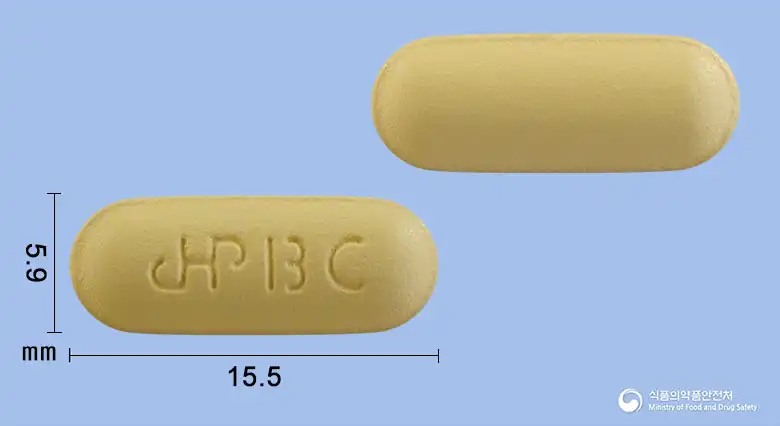 Combination
Bazedoxifene Acetate 22.6mg · Cholecalciferol Concentrate Powder 8mg
Tablet · Prescription medication · Combination
DaeHwa Pharmaceutical Co., Ltd.
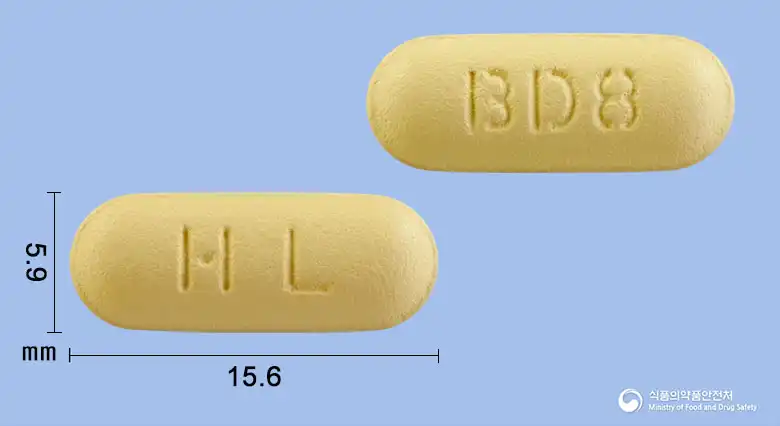 Combination
Bazedoxifene Acetate 22.6mg · Cholecalciferol Concentrate Powder 8mg
Tablet · Prescription medication · Combination
Hanlim Pharmaceutical Co., Ltd.
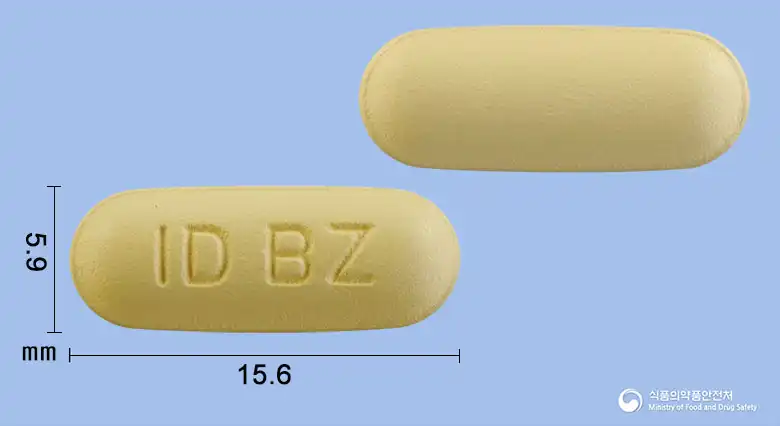 Combination
Bazedoxifene Acetate 22.6mg · Cholecalciferol Concentrate Powder 8mg
Tablet · Prescription medication · Combination
Ildong Pharmaceutical Co., Ltd.
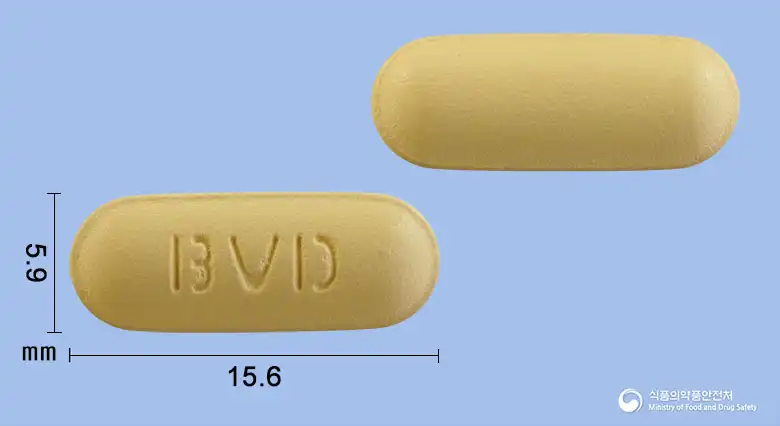 Combination
Bazedoxifene Acetate 22.6mg · Cholecalciferol Concentrate Powder 8mg
Tablet · Prescription medication · Combination
Albozen Korea Co., Ltd.
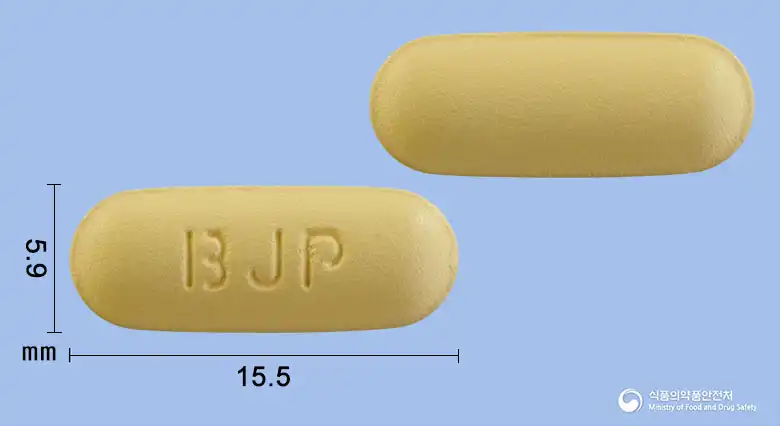 Combination
Bazedoxifene Acetate 22.6mg · Cholecalciferol Concentrate Powder 8mg
Tablet · Prescription medication · Combination
Dongkook Pharmaceutical Co., Ltd.
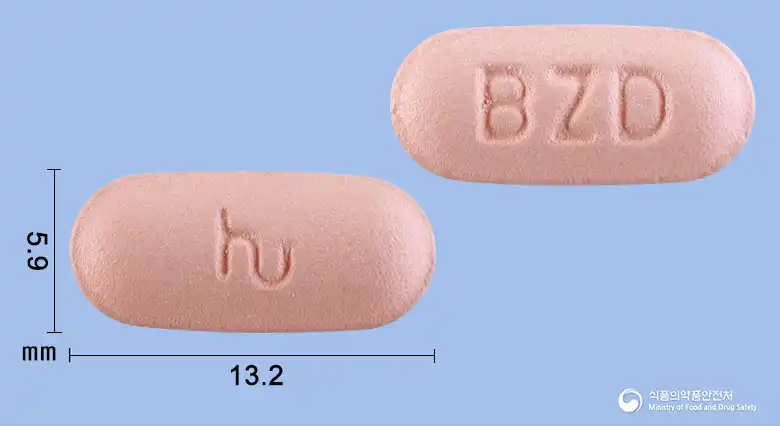 Combination
Bazedoxifene Acetate 22.6mg · Cholecalciferol Concentrate Powder 8mg
Tablet · Prescription medication · Combination
Hyouns Co., Ltd.
Even with the same ingredient, the dose and directions can differ by strength and dosage form. Talk to a doctor or pharmacist before switching from a medication you are already taking.
No questions yet.
For anything that needs medical judgment, consult a doctor or pharmacist.
This drug information is based on data provided by the Korea Ministry of Food and Drug Safety.
Consult a doctor or pharmacist for accurate dosage, administration, and usage instructions.